The Detective and the Madman

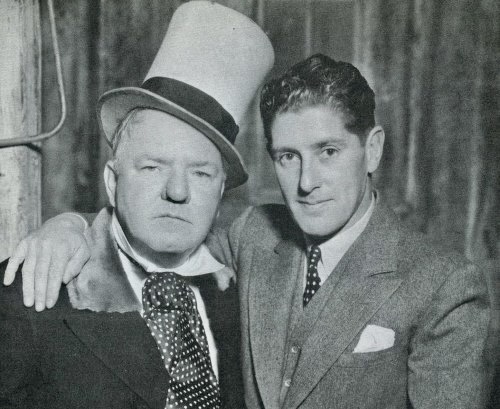
A. Edward Sutherland was a highly skilled and reliable director from the Hollywood studio system era who is best known today for his light comedies and musicals, especially the ones he made with W.C. Fields such as It’s the Old Army Game (1926), Tillie’s Punctured Romance (1928), International House (1933), Mississippi (1935) and Poppy (1936). In fact, he was one of the few directors that got along well with the notoriously difficult comedian on film shoots and the two were also close friends off the movie set. Sutherland, who got his start in the film industry in 1914 as a stuntman and actor, even served as assistant director on Charlie Chaplin’s A Woman of Paris (1923) and made the transition to directing in 1925.  What isn’t as well known is the fact that Sutherland made two Pre-Code thrillers in the early thirties that are often overlooked in his filmography.

Comedian W.C. Fields and director A. Edward Sutherland

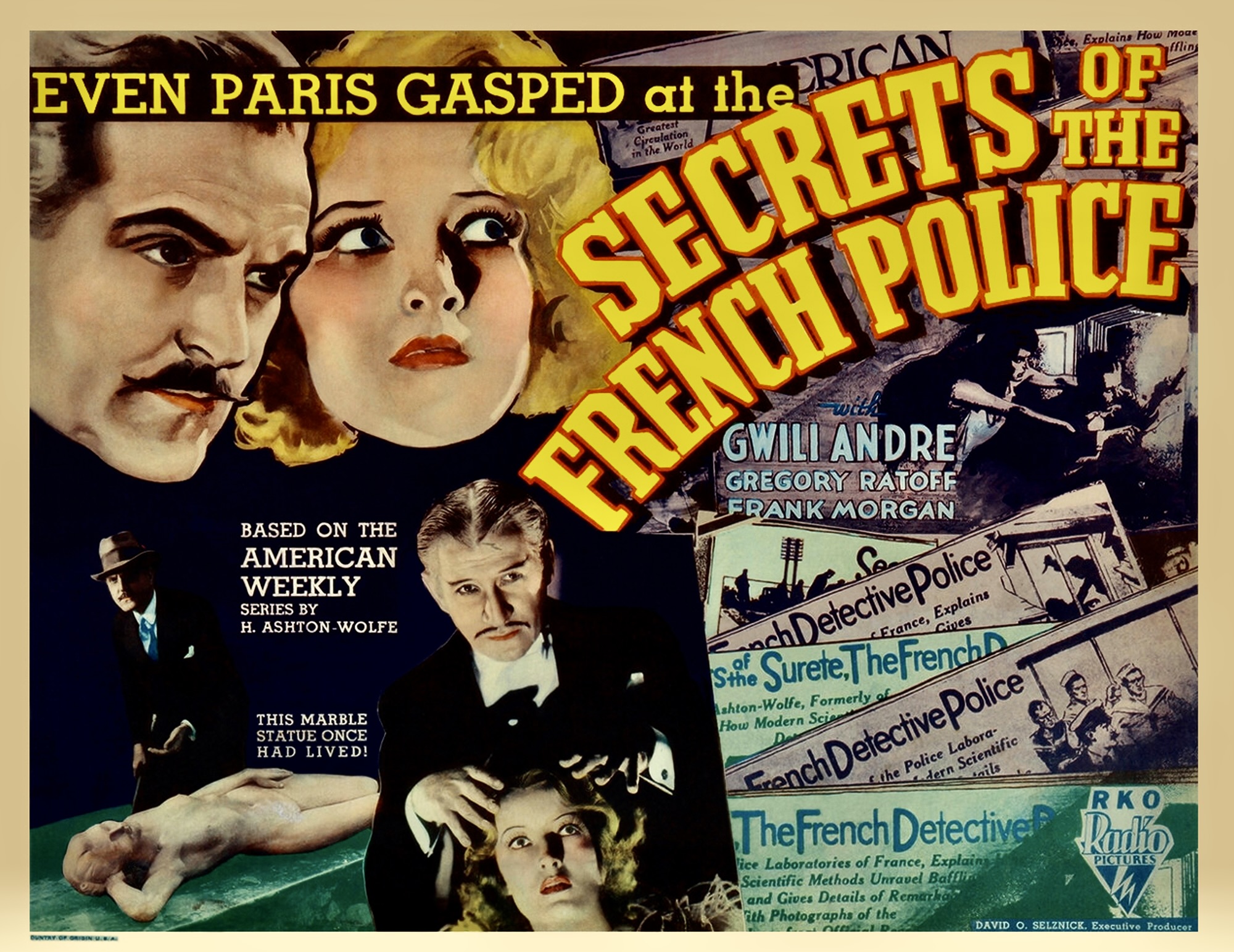
Secrets of the French Police (1932) is a deliriously entertaining B-movie programmer that clocks in at a brisk 58-running time and manages to blend Grand Guignol horror with a plot to pass off a flower vendor as the missing Princess Anastasia, the daughter of Tsar Nicholas II of Russia. Murders in the Zoo (1933) is an unusually sadistic yarn in which a crazed millionaire (Lionel Atwill) uses wild animals in his zoo to murder his enemies. While Murders in the Zoo deserves an in-depth article on its own, I am devoting this post to the overlooked Secrets of the French Police, which was executive produced by David O. Selznick for RKO Studios (the mogul would leave RKO for MGM in 1933, where he would produce movies for his father-in-law Louis B. Meyer).

Continue reading

Sex Tourism in Kenya

Austrian tourist Teresa (Margarete Tiesel) faces a group of male hustlers at a Kenya beach resort in PARADISE: LOVE (2012), directed by Ulrich Seidl.

Sex tourism has been around for centuries but it really started to flourish in the 1800s. I used to think it was only men with money that traveled to poorer regions in Asia, South America and the Philippines to have sex with underage girls but some women are also avid sex tourists. Heading South (2005), directed by Laurent Cantet, was one of the first movies to dramatize this activity with Charlotte Rampling playing a well-to-do Bostonian who enjoys cavorting with the young black gigolos of Haiti during her annual vacation. Although it was unusually frank and edgy at the time, it almost looks subtle next to Ulrich Seidl’s Paradies: Liebe (English title: Paradise: Love, 2012), the first in the Austrian filmmaker’s “Paradise” trilogy. In this film, Teresa (Margarete Tiesel), n overweight fifty-year-old woman with a sullen teenage daughter, takes a solo holiday at a beach resort in Kenya (It was filmed at the Flamingo Beach Hotel in Mombasa). Besides enjoying the sun and surf, her prime objective is to join her Austrian friend Inge (Inge Maux) in a series of sexual escapades with young African men. Of course, it costs money – sex tourism in Kenya is a booming business – but Teresa is looking for something more than just casual sex.

Continue reading

New Discoveries & Overlooked Treasures: Telluride Film Festival 2012

*This archived article originally appeared on the Turner Classic Movies website in September 2021.

Tis the season for major film festivals and Telluride often exceeds those that follow – Toronto, New York, Chicago – by presenting the North American premieres of major works, a mixture of Cannes award winners receiving their American debut, lesser known surprises (some without distributors yet) and wonderful retrospectives from silent films with live music accompaniment to overlooked treasures like Agnes Varda’s La Pointe Courte (1956), Ermanno Olmi’s Il Posto (1961) and Paul Fejos’ Lonesome, (1928).  Unlike the other film festivals, however, Telluride enjoys a long held tradition of withholding its slate of films until the day before the event begins and attendees are rarely disappointed; in fact, most patrons feel rewarded for making the annual trek deep into the Rockies. The big event premieres of the 2012 event included such heavy hitters as Christian Petzold’s Barbara, Michael Haneke’s Amour and The Attack, Ziad Doueiri’s controversial drama about a suicide bombing in Tel Aviv. Yet, it was the unexpected additions of such films as the French documentary Journal de France, Michael Winterbottom’s Everyday, I Knew Her Well (1965) from Italian director Antonio Pietrangeli, and a revival of Something Wild (1961) that made it such an unforgettable year.

Continue reading

Searching for Closure

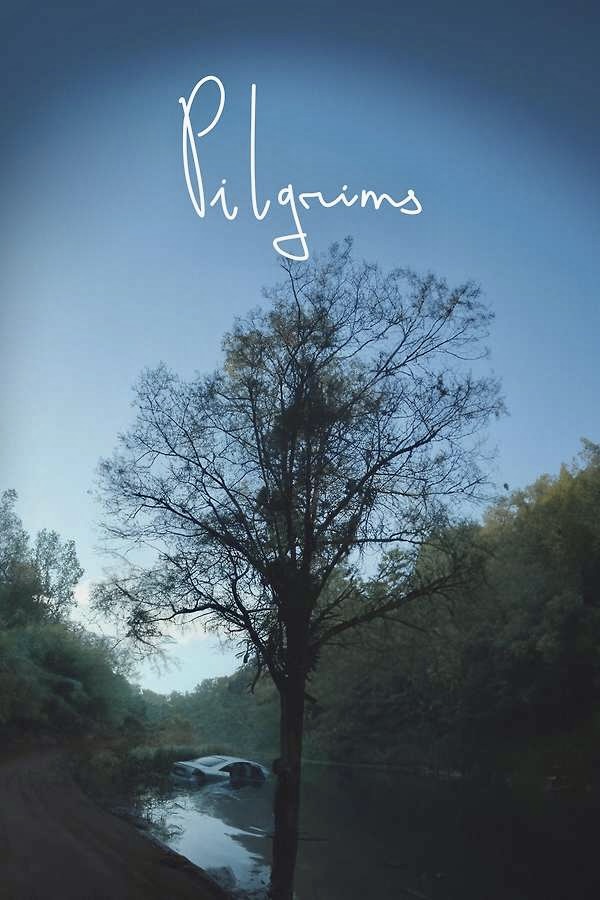
Have you seen any good Lithuanian films lately? I have to admit that I know nothing about the cinema of Lithuania and not that much about the country which borders Latvia at the north, Belarus on the southeast and Russia and Poland to the southwest. I only know that Lithuania was an independent country for centuries until it was occupied by the Soviet Union from 1944 to 1990, the year its independence was restored. The country does have a rapidly growing film industry and studios like HBO and Netflix have utilized the region for film locations as in the 4th season of Stranger Things and the 2019 mini-series Chernobyl. But the only Lithuanian filmmakers I can name are Jonas and Adolfas Mekas, brothers who immigrated to the U.S. in 1949 and became major figures in New York’s experimental film scene along with fellow peers like Ken Jacobs, Hollis Frampton, Jack Smith and Andy Warhol. Piligrimal (English title: Pilgrims, 2021) is the first Lithuanian movie I can recall seeing but it presents a refreshing and rarely used approach to the storytelling process that requires the viewer to play detective as the story begins four years after a terrible crime has been committed and details about the case emerge slowly in bits and pieces.

Continue reading