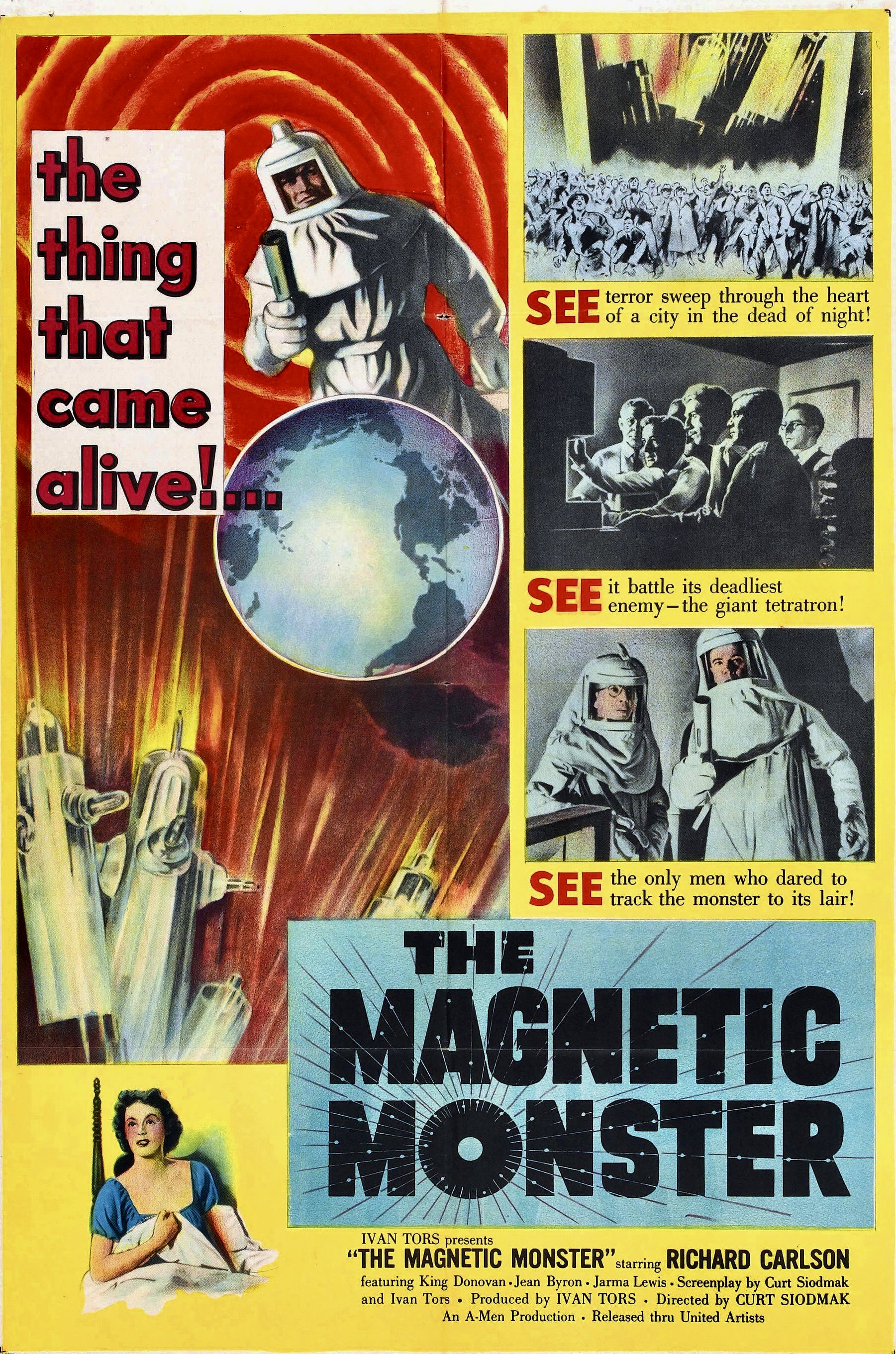
Not all of the rampaging monsters of the sci-fi thrillers and horror films of the fifties A-bomb era were mutant insects, oversized lizards or gigantic humans. Some were uniquely original and a credit to their creators such as The Monolith Monsters (1957) – growing towers of meteor crystals that absorbed moisture from humans – and the square-shaped robot with cylindrical legs known as Kronos (1957), a giant alien robot that smashed everything in its path. The Magnetic Monster (1953) belongs in this latter group and is an intriguing and intelligent sci-fi thriller, despite its limited budget, modest production values and the occasional serious scene that plays better as comedy.
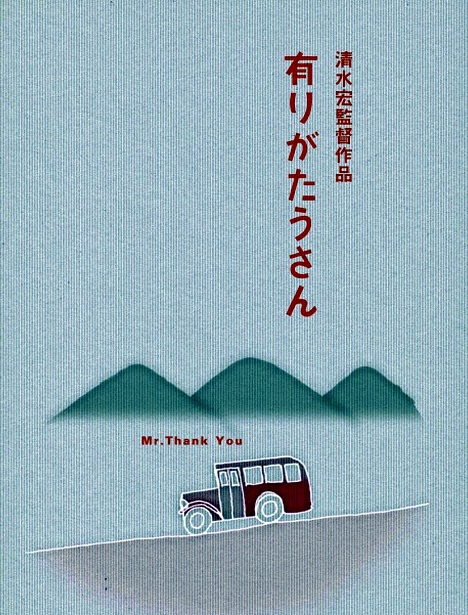
Virtually unknown in the U.S. until recent years and largely neglected in his own country, director Hiroshi Shimizu was a unique figure in Japanese cinema for his insistence on shooting his movies in the open air in real locations and for often working without a script, improvising scenes and dialogue during production. Few directors, if any, were doing this during the silent and early sound era in Japan and unlike his more internationally famous peers like Akira Kurosawa,Yasujiro Ozu and Kenji Mizoguchi, Shimizu specialized in contemporary human stories about people living on the margins of society such as orphaned children or transient workers moving from place to place. Although he made more than 150 movies between 1923 and 1959, many of them have been lost but of the ones that survive, Arigato-san (English title, Mr. Thank You, 1936) is a great introduction to his work during the sound era.
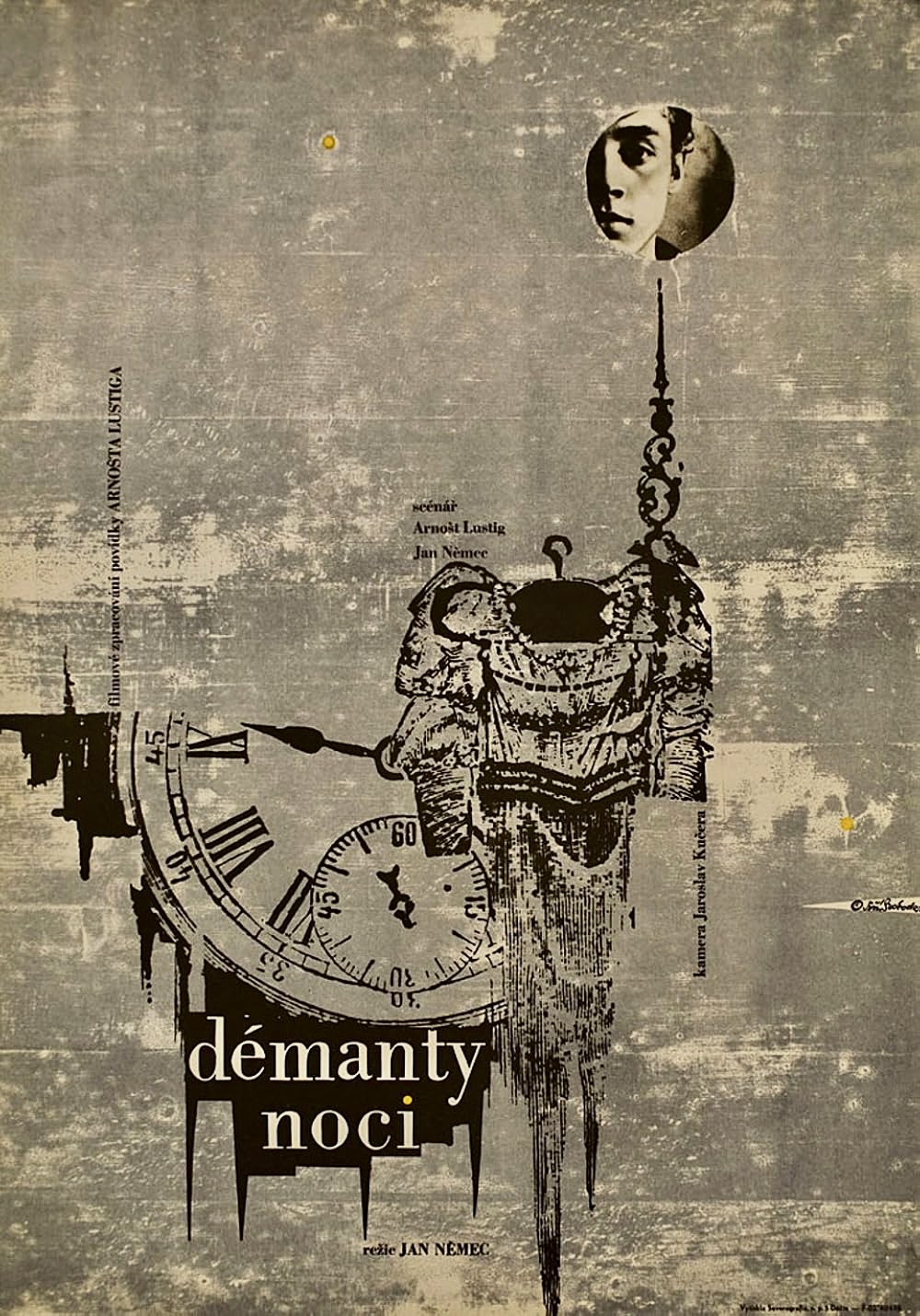
The Czech film poster for DIAMONDS OF THE NIGHT (1964), directed by Jan Nemec
In what must be one of the most astonishing opening scenes in a movie, two young men jump off a moving train and flee into the surrounding woodlands, racing up a ravine, over mud, rocks and uneven ground. And the cameramen follow them both in their lunging, zigzag movements from the front, side and behind as they race deeper into the darkness accompanied by sounds of their heavy breathing, gun shots, cries of “Halt!” and a steam engine train chugging slowly into the distance. The viewer is immediately pulled into a grim tale of survival and human endurance which alternates between stark realism and dreamlike imaginings. Flashbacks from the escapees’ past life also interrupt the narrative to create a haunting and ambiguous portrait of two men on the run during the Nazi occupation of Czechoslovakia during WW2. Demanty Noci (English title, Diamonds of the Night, 1964) was the feature film debut of Jan Nemec and it remains one of the defining masterpieces of Czech New Wave cinema in the 1960s.
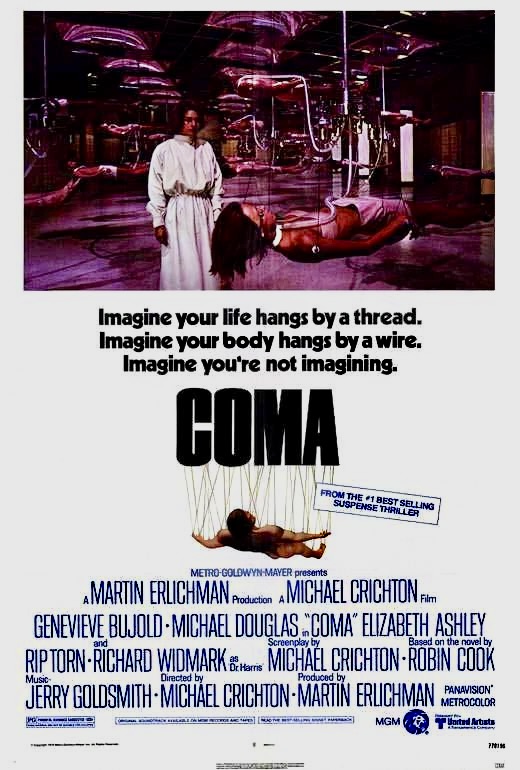
Something strange is happening at Boston Memorial Hospital. A surprising number of healthy patients, undergoing routine operations, are turning up as anesthesia-induced coma victims. When one of the brain-dead patients turns out to be the best friend of Dr. Susan Wheeler (Genevieve Bujold), the physician conducts her own investigation into the case, uncovering a sinister plot that implicates the hospital’s chief anesthesiologist (Richard Widmark) in a black market organ transplant operation. A clever hybrid combining the conspiracy thriller with a hospital soap opera, Coma (1978) plays like a contemporary Nancy Drew mystery with a distinctly feminist heroine, one who isn’t afraid to challenge the male chain of command at her job or risk her life in physically perilous situations (like a daring escape on the top of a speeding ambulance!). The film is also guaranteed to make you paranoid about hospitals and who isn’t already?
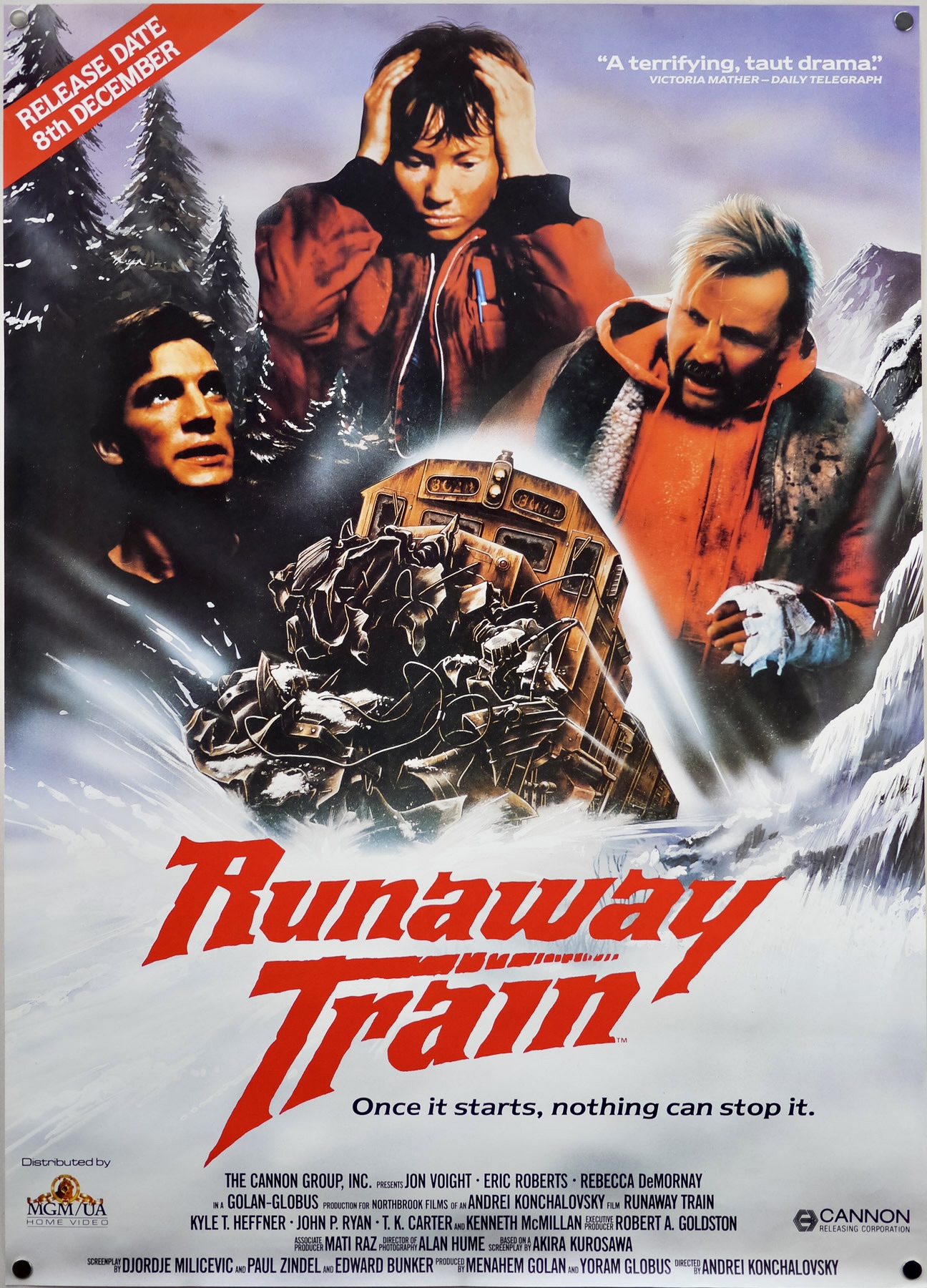
There was a brief time in the 1980s when the international production/distribution company Globus-Golan, managed by Israeli mogul Yoram Globus and his cousin Menachem Golan, garnered and generated more press coverage than box office receipts or critical acclaim for their movies. Their legendary deal-making and oversized egos were part of the film industry’s fascination with the Globus-Golan partnership and the duo had a good run from 1978 through 1988, which were the prime years for their company. Most of their major successes were star-driven action vehicles like Charles Bronson in Death Wish II (1982) and its sequels, The Delta Force (1984) starring Chuck Norris) and Sylvester Stallone as a Los Angeles cop in Cobra (1986). They also had some surprise hits in music/dance and teen sexploitation categories like Breakin’ (1984) and The Last American Virgin (1982). Globus-Golan even tried to crack the arthouse market with smaller indie productions like That Championship Season (1982), Fool for Love (1985), Barfly (1987), and the Jean-Luc Godard directed King Lear (1987) with Woody Allen, Norman Mailer and Molly Ringwald but only a few were successful like Runaway Train (1985), directed by Andrei Konchalovsky. Utilizing tropes from prison breakout flicks and man-made disaster films, Runaway Train was a weird hybrid that worked as a straight-ahead action adventure but also as a psychological character study unfolding in an extreme setting – the icy tundra of the Alaskan wilderness.
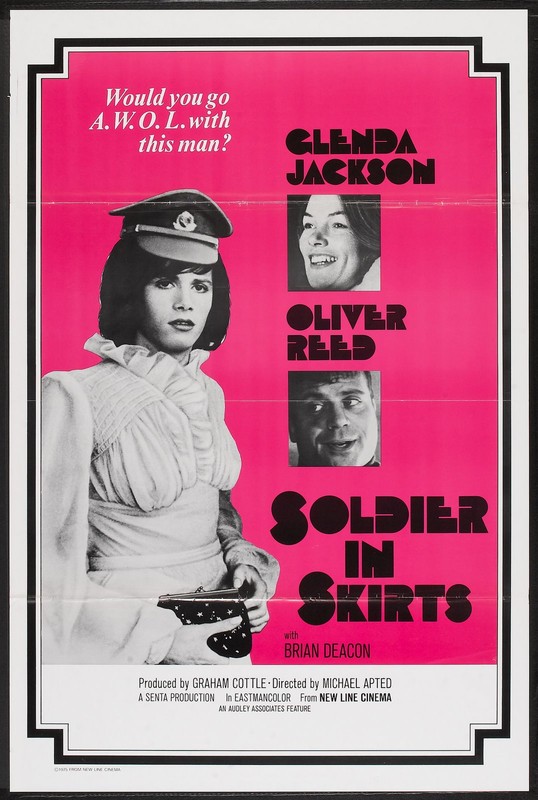
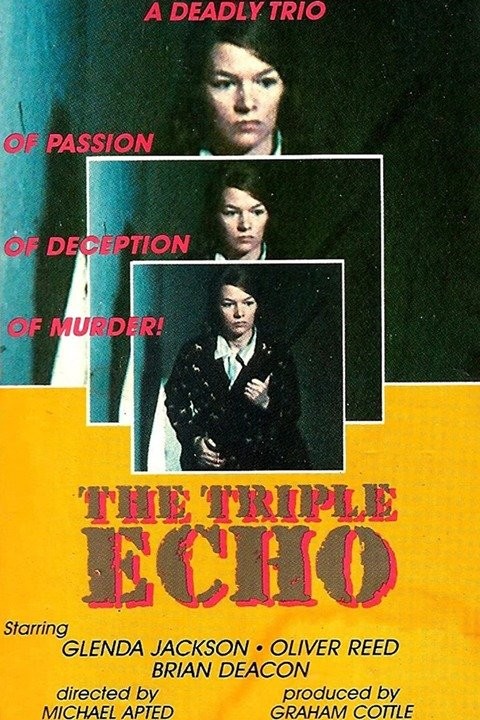
In the spring of 1943 on a rural farm in Wiltshire, England, Alice Charlesworth (Glenda Jackson) encounters a trespasser on her farm land by the name of Barton (Brian Deacon). He turns out to be an army recruit who is stationed at a nearby military base and the two strike up a friendship that turns into something deeper. Barton proves to be quite adept at helping Alice with work chores as he was raised on a farm and his presence is a comfort to Alice (her husband is currently a prisoner-of-war in Japan). When Barton’s military leave ends, he opts to go AWOL and stay on with Alice but takes on a new identity with Alice’s encouragement. He disguises himself as the farmwife’s sister Jill and for a while they lead a blissful existence as lovers/companions until a sergeant (Oliver Reed) from the nearby army camp and his buddy Stan (Gavin Richards) pay them a surprise visit and become regular visitors to the house as potential romantic suitors.
The idea that an army deserter in wartime England would resort to such a strange masquerade to avoid military duty might seem like an outlandish premise for a movie but The Triple Echo aka Soldier in Skirts (1972) avoids what could have been an unintentional campy comedy and creates instead an oddly compelling and tragic human drama. The film, which was based on a novel by H.E. Bates (The Daring Buds of May), was mostly overlooked by critics in the U.K. and the U.S. during its initial release but it holds up remarkably well today and is significant as the first feature film from director Michael Apted.