*This archived article originally appeared on the Turner Classic Movies website in September 2021.
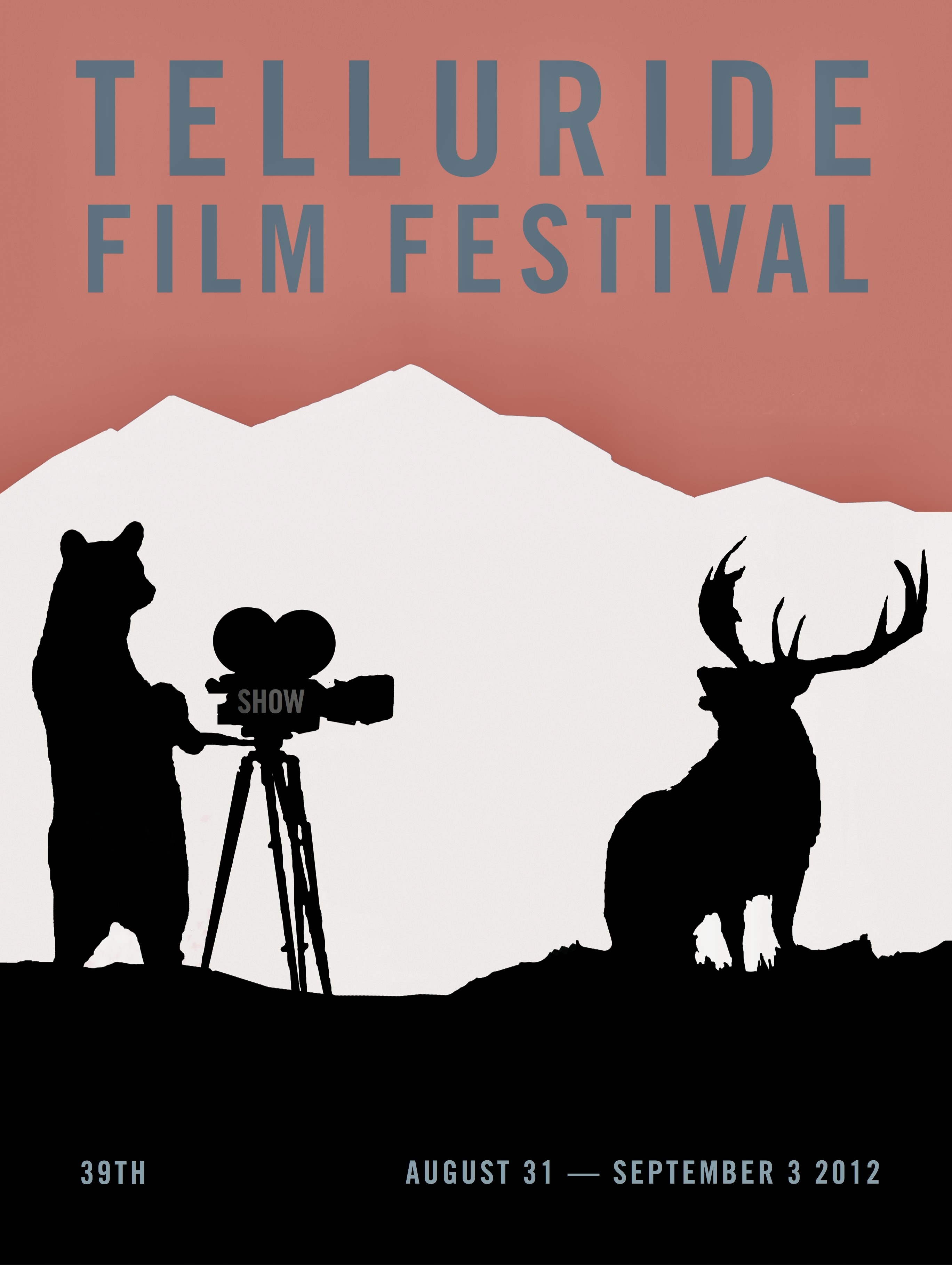
Tis the season for major film festivals and Telluride often exceeds those that follow – Toronto, New York, Chicago – by presenting the North American premieres of major works, a mixture of Cannes award winners receiving their American debut, lesser known surprises (some without distributors yet) and wonderful retrospectives from silent films with live music accompaniment to overlooked treasures like Agnes Varda’s La Pointe Courte (1956), Ermanno Olmi’s Il Posto (1961) and Paul Fejos’ Lonesome, (1928). Unlike the other film festivals, however, Telluride enjoys a long held tradition of withholding its slate of films until the day before the event begins and attendees are rarely disappointed; in fact, most patrons feel rewarded for making the annual trek deep into the Rockies. The big event premieres of the 2012 event included such heavy hitters as Christian Petzold’s Barbara, Michael Haneke’s Amour and The Attack, Ziad Doueiri’s controversial drama about a suicide bombing in Tel Aviv. Yet, it was the unexpected additions of such films as the French documentary Journal de France, Michael Winterbottom’s Everyday, I Knew Her Well (1965) from Italian director Antonio Pietrangeli, and a revival of Something Wild (1961) that made it such an unforgettable year.
Continue reading