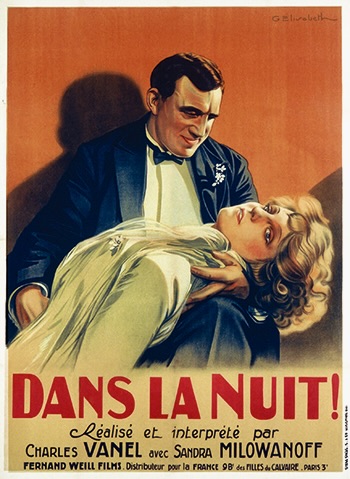
Most film buffs and Francophiles are familiar with Charles Vanel, the iconic French actor whose career spanned eight decades, beginning in the silent era and ending in 1988 (He died in 1989 at age 96). He appeared in more than 150 movies and some of his early successes include 1929’s Waterloo (as Napoleon), Raymond Bernard’s WW1 epic Wooden Crosses (1932) and the 1934 film adaptation of Les Miserables. He also worked often with French director Henri-Georges Clouzot which resulted in two of his most famous roles – the tough truck driver of The Wages of Fear (1953) and the inspector in Diabolique (1955). Italian director Francesco Rosi was another major filmmaker who employed Vanel for two of his late career triumphs – Illustrious Corpses (1976) and Three Brothers (1981), which garnered Vanel the David di Donatello Award for Best Supporting Actor (Italy’s version of the Oscar). What you probably don’t know is that Vanel had aspirations to become a director when he was 38 years old and he actually wrote, directed and starred in Dans la nuit (1930), which has recently been restored after missing in action ever since its original premiere. Its rediscovery shows Vanel employing cinematic devices and ideas way ahead of his time, some of which would surface thirty years later during the Nouvelle Vague movement.
Continue readingMonthly Archives: November 2026
Camping Isn’t for Everyone
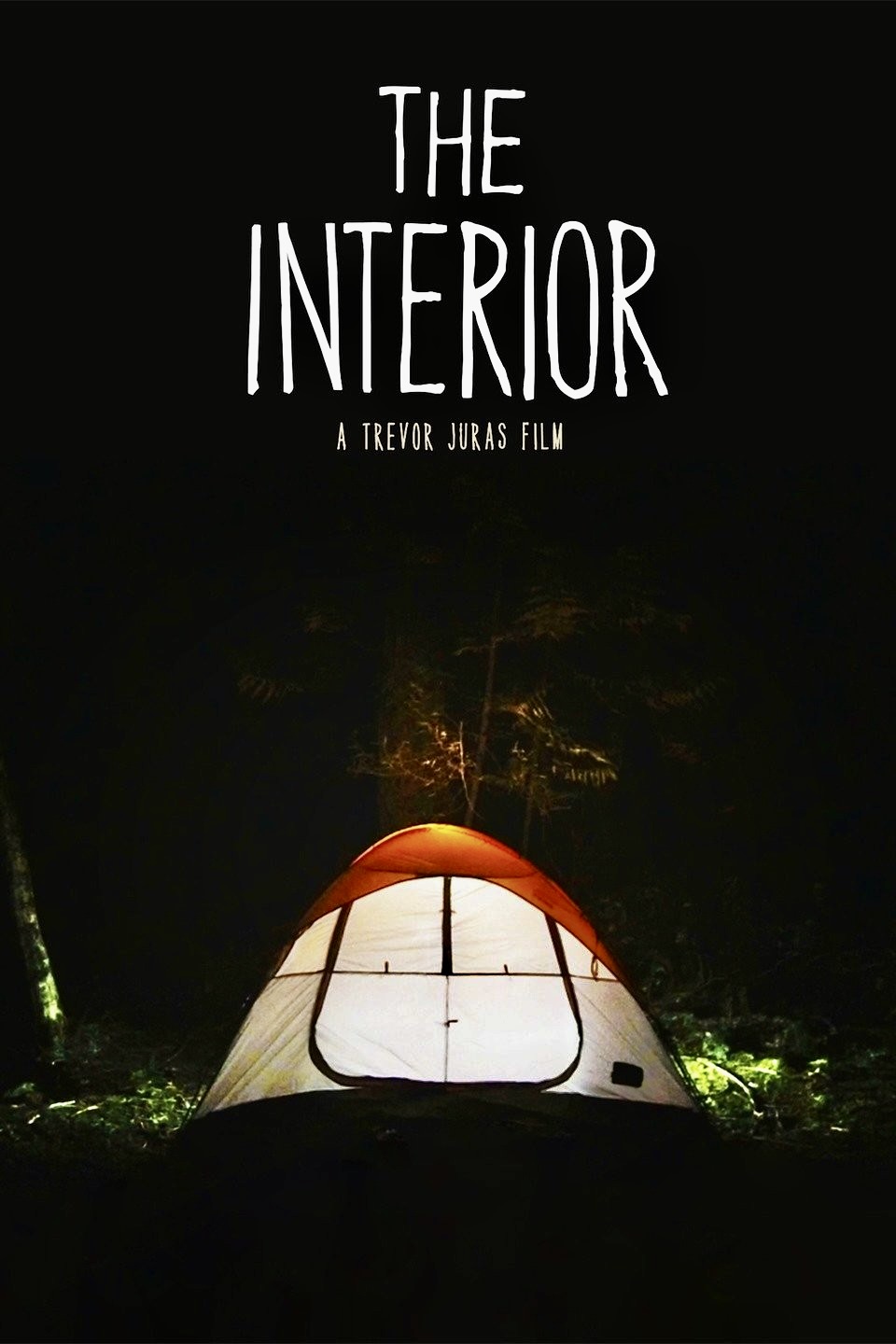
James is a disgruntled employee who has become fed up with his job at a corporate marketing firm and feels stuck in his career path. The job also might be affecting his health as he occasionally experiences double vision and a tingling sensation in his fingers. In frustration, James provokes his boss into firing him and then accepts a blue collar job as an air duct cleaner. The new gig is short lived, however, because he gets some disturbing news from his doctor about his recent CT scan. Needing some time to process this information and decide on next steps, he says goodbye to his girlfriend and life in the city and journeys deep into the wilderness for an extended length of time. So begins The Interior (2015), the feature film debut from Canadian writer-director Trevor Juras.
Continue readingIs There a Doctor in the House?

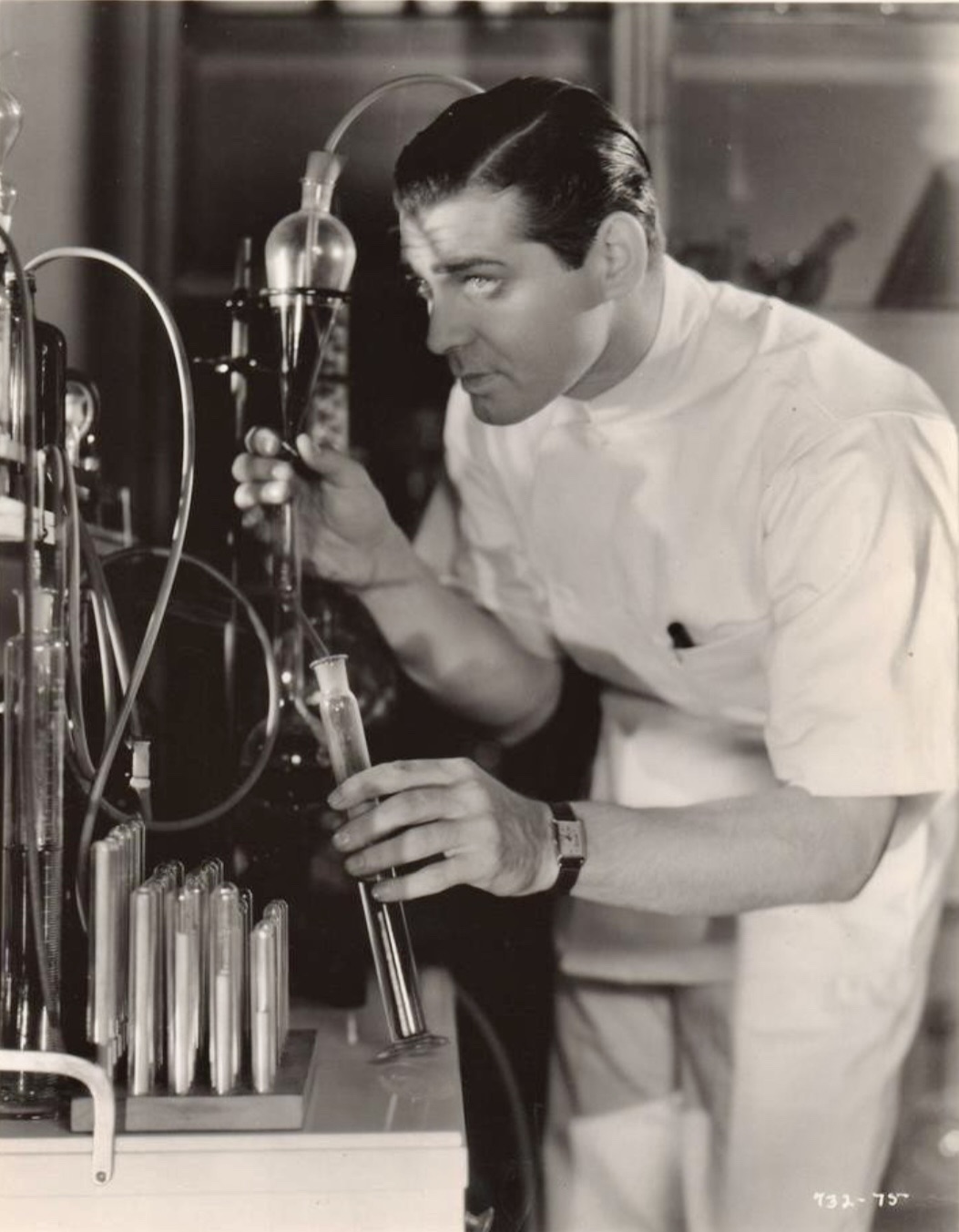
Long before television became the premiere destination for that subgenre known as the hospital drama, stories about the medical profession were an almost guaranteed audience draw for movie studios. You can actually blame MGM for starting the whole fad with Men in White, directed by Richard Boleslawski in 1934. A forerunner and prototype of such popular TV series as Marcus Welby, M.D., Medical Center and E.R., the movie depicts the moral dilemma facing Dr. George Ferguson (Clark Gable), an ambitious but idealistic physician whose society fiancee (Myrna Loy) feels he is devoting more time to his profession than their relationship. After one of their quarrels, he turns for sympathy to his student nurse Barbara (Elizabeth Allan), a situation that leads to an unexpected pregnancy and life-threatening medical complications.
Continue readingAlison Maclean’s Crush
When film buffs talk about their favorite female directors from New Zealand, Jane Campion (The Power of the Dog [2021], The Piano [1993]) is usually the first to be mentioned but there are plenty of other worthy contenders. Niki Caro (Whale Rider, 2002), Gaylene Preston (Perfect Strangers, 2003) and Merata Mita (Boy, 2010) also have impressive filmographies worth exploring and Alison Maclean is a particular favorite who should be better known. She first attracted attention for her nightmarish film short Kitchen Sink (1989) and followed it with Crush, her 1992 feature film debut. Jesus’ Son (1999), based on a collection of short stories by Denis Johnson and starring Billy Crudup as a heroin addict, was critically acclaimed and an art house success but Maclean still remains relatively unknown outside her own country despite directing TV episodes of Sex and the City (1998), The L Word (2005), The Tudors (2007), Gossip Girl (2009) and more recent work such as The Rehearsal (2016), a drama about a prestigious acting school. Yet I’m still surprised that her first feature Crush didn’t attract more attention at the time since it was such an emotionally complex and riveting psychological drama.
Continue readingThe Rolidei Caravan on Tour in Amazonia
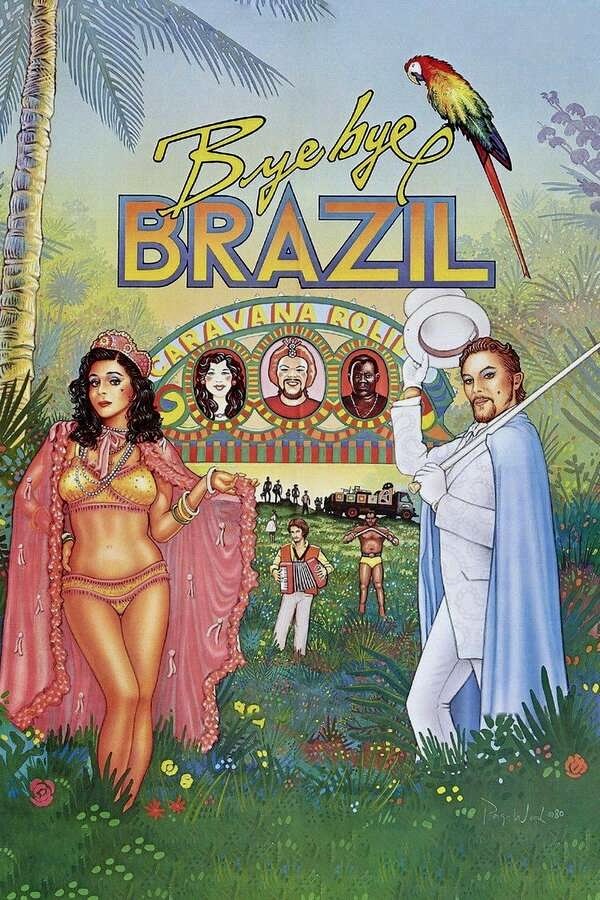
I remember the first time I became aware of Brazilian director Carlos Diegues (1940-2025). It was at the 8th Telluride Film Festival in the Fall of 1981 where he was the focus of a special tribute (the other two were Yugoslavian director Dusan Makavejev and Hollywood character actors featuring Margaret Hamilton, Woody Strode, John Carradine and Elisha Cook Jr.). A mini-retrospective of Diegues’s films were shown with the director in attendance and included Ganga Zumba (1963), A Grande Cidade aka The Big City (1966) and Xica de Silva (1976), an exuberant social comedy about a 18th century black slave who achieves her liberation through political and sexual means. Xica de Silva was the only Diegues movie I saw at the festival but its colorful art direction, playful mix of history and fiction and a music score by Jorge Ben and Roberto Menescal made a strong impression. It was only later in 1981 that I saw Bye Bye Brazil (1980), Diegues’s art house breakthrough hit, and realized what an important figure he was in Brazilian cinema. Prior to this, the only movie from Brazil I had seen was Black Orpheus (1959) and that was an international co-production between France, Brazil and Italy.
Continue reading