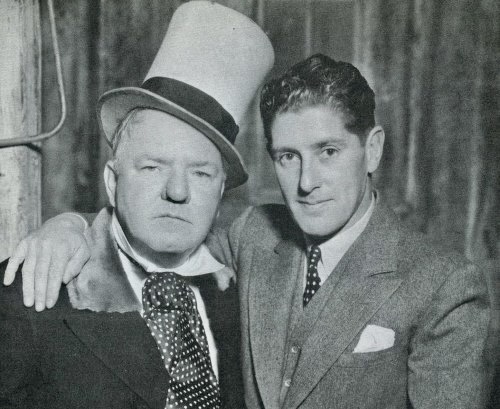
A. Edward Sutherland was a highly skilled and reliable director from the Hollywood studio system era who is best known today for his light comedies and musicals, especially the ones he made with W.C. Fields such as It’s the Old Army Game (1926), Tillie’s Punctured Romance (1928), International House (1933), Mississippi (1935) and Poppy (1936). In fact, he was one of the few directors that got along well with the notoriously difficult comedian on film shoots and the two were also close friends off the movie set. Sutherland, who got his start in the film industry in 1914 as a stuntman and actor, even served as assistant director on Charlie Chaplin’s A Woman of Paris (1923) and made the transition to directing in 1925. What isn’t as well known is the fact that Sutherland made two Pre-Code thrillers in the early thirties that are often overlooked in his filmography.
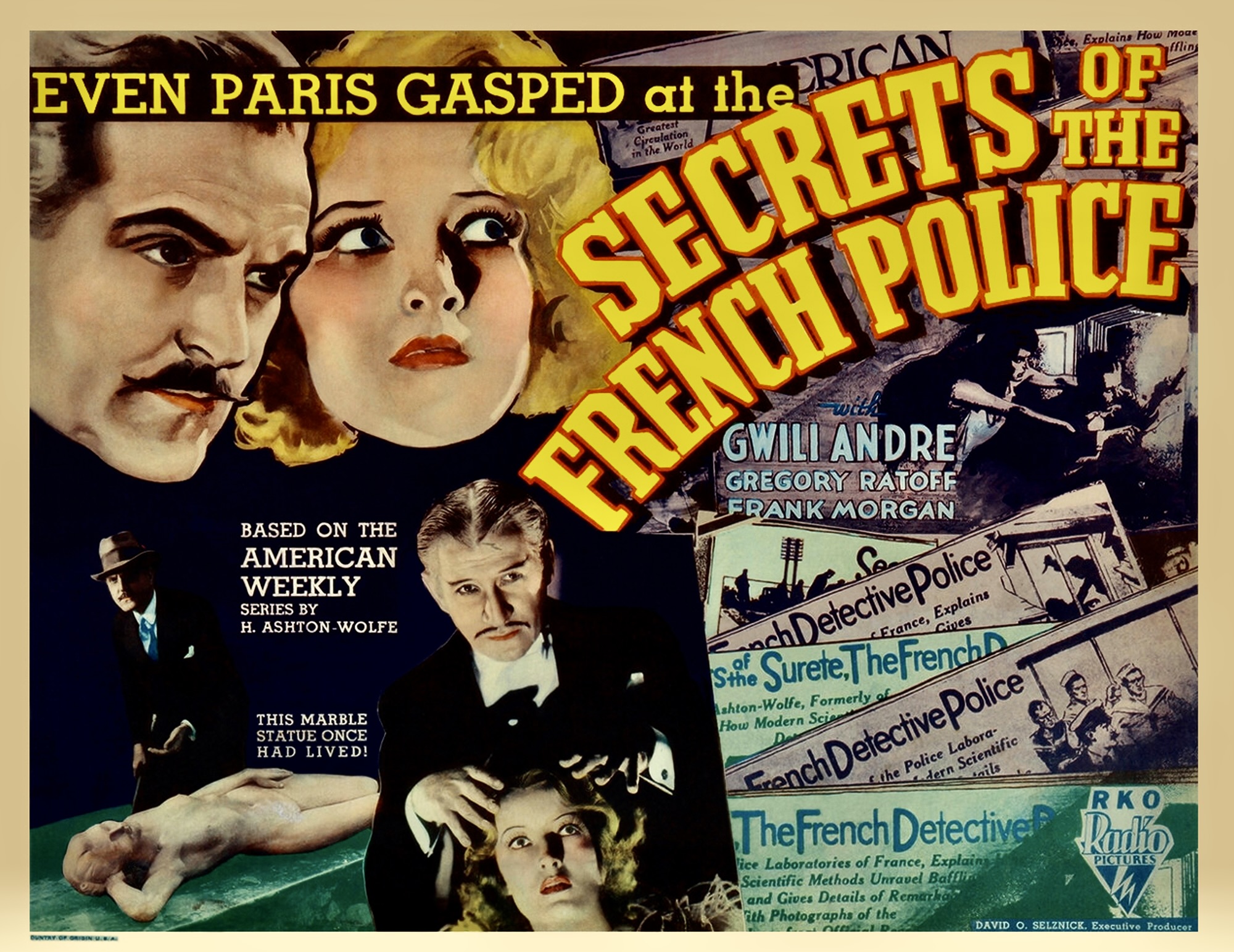
Secrets of the French Police (1932) is a deliriously entertaining B-movie programmer that clocks in at a brisk 58-running time and manages to blend Grand Guignol horror with a plot to pass off a flower vendor as the missing Princess Anastasia, the daughter of Tsar Nicholas II of Russia. Murders in the Zoo (1933) is an unusually sadistic yarn in which a crazed millionaire (Lionel Atwill) uses wild animals in his zoo to murder his enemies. While Murders in the Zoo deserves an in-depth article on its own, I am devoting this post to the overlooked Secrets of the French Police, which was executive produced by David O. Selznick for RKO Studios (the mogul would leave RKO for MGM in 1933, where he would produce movies for his father-in-law Louis B. Meyer).
Continue reading