Diamond Hunting in Siberia

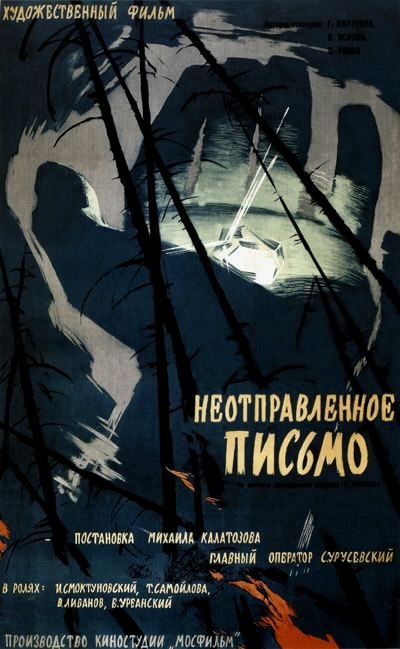
A Russian film poster for the 1960 adventure epic LETTER NEVER SENT.

If international film aficionados are familiar with Russian director Mikhail Kalatozov at all, it is probably due to his 1957 Oscar-winning Best Foreign Film Letyat Zhuravli [English title: The Cranes Are Flying]. But he has also secured a place for himself in cinema history for his 1930 documentary Jim Shvante (Marili Svanets) [English title: Salt for Svanetia] and the visually dazzling, anti-American propaganda epic, presented in four vignettes, as I Am Cuba (1964). Often overlooked or ignored is Neotpravlennoye Pismo [English title: Letter Never Sent, 1960], which was criticized by some Russian critics as unnecessarily arty and underdeveloped in terms of its characters. Yet, seen today, the film works as a stirring, lyrical portrait of man vs. nature where the innovative black and white cinematography of Sergei Urusevsky overwhelms any agitprop messaging. Instead, the viewer is transported to a wild landscape where four explorers fight for their survival against the four unpredictable elements of nature – wind, water, fire and earth.

Continue reading →
Female Wrestlers, Open Heart Surgery and a Homicidal Gorilla Man

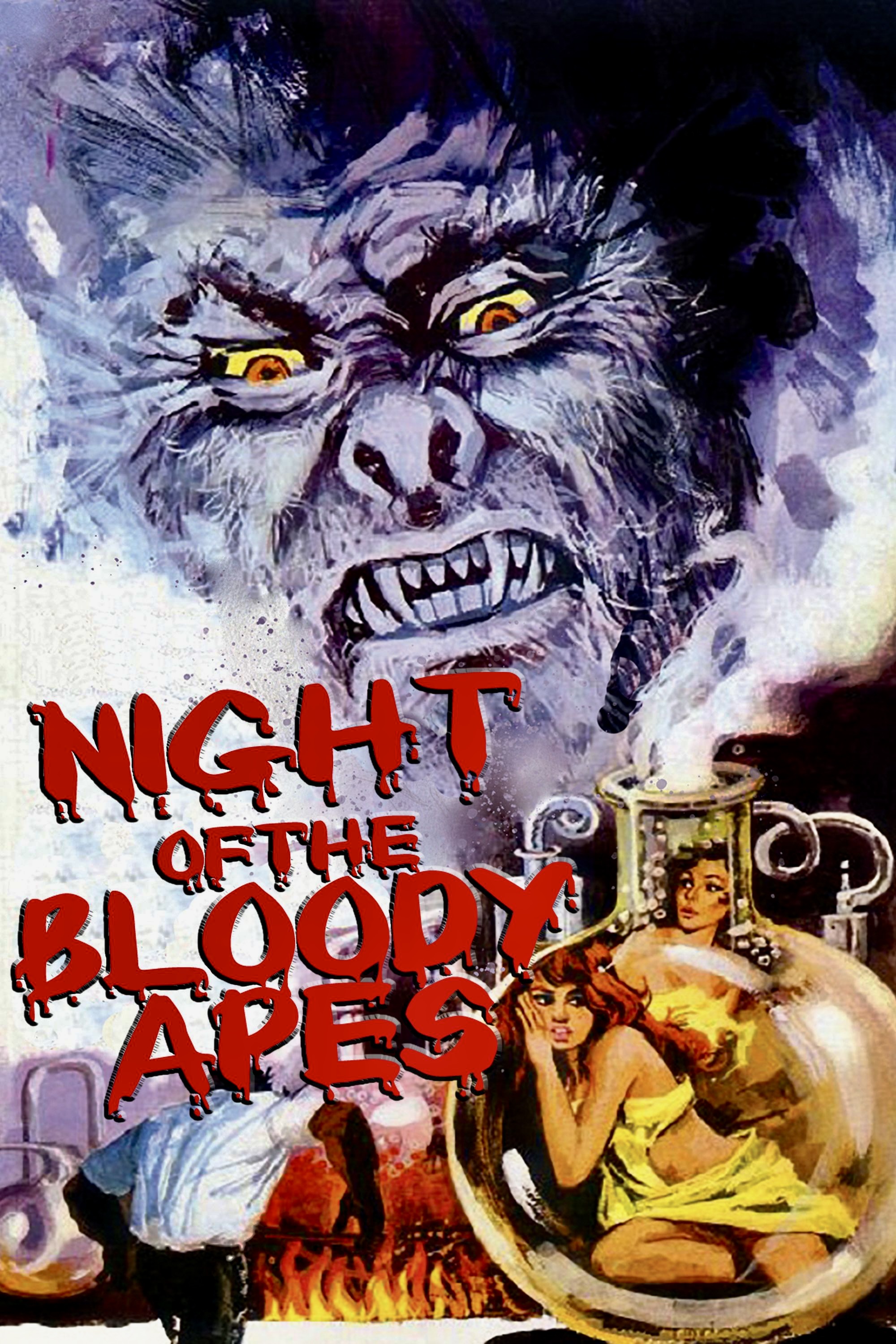
In the grand tradition of Samson vs. the Vampire Women (1962), Blue Demon vs. the Infernal Brain (1967) or any of the countless Mexican horror adventures featuring the masked wrestler Santo, Night of the Bloody Apes (1972) takes a popular mini-genre in Mexican cinema and updates it for seventies audiences, liberally adding large helpings of violence, sex and female nudity. If nothing else the film shows just how far things have progressed since the more innocent black and white Santo features of the early sixties. Sure, the standard stock ingredients are still here – lots of wrestling interspersed with mad scientist/monster-on-the-rampage shtick but there’s also something new – gross-out gore effects rendered in garish color (the original film was released in Mexico in 1969 but the 1972 U.S. version included newly shot insert footage of sex, nudity and bloody violence).

Continue reading →

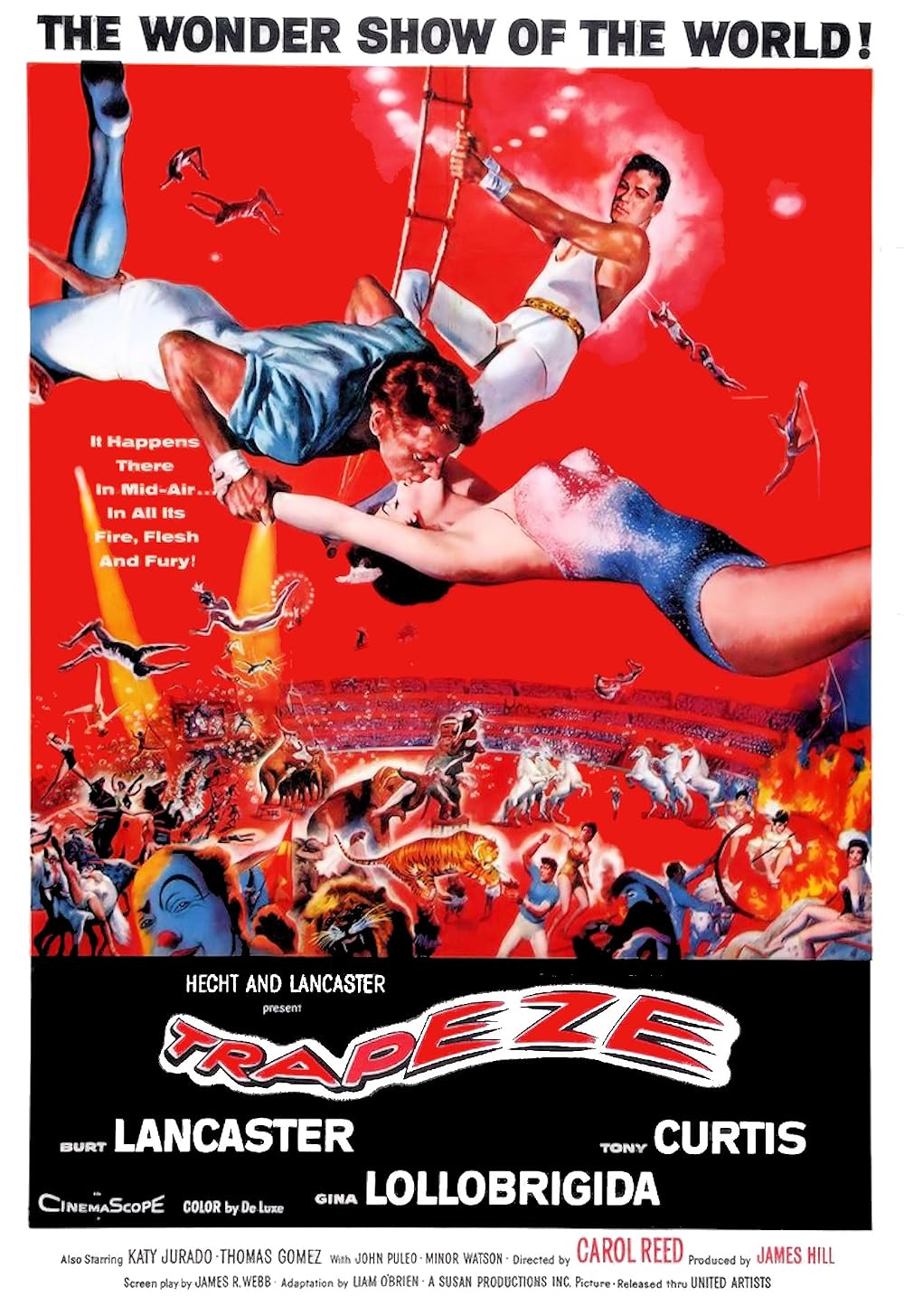
Defying Gravity

The days when famous large scale traveling circuses like the Ringling Brothers and Barnum & Bailey toured the country are long past but they live on in the movies. Among the many films in that specific genre are Cecil B. DeMille’s The Greatest Show on Earth (1952), Polly of the Circus (1932), Carnival Story (1954), The Big Circus (1959), The Flying Fontaines (1959), Circus World (1964) and the Canfinflas comedy El Circo (1943) from Mexico. One of my favorites though is Trapeze (1956), which came from an unlikely director, Carol Reed, who had previously directed such acclaimed features as Odd Man Out (1947) and The Third Man (1949).

Continue reading →

Cemetery Creepers

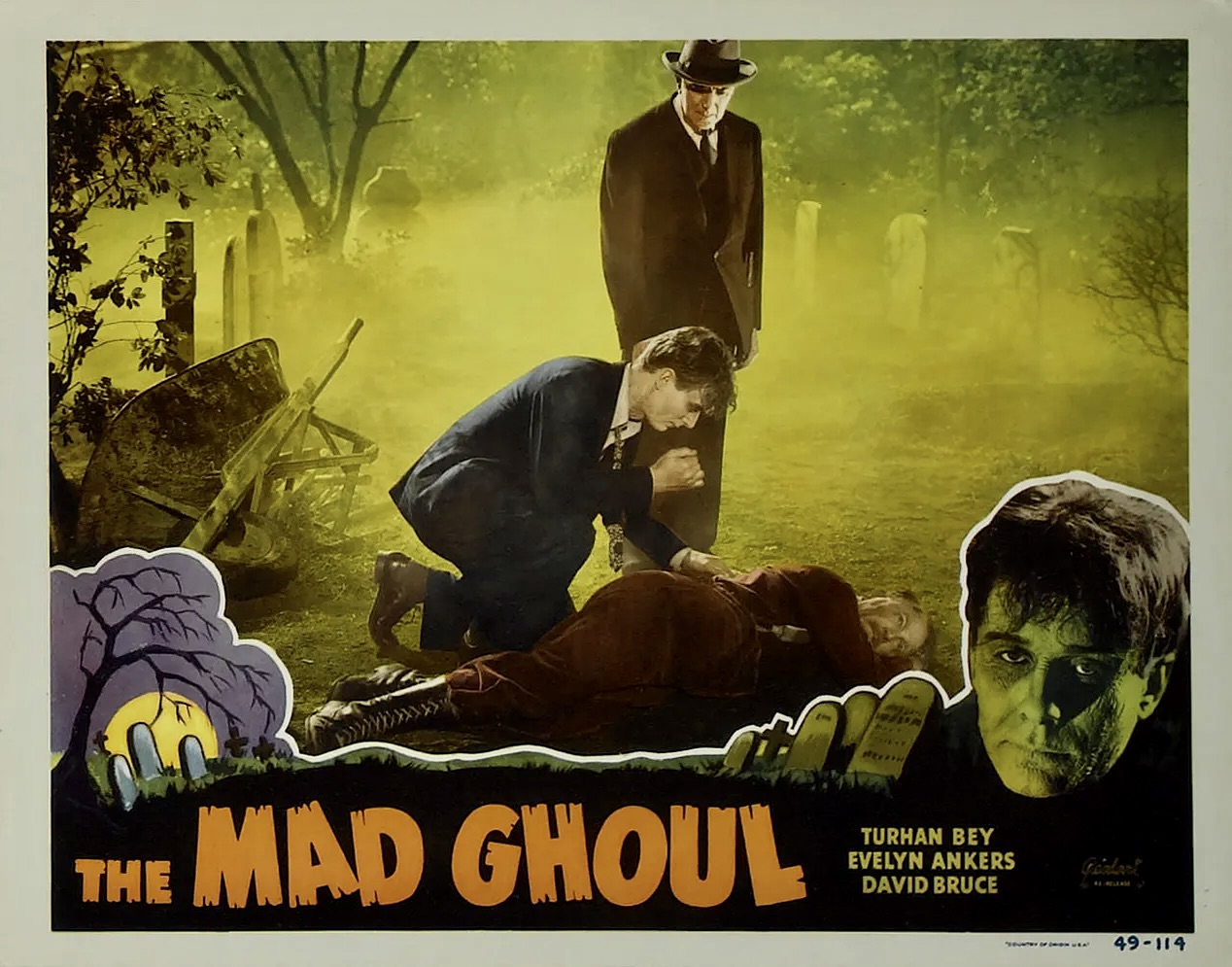
Grave-robbing, desecration of the dead, sacrificial blood rites, inhuman experiments and murder are just a few of the grisly ingredients of The Mad Ghoul (1943), which despite its lurid title is not a poverty row quickie but a polished and unusually classy B-movie from Universal’s low budget unit.

Continue reading →

A Simple, Ordinary Domestic Failure

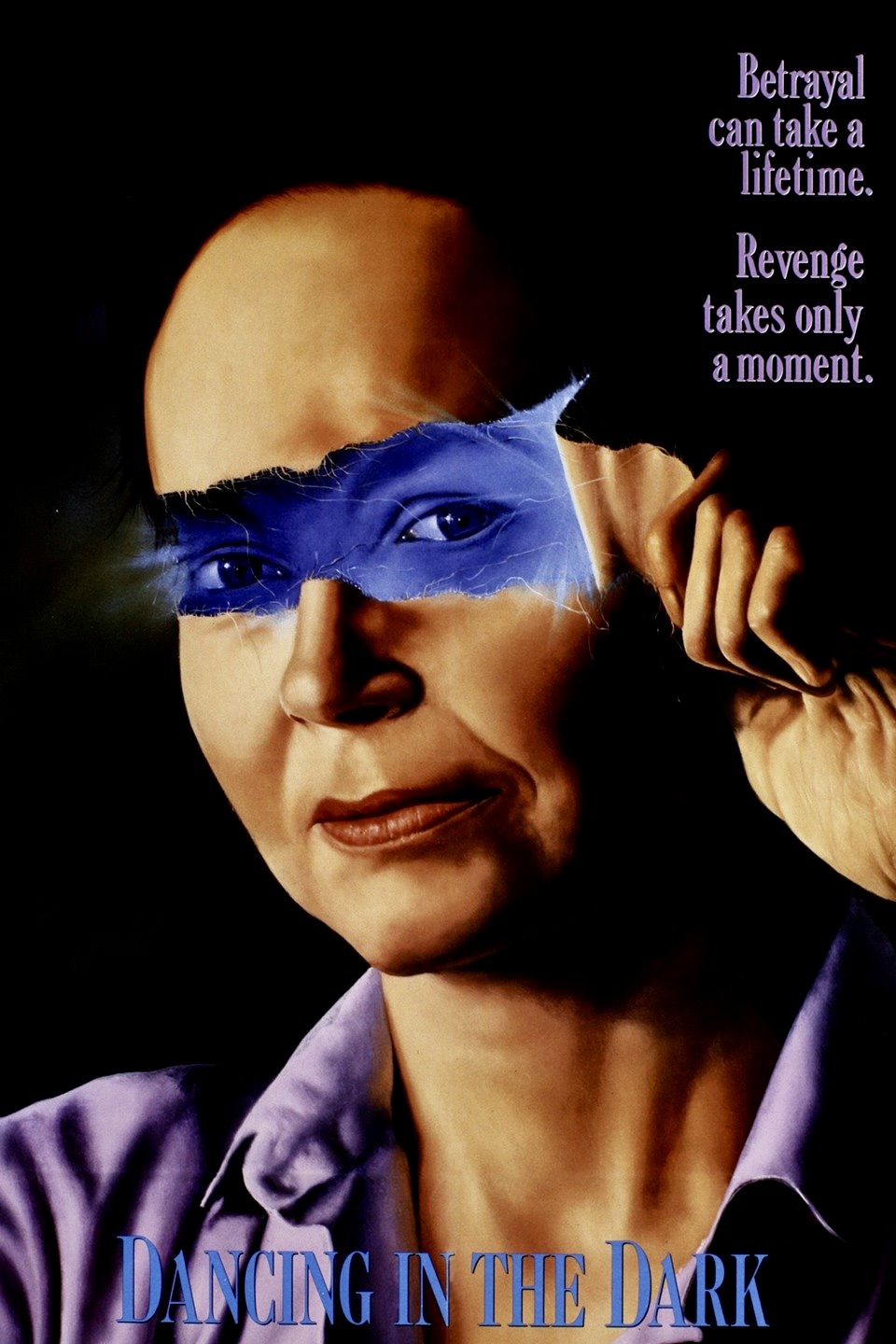
Edna has been married to Harry for 20 years and has devoted all of her time and energy to their marriage and home. Nobody asked her to do this but she willingly sacrificed her own interests and desires in order to achieve her vision of marital bliss. Every day when Harry goes to the office, Edna immerses herself in the rituals of being the perfect housewife…or her obsessive version of that. Dusting the furniture, washing the clothes, cooking gourmet meals, scrubbing the floors or cleaning window panes, Edna is too busy to ever socialize with friends or pursue any hobbies of her own but doesn’t seem to mind. Then cracks begin to appear in Edna’s perfectly ordered universe. Harry begins working late at the office more often and then a phone call from a friend informs her that Harry is having an affair with his secretary. What could be more predictable or cliched? Yet, Dancing in the Dark (1986), the film adaptation of Joan Barfoot’s acclaimed novel, isn’t a soap opera melodrama about a marriage destroyed by an affair. Instead, this is a chilling psychological portrait of a woman who has allowed her delusions about marriage and domestic bliss to turn her into a victim of her own making. Edna even admits in the opening moments of the film that her story is nothing more than a “simple, ordinary domestic failure.”

Continue reading →