
*This archived article originally appeared on the Turner Classic Movies website in September 2021.
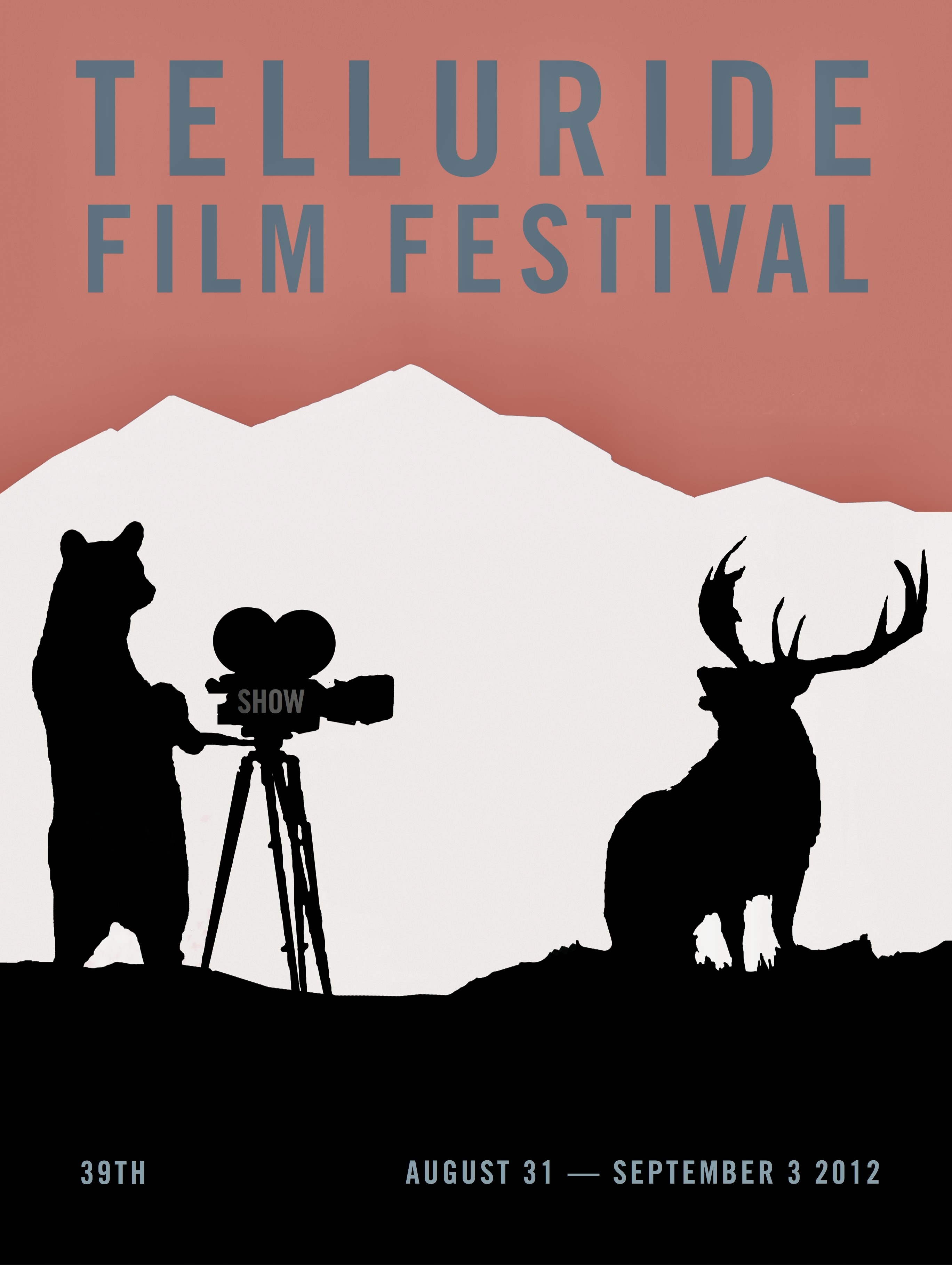
Tis the season for major film festivals and Telluride often exceeds those that follow – Toronto, New York, Chicago – by presenting the North American premieres of major works, a mixture of Cannes award winners receiving their American debut, lesser known surprises (some without distributors yet) and wonderful retrospectives from silent films with live music accompaniment to overlooked treasures like Agnes Varda’s La Pointe Courte (1956), Ermanno Olmi’s Il Posto (1961) and Paul Fejos’ Lonesome, (1928). Unlike the other film festivals, however, Telluride enjoys a long held tradition of withholding its slate of films until the day before the event begins and attendees are rarely disappointed; in fact, most patrons feel rewarded for making the annual trek deep into the Rockies. The big event premieres of the 2012 event included such heavy hitters as Christian Petzold’s Barbara, Michael Haneke’s Amour and The Attack, Ziad Doueiri’s controversial drama about a suicide bombing in Tel Aviv. Yet, it was the unexpected additions of such films as the French documentary Journal de France, Michael Winterbottom’s Everyday, I Knew Her Well (1965) from Italian director Antonio Pietrangeli, and a revival of Something Wild (1961) that made it such an unforgettable year.
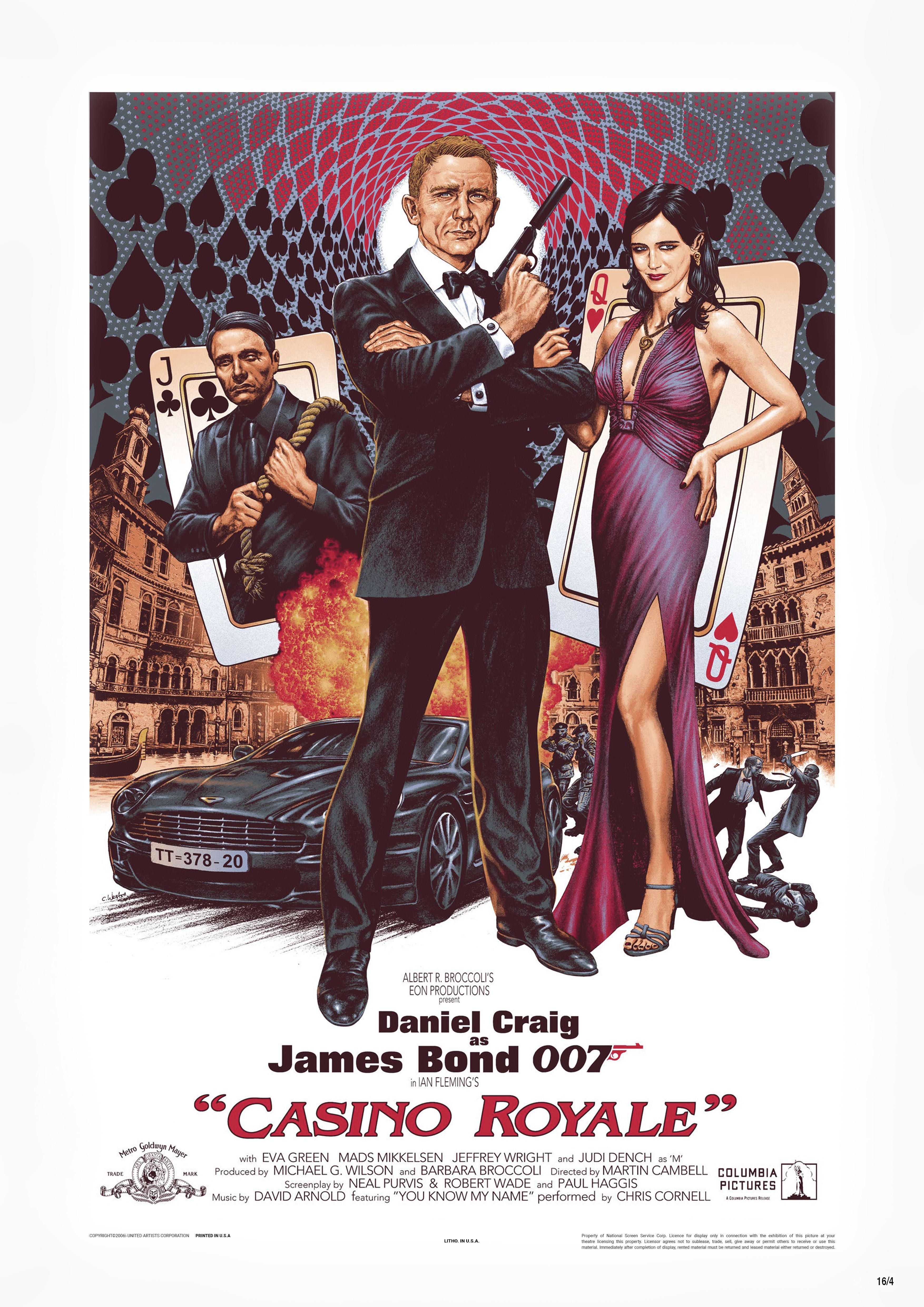
There are usually a few telltale signs in advance of what might be premiering at Telluride and the clues are almost always in the free screenings in the Abel Gance open air park that occur on Wednesday and Thursday nights (free to everyone) before the official festival begins. In 2012 the Wednesday night pick was Casino Royale, the 2006 James Bond adventure directed by Martin Campbell and starring Daniel Craig. But probably the cue to the connection between this movie and a festival guest lies in the cast that includes Judi Dench, Giancarlo Giannini, Jeffrey Wright, Isaach De Bankole, and Mads Mikkelsen as Le Chiffre (played by Orson Welles in the 1967 spy spoof with the same title but little relation to the Ian Fleming novel).
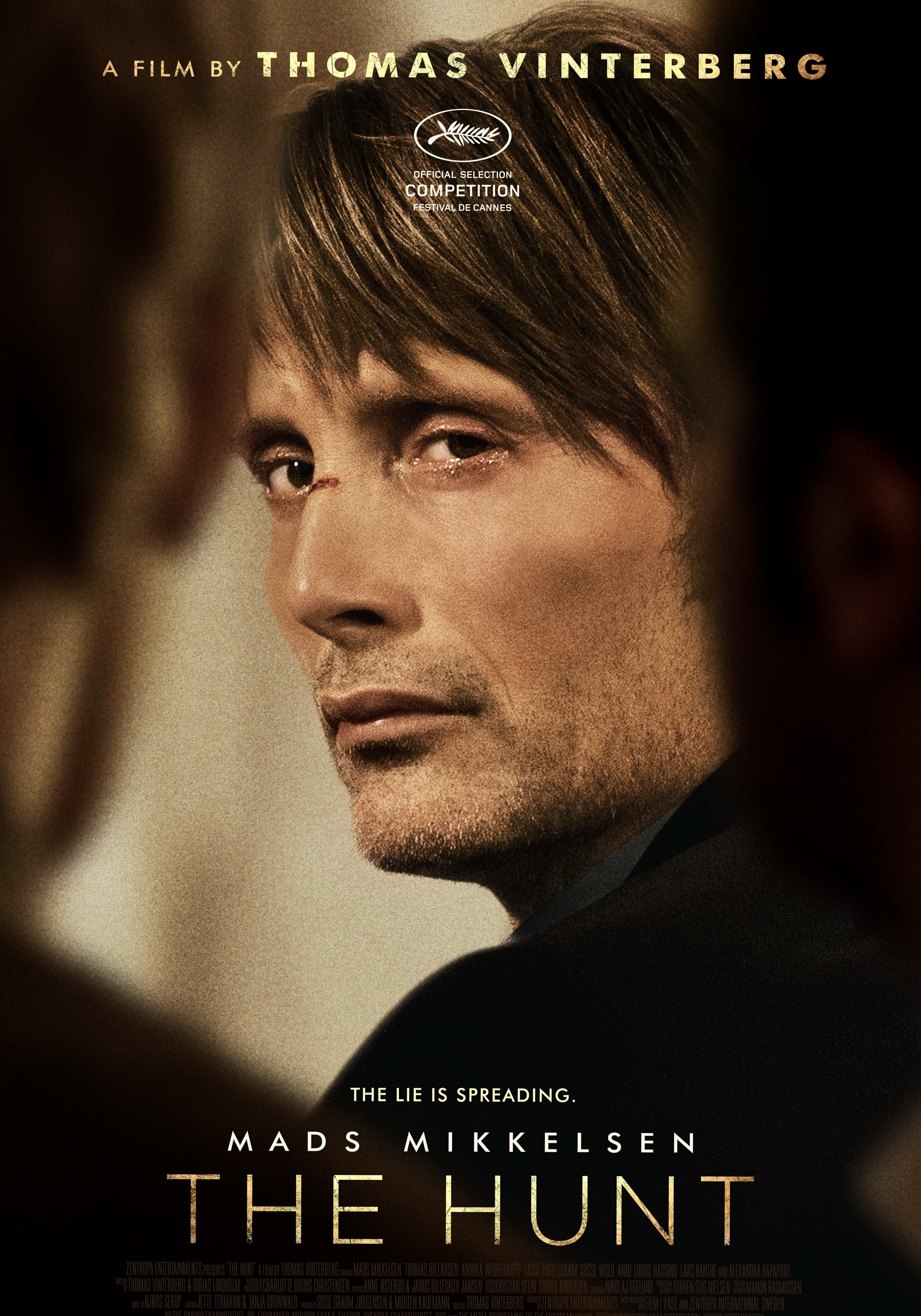
I guessed that Mikkelsen was the connection based on his recent Best Actor win at Cannes for The Hunt from Danish director Thomas Vinterberg (The Celebration) and a logical choice for Telluride…and so it was. The festival screened The Hunt as well as the historical drama A Royal Affair (2012) by Danish director Nikolaj Arcel.
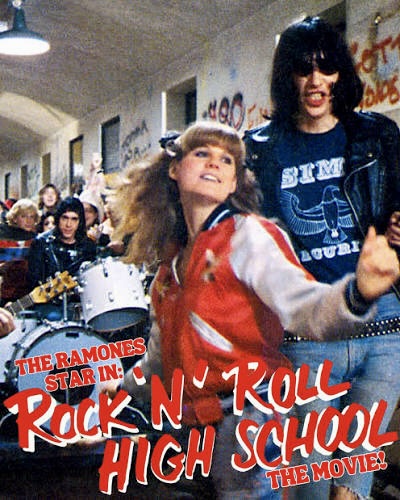
But the connection between the Thursday night screening of Rock ‘n’ Roll High School (1979) and the 2012 festival seemed harder to decipher. With Allan Arkush and an uncredited Joe Dante as directors and a cast that includes P.J. Soles, Vincent Van Patten, Clint Howard, cult actors Dick Miller and Mary Woronov and the late, great Ramones, no one stood out as a likely contender for a Telluride medallion or special tribute. Nor were any of these folks attached to a new movie that would be a likely Telluride premiere. Then again, it was possible that Roger Corman, the executive producer and distributor (New World Pictures) for the film could be the missing link. But is Corman too lowbrow for a Telluride tribute? No, as it turns out, and I couldn’t be more pleased to see him getting the love at the 2012 festival.
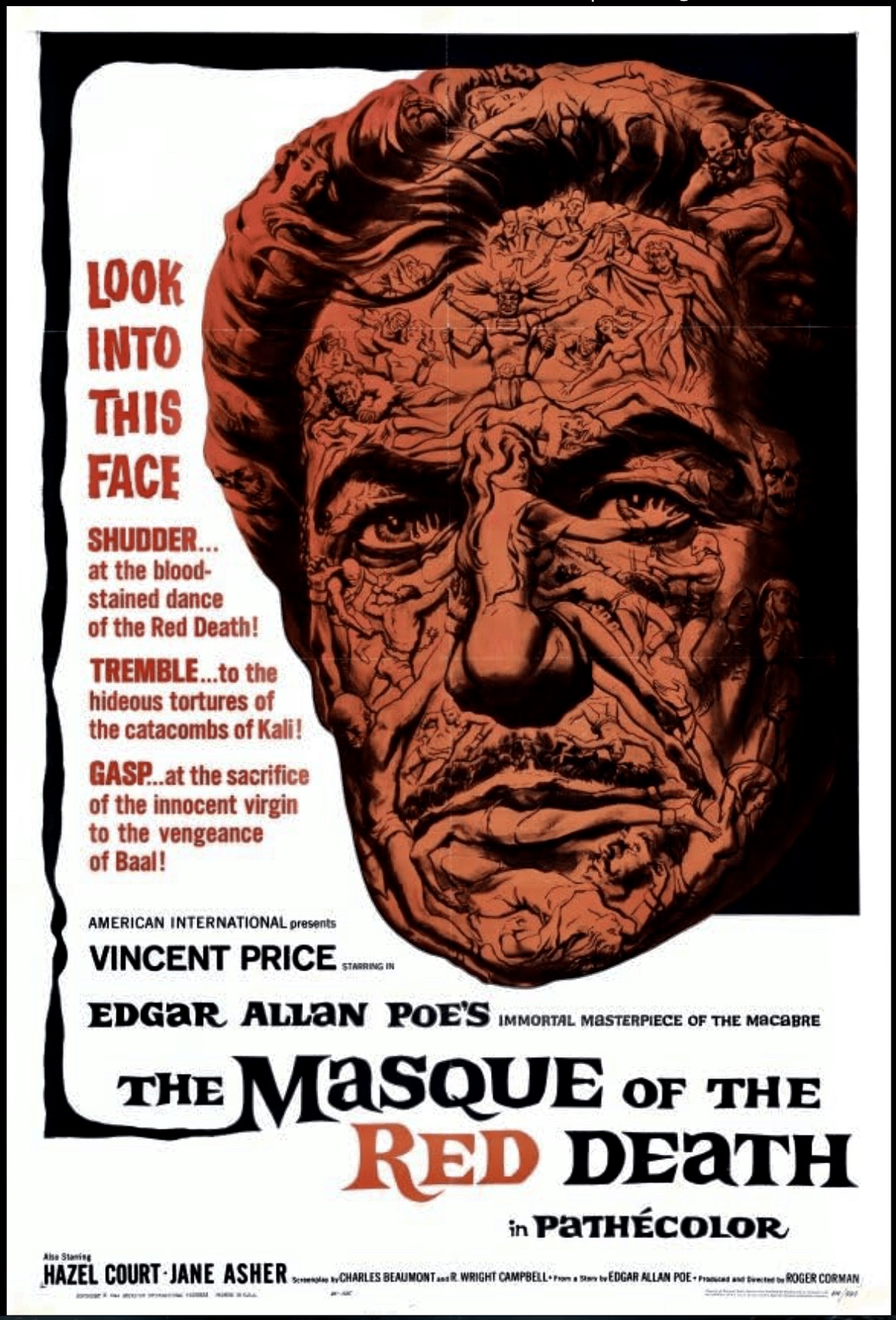
People seem to forget that in addition to such enduring cult classics like The Little Shop of Horrors, A Bucket of Blood and The Wild Angels, Corman also imported such films as Cries and Whispers and The Story of Adele H. In honor of him, Telluride screened his arty, Ingmar Bergman-influenced The Masque of the Red Death (1964), William Shatner as a ranting white supremacist in The Intruder aka Shame aka I Hate Your Guts (1961) and the 2011 documentary, Corman’s World: Exploits of a Hollywood Rebel by Alex Stapleton.
Movie bloggers and film geeks had been predicting the lineup this year – everything from the new Terrence Malick film (To the Wonder) to Romanian director Cristian Mungiu’s Beyond the Hills to Seven Psychopaths by Martin McDonagh of In Bruges to Matteo Garrone’s Reality; none of which were on the schedule….but could be added during the festival like the last minute scheduling of Ben Affleck’s Argo, set during the Iranian revolution and involving a CIA plot to rescue six trapped Americans.
There was a time, not that long ago, that the only coverage coming out of Telluride (due to no wireless access) was from just a handful of film critics (The New York Times, The Los Angeles Times, Roger Ebert). Things were quite different in 1981, the first year I attended, but now a small army of movie bloggers travel from film festival to film festival like war correspondents, sending out tweets and posts by the minute as if their lives depended on it. Now one can easily follow the hour-by-hour accounts of the Telluride festival as it unfolds and quickly learn what the hot button movies are. My strategy is usually to avoid the big event, high profile films because they already have major distributors and you know you’ll get a chance to see them in theaters in the upcoming months. Still, it does sweeten the pot if the director or stars of the film are present to introduce them and stay for Q&As afterward. But I’m not one of those who has to be the first to see the new Noah Baumbach or David Cronenberg or Pedro Almodovar film and report on it. Yet I’m glad there are fanatics compelled to do this because it usually helps me in narrowing down my viewing options later.
Instead, I like to seek out the retrospectives with archival prints (that offer a once in a lifetime screening opportunity) or lesser known indies from around the world that even IMDB doesn’t have any information about. Also, the lines aren’t usually as long for these less ballyhooed films. With that guiding principle, I sought out Journal de France, Everyday and I Knew Her Well for the opening day.
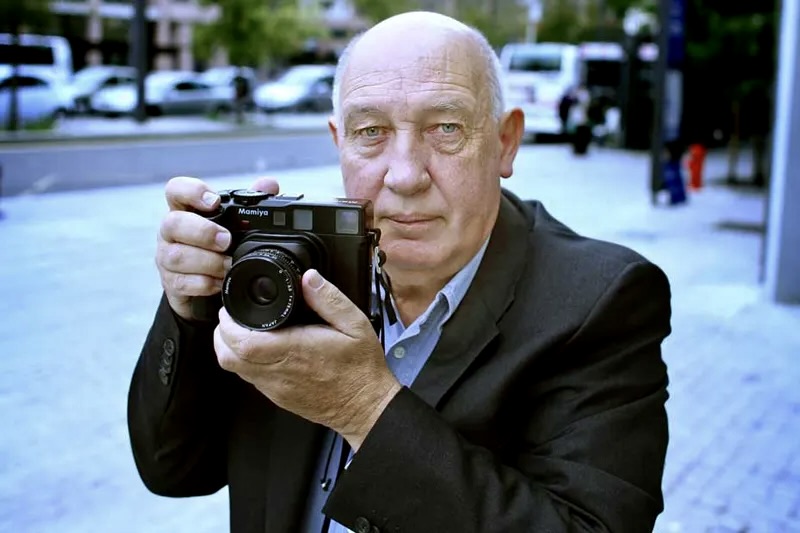
Journal de France (2012) is a documentary by Pulitzer Prize winning photographer/filmmaker Raymond Depardon and sound recordist Claudine Nougaret (she has worked on Eric Rohmer’s Summer and Philippe Garrel’s Les Baisers de secours to name a few). Part travel journey with Depardon in the present day snapping portraits of life, objects and architecture on the backroads of France, it also serves as an unconventional bio of the artist as Nougaret intersperses archival footage throughout from Depardon’s days as a newsreel cameraman and the photojournalism agency he founded – Gamma. Much of the footage is astonishing – the 1968 invasion of Prague, the overthrow of Chilean President Salvador Allende, the Congo Crisis of the ‘60s, candid street scenes of Paris – and all of it shot with Depardon’s eye for the intimate detail. Scored with some of the photographer’s favorite music, the film is a time-tripping cultural gumbo that tells one man’s history of France….and the world.
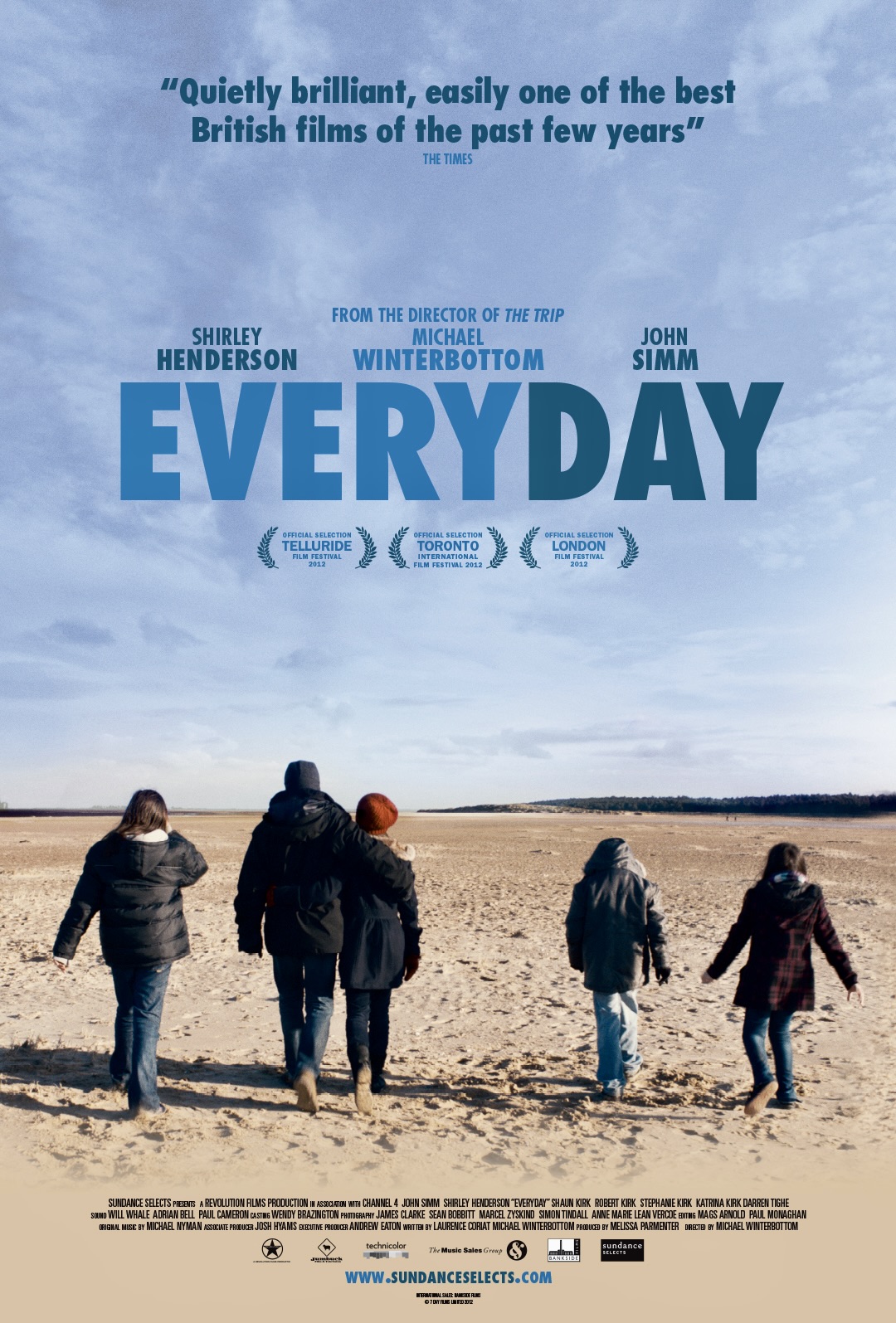
Michael Winterbottom has had an amazingly prolific career since he made his feature film debut in 1990 (Forget About Me) – 20 films in 15 years. That’s quite an impressive feat for an independent filmmaker, even if he has experienced his share of failures (Butterfly Kiss, The Claim, 9 Songs) in the eyes of film critics with his successes (24 Hour Party People, Wonderland, The Trip). His 20th feature, making its world premiere in Telluride, is Everyday, starring Shirley Henderson and John Simm (both are superb). It’s the story of a single mom, struggling to raise four young children while waiting for her husband to finish a five-year jail sentence.
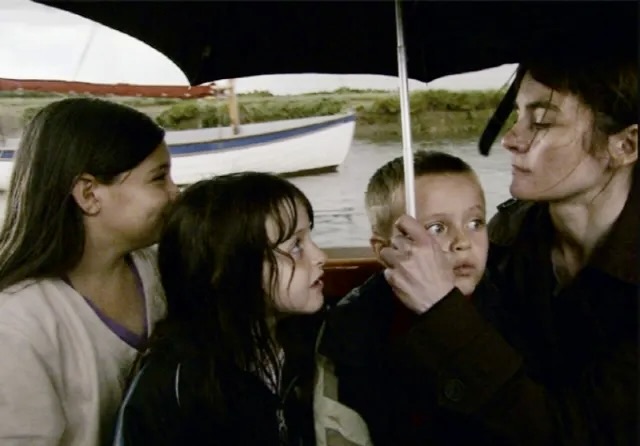
The film has a gimmick and it’s a compelling one; Winterbottom filmed the story in real time over a five-year period so you see the characters grow older as their circumstances change (American director Richard Linklater would also employ this approach for 2014’s Boyhood). The children in the film are non-actors and bring a fresh, natural spontaneity to their scenes. In addition, most of the dialogue was improvised and captures the working class milieu of the rural English community where it is set. If there is a criticism of Everyday, it is that the film feels undramatized and doesn’t build to a strong resolution or cathartic emotional payoff. It’s not that kind of movie. Instead, it’s observational and intimate about the day-to-day routines for Henderson’s resilent mother and the kids as well as Simm’s repentant father (at prison). It’s a refreshing change of pace for Winterbottom and quite different from anything he’s done before. Big surprise, right?
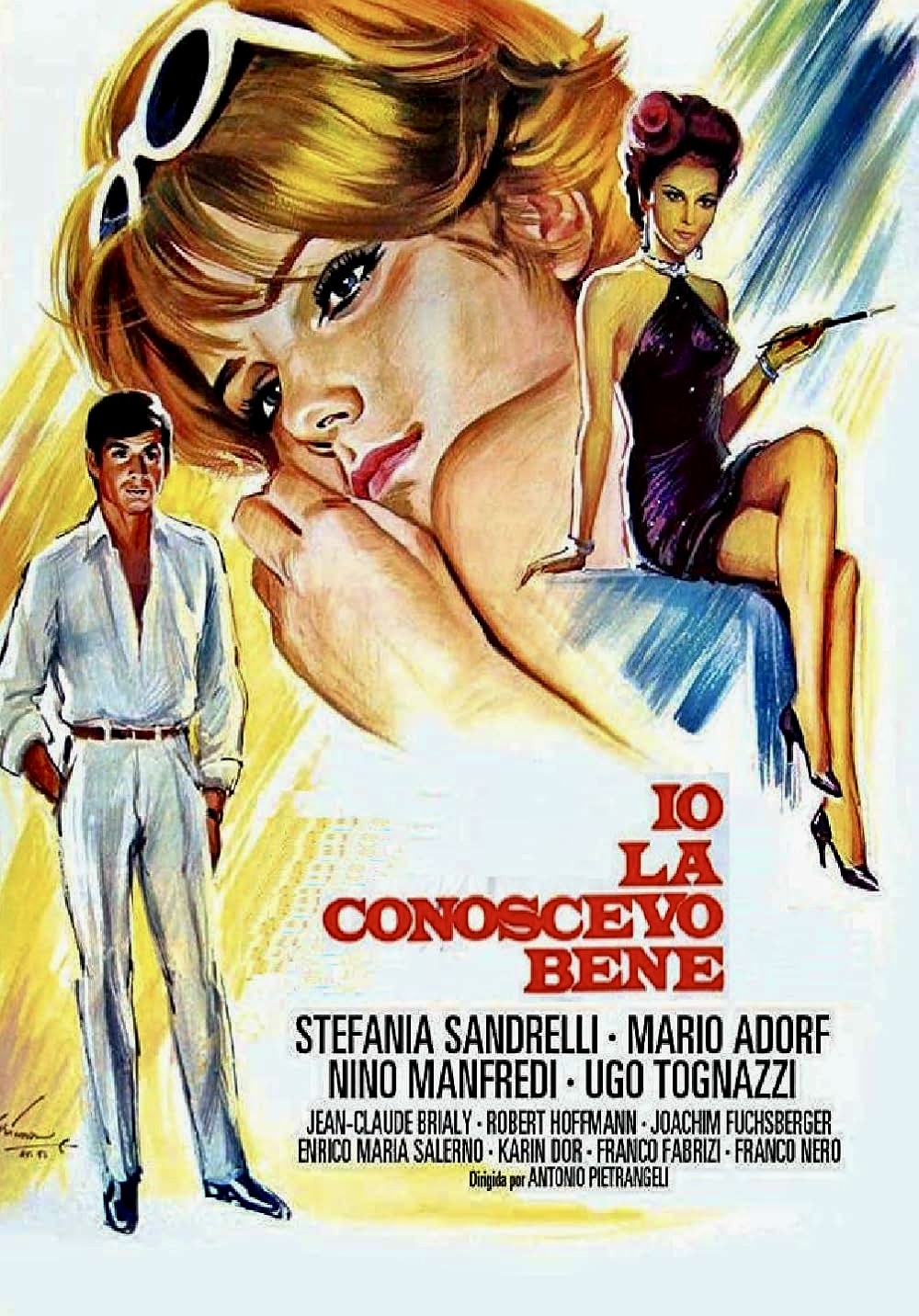
But the film that will probably remain my personal favorite, regardless of what else plays at Telluride, is I Knew Her Well (Italian title: Io La Conoscevo Bene, 1965) by Antonio Pietrangeli. Stefania Sandrelli, in one of her finest performances, plays Adriana, a naïve dreamer and easy target for men on the make who never learns from her mistakes but eventually comes to accept that as part of her true, unalterable nature. Until a few years ago, Pietrangeli’s work was practically unknown in the U.S. except to a handful of film critics and scholars of Italian cinema. Thanks to Raro Films, both Adua e le compagne aka Adua and Her Friends (1960) and La Visita aka The Visit (1963) were released on DVD recently introducing us to this remarkable talent that is due for a major rediscovery.
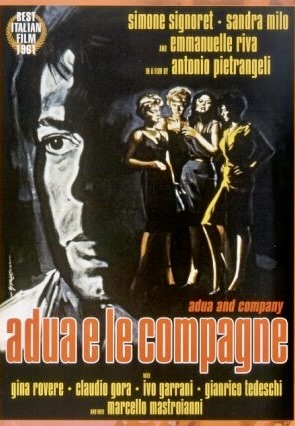
Adua and Her Friends was initially released in the U.S. in a re-edited version entitled Love a la Carte that promoted it as a saucy sex comedy. The story of an enterprising prostitute (Simone Signoret) who moves to the country, rents a run-down villa and turns it into a thriving restaurant and bordello with the help of some fellow co-workers, the film is closer to tragedy than farce but is played in a tough yet upbeat manner that clearly sympathizes with its bound-to-lose female protagonists, pitted against a male-dominated Catholic society.
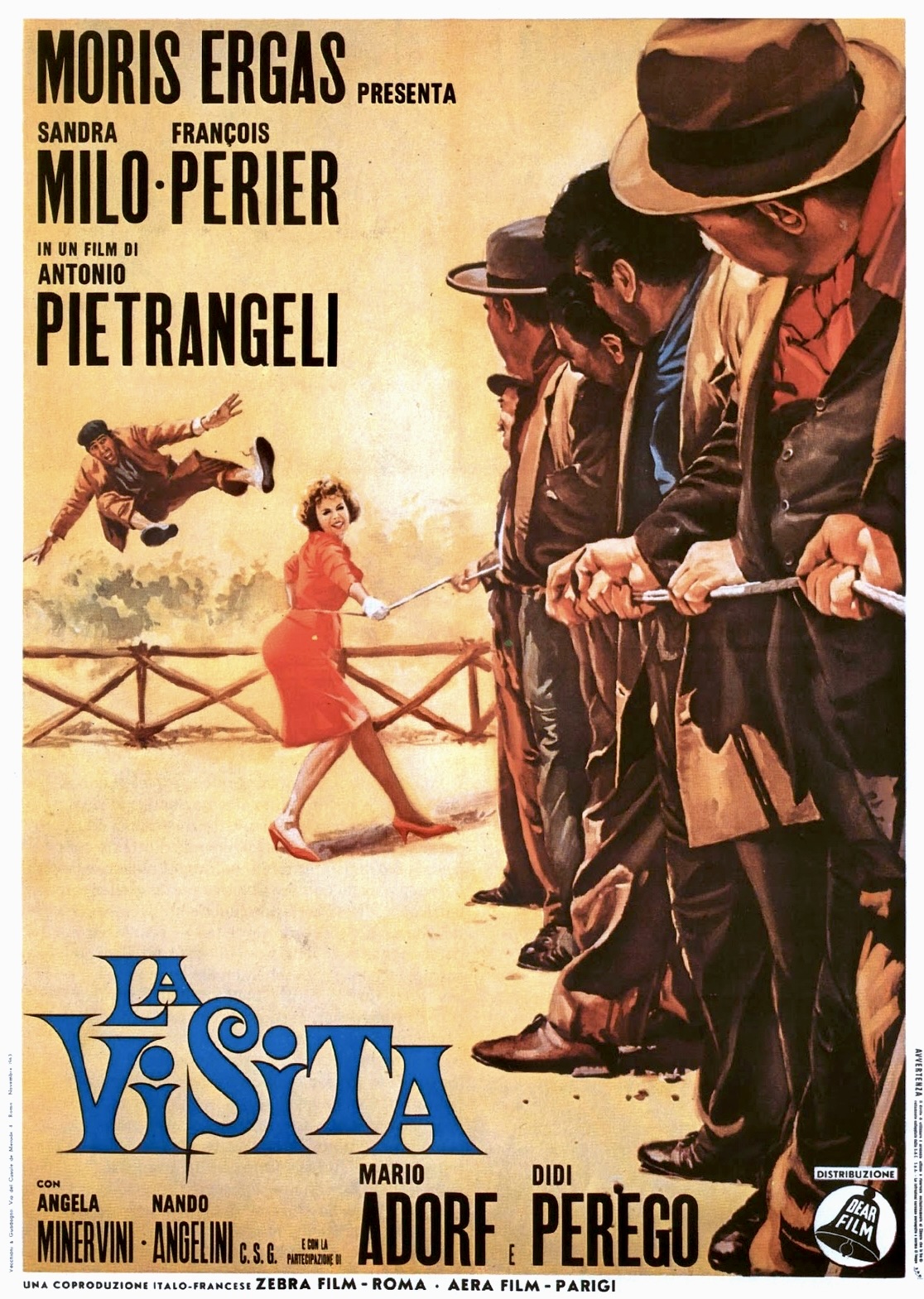
Pietrangeli also clearly favors the heroine of La Visit, a successful but past-her-prime businesswoman (Sandra Milo) in a small Italian town longing for male companionship and more. Her personal ad in the newspapers attracts a flattering fortune hunter (Francois Perier) and what begins as a comical courtship descends into something darker and more despairing.
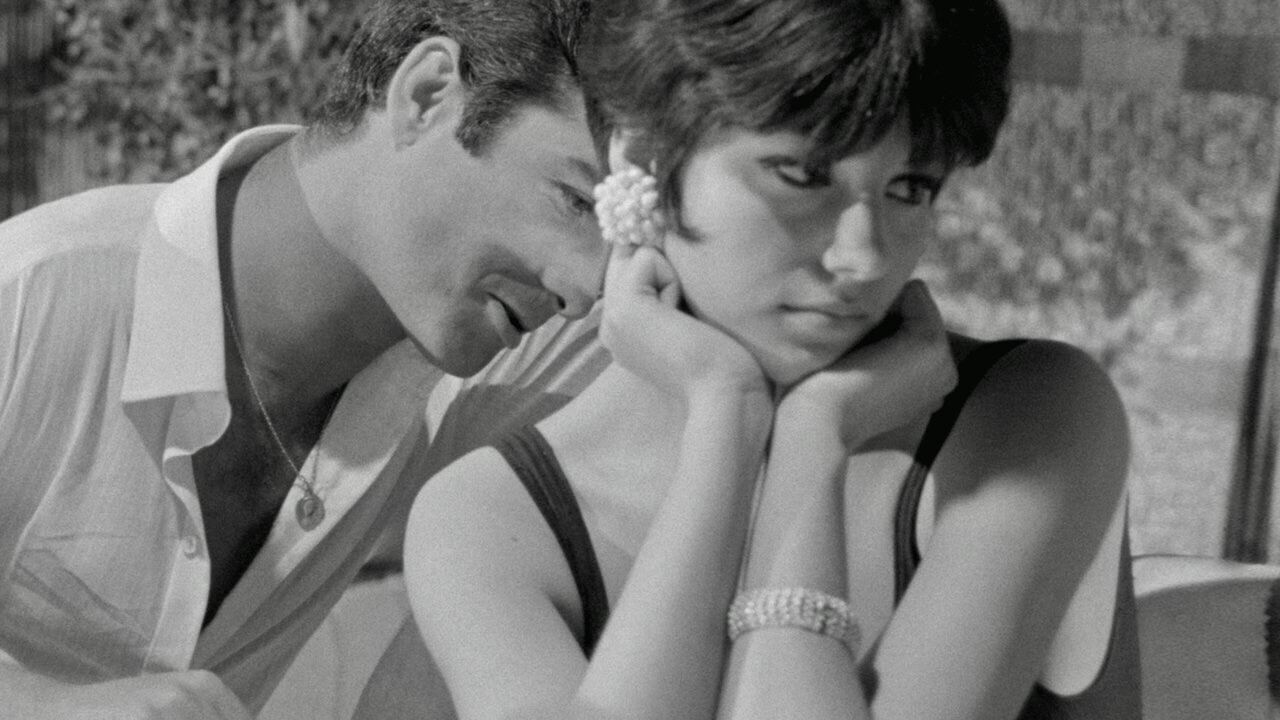
A similar theme of women being deceived and exploited emerges in I Knew Her Well with Adrianna starting out with the greatest of expectations from life and slowly being ground down by her limitations and station in life. In some ways, she is indeed a pathetic, clueless character yet Pietrangeli has a deceptively light touch that turns what could be a cliched melodrama into an emotionally complex, visually dazzling character study that telegraphs real pain and vulnerability beneath the carefree, swinging surface – this is Italy circa 1965 after all and the soundtrack never lets you forget it. Adrianna’s dreams are repeatedly dashed in the film to the tune of such pop hits on her 45rph record player as “L’Eclisse twist” by Mina, “Le stele d’oro” by Peppino Di Capri, “Mani bucate” by Serio Endrigo, “Abbracciami forte” by Ornella Vanoni and others. I
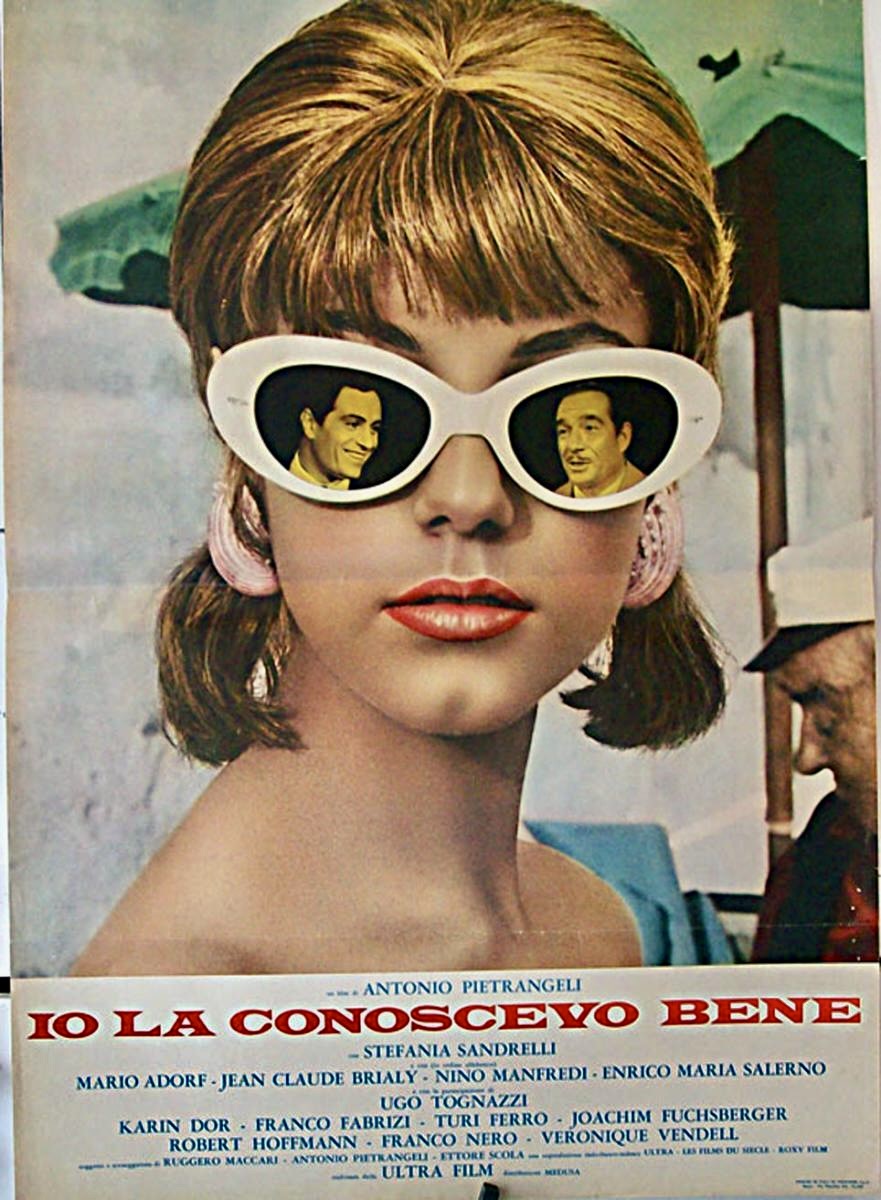
In addition to the glorious Sandrelli is a who’s who of European male stars including Jean-Claude Brialy as a wily seducer, Nino Manfredi as a two-bit promoter, Mario Adorf as a punch-drunk boxer, Joachim Fuchsberger (star of countless Edgar Wallace films) as a jaded writer, a young Franco Nero as an auto mechanic and Ugo Tognazzi in a heartbreaking cameo. Introduced by Alexander Payne and Michael Fitzgerald, both avid champions of the film, I Knew Her Well might well be Pietrangeli’s masterpiece.
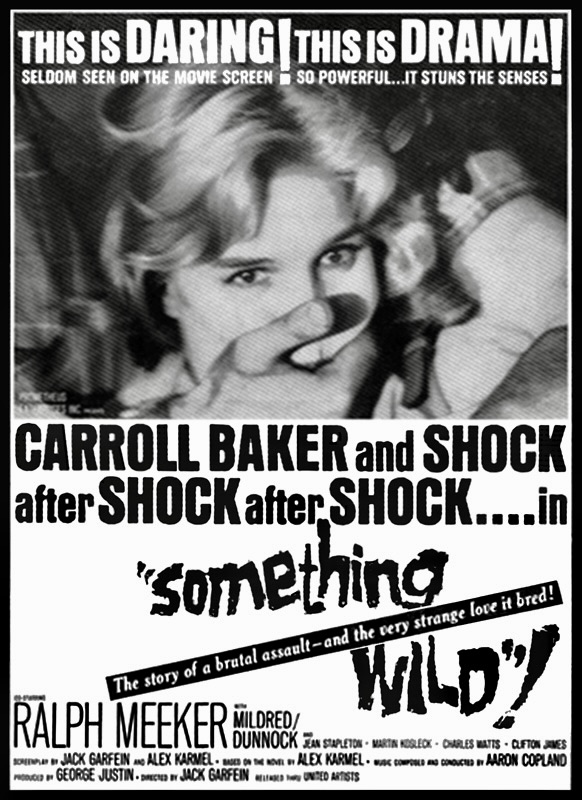
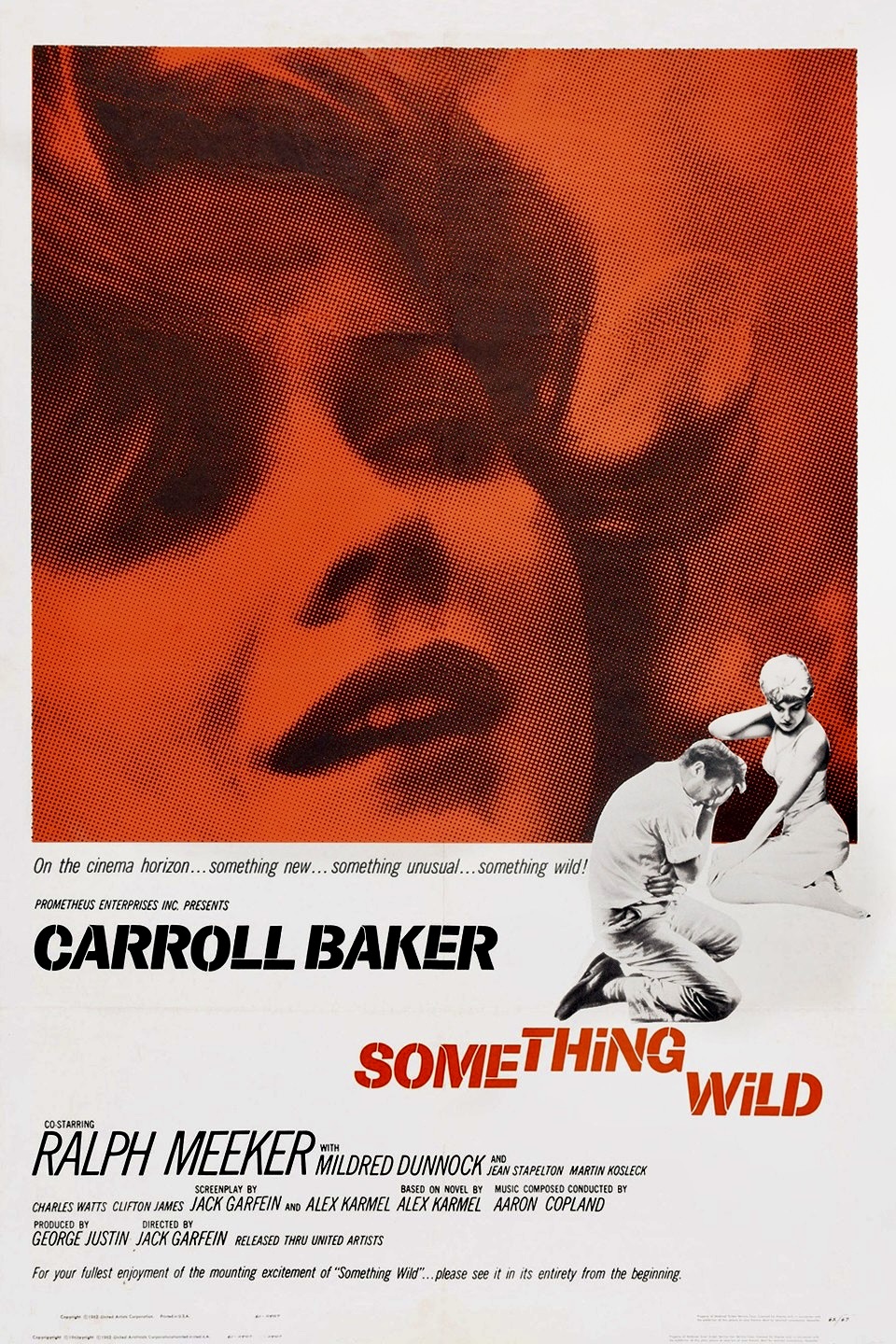
A revival of Jack Garfein’s Something Wild (1961) starring his wife at the time Carroll Baker turned out to be a startling rediscovery for me. I first saw this film on television when I was in high school and it was one of the more unusual and disturbing movies I had encountered at that time. Produced outside Hollywood and utilizing mostly friends and colleagues from the director’s association with the Actors Studio, it was picked up for theatrical distribution by United Artists but most mainstream critics at the time were baffled or hostile toward this stark, experimental drama.
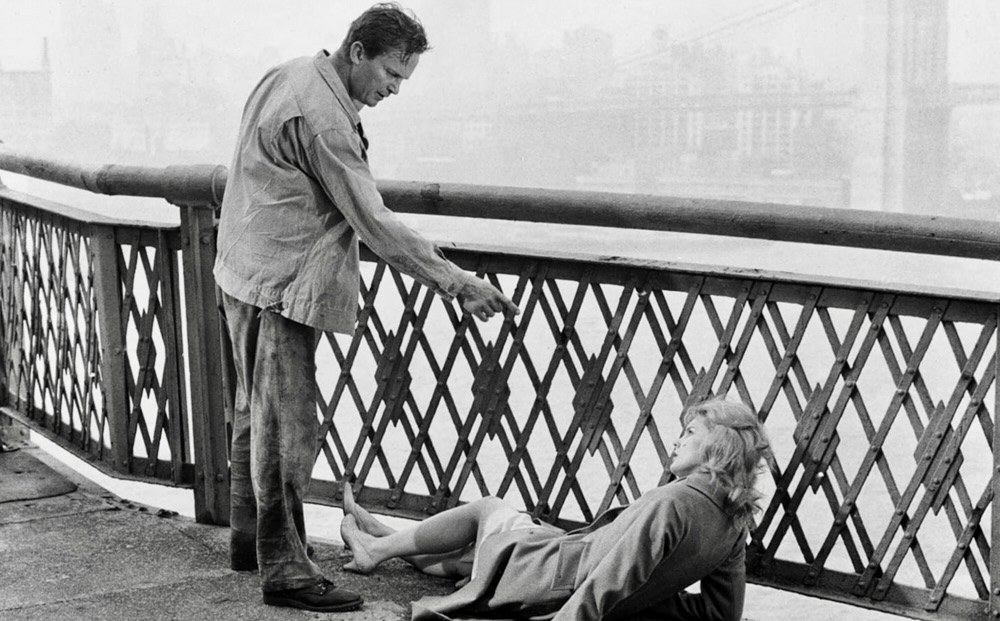
Carroll Baker, an Actors Studio graduate, plays Mary Ann, a young woman who is brutally raped in a park on her way home one night. Too traumatized to tell her parents what happened, she runs away from home and hides out in a low rent neighborhood on the lower East Side of NYC. Mary Ann tries to support herself with a demeaning job at a five-and-dime department story but succumbs to depression and attempts to kill herself by jumping off a bridge into the river below. But her suicide is thwarted by a garage mechanic named Mike (Ralph Meeker) and he takes her back to his dingy basement apartment where their awkward relationship becomes the main story. Is he a romantic suitor or a sexual predator? His crude, inarticulate manner and her psychological anguish prove to be a volatile mix and culminates in a shocking sequence where he loses an eye during a drunken attempt to kiss Mary Ann. Yet, somehow these two damaged strangers are drawn to each other on some basic human level.
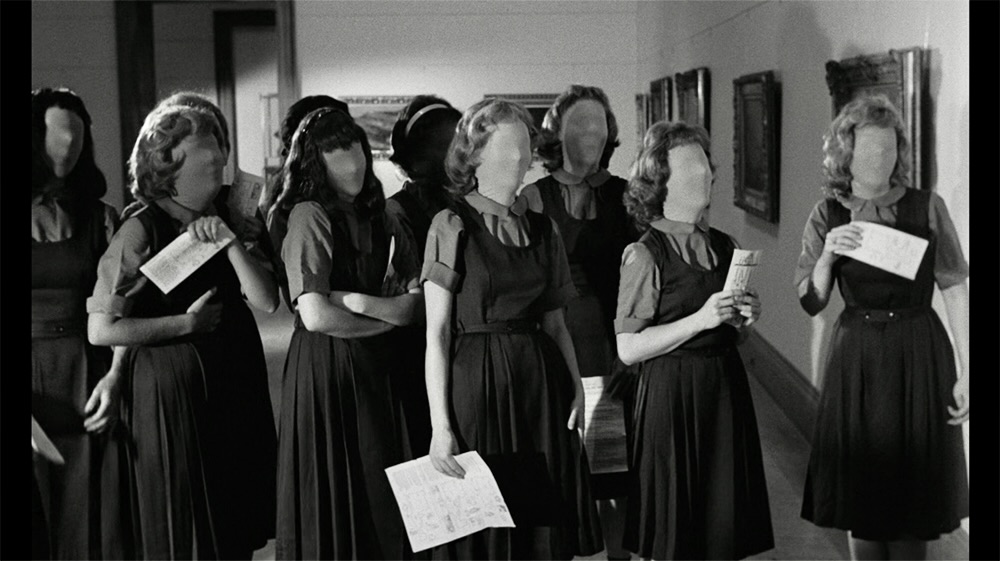
At times Something Wild feels like a variation on Jean-Paul Sartre’s play No Exit where both Mary Ann and Mike seem trapped in some claustrophobic underworld of their own making. There is a memorable nightmare sequence featuring faceless schoolgirls at an art gallery and Mildred Dunnock, Clifton James, Jean Stapleton, and Doris Roberts pop up in memorable supporting roles. The opening credits are by Saul Bass, the music score was composed by Aaron Copland, and the stunning black and white cinematography is by Eugen Schufftan. Regarding the latter, Sheila O’Malley in her article for The Criterion Collection, wrote, “His street photography in the film captures New York in a way that had not been done before. There are times when the city seems frighteningly empty, an eerie landscape void of humanity. At others, the crush of crowds presses in so insistently that it’s a claustrophobic nightmare. Something Wild, among its many other merits, is a great New York movie, capturing the city—and its different neighborhoods—at a certain moment in time.”
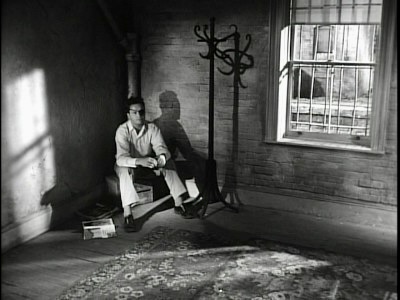
I can see why audiences recoiled from Something Wild at the time of its release. It’s closer to some avant-garde, existential theater piece than a commercial entertainment but the powerful performances by Carroll Baker and Ralph Meeker and the look, feel and sound of the entire production make it a one-of-a kind cinematic experience. It was certainly one of the retrospective screenings at the 2012 Telluride Film Festival that made the annual event unforgettable.
Other links of interest:
https://www.telluridefilmfestival.org

