Crossing the Color Line

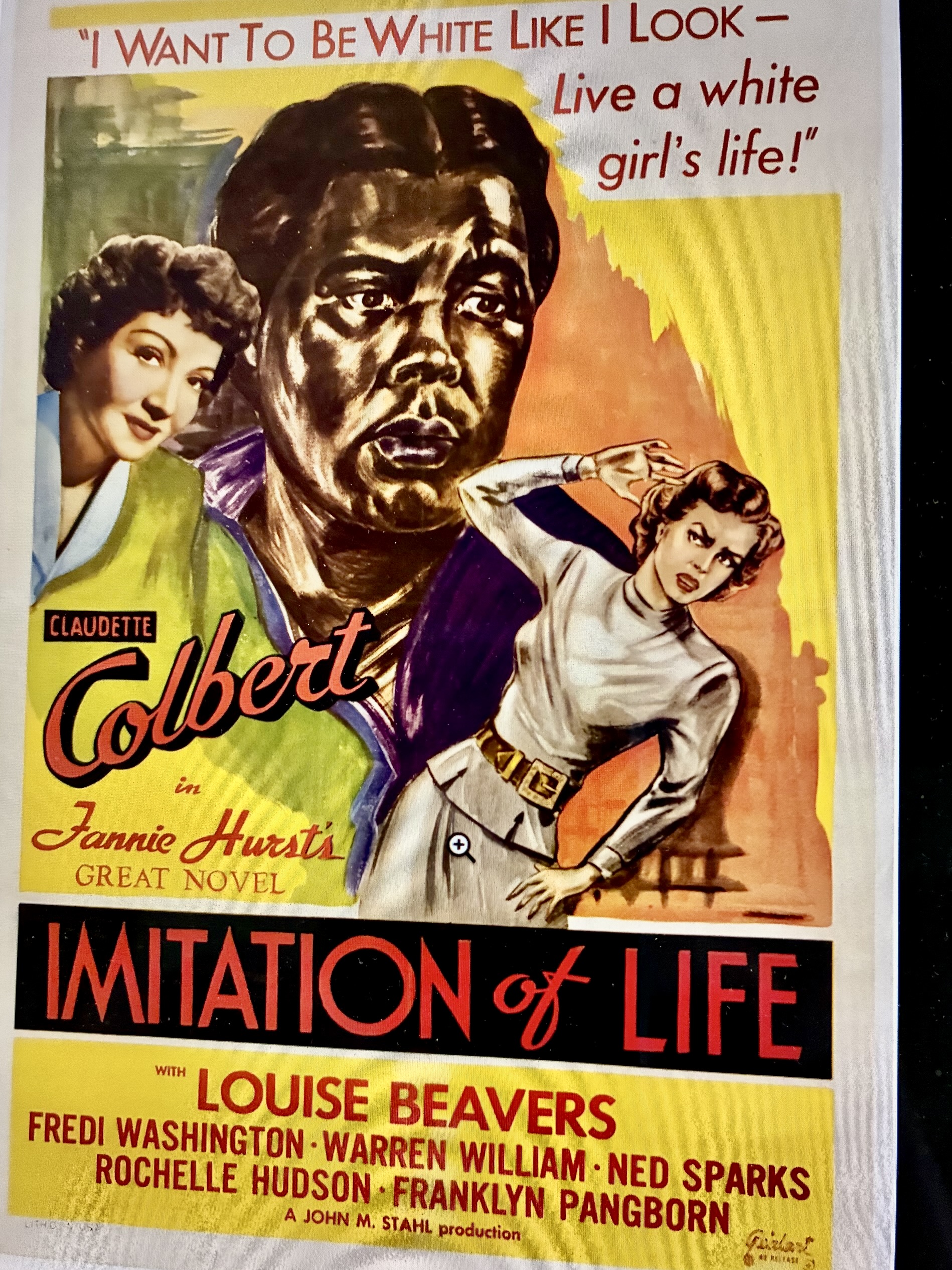
This film poster for IMITATION OF LIFE (1934) was an alternate version that was targeted toward black audiences.

“The only Hollywood movie of its era that even suggested the existence of such a thing as a race problem in America, the film set off sparks within the black community. Black ministers preached sermons about it while black intellectuals wrote about the film as well. And the movie acquired a legend of its own that still lives today.” – Donald Bogle on Imitation of Life (1934) in Blacks in American Films and Television: An Illustrated Encyclopedia

Less well known than the 1959 Douglas Sirk remake starring Lana Turner and Juanita Moore, the first film version of Imitation of Life, directed by John M. Stahl, is actually more faithful to the Fannie Hurst novel (except for the ending) and in many ways presents a much more socially progressive viewpoint than the Sirk version as noted in the below article.

Continue reading

The Stranger Upstairs

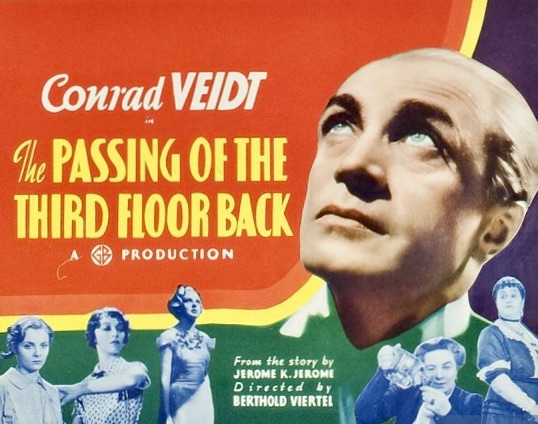
A mysterious stranger arrives at a boarding house in London and inquires about the advertised room to let. The landlady has some reservations about him but his good manners, personal charisma and willingness to pay his rent in advance convinces her he will be a respectable lodger. How many times have we seen movies that open with the same scenario where the new boarder turns out to be a suspicious character and possibly mentally unhinged? Alfred Hitchcock’s The Lodger (1927), Man in the Attic (1953), Roman Polanski’s The Tenant (1976) and The Minus Man (1999) are some of the more famous examples of this. The 1935 British film, The Passing of the Third Floor Back, however, gives us a protagonist who could be some kind of savior in disguise, a spiritual being who has come to help the unhappy and misanthropic boarders. Is he an angel, a Christ figure or maybe a figment of someone’s imagination?

Continue reading

The Dark Side of Robert Young

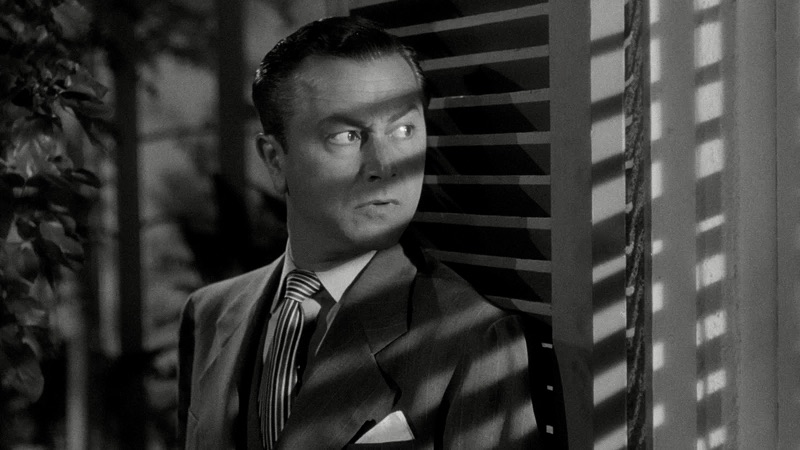
Robert Young plays an embezzler and a womanizer whose luck runs out in THEY WON’T BELIEVE ME (1947), an underrated film noir.

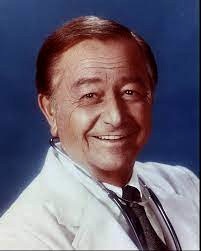
When most baby boomers think of actor Robert Young, they probably recall his popular TV medical series Marcus Welby, M.D. (1969-1976) where he was the epitome of the kind, compassionate doctor or they remember Jim Anderson, the perfect dad in the all-American family sitcom Father Knows Best (1954-1960). He was also typecast as “Mr. Nice Guy” in most of his Hollywood films, playing cheerful romantic leads or the leading man’s best friend or some other debonair, noble or well-intentioned character who rarely made a strong impression compared to more assertive male leads like Clark Gable, Gary Cooper or Spencer Tracy. But there were several occasions when Young discarded his good guy image by playing shadowy characters, outright villains, or damaged human beings.  Among these atypical casting choices, Young is most memorable in Alfred Hitchcock’s Secret Agent (1936) as an undercover spy, a budding fascist in The Mortal Storm (1940), a shellshocked and physically maimed war veteran in The Enchanted Cottage (1945), a complete cad and accused murderer in the underrated film noir They Won’t Believe Me (1947), directed by Irving Pichel, and an architect who is suspected of being a dangerous criminal in The Second Woman (1950).

Robert Young as the star of the popular TV series, MARCUS WELBY, M.D. (1969-1976).
Continue reading