
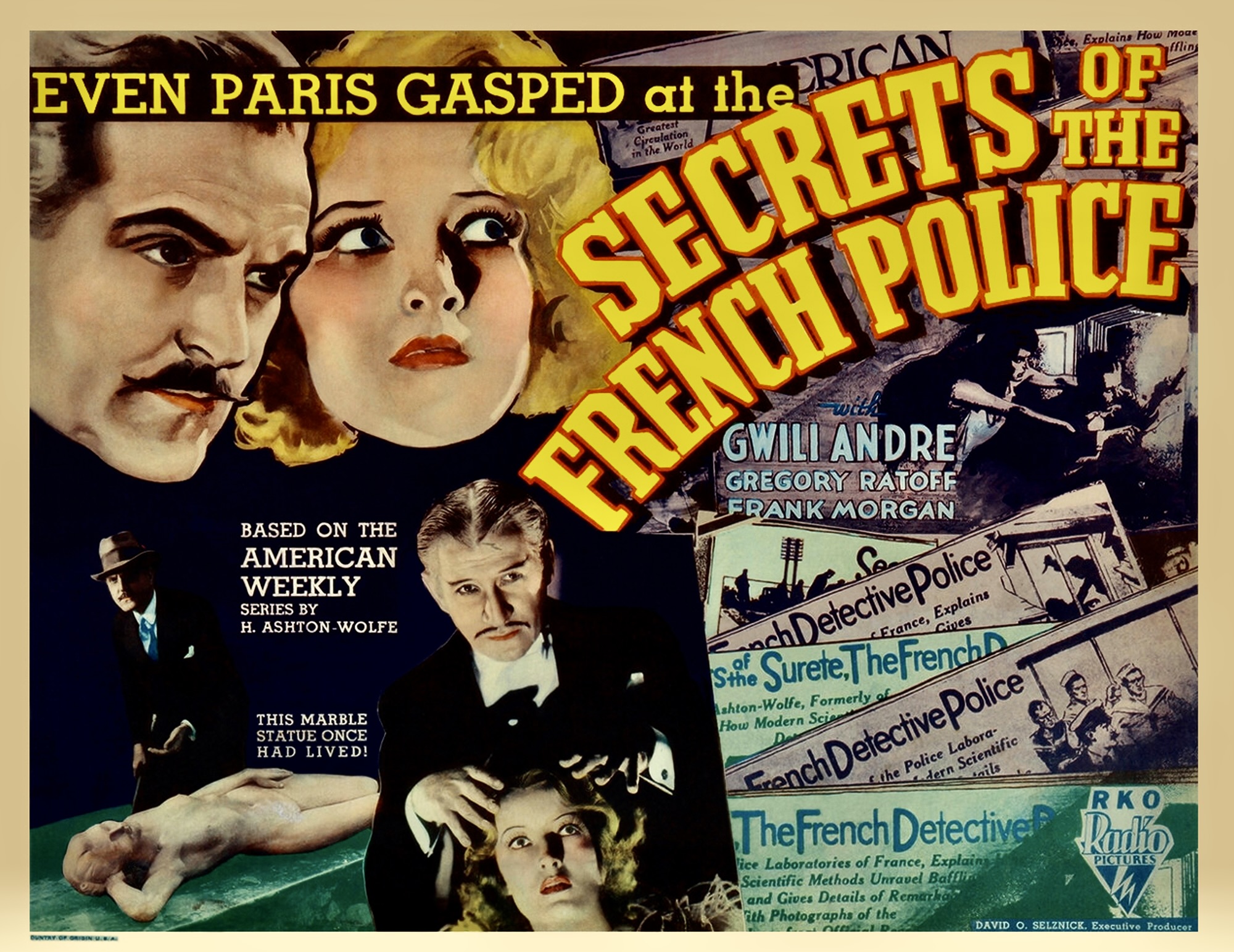
A. Edward Sutherland was a highly skilled and reliable director from the Hollywood studio system era who is best known today for his light comedies and musicals, especially the ones he made with W.C. Fields such as It’s the Old Army Game (1926), Tillie’s Punctured Romance (1928), International House (1933), Mississippi (1935) and Poppy (1936). In fact, he was one of the few directors that got along well with the notoriously difficult comedian on film shoots and the two were also close friends off the movie set. Sutherland, who got his start in the film industry in 1914 as a stuntman and actor, even served as assistant director on Charlie Chaplin’s A Woman of Paris (1923) and made the transition to directing in 1925. What isn’t as well known is the fact that Sutherland made two Pre-Code thrillers in the early thirties that are often overlooked in his filmography.
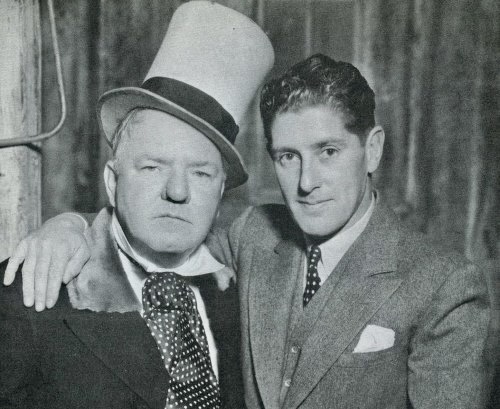
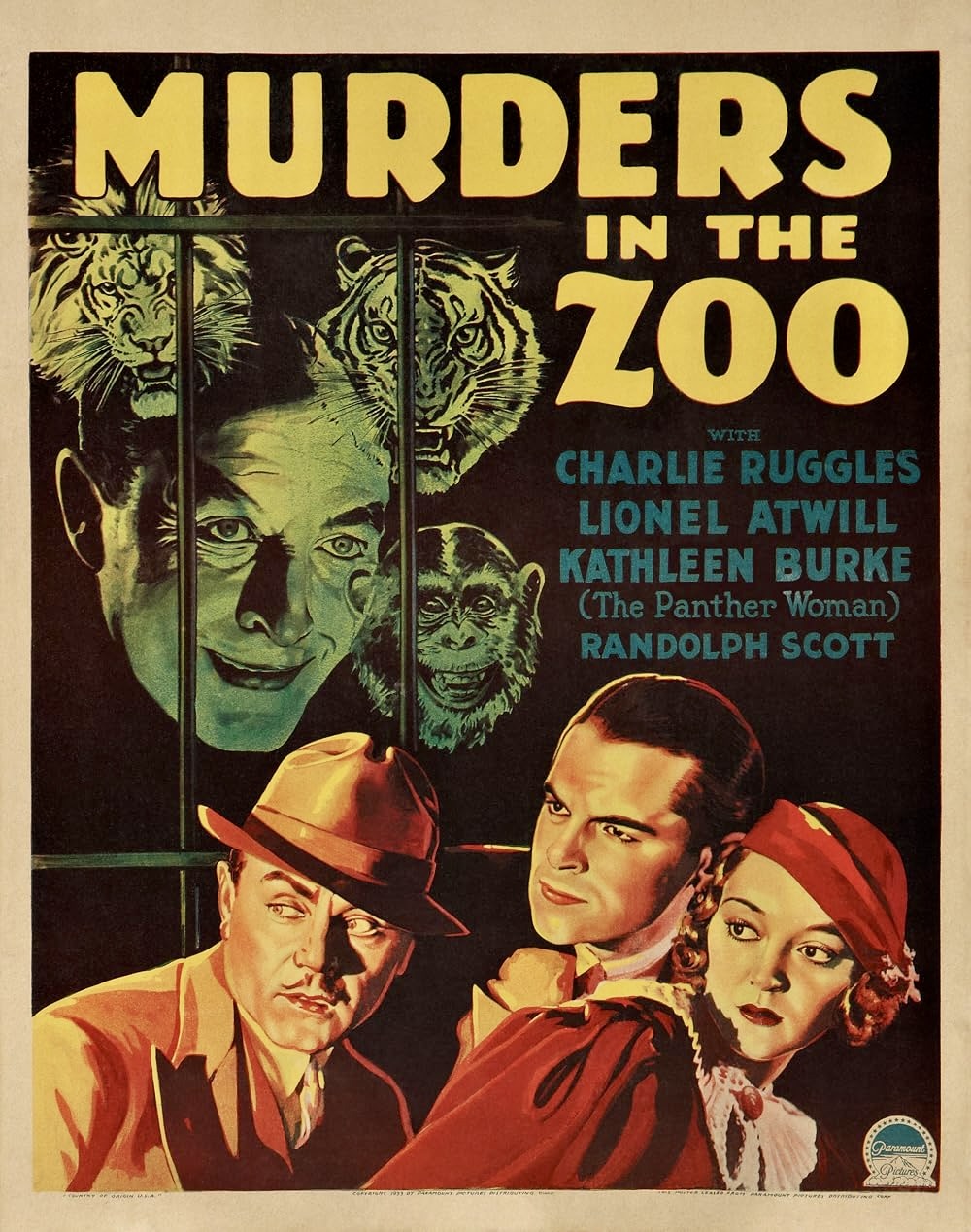
Secrets of the French Police (1932) is a deliriously entertaining B-movie programmer that clocks in at a brisk 58-running time and manages to blend Grand Guignol horror with a plot to pass off a flower vendor as the missing Princess Anastasia, the daughter of Tsar Nicholas II of Russia. Murders in the Zoo (1933) is an unusually sadistic yarn in which a crazed millionaire (Lionel Atwill) uses wild animals in his zoo to murder his enemies. While Murders in the Zoo deserves an in-depth article on its own, I am devoting this post to the overlooked Secrets of the French Police, which was executive produced by David O. Selznick for RKO Studios (the mogul would leave RKO for MGM in 1933, where he would produce movies for his father-in-law Louis B. Meyer).
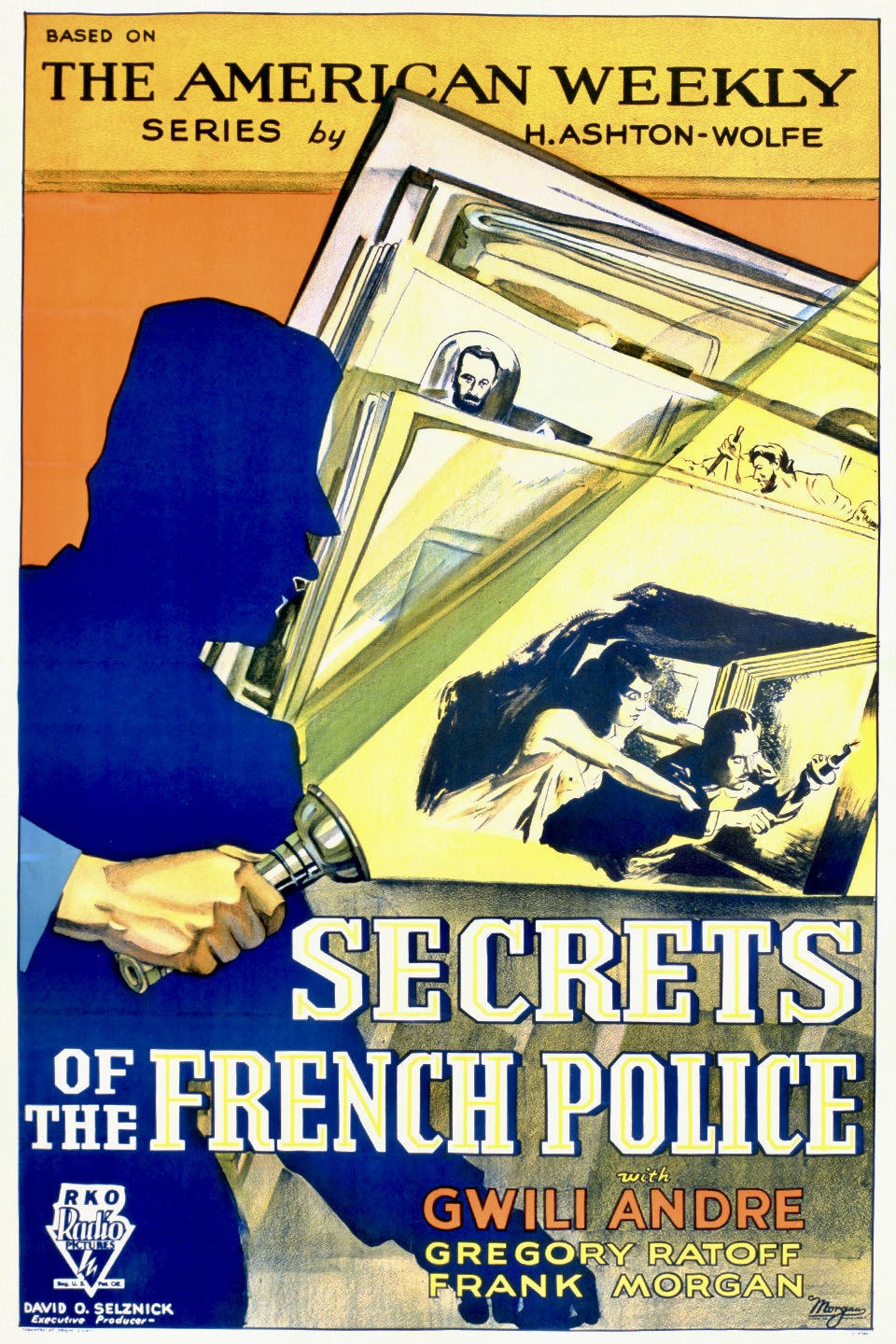
Based on a magazine series about famous French criminal cases entitled Secrets of the Surete, it was published in the American Weekly Sunday Magazine and the author was H. Ashton Wolfe. Forensics pioneer Alphonse Bertillon was often the hero in many of the cases and Wolfe inserted himself into some stories based on his own investigations for the Lyons police department in France. Initially Wolfe was going to be the detective hero in Secrets of the French Police until it was discovered that the author was a con man who lied about his past. At this point screenwriters Robert Tasker and Samuel Ornitz were required to create a new protagonist for the movie, utilizing some details from Ornitz’s novel The Lost Princess.
Secrets of the French Police appeared at a time when the public was fascinated by the mystery surrounding the assassination of the Romanov dynasty in 1918 and the fate of Grand Duchess Anastasia, whose remains were not discovered and confirmed by DNA testing until 2007. As a result, several imposters claiming to be the missing Anastasia attracted media attention over several decades with the most famous one being Franziska Schanzkowska aka Anna Anderson. Ingrid Bergman played her in the 1956 biopic Anastasia and won her second Best Actress Oscar for the performance. In real life, Anderson moved to Charlottesville, Va. in 1968 and was later exposed as a Polish factory worker with no connection to the Romanov family but she maintained she was the real Anastasia right up to her death in 1984.
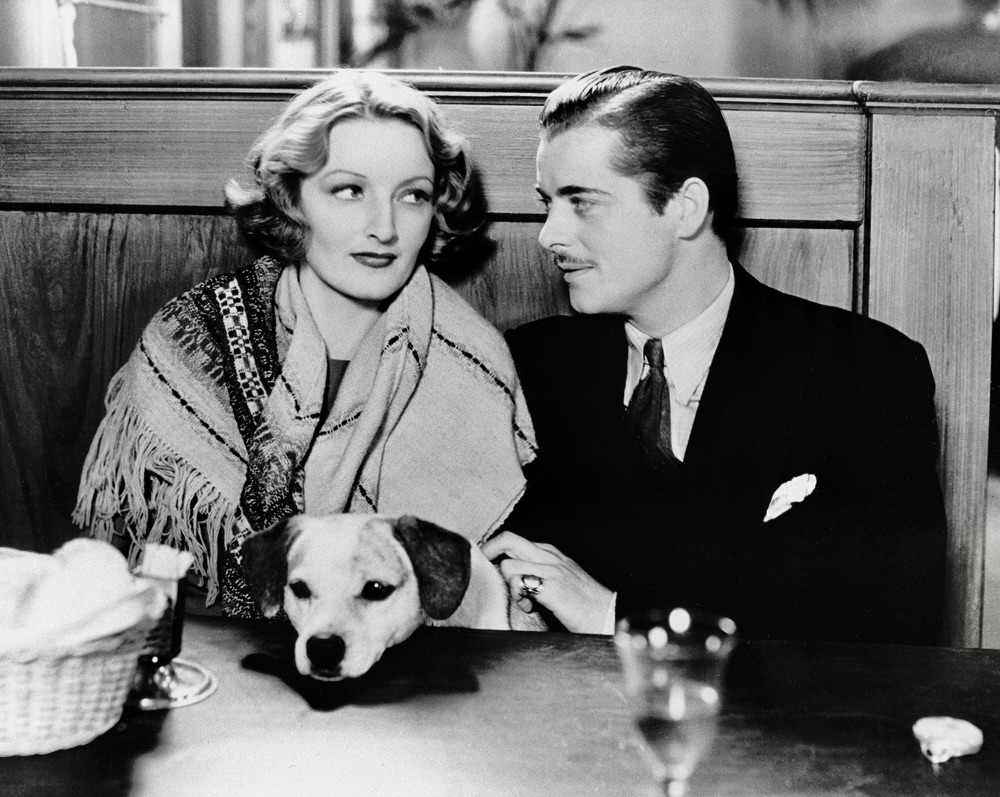
What does this have to do with Secrets of the French Police? For one thing, a money-making scheme to present a street vendor as the missing Anastasia is a key plot device in this eccentric murder mystery. General Han Moloff (Gregory Ratoff), a maniacal aristocrat who lives in a heavily guarded chateau, is convinced he can pass off Eugenie Dorian (Gwili Andre) as the daughter of Tsar Nicholas II. But first he tries to murder anyone with close ties to the flower seller so that no one will later dispute the identity of his Anastasia impersonator. Moloff starts by killing an undercover detective on his trail and then slips into Eugenie’s apartment and murders her father Anton (Christian Rub). He then has his two accomplices Lomzoi (Lucien Prival) and Rena (Kendall Lee) kidnap Eugenie and imprison her in his chateau where he uses hypnotism and mind control to convince Eugenie she is the missing heir to the Romanov family.
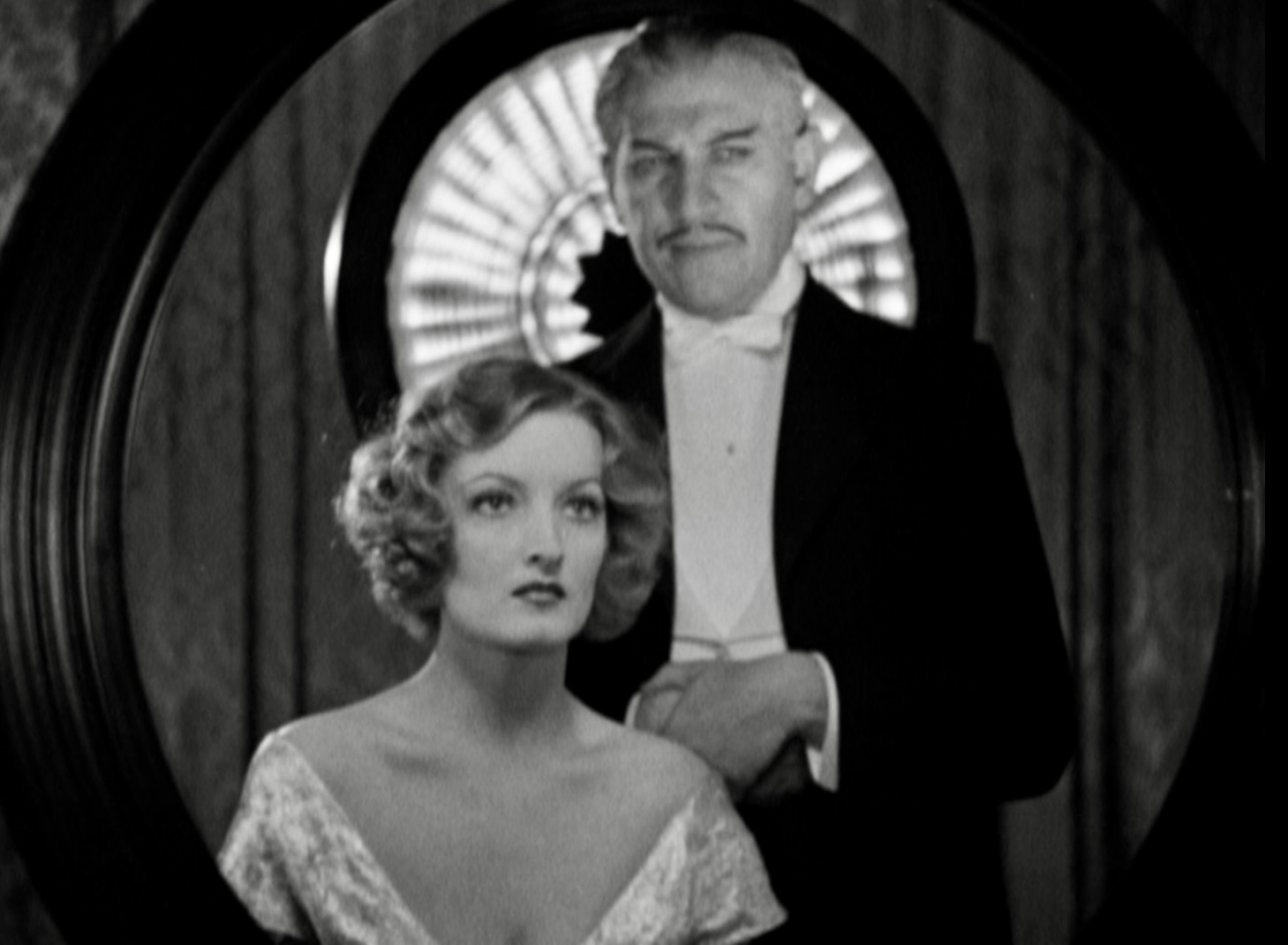
Police detective Francoise St. Cyr (Frank Morgan) launches a full scale investigation into the murders and the kidnapping and threatens to imprison Leon (John Warburton), a notorious pickpocket and boyfriend of Eugenie, unless he helps solve the case. Thanks to Leon’s underworld connections, a miscellaneous group of beggars, prostitutes and lowlifes become police informers and help in the search for Eugenie. Leon even manages to slip inside Moloff’s fortress where he discovers a secret laboratory and other gruesome surprises before he is taken prisoner. It quickly builds to a rousing finale in which Moloff presents Eugenie to the Grand Duke Maxim (Arnold Korff), a relative who knew Anastasia as a young girl. The ruse doesn’t work and Moloff resorts to extreme measures as the police raid the chateau and try to save Eugenie and Leon from certain death.
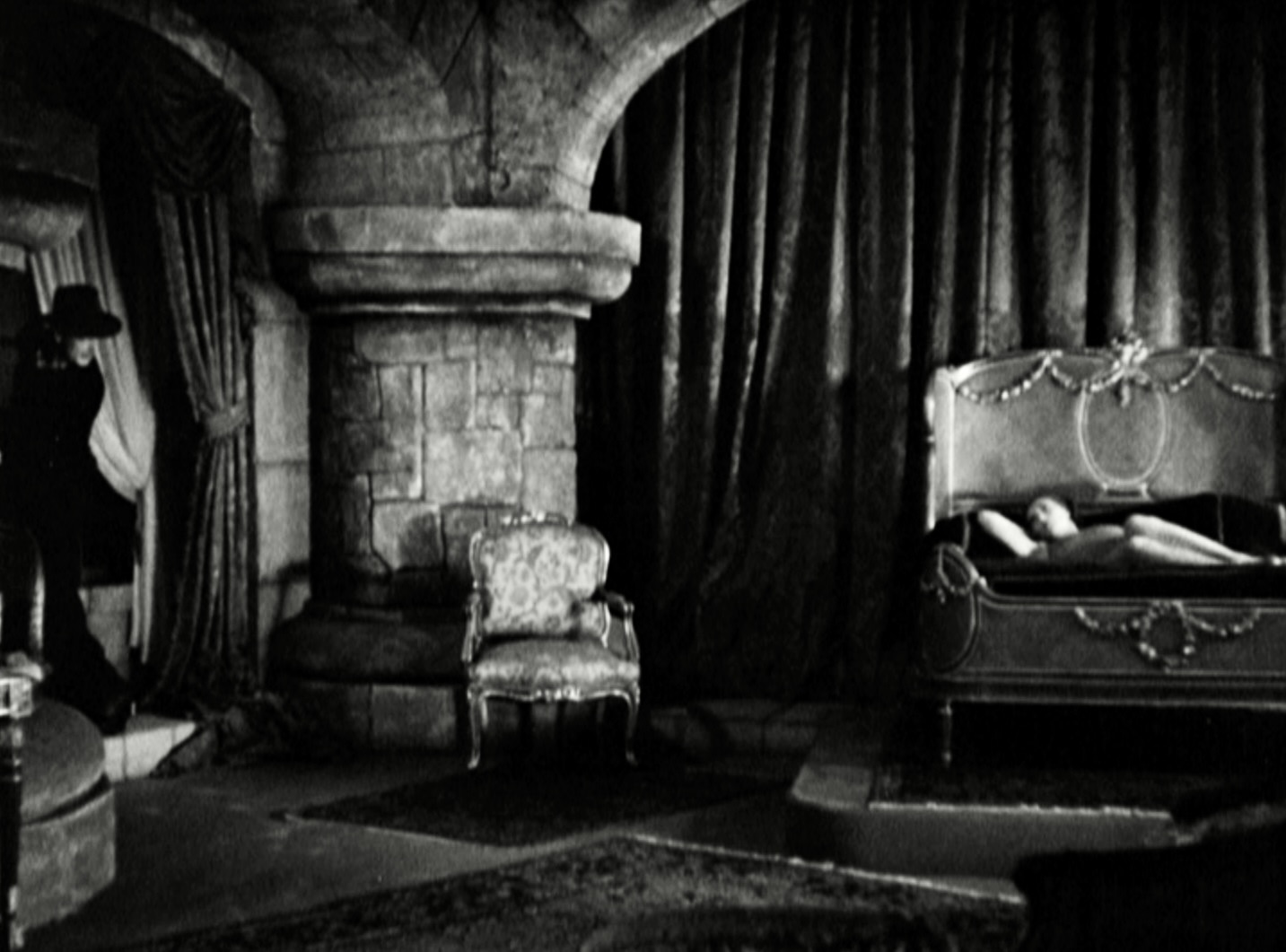
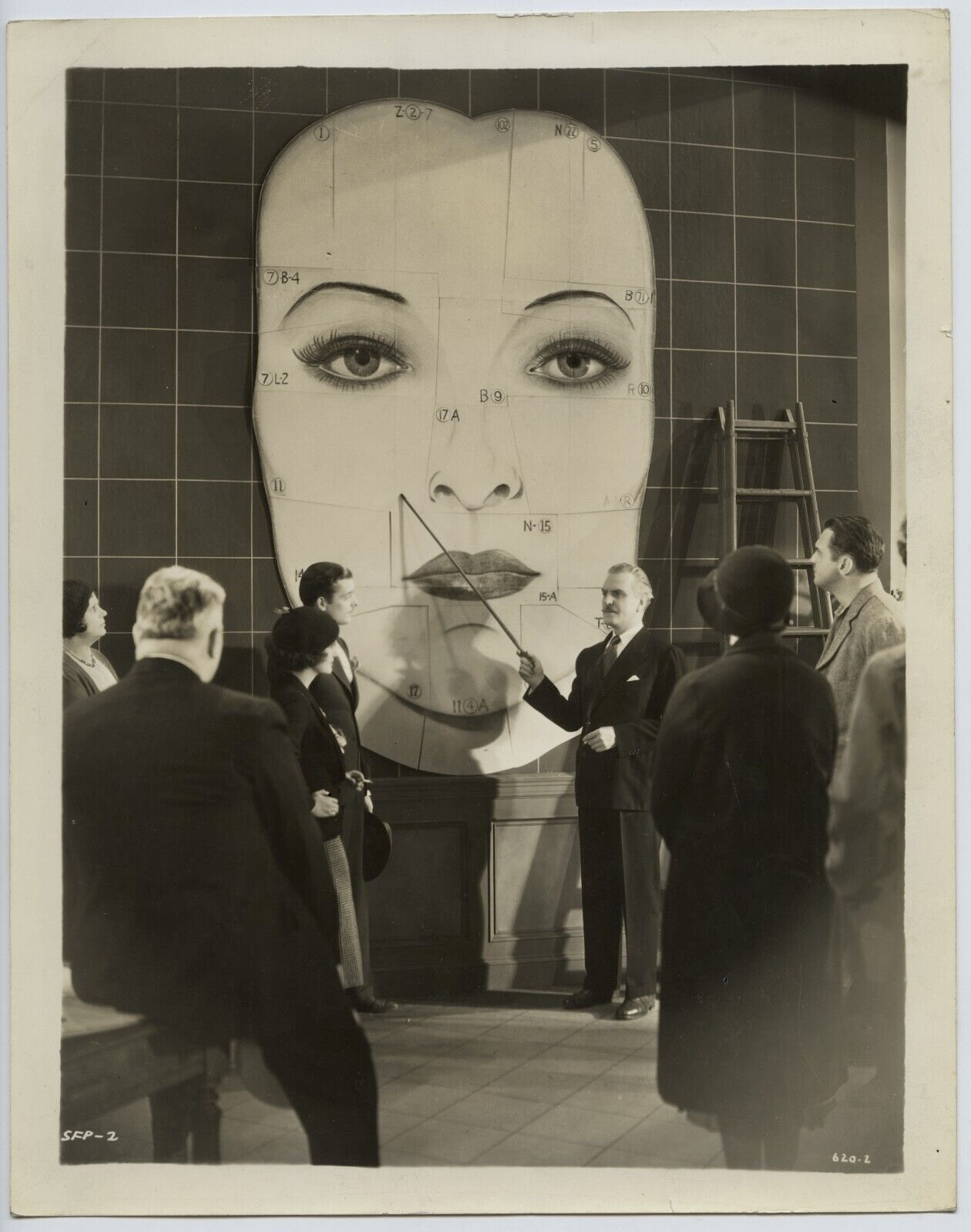
One aspect that distinguishes Secrets of the French Police from a routine B-movie programmer is the set design by Carroll Clark (Top Hat, Mary Poppins) and some imaginative visual touches in depicting Moloff’s demented state of mind. The sequence where St. Cyr has his forensics team create a giant wall size identikit of Eugenie’s face is fascinating and so is a scene where Moloff stages a spectacular car wreck using an optical illusion generated by a film projector. Equally impressive are the details of Moloff’s castle from its murky underground entrance via the sewer system to his medical lab where he drugs his victims, embalms them and turns them into plaster covered statues (shades of The Mystery of the Wax Museum, which was released the following year).
The ensemble cast is also highly engaging with Frank Morgan a standout as the quick-witted and wise-cracking inspector and Gregory Ratoff, stealing most of his scenes as a truly deranged crackpot. Ratoff seems to be channeling Bela Lugosi from Dracula in his encounters with both St. Cyr and Eugenie but his aristocratic veneer and smug villainy pale beside his obvious insanity. Director Sutherland ignores the illogical twists and turns of the plot and gallops full speed ahead into the pulp fiction fantasy but you have to wonder about Ratoff’s end game. Why would he go to such trouble to kill off a number of people in his scheme to present Eugenie as the missing Anastasia and then have no real back-up plan when his con game falls apart? The ending may be absurd and nonsensical but it truly depicts the workings of a raving maniac.
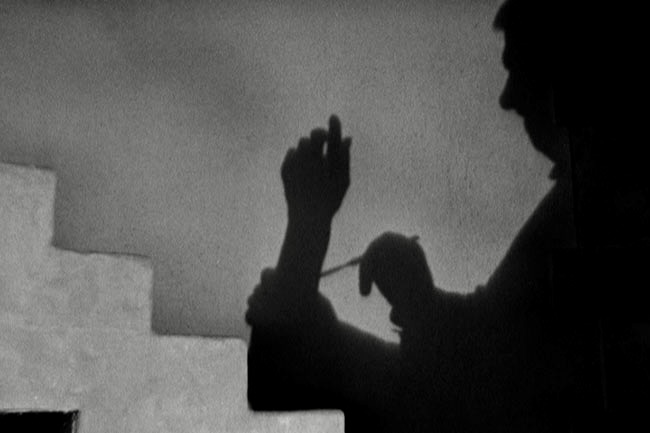
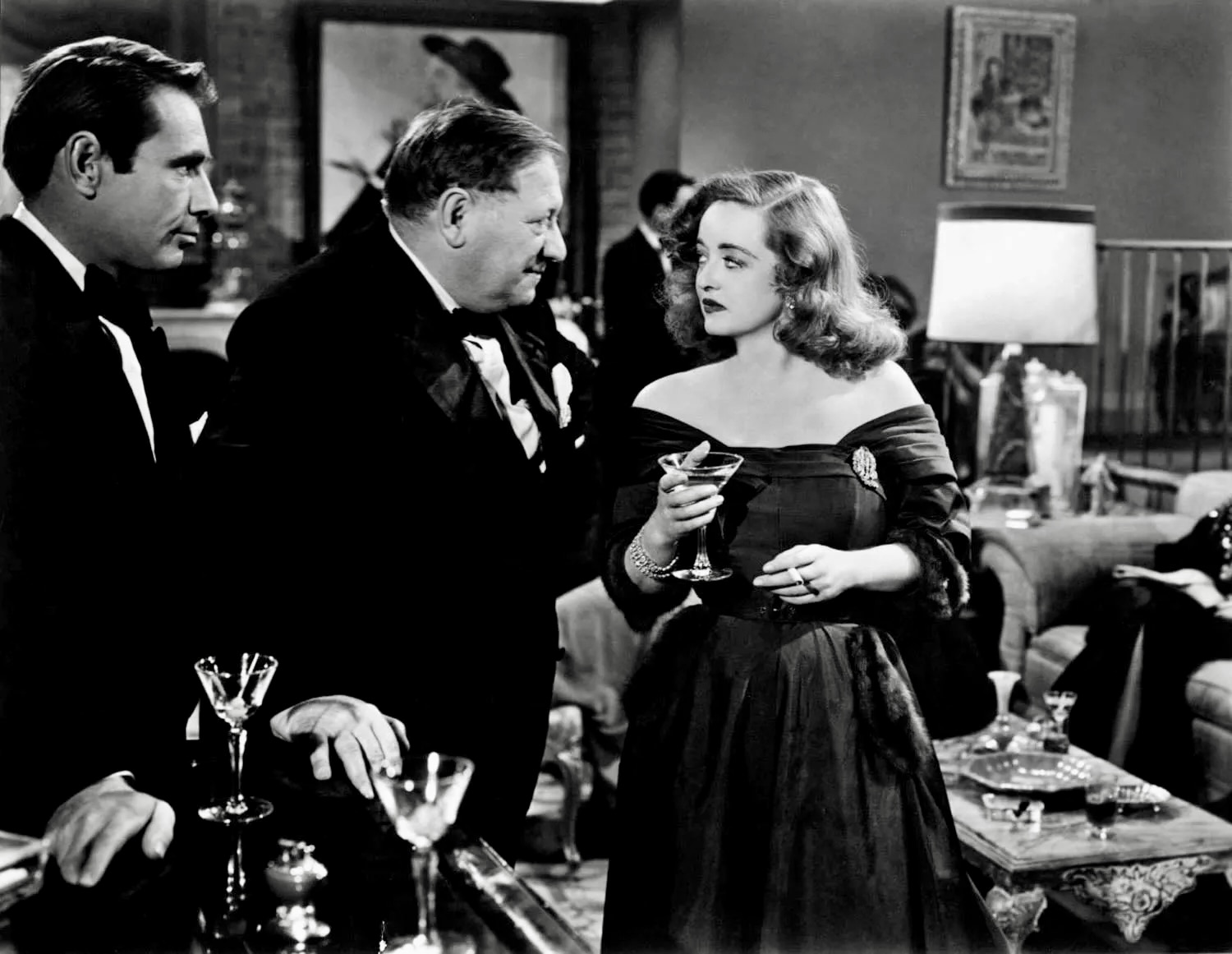
Ratoff, a native of Samara, Russia, split his Hollywood career between directing and acting. He is probably best known for helming Ingrid Bergman’s first two American films, the 1939 remake of Intermezzo and the 1941 drama Adam Has Four Sons. He was equally skilled at directing such musicals as Rose of Washington Square (1939), The Heat’s On (1943) with Mae West, and Irish Eyes Are Smiling (1944). Yet, his acting resume is just as impressive. He pops up in several Pre-Code gems like What Price Hollywood? (1932), Skyscraper Souls (1932), and I’m No Angel (1933) but classic movie fans will recognize him for playing Broadway producer Max Fabian opposite Bette Davis’s Margo Channing in All About Eve (1950). As for Secrets of the Paris Police, Ratoff proves he could have carved out a career for himself playing mad doctors and horror movie villains not unlike Lionel Atwill.
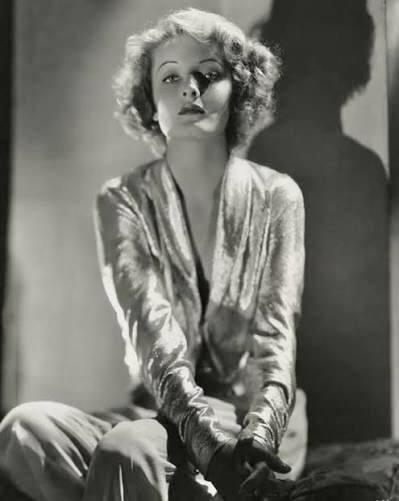
In only her second movie, Danish import Gwili Andre makes an appealing damsel-in-distress but spends most of her scenes in a hypnotic trance. Originally a model, Andre was groomed by RKO’s David O. Selznick to become a Greta Garbo-like discovery but she never clicked as an actress and only made seven films during her brief ten-year career. She has a delicate beauty with some physical traits that compare favorably with Myrna Loy but she never had the opportunity to develop as an actress. She became an alcoholic and a recluse and died in an apartment fire in 1959 at age 52.
Secrets of the French Police was mostly dismissed by film critics at the time with Variety calling it a “hodge-podge of melodramatics…hardly enough for the de luxers.” And Mordant Hall of The New York Times stating, “If the producers had used a more plausible story to detail the methods of the Paris police, this feature might have been quite engrossing, for the few illustrations of the way the French police attack their problems, cause one to wish for more.”
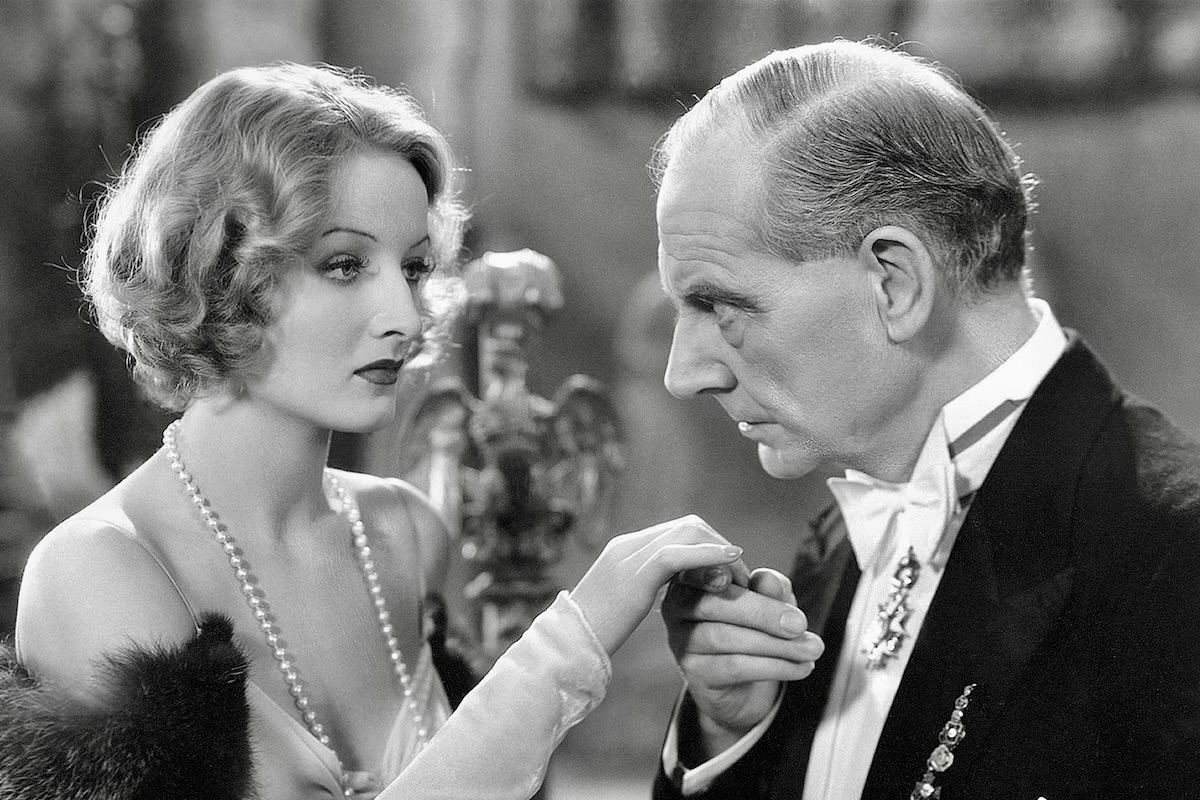
Seen today, Sutherland’s film holds up well as an atmospheric and giddy genre mashup of horror, sci-fi and murder mysteries. Erich Kuersten of Acidemic Journal of Film and Media wrote: “True sensationalist pulp, the film’s awash in mystical pre-code gimcracks, some reminiscent of expressionist greats like TESTAMENT OF DR. MABUSE–with the criminal helping the cops, but this time robbing everyone blind in the process.”
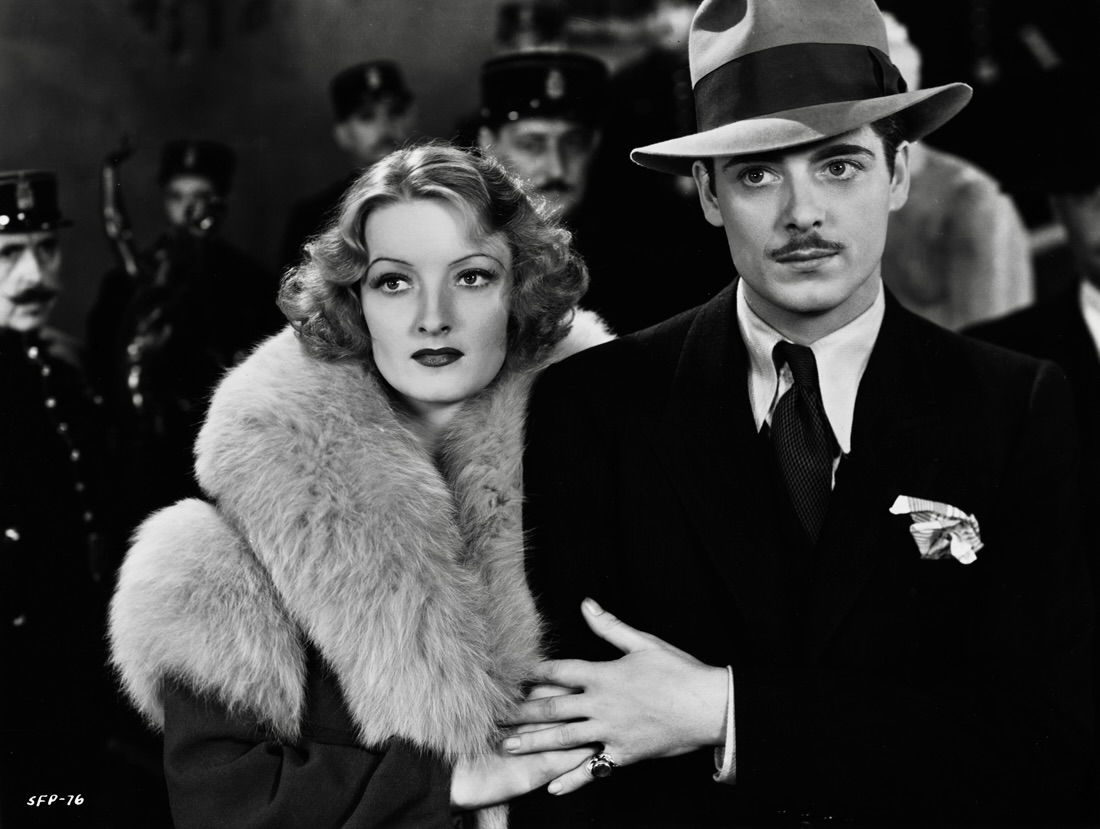
Even though it qualifies as a Pre-Code movie, however, Secrets of the French Police is rather tame in the way of sexual innuendo and risqué situations. There is some brief female nudity but it is the perverse undertone of the film, the bohemian street life depicted, and the twisted crimes of Moloff that make this the sort of thing that made the censors nervous. By the way, Rochelle Hudson appears in a tiny role as K-31, a streetwise femme fatale recruited by St. Cyr for undercover work. It makes you wonder if her role was reduced in order to keep the film under 60 minutes but certainly the movie could have spawned a sequel if it had been successful.
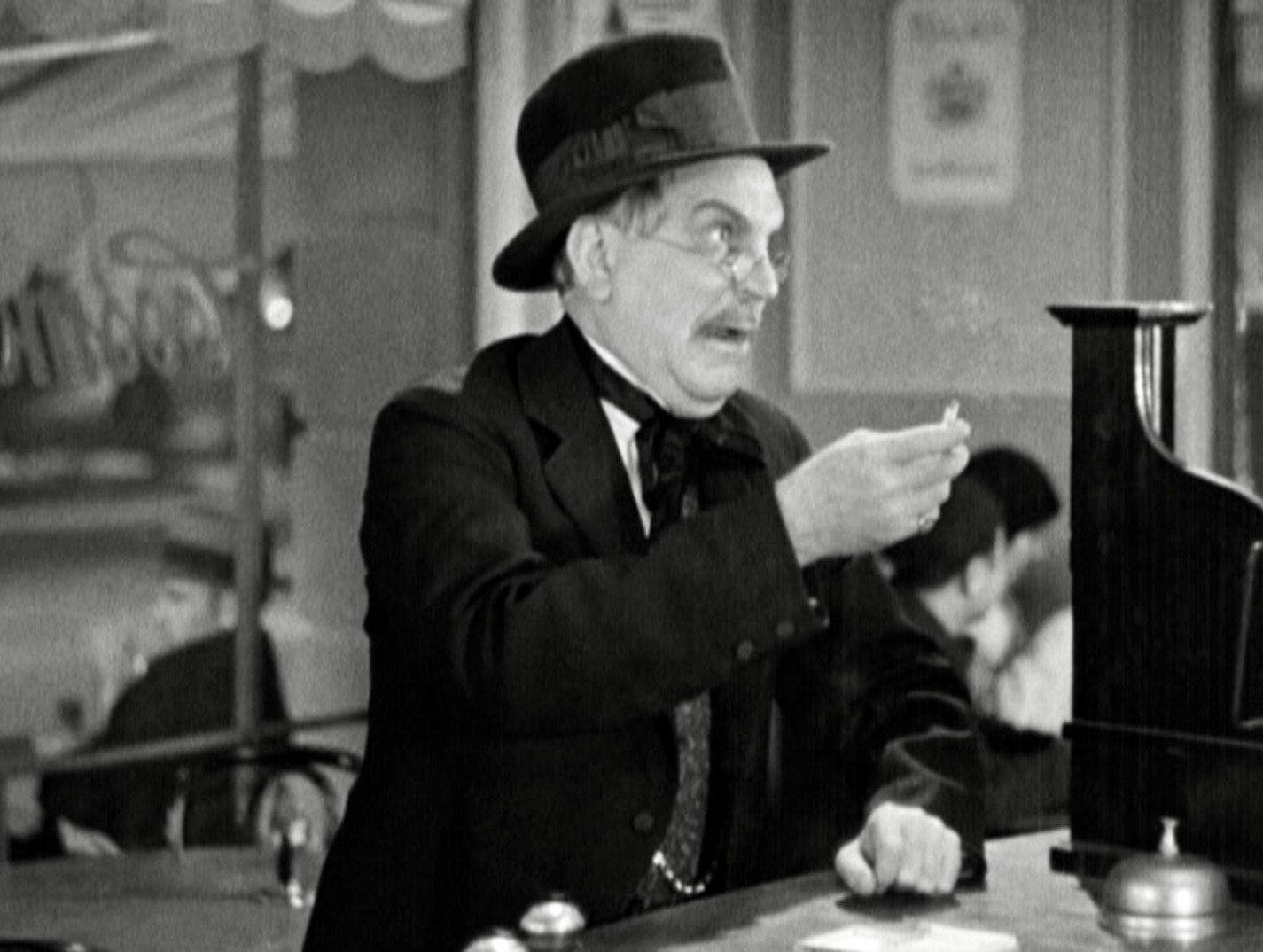
Currently Secrets of the French Police is not available on any analog format but you might be able to stream it on Youtube or catch it on Turner Classic Movies at some future date.
Other links of interest:
https://www.glamourgirlsofthesilverscreen.com/show/564/Gwili+Andre/index.html

