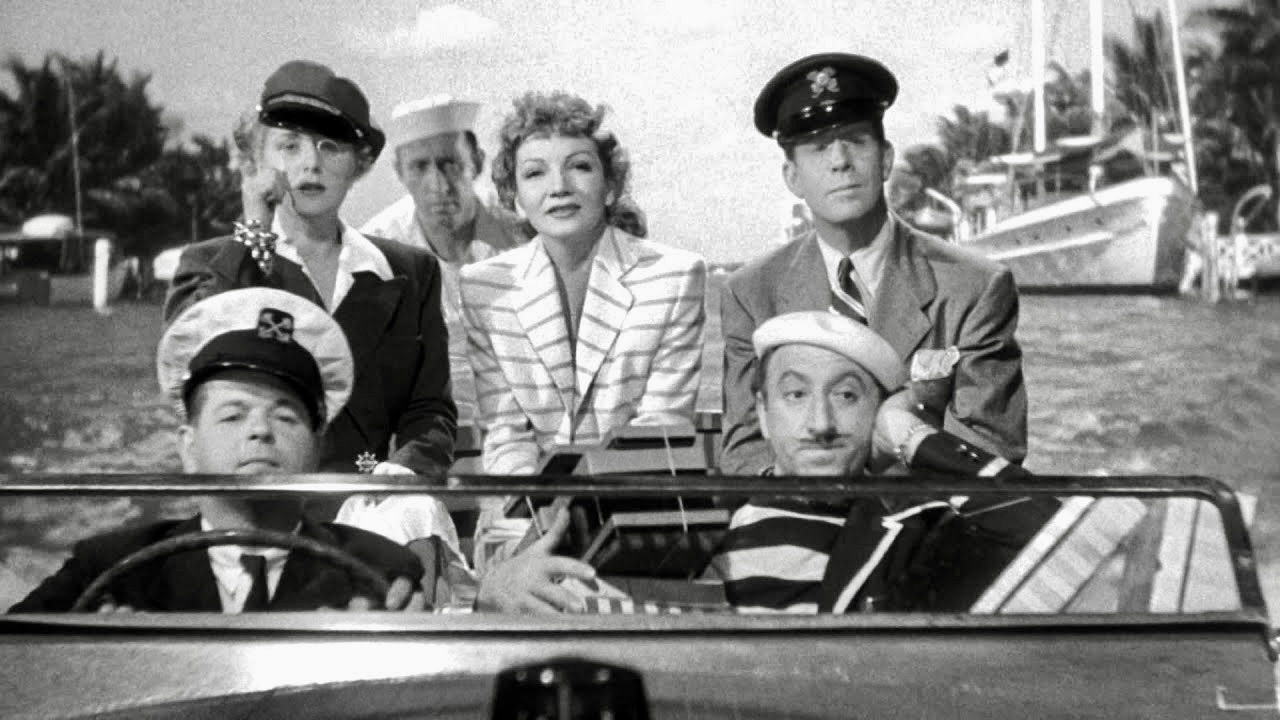
In 1942, director Preston Sturges was rapidly approaching his career peak in Hollywood. Not only was he riding high from the critical and box office success of The Lady Eve (1941), but his esteemed reputation at Paramount Studios had given him the creative freedom to complete a film project dear to his heart – Sullivan’s Travels (1941), starring Joel McCrea and Veronica Lake. So what to do for an encore? At first, Sturges toyed with the idea of doing another film with Lake called The Passionate Witch. But that project was soon handed off to French director Rene Clair with Sturges’ blessing (it was released as I Married a Witch, 1942) while Paramount’s “in-house genius” came up with a new script, tentatively titled Is That Bad?, that poked fun at the idle rich, a class of people with whom Sturges enjoyed some familiarity. After all, his former wife – Eleanor Hutton – was an heiress who was once wooed by Prince Jerome Rospigliosi-Gioeni, among other international aristocrats. This new project – which came to be known as The Palm Beach Story (1942) – would soon prove to be his most expensive undertaking to date.
Continue reading