
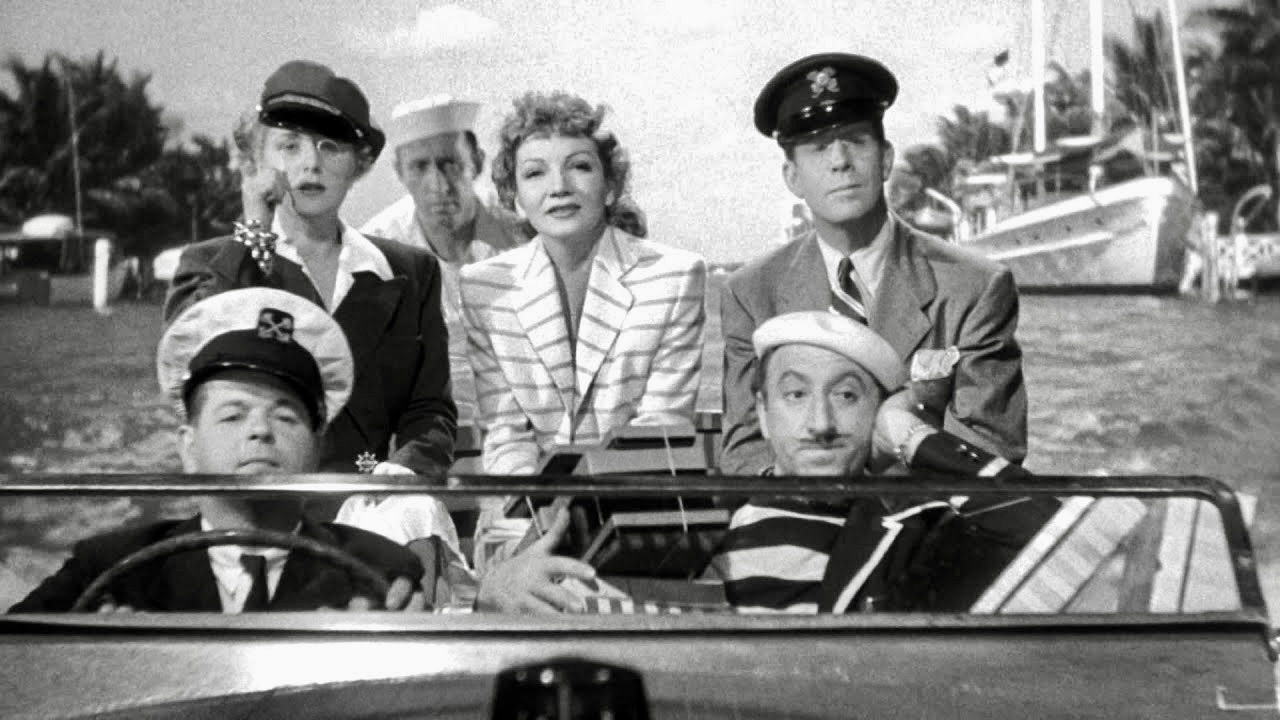
In 1942, director Preston Sturges was rapidly approaching his career peak in Hollywood. Not only was he riding high from the critical and box office success of The Lady Eve (1941), but his esteemed reputation at Paramount Studios had given him the creative freedom to complete a film project dear to his heart – Sullivan’s Travels (1941), starring Joel McCrea and Veronica Lake. So what to do for an encore? At first, Sturges toyed with the idea of doing another film with Lake called The Passionate Witch. But that project was soon handed off to French director Rene Clair with Sturges’ blessing (it was released as I Married a Witch, 1942) while Paramount’s “in-house genius” came up with a new script, tentatively titled Is That Bad?, that poked fun at the idle rich, a class of people with whom Sturges enjoyed some familiarity. After all, his former wife – Eleanor Hutton – was an heiress who was once wooed by Prince Jerome Rospigliosi-Gioeni, among other international aristocrats. This new project – which came to be known as The Palm Beach Story (1942) – would soon prove to be his most expensive undertaking to date.
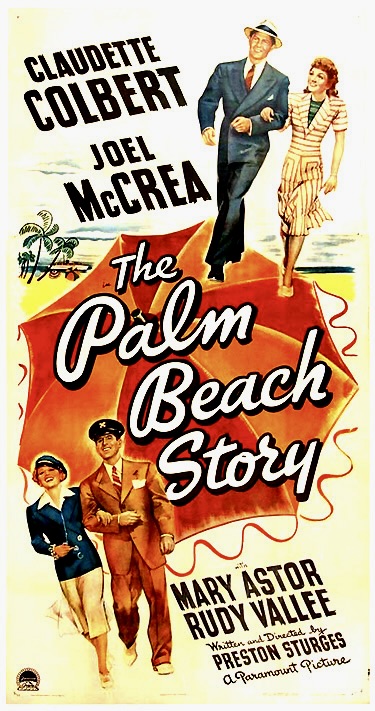
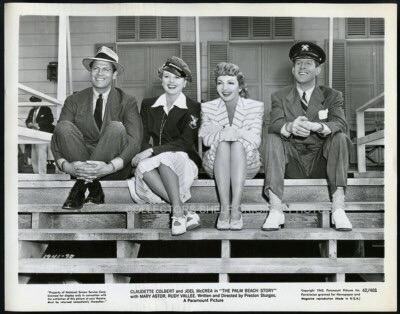
Part of the expense was due to the lavish sets, but another major factor was the salary demands of his actors: Claudette Colbert, cast in the female lead, cost $150,000; Joel McCrea was paid $60,000 as her leading man; and Mary Astor and Rudy Vallee also required hefty sums for their supporting roles. However, the rest of the cast, with the exception of William Demarest, were less famous character actors who were a part of Sturges’ usual ensemble such as Jimmy Conklin, Robert Warwick, Robert Greig, Chester Conklin and Robert Dudley as the ‘Weinie King.’
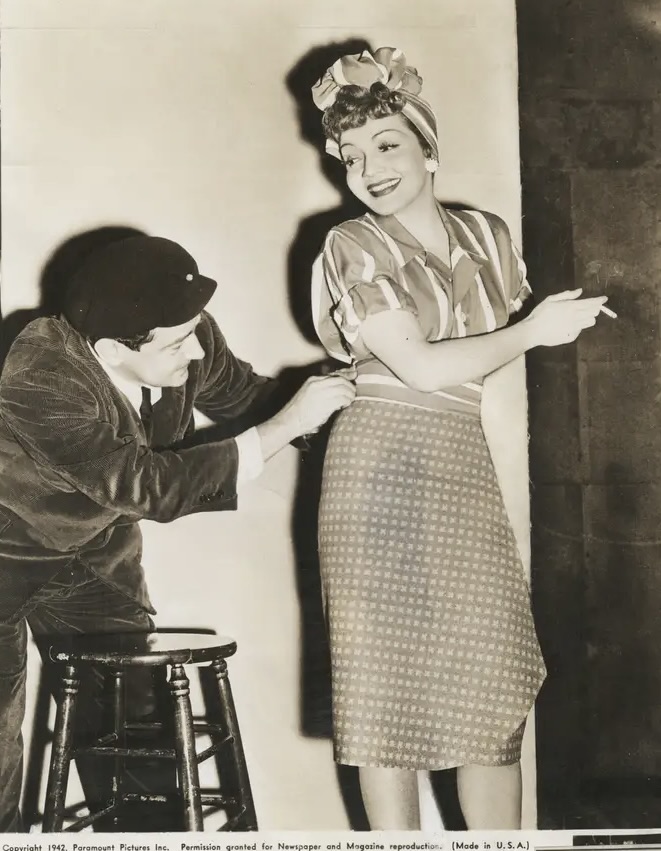
In his autobiography, Sturges wrote that The Palm Beach Story was “conceived as an illustration of my theory of the aristocracy of beauty, or, as Claudette Colbert expressed it to Joel McCrea, ‘You have no idea what a long-legged gal can do without doing anything….’ The setting was the Palm Beach I had known during the years when Paris Singer used to invite me to join him there. The few weeks I spent as Eleanor’s house guest at Mar-a-Lago were not unuseful to the story either. Millionaires are funny.”
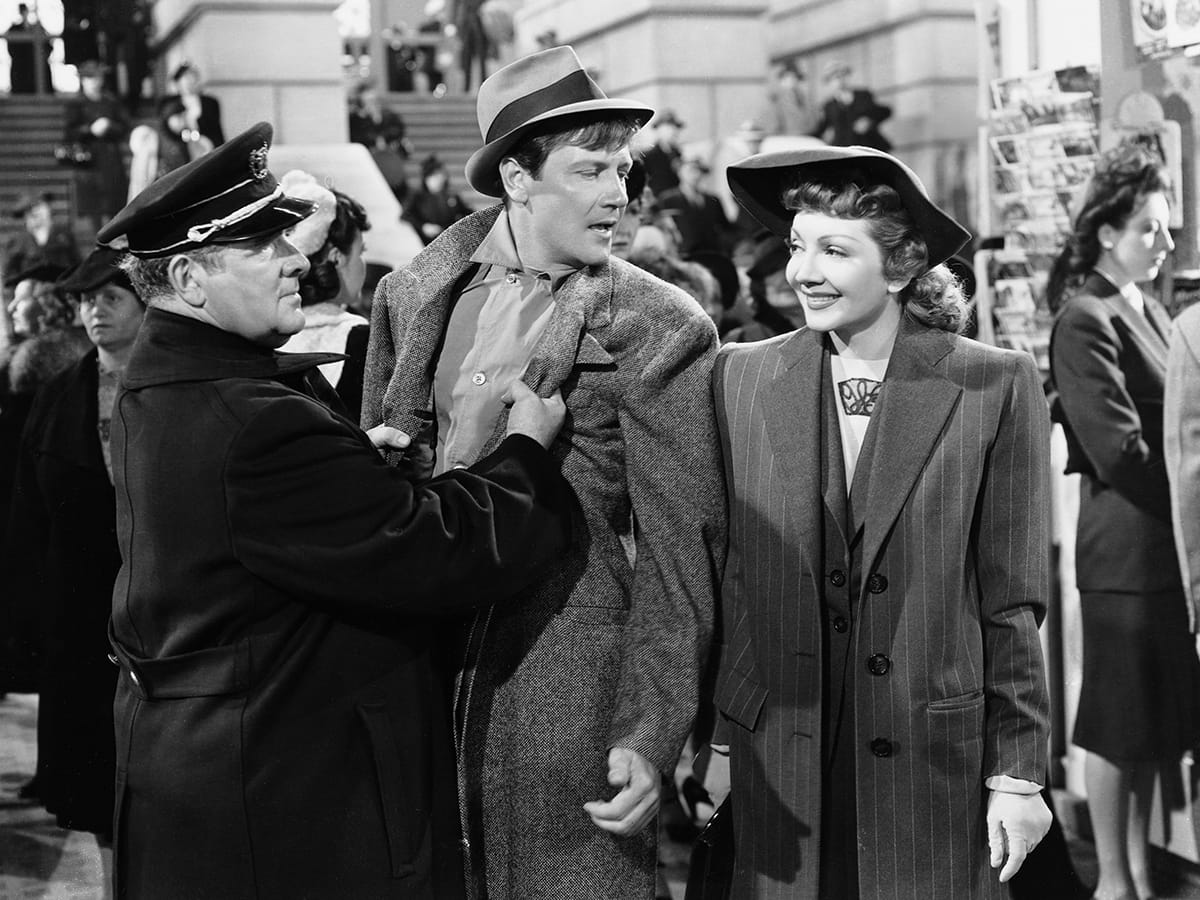
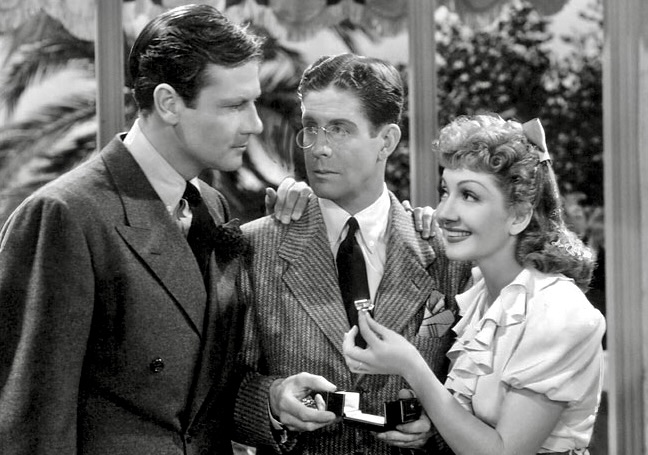
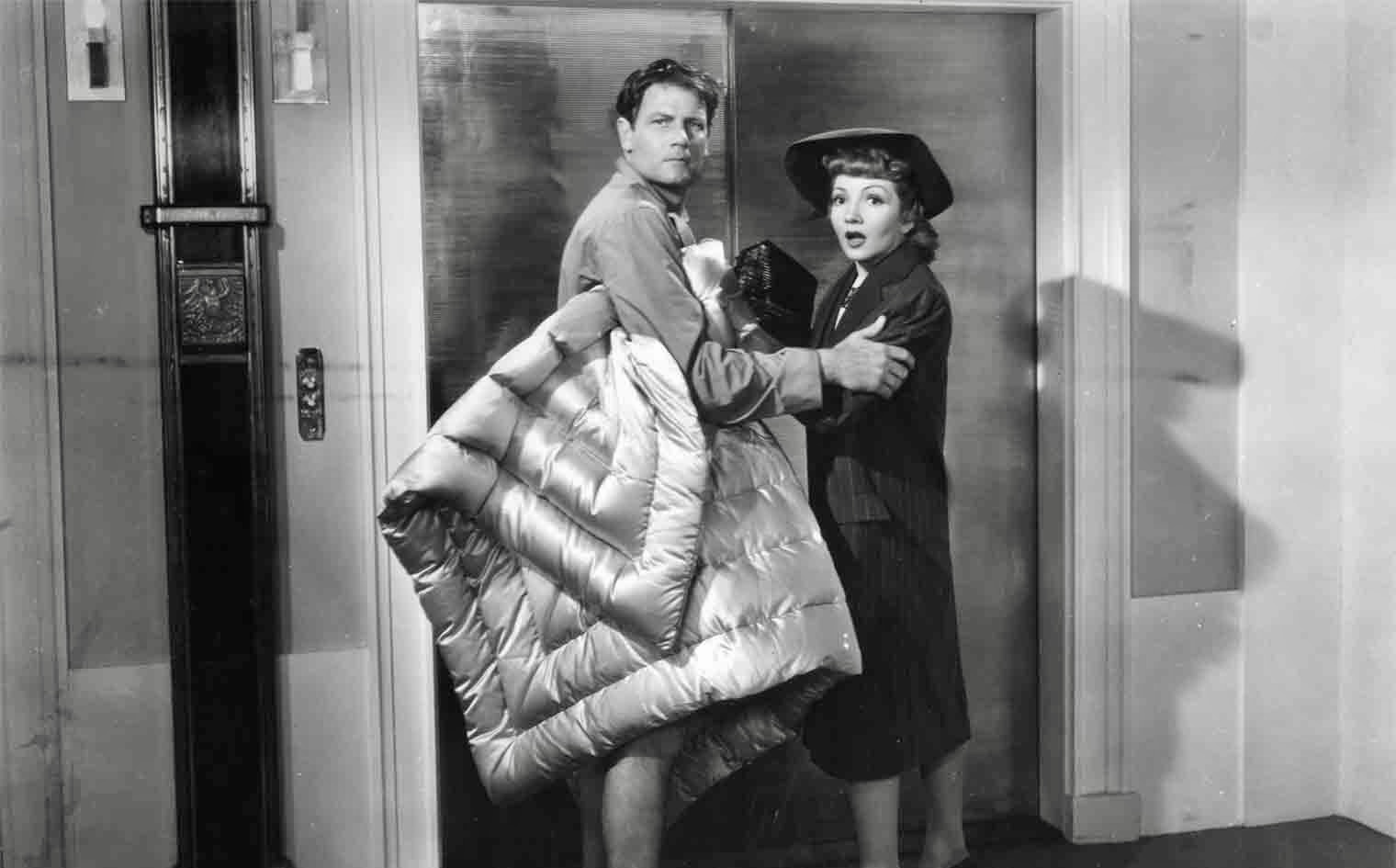
Indeed they are, and The Palm Beach Story is a delightful romantic comedy that feels like a throwback to the screwball comedies of the mid-thirties like My Man Godfrey (1936). Joel McCrea plays a struggling inventor whose lack of funding prevents him from realizing any of his grand projects. His wife (Claudette Colbert), frustrated with their penniless existence, comes up with a solution to their dilemma – she will divorce McCrea, marry a millionaire, and then use his funds to finance her ex-husband’s dream scheme. Naturally, McCrea is opposed to this proposal, but before he can stop her, Colbert catches a train to Palm Beach in search of wealthy bachelors, with her husband in hot pursuit. Soon she is being pursued by millionaire J.D. Hackensacker III (Rudy Vallee) and is hosted as a guest at his home where his man-crazy sister, the Princess Centimillia (Mary Astor), is prowling the area for new conquests.
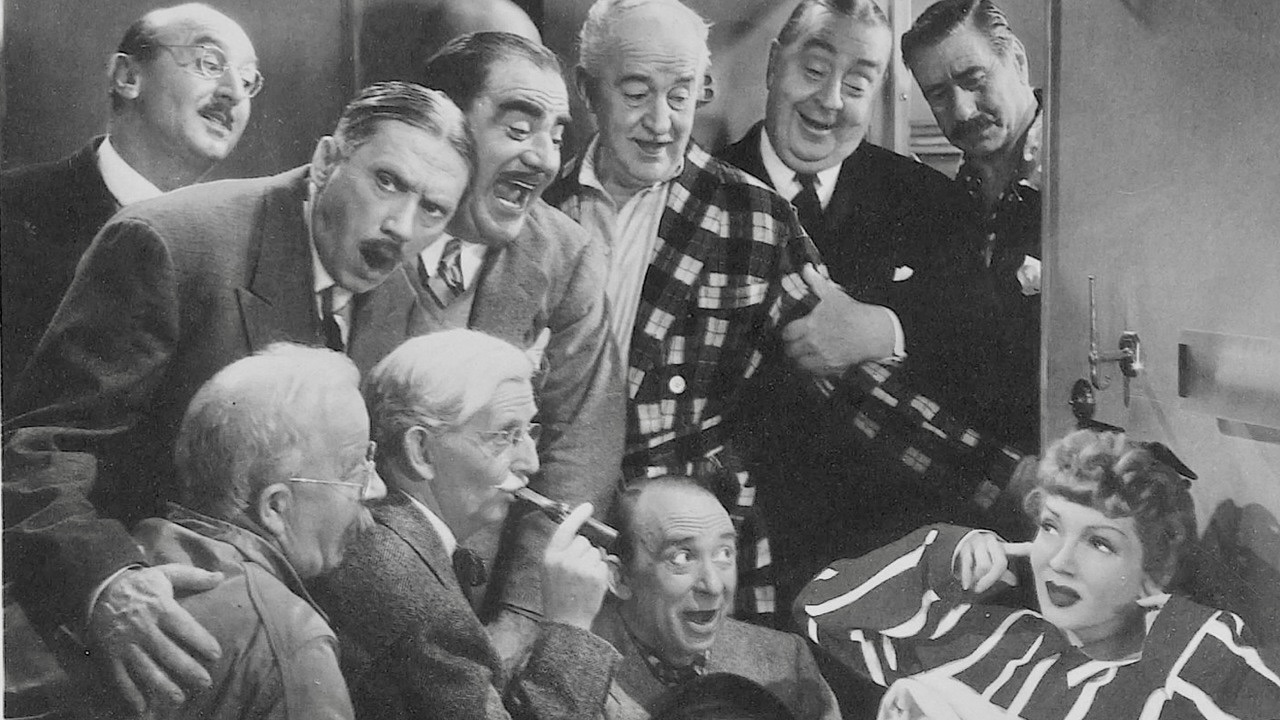
The Palm Beach Story is full of autobiographical details from Sturges’ life, such as the sequence in which the club car carrying the drunken members of the Ale and Quail Club is unceremoniously uncoupled from the rest of the train and left stranded on the tracks. A similar event happened to Sturges and his mother when they were traveling by rail to Paris and their compartment at the end of the train was unhitched and abandoned while they were having dinner two cars away.
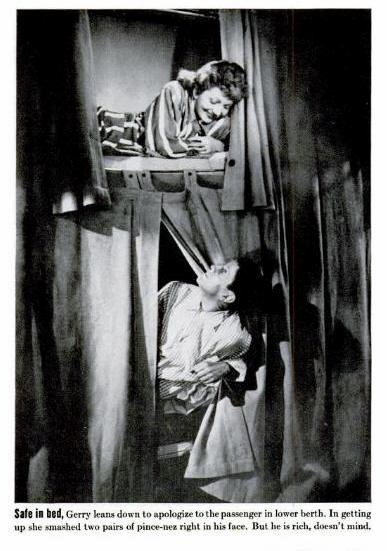
But Sturges’ fascination with trains is no secret. In his autobiography he wrote, “How I loved the porters and the dining car waiters. How kind they were to little boys. Mother always let me have the upper berth so I could peek out over the top or slide down inside the green curtain to visit her, then climb up again like a monkey. Years later I make a picture called The Palm Beach Story using just such sleeping-car berths in a scene where Claudette Colbert steps on Rudy Vallee’s face.”
When The Palm Beach Story opened in 1942, it was a welcome relief from the large number of Hollywood dramas and combat films that addressed the current World War. Audiences wanted to laugh and Sturges’ film provided the perfect outlet. The critics were harder to please, having been spoiled by the comic perfection of Sturges’ The Lady Eve, but most of them were particularly impressed with the wild pre-credit sequence that opens the film, the witty dialogue, and Sturges’ breakneck pacing.
Some even noted that the style and tone of The Palm Beach Story was firmly in the tradition of classic French farce. In fact, the film shares many similarities with Feydeau’s Le Mariage de Barillon in which complications divide several married couples and match them up with new partners before reuniting them with their original mates.
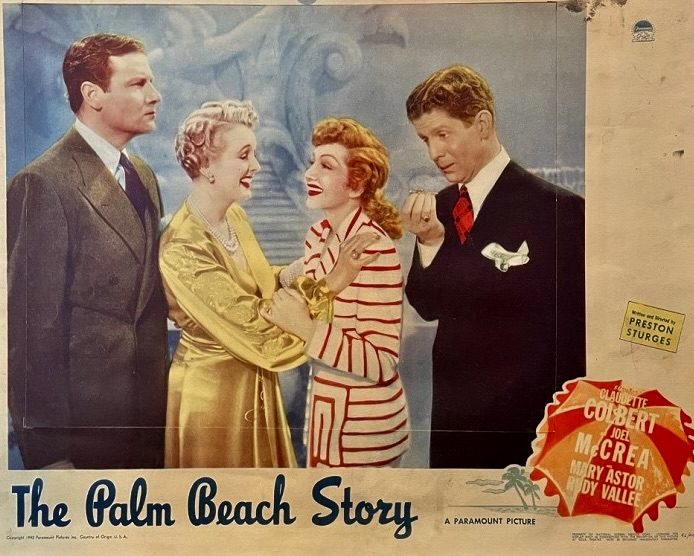
One of the real surprises of The Palm Beach Story was Mary Astor’s delightful performance as Princess Centimillia. Surprisingly, she didn’t much care for the film. In her autobiography, My Life on Film, she wrote, “I wore a blond wig and waved a lorgnette around and Rudy Vallee played my brother, and I could never please Preston Sturges, the director. It was just not my thing. I couldn’t talk in a high, fluty voice and run my words together as he thought high-society women did, or at least mad high-society women who’ve had six husbands and six million dollars. Joel McCrea had a line to me, ‘Don’t you ever talk about anything but Topic A?’ and I had to say, ‘Is there anything else?’ That got a real naughty yok in theatres!”
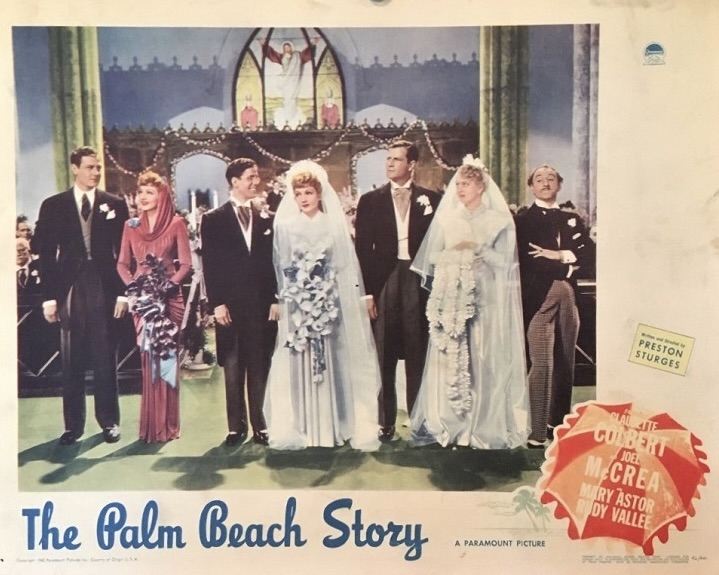
The Palm Beach Story did run into some problems with the Production Code officials (PCA) over the official screenplay. The censors rejected the script over “sex suggestive situations…and dialogue.” According to notes on the film from the American Film Institute (AFI) website, the PCA continued to have problems with the production, especially the “light treatment of marriage and divorce” and “the similarity between the character “John D. Hackensacker III” and American industrialist John D. Rockefeller.”
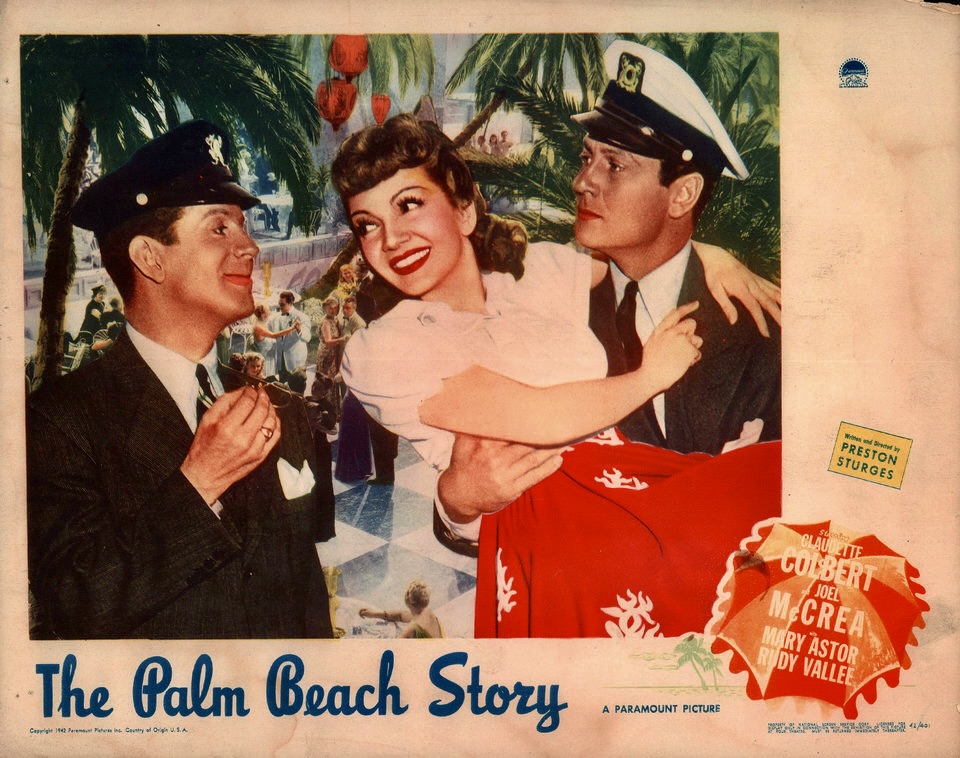
None of this appeared to be problem for film critics at the time, most of whom were expecting another comic masterpiece equal to The Lady Eve (1941). Bosley Crowther of The New York Times said The Palm Beach Story was “very short on action and very long on trivial talk…It should have been a breathless comedy. But only the actors are breathless – and that from talking too much.” Equally dismissive was The Los Angeles Times which stated the film “lacked social significance” and ended up claiming it was a question of “whether this is the least best or the next to least best” of any movie Preston Sturges had made.
Among the admirers was The Hollywood Reporter which proclaimed The Palm Beach Story “a sophisticated laugh riot” and over the years the film’s reputation has improved greatly with critic Pauline Kael calling it “One of the giddiest and most chaotic of Preston Sturges’ satiric orgies…it’s a joy.” It certainly stands as one of Claudette Colbert’s most delightful comedic performances, Joel McCrea is the ideal romantic foil (it was his second picture for Sturges) and Rudy Vallee, in his first screen comedy, is perfection as the clueless straight man (The National Board of Review selected him as the Best Actor of the year).
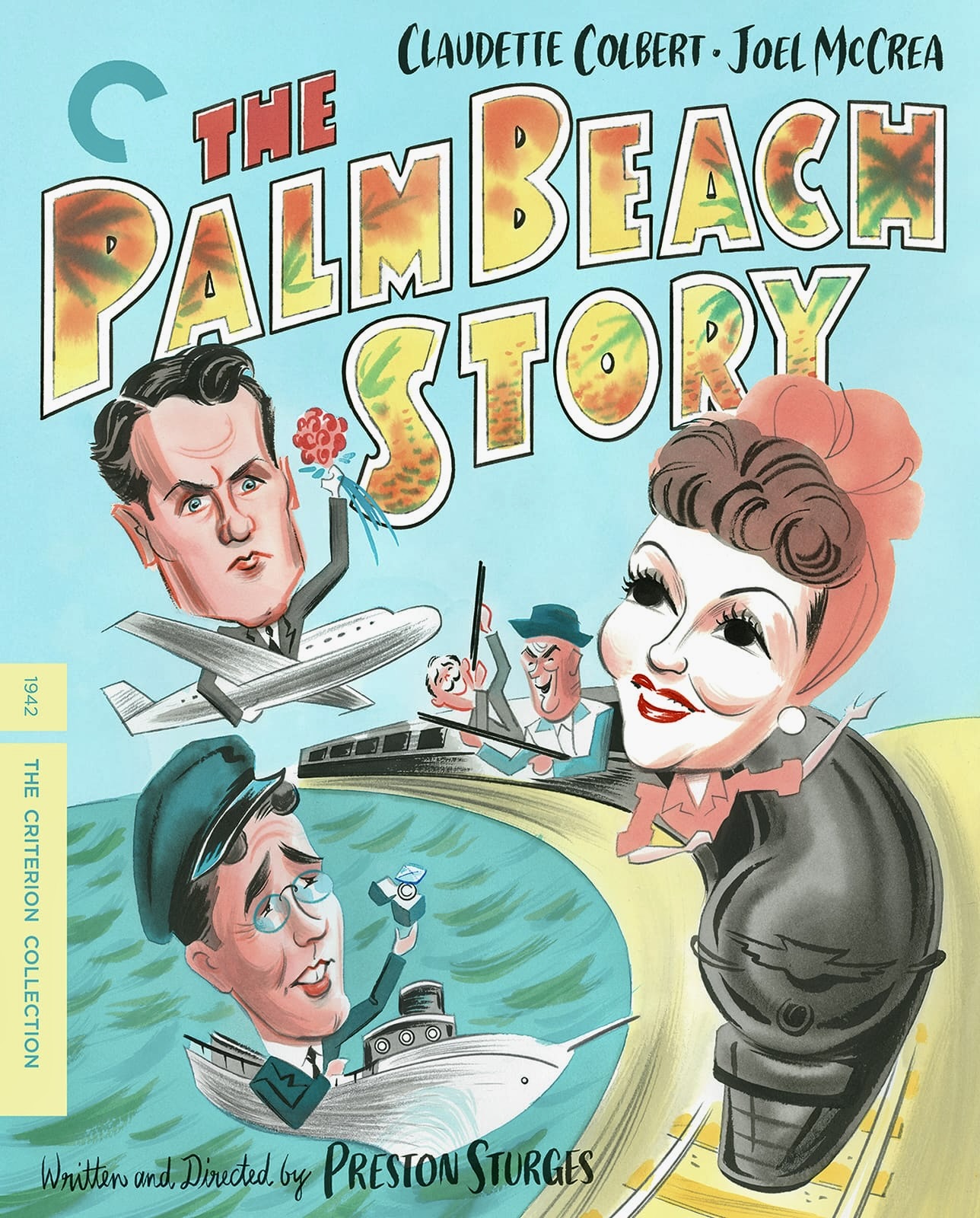
The Palm Beach Story has been released on various formats over the years but the definitive version is the Blu-ray edition from The Criterion Collection in January 2015 which includes an interview with film historian James Harvey on Preston Sturges, a radio adaptation of the film from 1943, a WW2 propaganda short by Sturges and more.
*This is a revised and expanded version of an article that originally appeared on the Turner Classic Movies website.
Other links of interest:
https://www.criterion.com/current/posts/3438-the-palm-beach-story-love-in-a-warm-climate
https://www.kennedy-center.org/artists/c/co-cz/claudette-colbert
https://www.newworldencyclopedia.org/entry/Claudette_Colbert

