The Idle Rich Are a Strange Breed

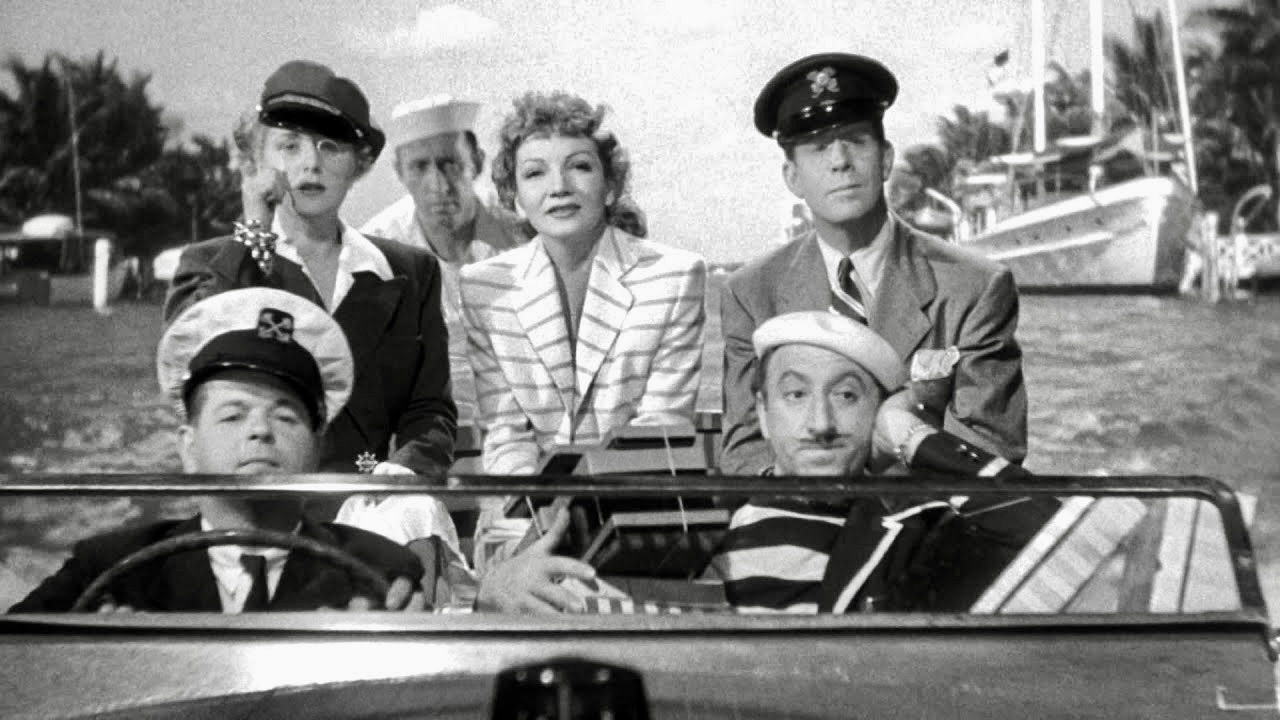
Gerry Jeffers (Claudette Colbert, center top) finds herself an unexpected guest of millionaire J.D. Hackensacker III (Rudy Vallee, top right) at his lavish estate in THE PALM BEACH STORY (1942).

In 1942, director Preston Sturges was rapidly approaching his career peak in Hollywood. Not only was he riding high from the critical and box office success of The Lady Eve (1941), but his esteemed reputation at Paramount Studios had given him the creative freedom to complete a film project dear to his heart – Sullivan’s Travels (1941), starring Joel McCrea and Veronica Lake. So what to do for an encore? At first, Sturges toyed with the idea of doing another film with Lake called The Passionate Witch. But that project was soon handed off to French director Rene Clair with Sturges’ blessing (it was released as I Married a Witch, 1942) while Paramount’s “in-house genius” came up with a new script, tentatively titled Is That Bad?, that poked fun at the idle rich, a class of people with whom Sturges enjoyed some familiarity. After all, his former wife – Eleanor Hutton – was an heiress who was once wooed by Prince Jerome Rospigliosi-Gioeni, among other international aristocrats. This new project – which came to be known as The Palm Beach Story (1942) – would soon prove to be his most expensive undertaking to date.

Continue reading →
Z Man

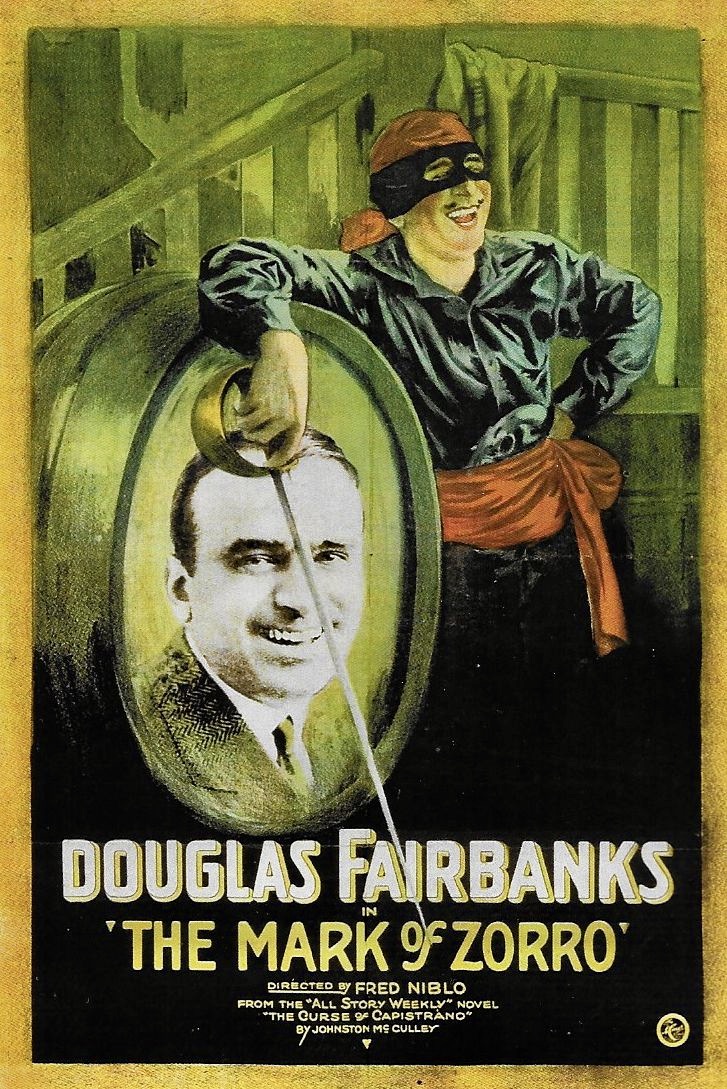
It is a well known fact that Douglas Fairbanks was one of the first superstars of the silent era but he first became famous as a leading man in romantic comedies such as Wild and Woolly (1917) and Reaching for the Moon (1917). In the aftermath of World War I, audiences had grown bored with the cheerful, boy-meets-girl formula that had made Fairbanks a popular screen idol so the star decided to try a different tactic. A short story by Johnston McCulley, “The Curse of Capistrano,” had appeared in the pulp magazine, All-Story Weekly, and he decided to read it during a long train trip from New York to Los Angeles. This was unusual in itself since Fairbanks did not like to read (and that included his movie scripts) but actress Mary Pickford encouraged him to read the serial and McCulley’s story became his next project. It was first called The Curse of Capistrano, which was then changed to The Black Fox and finally released as The Mark of Zorro in 1920.

Continue reading →

What’s Worse Than a Typhoon?

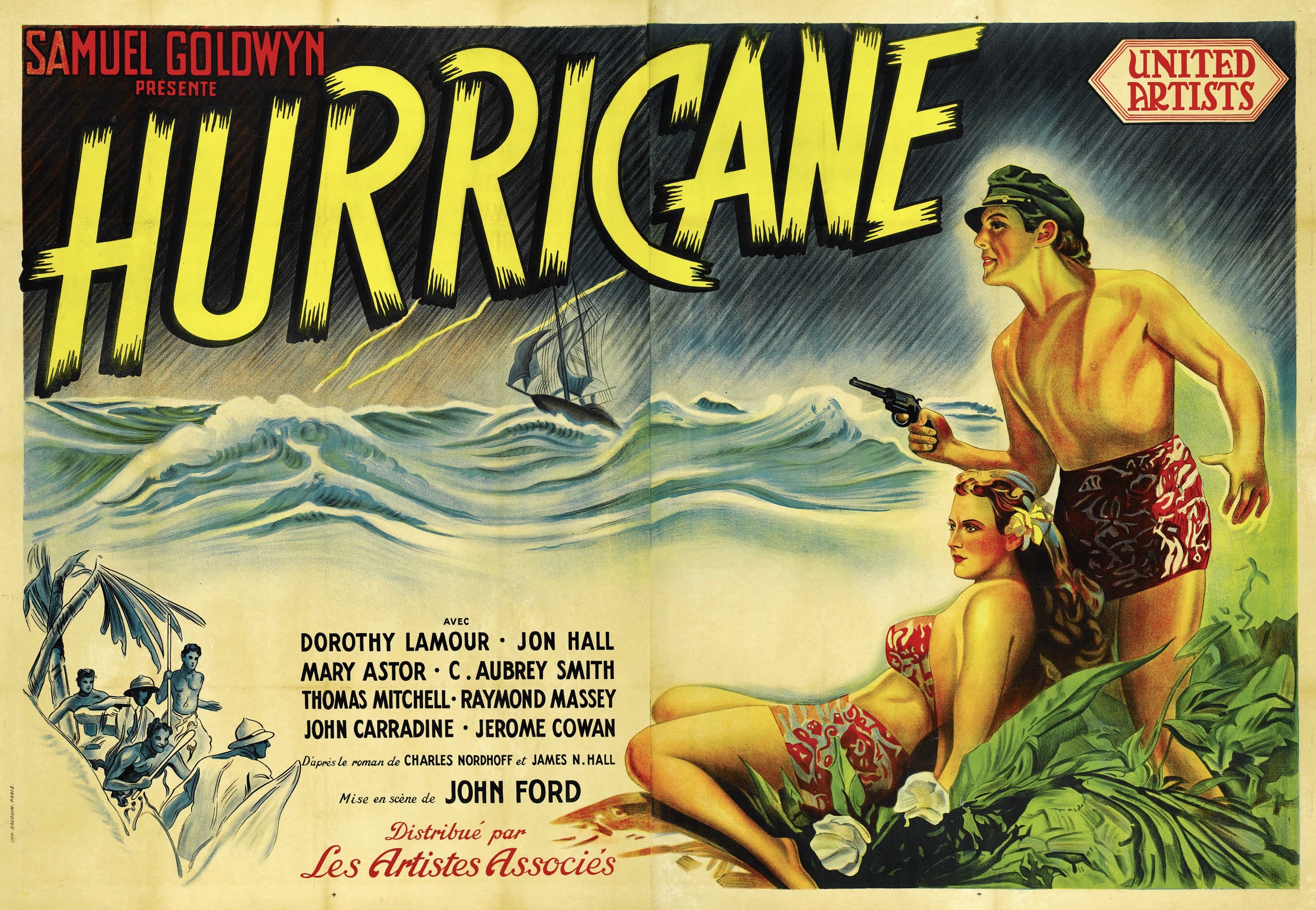
The 1970s may have been the era of the disaster film with such box office hits as Airport (1970), The Poseidon Adventure (1972), The Towering Inferno (1974) and Earthquake (1974) but the genre has been popular since the silent era when Noah’s Ark (1928) first awed moviegoers with its spectacular flood sequence. Certainly the most famous disaster film of the early sound era is San Francisco (1936) with its spectacular earthquake scenes but even more ambitious and almost overlooked today is The Hurricane (1937), directed by John Ford. While not on a level with the director’s later masterworks such as The Grapes of Wrath (1940), How Green Was My Valley (1941) or They Were Expendable (1945), this tale of colonial repression and injustice is set against the exotic background of the South Seas.

Continue reading →