New Discoveries & Overlooked Treasures: Telluride Film Festival 2012

*This archived article originally appeared on the Turner Classic Movies website in September 2021.

Tis the season for major film festivals and Telluride often exceeds those that follow – Toronto, New York, Chicago – by presenting the North American premieres of major works, a mixture of Cannes award winners receiving their American debut, lesser known surprises (some without distributors yet) and wonderful retrospectives from silent films with live music accompaniment to overlooked treasures like Agnes Varda’s La Pointe Courte (1956), Ermanno Olmi’s Il Posto (1961) and Paul Fejos’ Lonesome, (1928).  Unlike the other film festivals, however, Telluride enjoys a long held tradition of withholding its slate of films until the day before the event begins and attendees are rarely disappointed; in fact, most patrons feel rewarded for making the annual trek deep into the Rockies. The big event premieres of the 2012 event included such heavy hitters as Christian Petzold’s Barbara, Michael Haneke’s Amour and The Attack, Ziad Doueiri’s controversial drama about a suicide bombing in Tel Aviv. Yet, it was the unexpected additions of such films as the French documentary Journal de France, Michael Winterbottom’s Everyday, I Knew Her Well (1965) from Italian director Antonio Pietrangeli, and a revival of Something Wild (1961) that made it such an unforgettable year.

Continue reading
Shifting Sands

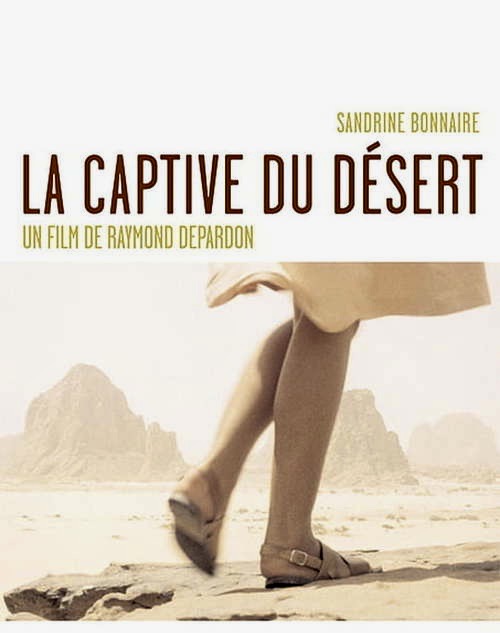
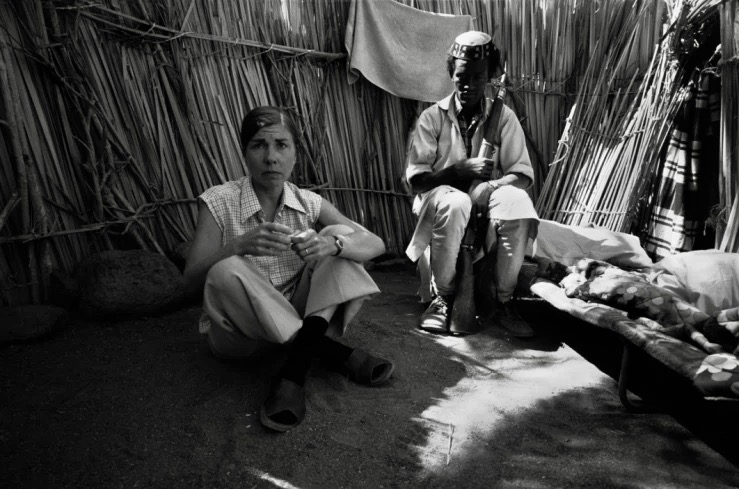
In the Spring of 1974, French archeologist Francoise Claustre along with a young aide and a German doctor and his wife were captured by rebel forces in Chad, Africa while exploring pre-Islamic tombs. The doctor’s wife was killed during the attack but her husband was quickly released after West German officials paid his ransom. The aide later escaped but Claustre remained a hostage of the Maoist rebel leader Hissene Habre and his clan for 33 months. During that time, her husband Pierre, a French official, tried to bargain with the rebels when his government proved inept at handling the situation but he too ended up being captured and held in a different camp in Chad. Renowned photojournalist and documentary filmmaker Raymond Depardon was allowed to interview Francoise during her ordeal for his non-fiction shorts, Tchad 2: L’ultimatum (1975) and Tchad 3 (1976), which were broadcast on French TV and provoked a major public outcry over the entire situation. Finally in January 1977 Libyan leader Muammar Gaddafi brokered a deal with the Chad rebels and the French couple was released and returned to Paris. Interestingly enough, Depardon would return to this subject again in 1990 with La Captive du Desert (Captive of the Desert), a fictionalized account of the Claustre affair which remains one of his few forays into feature film making.

French hostage Francoise Claustre being held prisoner by Chad rebels in 1974.
Continue reading