The Detective and the Madman

A. Edward Sutherland was a highly skilled and reliable director from the Hollywood studio system era who is best known today for his light comedies and musicals, especially the ones he made with W.C. Fields such as It’s the Old Army Game (1926), Tillie’s Punctured Romance (1928), International House (1933), Mississippi (1935) and Poppy (1936). In fact, he was one of the few directors that got along well with the notoriously difficult comedian on film shoots and the two were also close friends off the movie set. Sutherland, who got his start in the film industry in 1914 as a stuntman and actor, even served as assistant director on Charlie Chaplin’s A Woman of Paris (1923) and made the transition to directing in 1925.  What isn’t as well known is the fact that Sutherland made two Pre-Code thrillers in the early thirties that are often overlooked in his filmography.
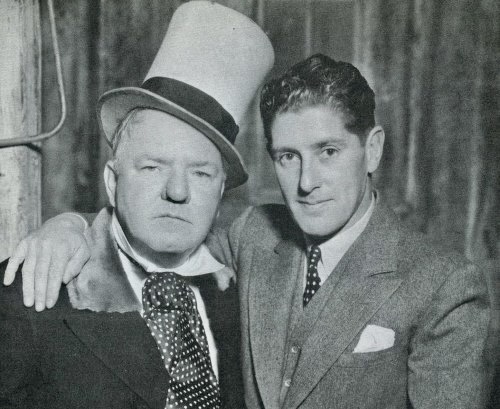
Comedian W.C. Fields and director A. Edward Sutherland

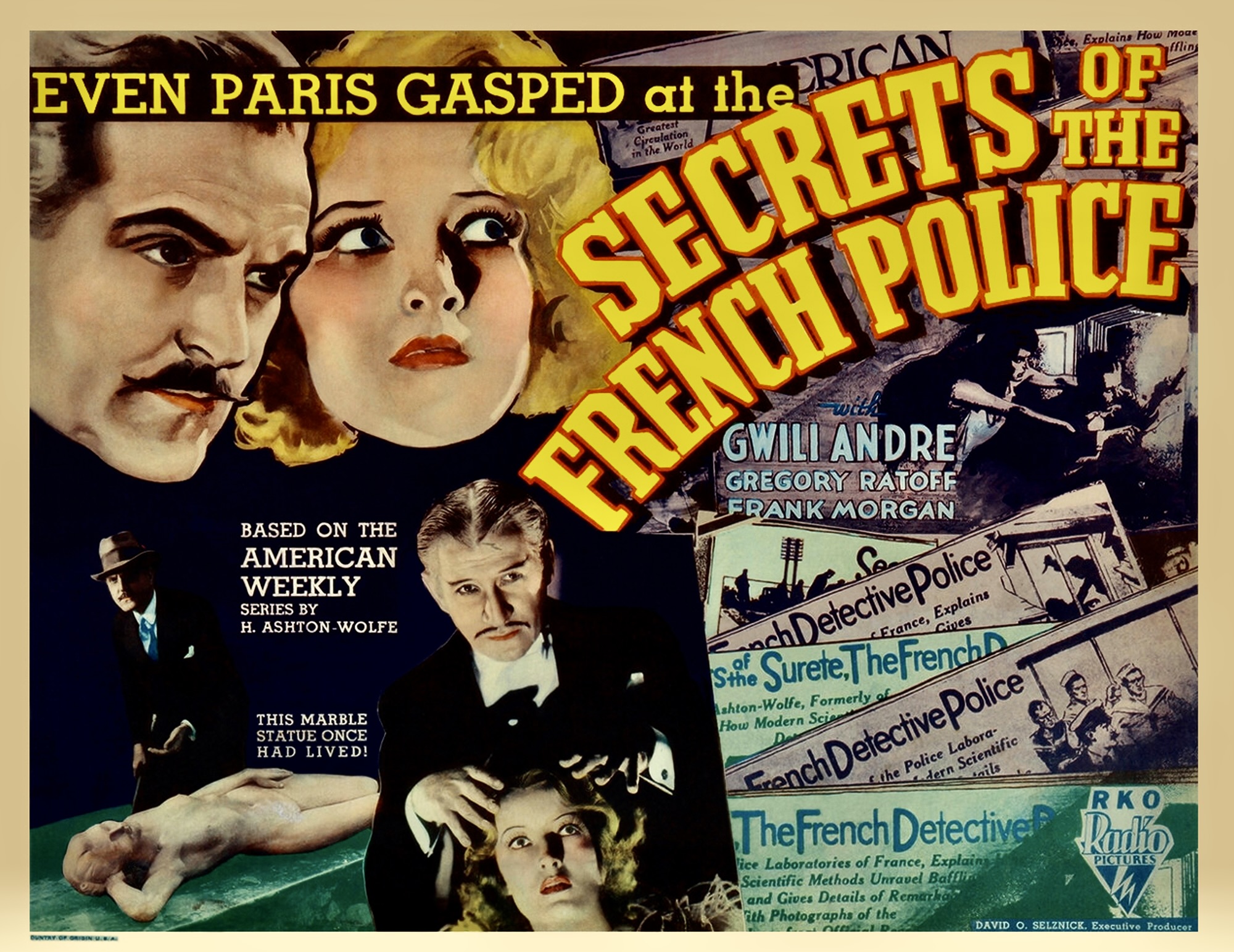
Secrets of the French Police (1932) is a deliriously entertaining B-movie programmer that clocks in at a brisk 58-running time and manages to blend Grand Guignol horror with a plot to pass off a flower vendor as the missing Princess Anastasia, the daughter of Tsar Nicholas II of Russia. Murders in the Zoo (1933) is an unusually sadistic yarn in which a crazed millionaire (Lionel Atwill) uses wild animals in his zoo to murder his enemies. While Murders in the Zoo deserves an in-depth article on its own, I am devoting this post to the overlooked Secrets of the French Police, which was executive produced by David O. Selznick for RKO Studios (the mogul would leave RKO for MGM in 1933, where he would produce movies for his father-in-law Louis B. Meyer).

Continue reading
Who Has the Last Laugh?

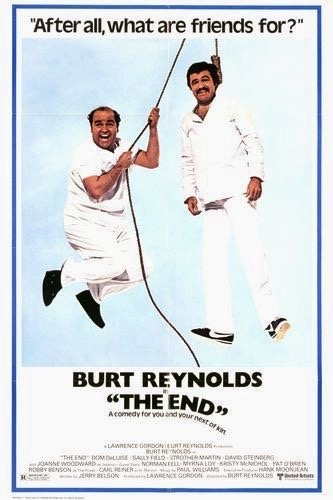
By 1978 Burt Reynolds was approaching the peak of his popularity which would begin to taper off in the mid-eighties as he approached the age of 50. He had just completed two huge box office hits, Smokey and the Bandit and Semi-Tough (both 1977) and was in a position to choose and develop any project he fancied. But instead of rushing into a sequel to Smokey and the Bandit or some other big budget vehicle that exploited his good ole boy blend of machismo, charm and sex appeal, Reynolds chose to make a risky, offbeat black comedy about a man dying of a terminal condition who contemplates suicide as a solution to a slow, agonizing death. In addition, the popular leading man would direct and star in it and cast his girlfriend at the time Sally Field in a prominent role. Released as The End in 1978, the film was not what moviegoers or critics expected from Reynolds or even wanted. 

Continue reading

Unlucky Horoscopes

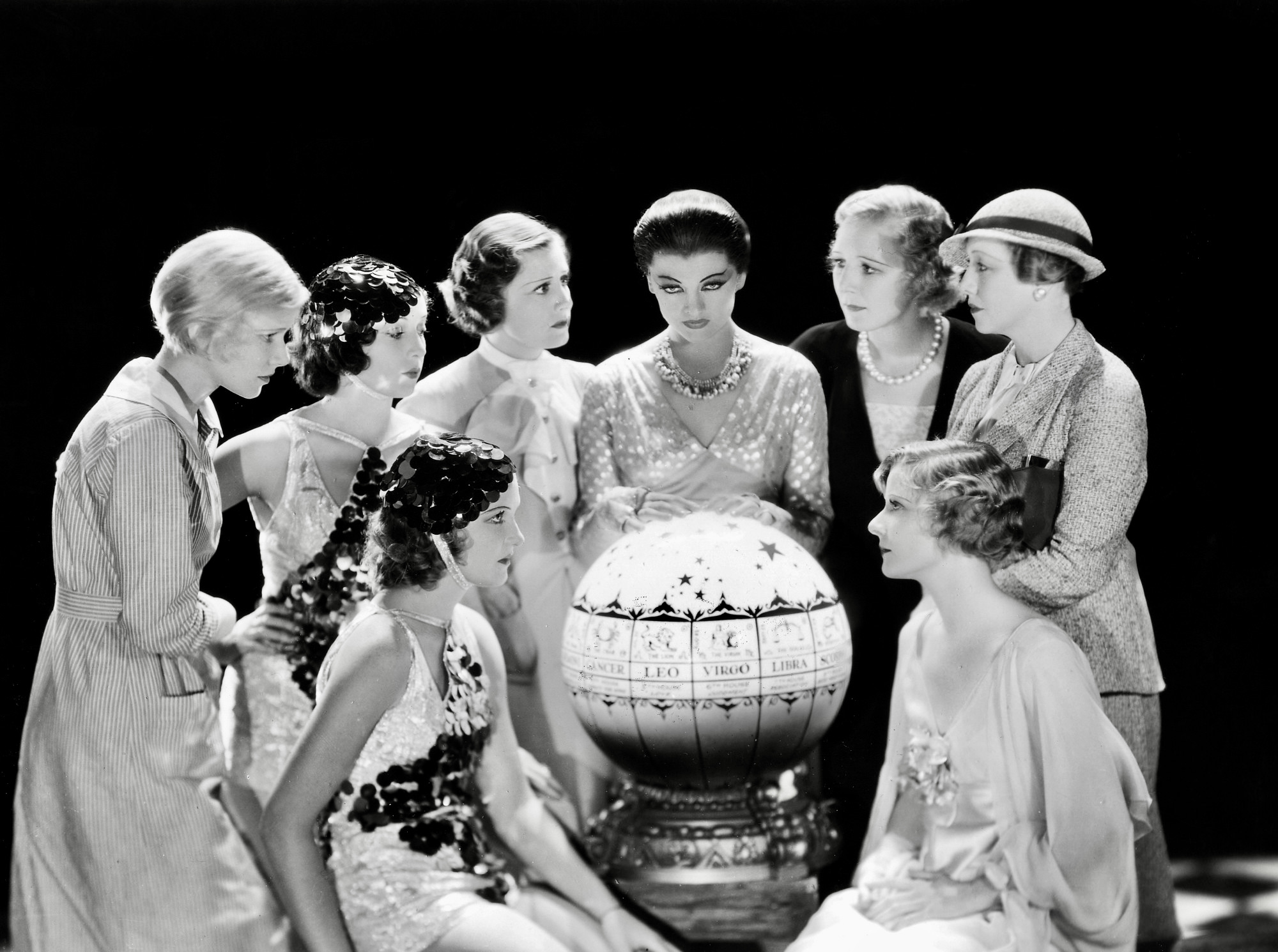
The cast of Thirteen Women consult with Ursula Georgi (Myrna Loy, center) over their horoscopes in this publicity photo from the 1932 melodrama.

Throughout most of the 19th century in America, astrology was considered an occult science embraced by a small but growing number of converts. It wasn’t until the mid-1920s that an interest in astrological signs and horoscopes crossed over from a cult phenomenon to more popular acceptance on a national scale. This was partially due to the success of The Bowl of Heaven (1924), an autobiography of famous astrologer Evangeline Adams and the influential periodical American Astrology, which began publishing in 1923. It was only a matter of time until Hollywood would capitalize on the movement’s popularity by using it as a plot device in Thirteen Women (1932), one of Myrna Loy’s least known and most peculiar roles.

Continue reading