
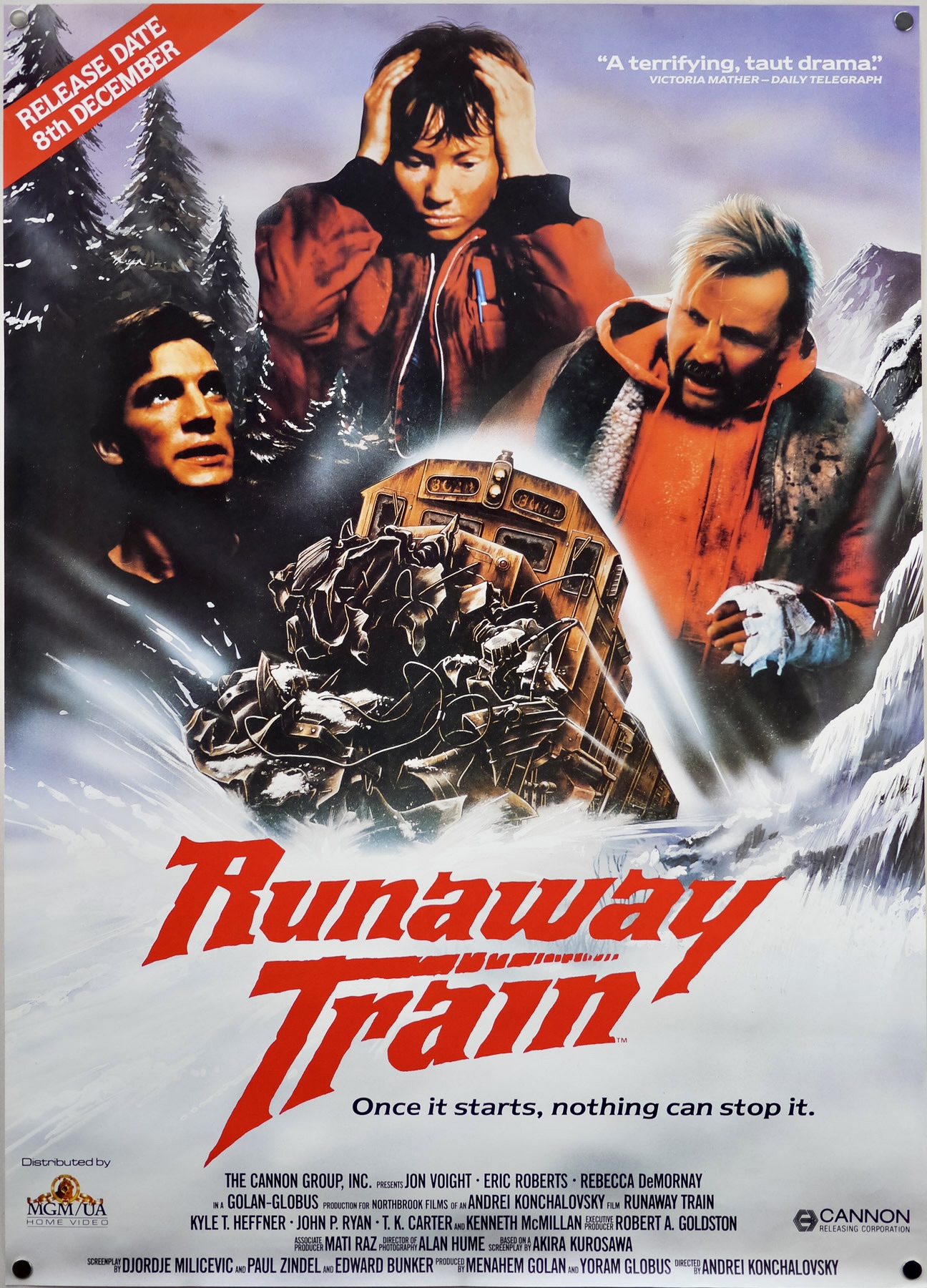
There was a brief time in the 1980s when the international production/distribution company Globus-Golan, managed by Israeli mogul Yoram Globus and his cousin Menachem Golan, garnered and generated more press coverage than box office receipts or critical acclaim for their movies. Their legendary deal-making and oversized egos were part of the film industry’s fascination with the Globus-Golan partnership and the duo had a good run from 1978 through 1988, which were the prime years for their company. Most of their major successes were star-driven action vehicles like Charles Bronson in Death Wish II (1982) and its sequels, The Delta Force (1984) starring Chuck Norris) and Sylvester Stallone as a Los Angeles cop in Cobra (1986). They also had some surprise hits in music/dance and teen sexploitation categories like Breakin’ (1984) and The Last American Virgin (1982). Globus-Golan even tried to crack the arthouse market with smaller indie productions like That Championship Season (1982), Fool for Love (1985), Barfly (1987), and the Jean-Luc Godard directed King Lear (1987) with Woody Allen, Norman Mailer and Molly Ringwald but only a few were successful like Runaway Train (1985), directed by Andrei Konchalovsky. Utilizing tropes from prison breakout flicks and man-made disaster films, Runaway Train was a weird hybrid that worked as a straight-ahead action adventure but also as a psychological character study unfolding in an extreme setting – the icy tundra of the Alaskan wilderness.
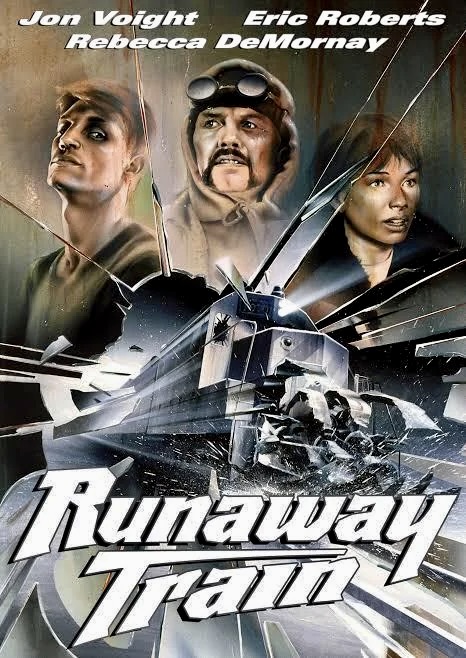
Even more surprising was the fact that Runaway Train earned three Oscar nominations – Best Actor (Jon Voight), Best Supporting Actor (Eric Roberts) and Best Film Editing (Henry Richardson). It didn’t win in any category and there were even rumors that Globus-Golan used bribery to earn Academy Award recognition. Yet, this seems improbable since the movie was enthusiastically endorsed by numerous high-profile film critics and also garnered awards from other festivals such as the Cannes Film Festival (Andrei Konchalovsky was nominated for the Palm d’Or) and the Golden Globes which included three honors – Best Motion Picture – Drama, Best Actor (Jon Voight won the award) and Best Supporting Actor (Eric Roberts).
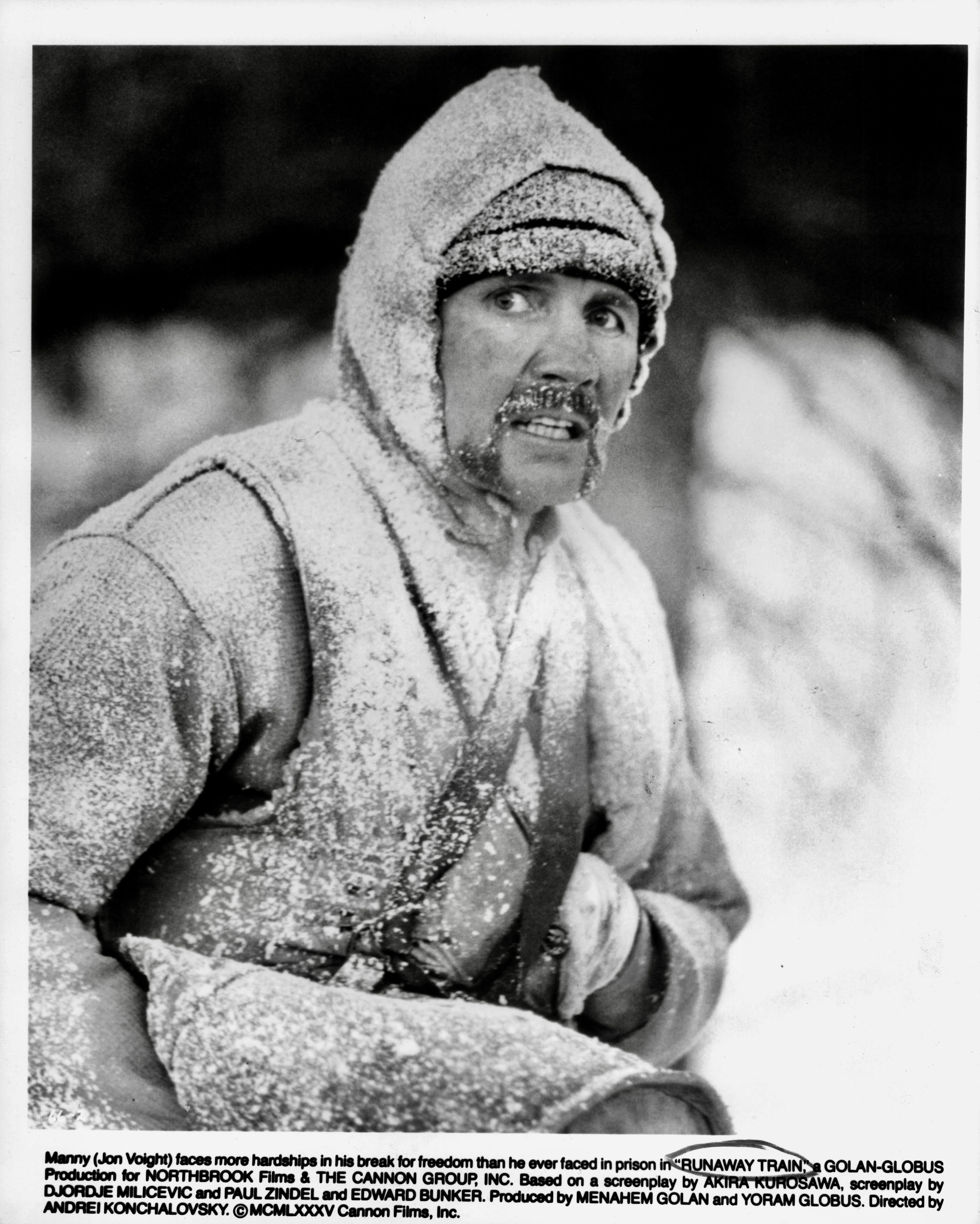
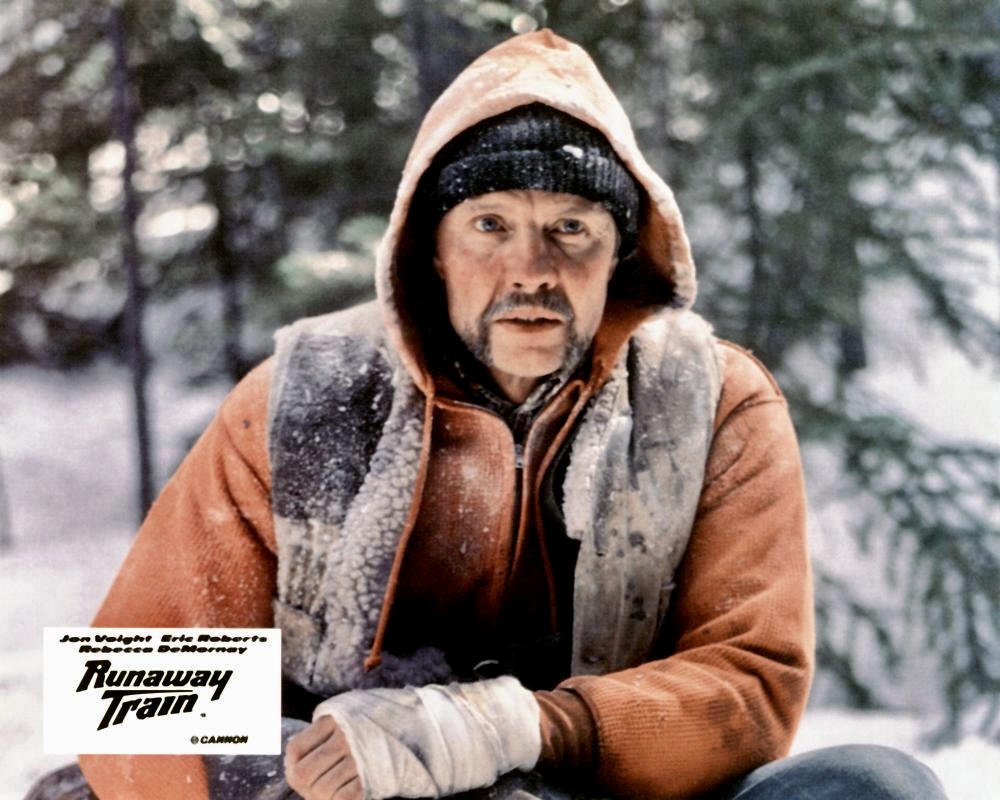
If Runaway Train represented a peak period in the history of Globus-Golan productions, it also provided important roles for Voight, Roberts and Rebecca De Mornay at a crucial time in their careers. Voight was struggling to rebound from the box office disappointments of the Hal Ashby bomb Lookin’ to Get Out (1982) and Table for Five (1983) and the role gave the actor the opportunity to play another emotionally damaged, volatile character like the one he played in Coming Home (1978), Voight’s first and only Oscar winning performance.
In an interview with Joe Leydon of The Moving Picture Show, Voight commented on his role in Runaway Train, saying, “To me, the character he most resembles in film literature is the one Toshiro Mifune played in Kurosawa’s Sanjuro. In other words, this weary man who had lived a life of violence, but who knows more than anybody else…The hardest thing about playing this man for me, I suppose, was in the area of his aloneness, his not needing anything from anybody. I mean, he was set on his course. He never allowed himself to feel self-pity, or social needs. He didn’t allow it, because he couldn’t allow it. There was a certain mind fix to him. I must say, I respected this character. He’s a powerful guy. He’s a survivor. But he judges himself harshly.”
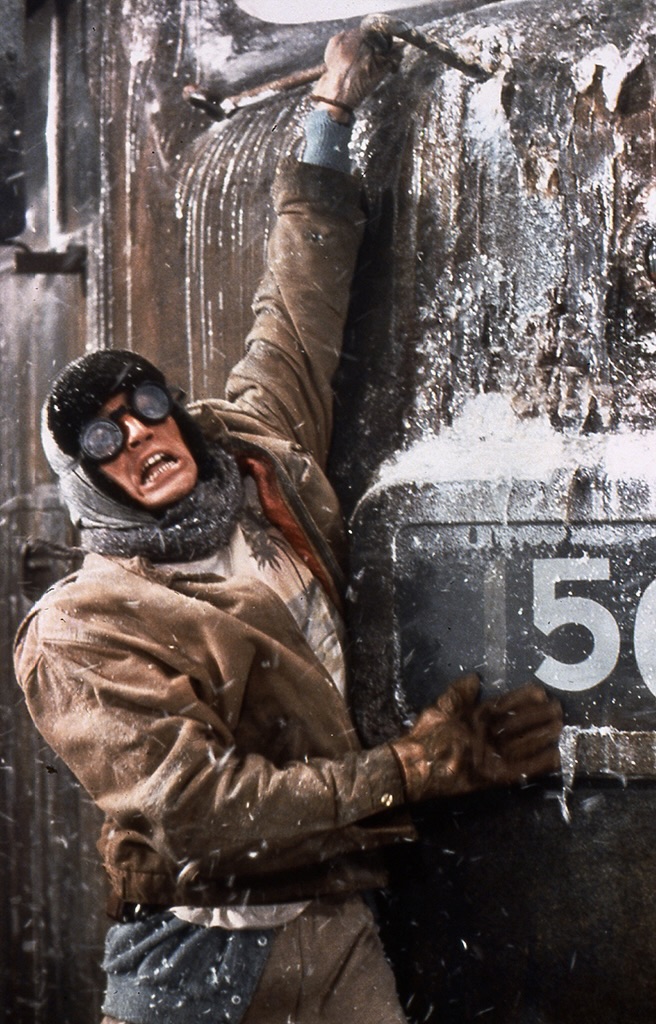
At the time of Runaway Train, Roberts was rapidly ascending as one of the most in-demand actors of his generation with such impressive credits as Raggedy Man (1981), Star 80 (1983), The Pope of Greenwich Village (1984) opposite Mickey Rourke and the 1985 satire The Coca-Cola Kid, directed by Dusan Makavejev. Unfortunately, Roberts developed a drug problem in the mid-eighties which was made worse by complications from a serious car accident in 1981. He quickly fell off the A-list of Hollywood leading men and by 1990 he was accepting work in countless genre films, TV movies and direct-to-video releases like The Ambulance (1990), Freefall (1994) and Sensation (1994). Roberts eventually worked out his personal problems and channeled all his time and energy into acting – he has appeared in over 800 films & TV shows! – but one wonders what might have happened if his career hadn’t taken a nosedive in the 1980s.
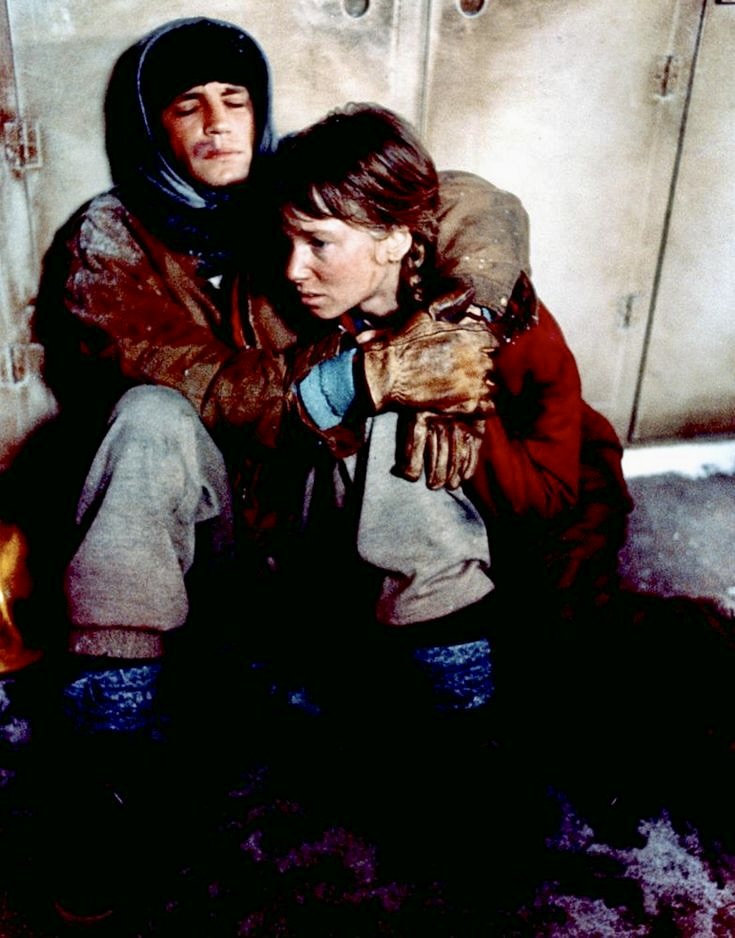
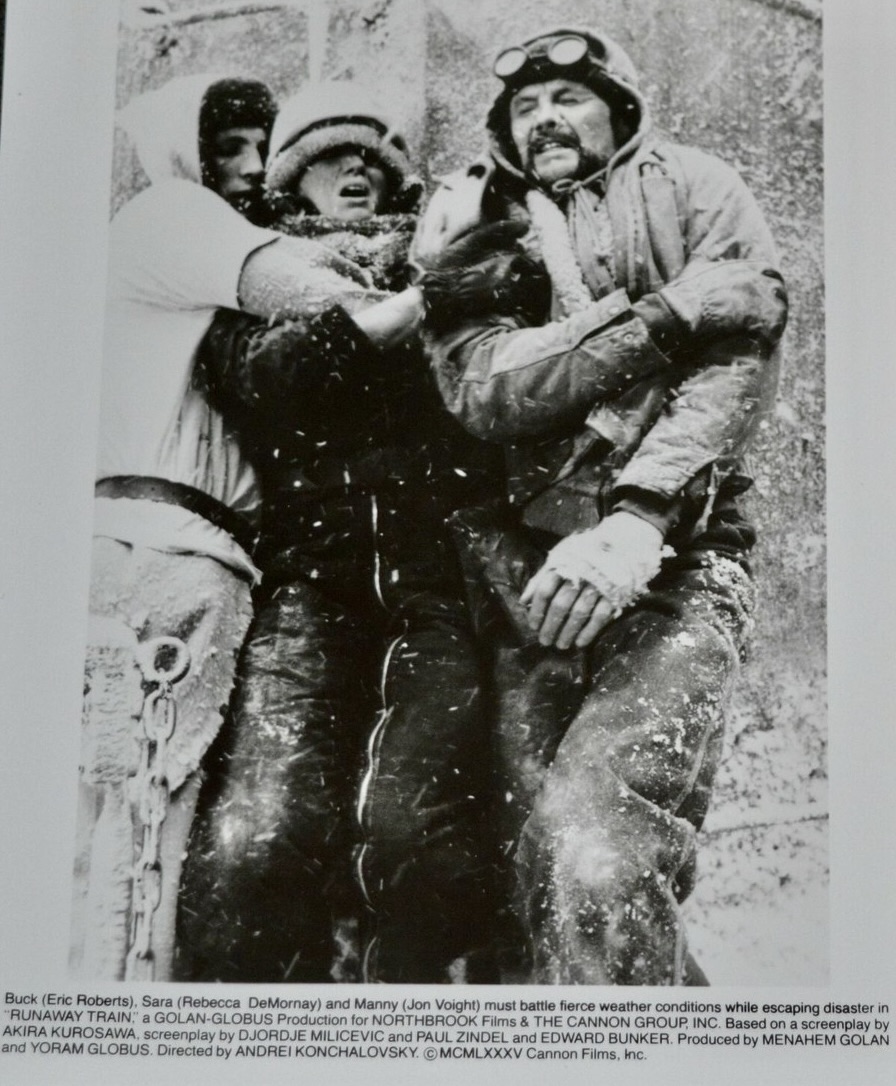
As for Rebecca De Mornay, she was trying to survive the critical drubbing she had received for her performance in the Neil Simon comedy The Slugger’s Wife (1985) after her iconic breakthrough role as a sexy amoral prostitute in Risky Business (1983). In what seems like a perverse example of playing against type, De Mornay is completely deglamorized in Runaway Train as Sara, a grime-covered mechanic who is introduced in a surprise plot twist in the middle section of Konchalovsky’s film. In an interview with the Philadelphia Inquirer, the actress said, “”It’s my first real action-oriented picture. There are scenes where I’m walking across the top of a train – things like that. I really wanted to do something that called for a lot of physical acting, where I’m acting not as much with words as with my body.”
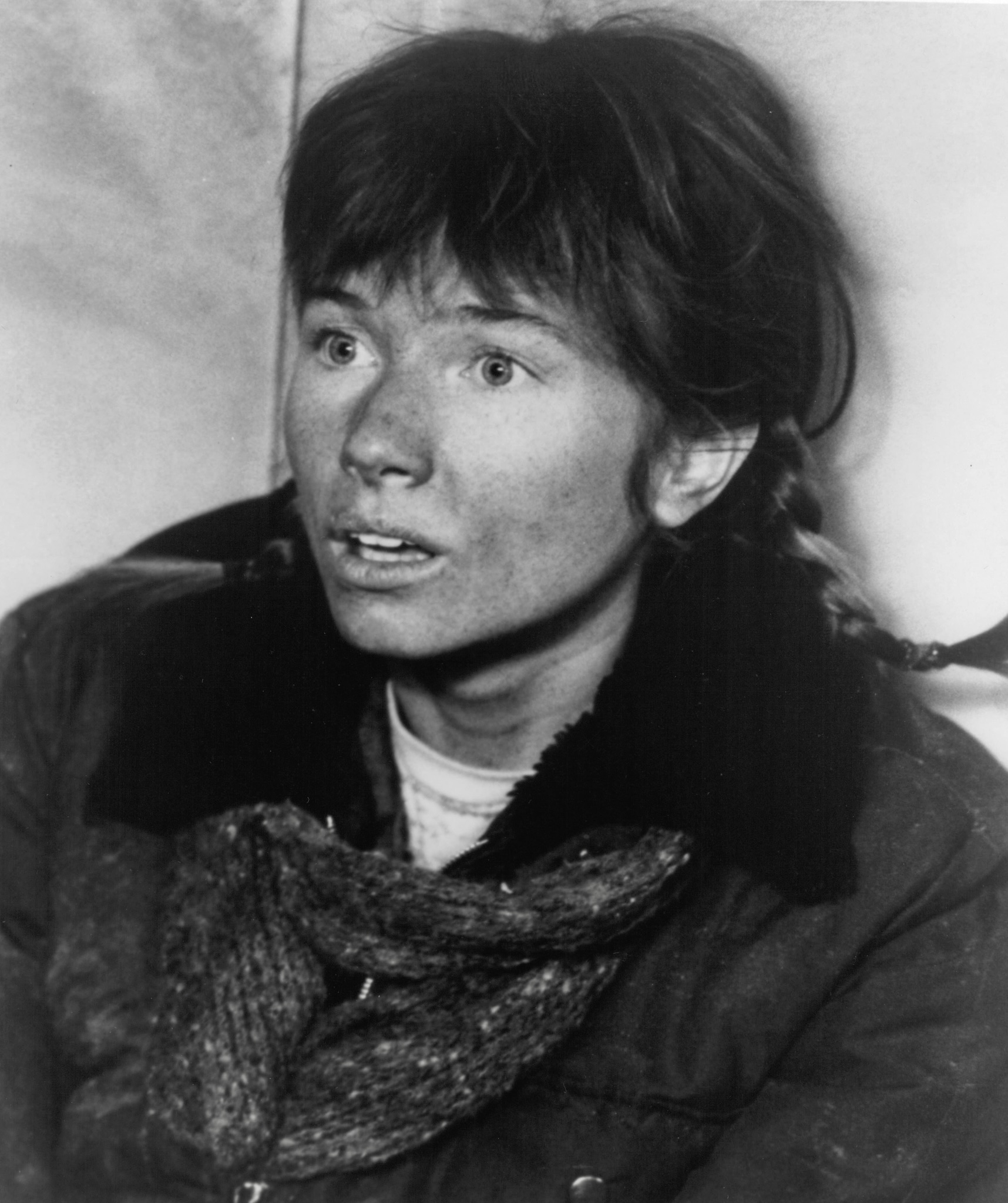
Interestingly enough, De Mornay was not the first choice for the role of Sara. It was Karen Allen. Also, Voight was not the original choice to play Manny, the nihilistic protagonist of Runaway Train. Robert Duvall had been the original choice of director Konchalovsky. The actor even brought in novelist/screenwriter/actor Edward Bunker, a former ex-con, to help improve the screenplay which was penned by Djordje Millicevic and Paul Zindel. The original screenplay was actually written by Japanese director Akira Kurosawa, Ryuzo Kikushima and Hideo Oguni and was planned for a 1966 release with Kurosawa directing his first color film. For various reasons, the project was shelved for over 15 years but Kurosawa’s script was revived in 1982 once Konchalovsky had been approved as director. What isn’t often mentioned is that Runaway Train was based on a 1963 Life Magazine article about a true event which occurred between Syracuse and Rochester, New York on the New York Central Railroad line.
The central premise of Runaway Train is relatively simplistic in terms of an action adventure film. Manny (Voight), a lifetime criminal, is finally released by court order after being welded inside his jail cell for three years and returned to the regular prison population. Warden Ranken (John P. Ryan) has nothing but contempt for Manny and wants to silence him as he is seen as a hero to the other inmates. Manny vows to escape Stonehaven Maximum Security Prison (which is located in Alaska) after an attempt is made on his life by an inmate who was bribed by Ranken. Helping Manny escape through a laundry cart deception is Buck (Eric Roberts), a not-too-bright but energetic fellow prisoner who idolizes Manny and invites himself along for the prison breakout. The two prisoners manage to escape into the Alaskan wilderness by climbing aboard a four-car train at a transfer depot. Unexpectedly, the engineer has a sudden heart attack and falls off the train, leaving it unmanned and racing down the tracks, accumulating speed as it travels. Manny and Buck realize their dilemma but the train is moving too fast for them to jump off and they need to slow the engine down before the train crashes on a dead end track. The two men’s plan to access the engine during perilous weather conditions is complicated by Sara (Rebecca De Mornay), a railroad employee who is the only other occupant on board, and Warden Ranken, who plans to land on the speeding train via helicopter and kill Manny (but make it look like a case of self-defense).
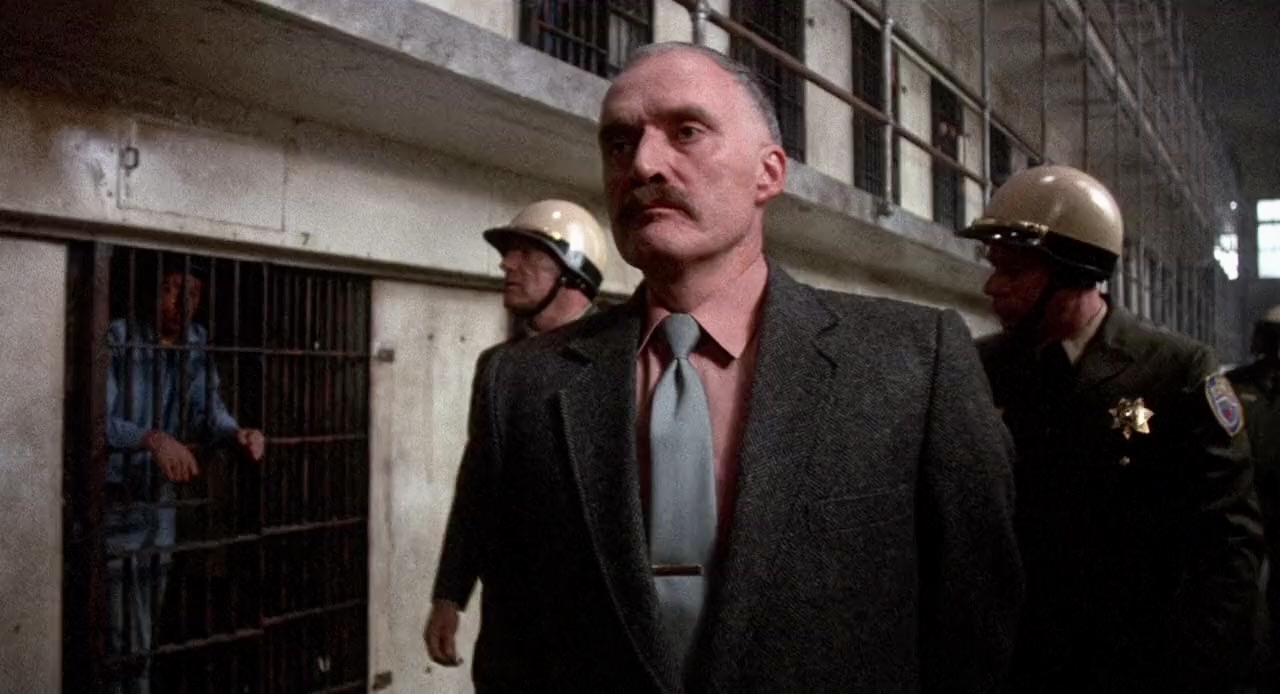
When I first saw Runaway Train in 1985, I thought it was a hoot – a wild, over the top thriller featuring performances that matched the improbable but operatic emotional sweep of the narrative. I sided with film reviewer Paul Attanasio of The Washington Post, who wrote “Runaway Train isn’t just bad…it’s bodaciously bad, grotesquely overblown, lurid in its emotion, big ideas on its brain.” It’s the kind of good-bad movie I could enthusiastically endorse for its excessiveness.
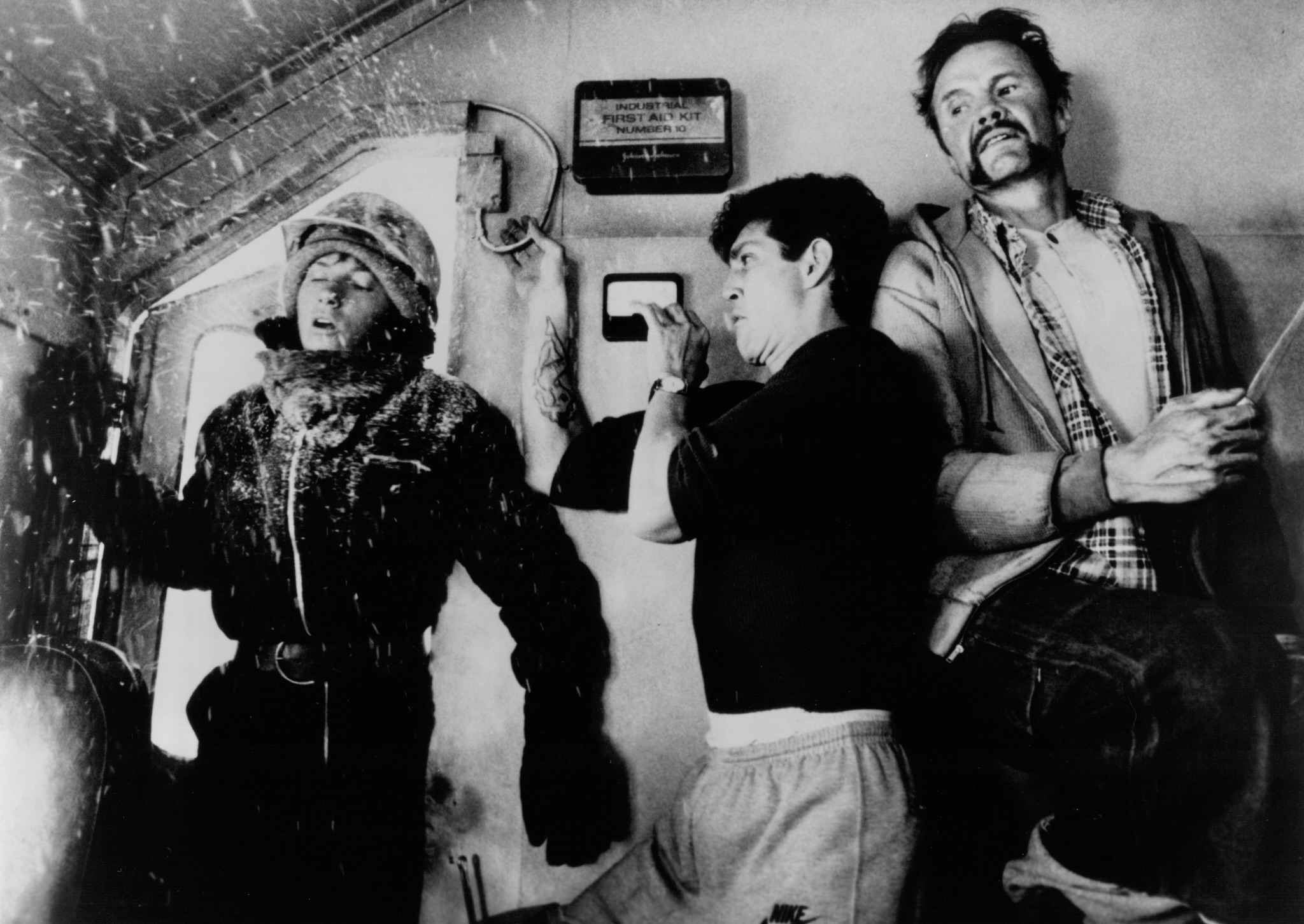
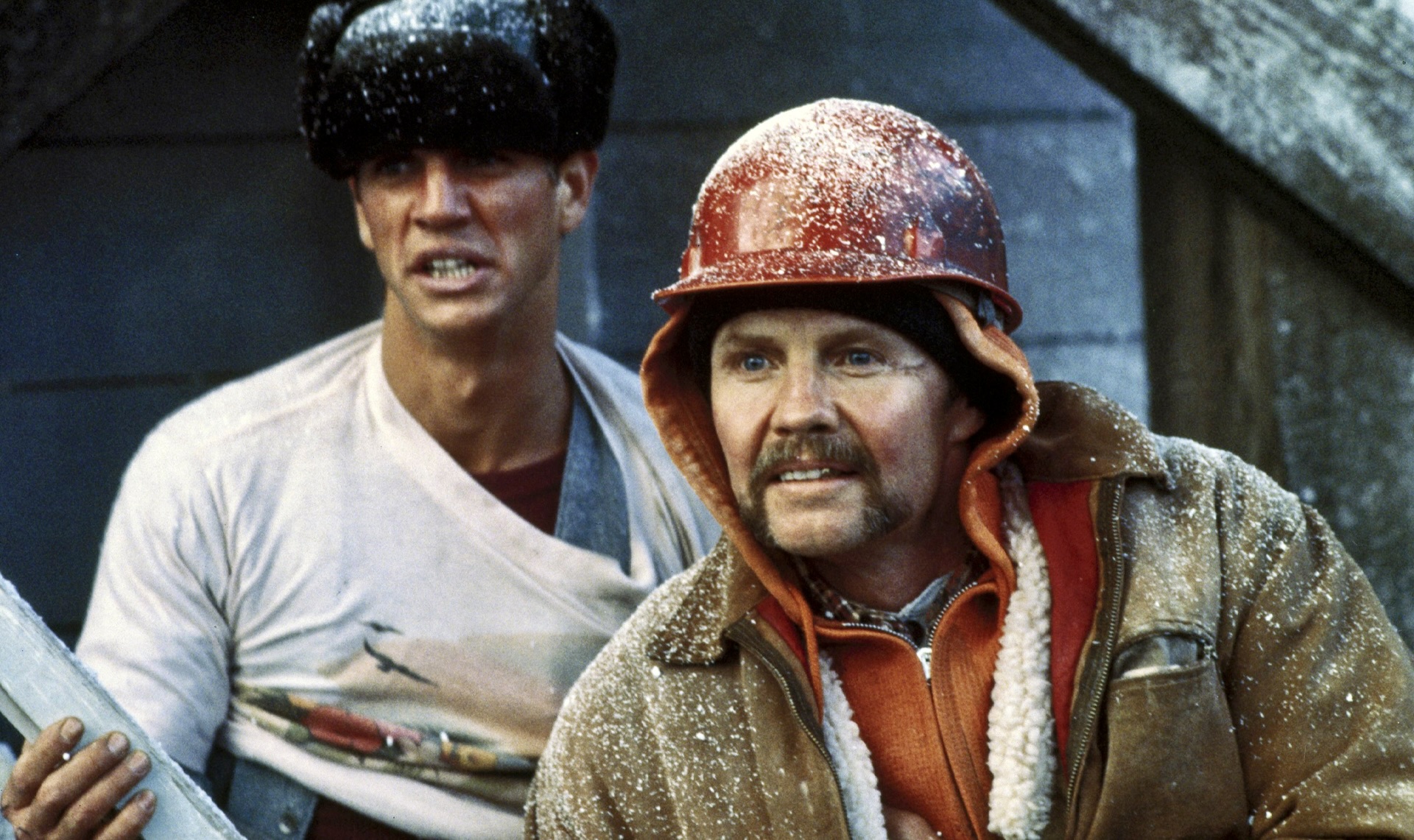
I found it amusing that both Voight and Roberts received Oscar nominations for their performances which seemed too broad for the film to contain. And Rebecca De Mornay’s character could have been easily deleted from the storyline without anyone even noticing. Yet, after rewatching Runaway Train again 41 years later, I find the movie to be one of the most entertaining yet soulful action adventure films of the 80s. Eric Roberts, who I found both irritating and hyperactive at the time, now seems perfectly cast as the wounded puppy dog-like admirer of Manny. He is also consistently hilarious with his line readings as in their escape from the sewer where he complains so vehemently – “This is NASTY. This is so GROSS!” – but he is also pitiable when Manny rejects his friendship or any need for his help. Voight, with his scarred face and protruding gold tooth, completely inhabits his bitter, rage-driven anti-hero and proves to warden Ranken he is indeed a beast to be feared. Voight, Roberts and De Mornay also deserve credit for performing some of their own stunts in sub-zero temperatures and dangerous conditions.
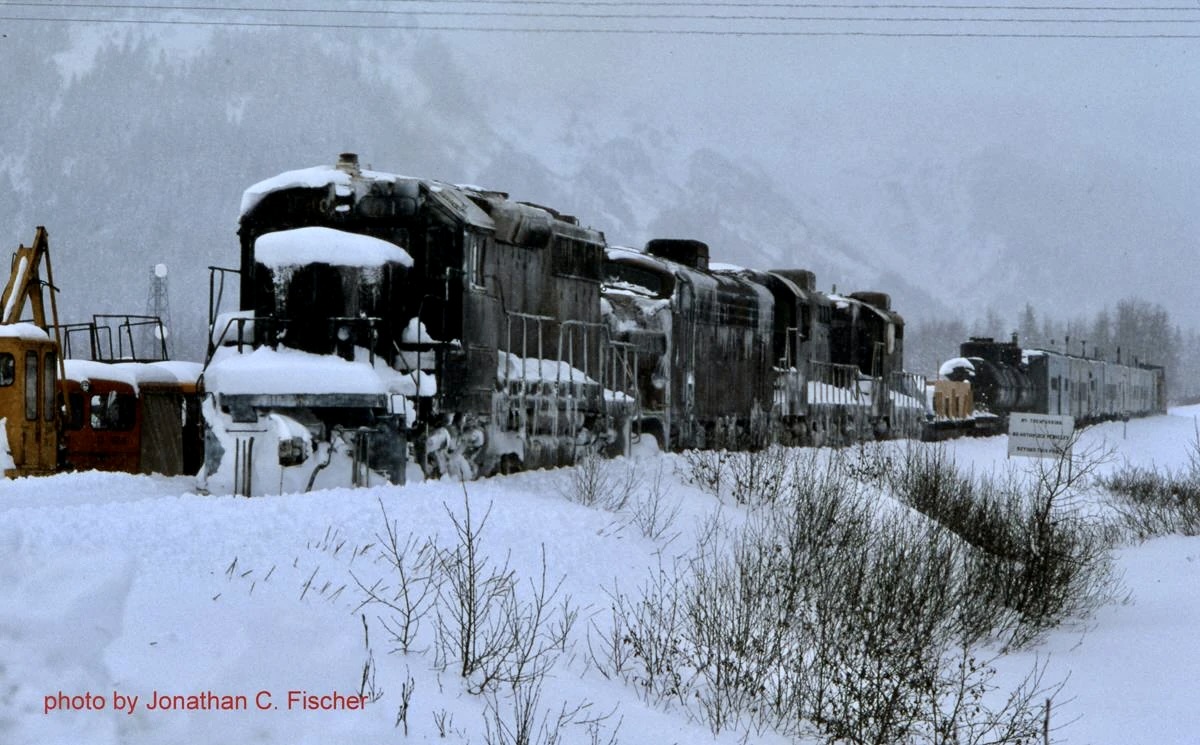
I have even come to appreciate some of the film’s arty touches which some critics attacked as pretentious such as the use of Antonio Vivaldi’s “Gloria in D Major,” philosophical insights from Kurosawa’s original script, a quote from William Shakespeare at the end, and moments of visual poetry supplied by cinematographer Alan Hume. The culmination of these diverse elements resulted in a one-of-a-kind disaster epic from a non-Hollywood director that makes it truly unique.
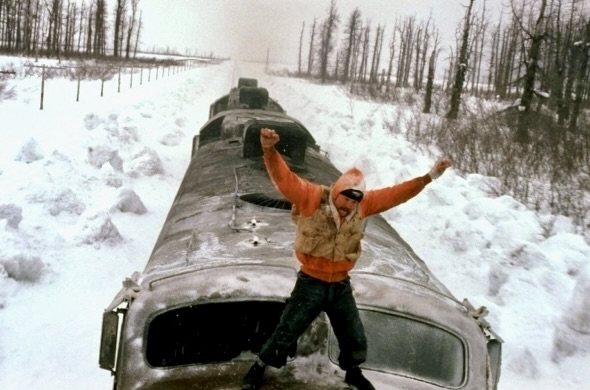
At the time of the film’s initial release, film critic Roger Ebert wrote, “The action sequences in the movie are stunning. Frequently in recent movies, I’ve seen truly spectacular stunts and not been much excited, because I knew they were stunts. All I could appreciate was their smoothness of execution. In “Runaway Train,” as the characters try to climb along the sides of the ice-covered locomotives, as the train crashes through barriers and other trains, as men dangle from helicopters and try to kill the convicts, there is such a raw, uncluttered desperation in the feats that they put slick Hollywood stunts to shame.” Equally favorable was the Variety review which stated, “Wrenchingly intense and brutally powerful, Andrei Konchalovsky’s film rates as a most exciting action epic and is fundamentally serious enough to work strongly on numerous levels.”
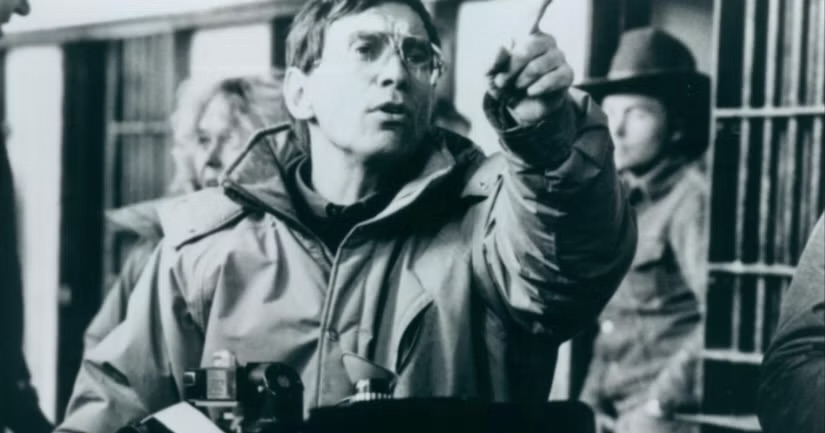
At the time of Runaway Train, Andrei Konchalovsky was a much in-demand director in Hollywood after his international breakthrough film, Siberiade (1979), an award-winning WW2 epic. He explained his interest in making Runaway Train in an interview, saying “In the 80’s Hollywood was still open to take a risk. What do I mean to take a risk? I mean, to make a good film. Not to take a risk means to make commercial films and that’s the difference. And that’s why by form it was an action movie but by content it was a fable, it was a philosophical parable, it was a metaphor for different things. The author of ‘Runaway Train’ was Kurosawa. But then the form can be appropriated. The content now. You see, you cannot steal philosophy. You can steal the genre but the philosophy of this film is Kurosawa’s philosophy. Mostly, the relativity of good and evil and what is freedom? Is freedom inside of you or outside of you? Who is good and who is bad? Is the person who is good always right? Is the person who is bad always wrong? Etc. It’s Zen, even then and that’s why I think this film is still alive because it resounds in some kind of eternal question in the human brain for answers because we don’t have answers. And happy those who don’t have it because those who have it, are blind.”
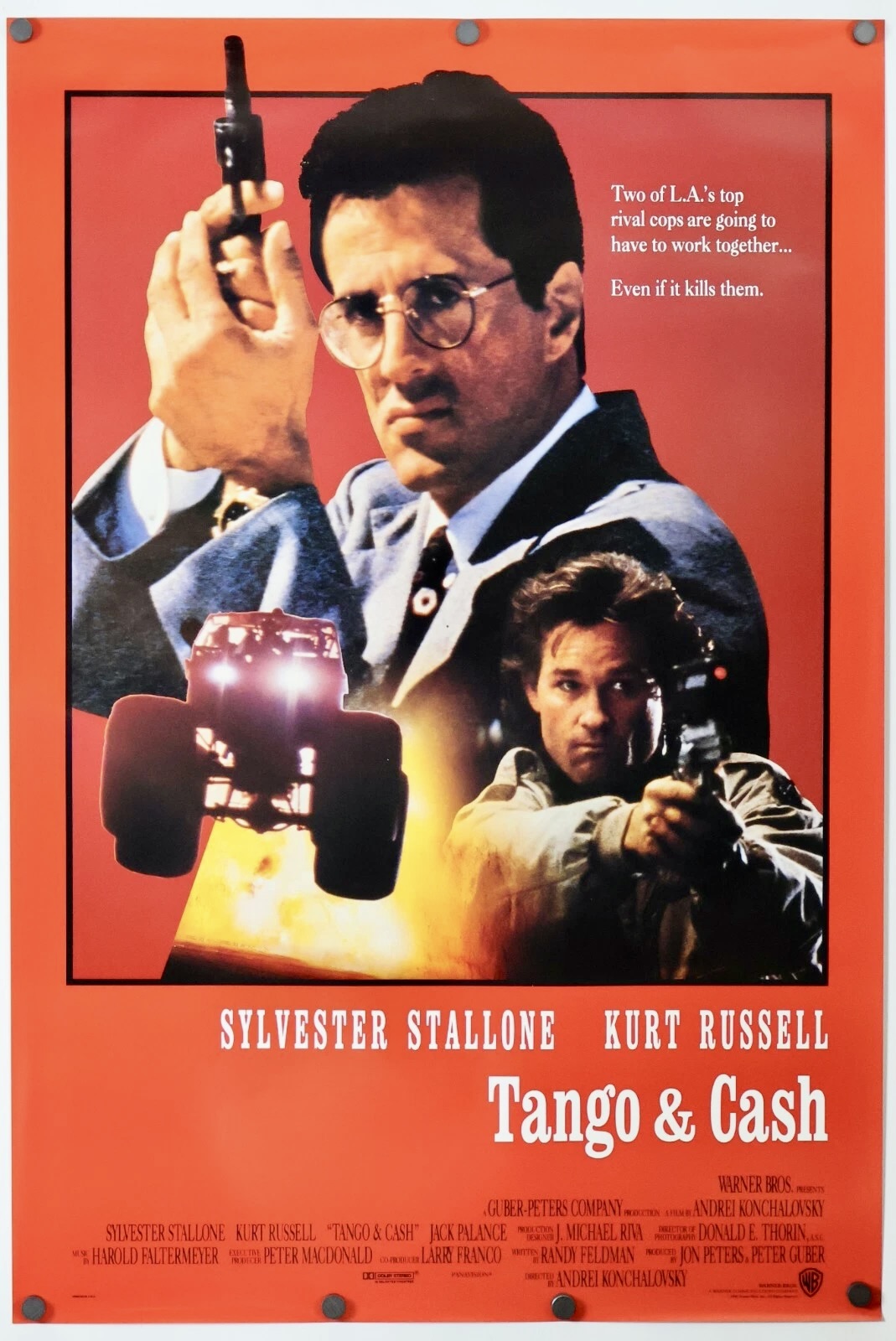
Unfortunately, Konchalovsky would soon tire of dealing with Hollywood executives and studios who constantly meddled with his films from casting to production. Maria’s Lovers (1984) and Duet for One (1986) starring Julie Andrews were box office flops and Runaway Train was only a modest success. Shy People (1987) might be considered his most acclaimed film under the Globus-Golan banner but it didn’t fare well with American moviegoers either. His road trip comedy-drama Homer and Eddie (1989) pairing Whoopi Goldberg with Jim Belushi was another false step and Tango & Cash, the 1989 cop buddy action comedy with Sylvester Stallone and Kurt Russell proved to be the final straw. Konchalovsky was fired by producers Peter Guber and Jon Peters after working on the movie for three months (he was behind schedule) and was replaced by director Peter Macdonald. Konchalovsky would later remark sarcastically, “Tango & Cash, like every real Hollywood film, is a film for people who cannot read.” After that debacle, the director returned to Russia where he continues to work in film and television to this day although few of his Russian films have received distribution in the U.S.
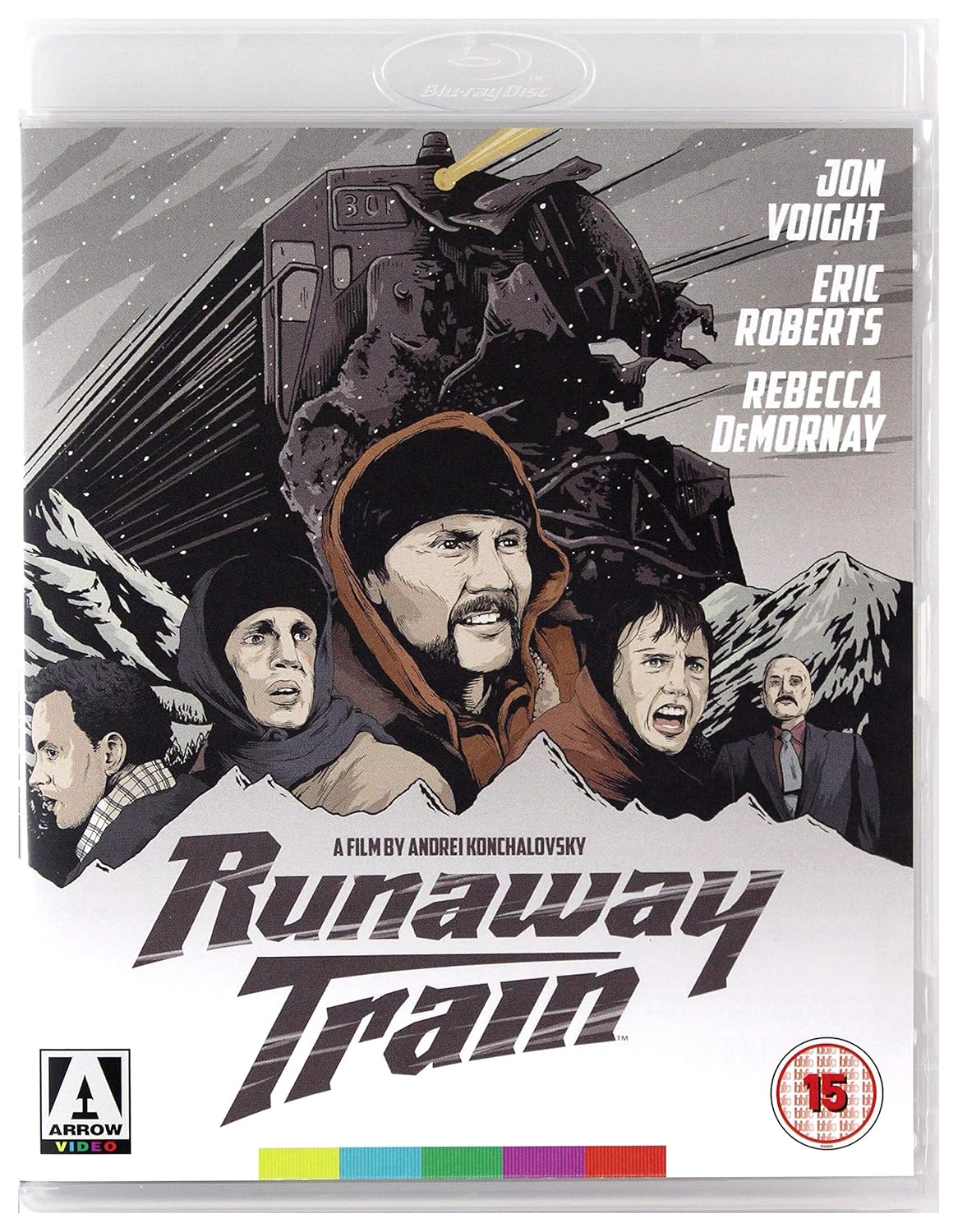
Runaway Train has been released on various formats over the years with Kino Lorber issuing a 4K disc of the film in April 2026 but fans of the film might prefer the March 2021 Blu-ray disc from Arrow Films. The extra features include interviews with Andrei Konchalovsky, Jon Voight, and Eric Roberts and other supplements but you need an all-region player to view it (The disc is encoded for PAL players only).
Other links of interest:
https://www.filmcomment.com/article/cannon-fathers
https://ludditerobot.com/other/commentary/cannon-films
https://brightlightsfilm.com/la-bete-humaine-runaway-train
https://eurodrama.wordpress.com/tag/rebecca-de-mornay

