Jan Nemec’s Diamonds of the Night

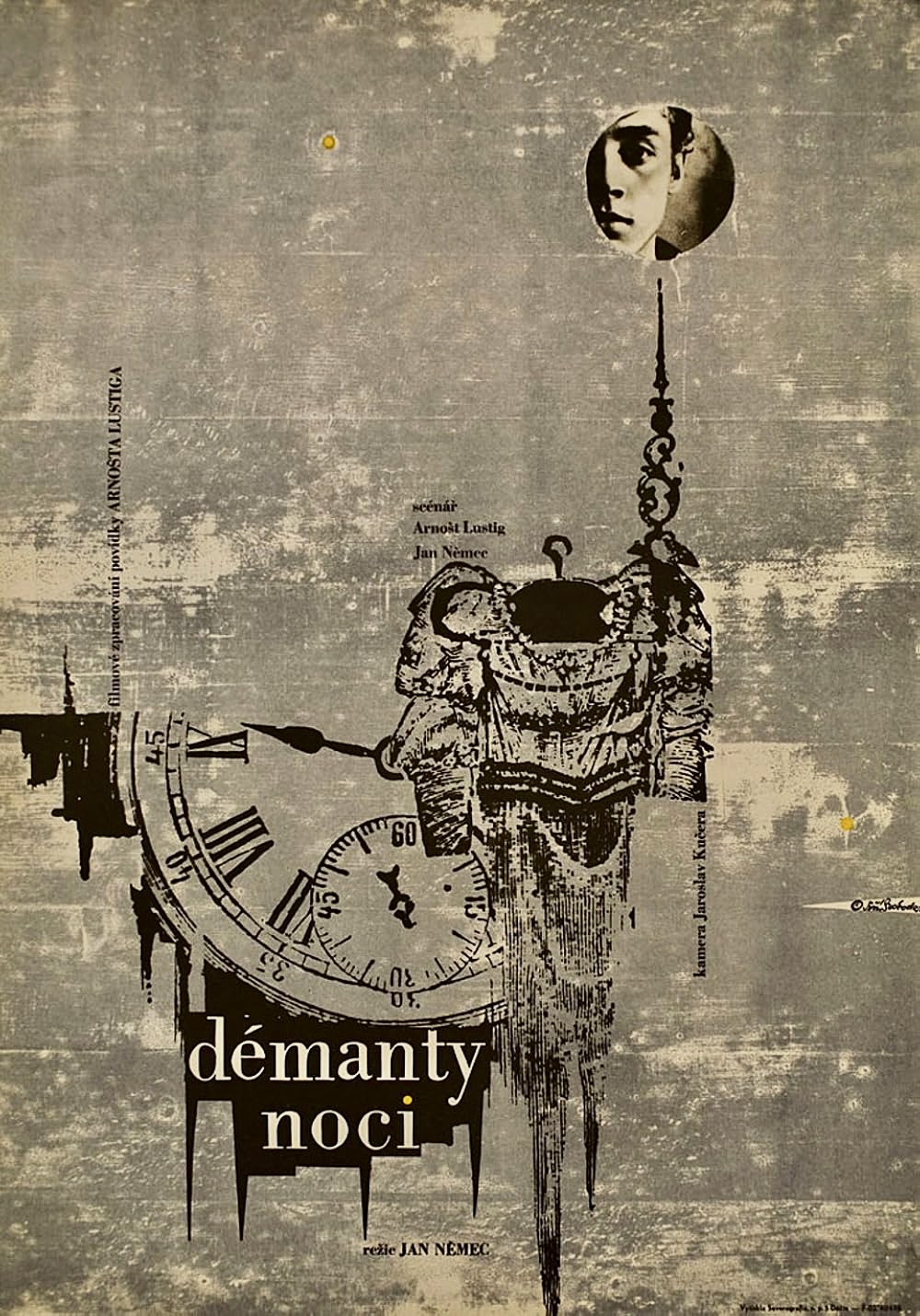
The Czech film poster for DIAMONDS OF THE NIGHT (1964), directed by Jan Nemec

In what must be one of the most astonishing opening scenes in a movie, two young men jump off a moving train and flee into the surrounding woodlands, racing up a ravine, over mud, rocks and uneven ground. And the cameramen follow them both in their lunging, zigzag movements from the front, side and behind as they race deeper into the darkness accompanied by sounds of their heavy breathing, gun shots, cries of “Halt!” and a steam engine train chugging slowly into the distance. The viewer is immediately pulled into a grim tale of survival and human endurance which alternates between stark realism and dreamlike imaginings. Flashbacks from the escapees’ past life also interrupt the narrative to create a haunting and ambiguous portrait of two men on the run during the Nazi occupation of Czechoslovakia during WW2. Demanty Noci (English title, Diamonds of the Night, 1964) was the feature film debut of Jan Nemec and it remains one of the defining masterpieces of Czech New Wave cinema in the 1960s.

Continue reading
Mathematical Riddles

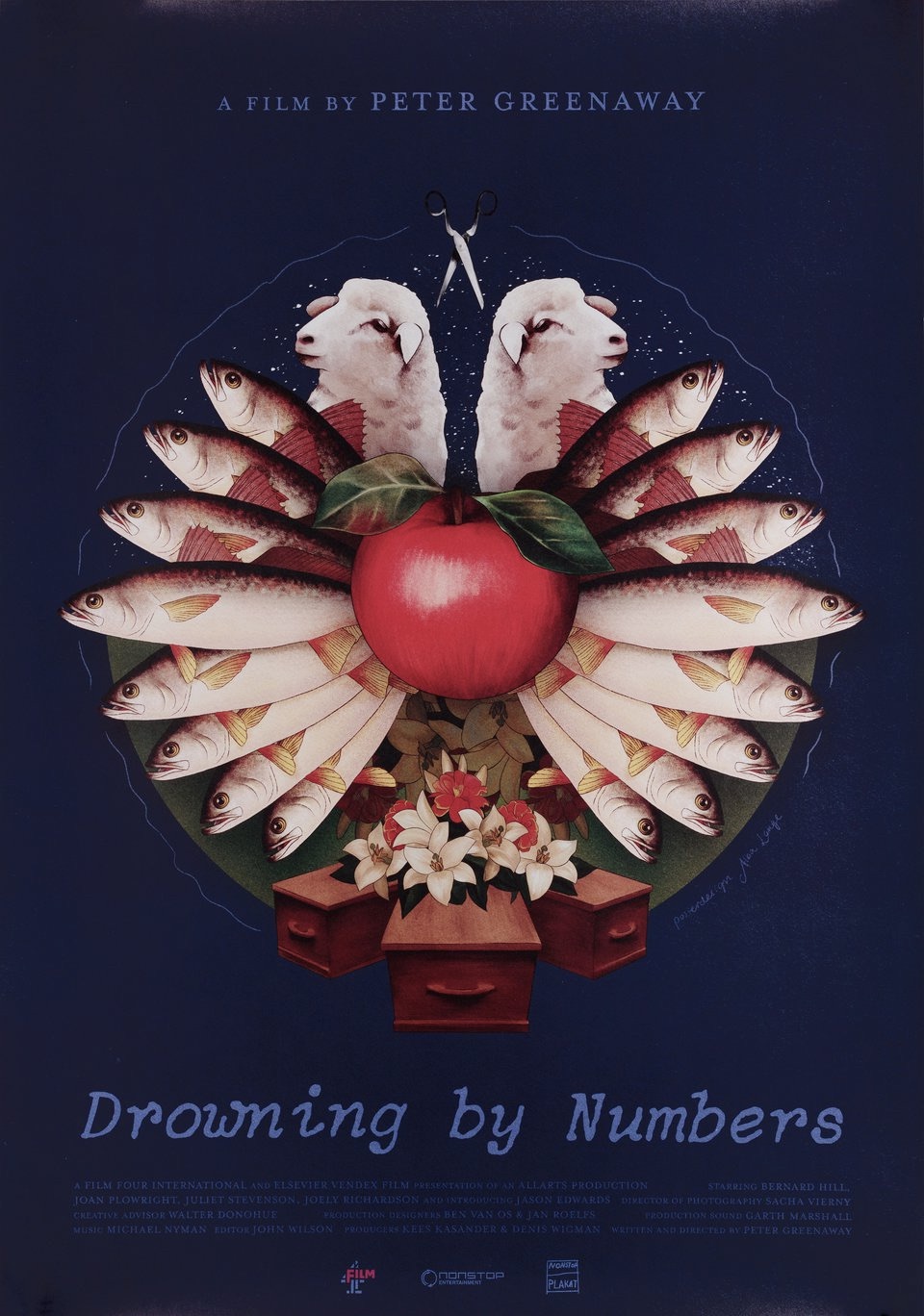
Peter Greenaway is not the sort of director who has ever tried to appeal to the average moviegoer or make a mainstream film but that doesn’t mean he hasn’t enjoyed a long and successful career in the cinema. In fact, his 1989 film The Cook, the Thief, His Wife & Her Lover was a surprise box office hit, grossing more than 7.7 million dollars in the U.S., which was highly impressive for an art house flick. Still, his filmography might seem intimidating or of little interest to most American viewers but several of Greenaway’s feature films from the 1980s are quite accessible, if only curious movie lovers would give them a chance. The Draughtsman’s Contract (1982) and The Belly of an Architect (1987) are good places to begin but my personal favorite is Drowning by Nights (1988), which is a subversive black comedy involving murder, game playing, and a fascination with numbers.

Continue reading

Oscar Oddities, Part 1

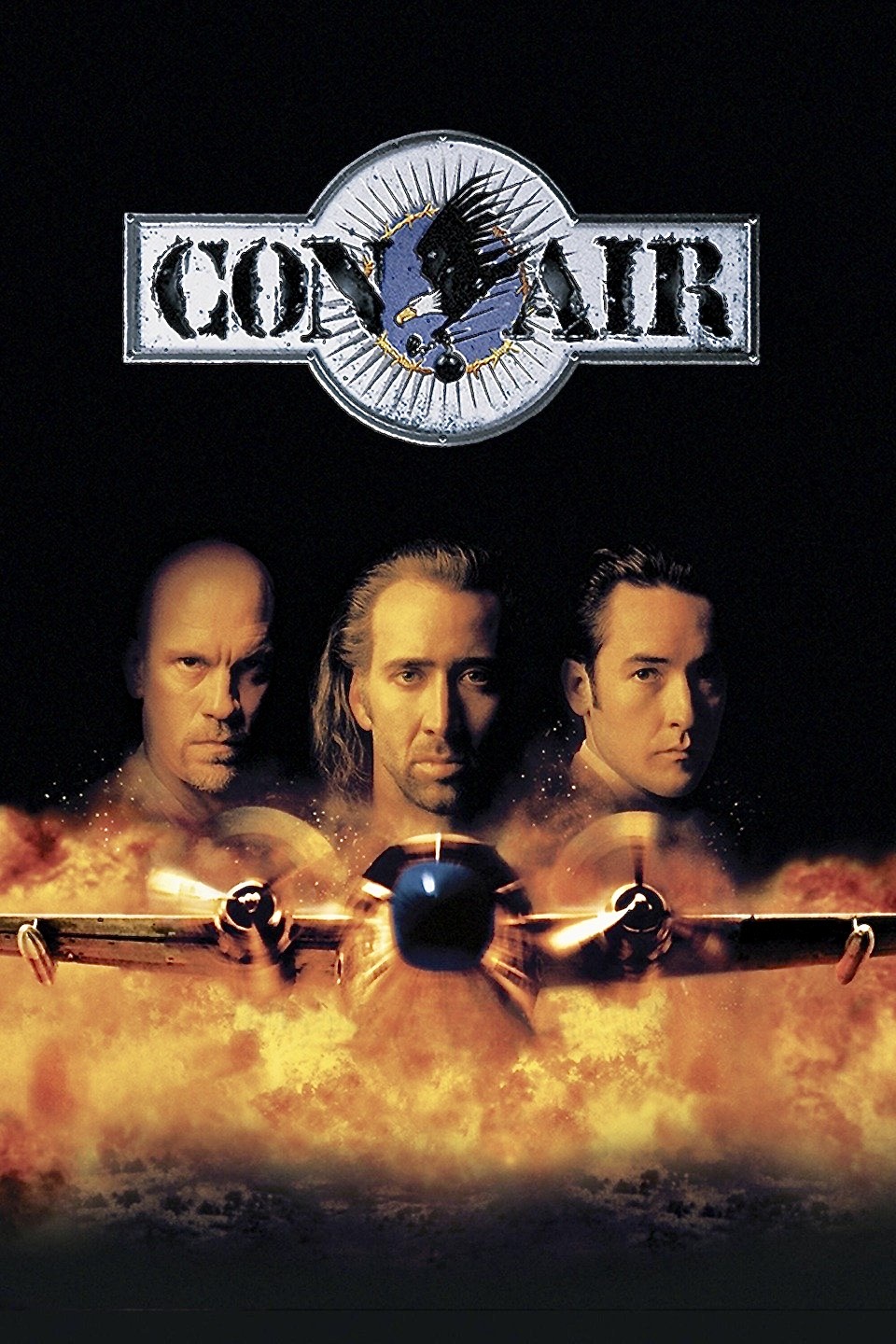
CON AIR (1997), Oscar nominee for Best Original Song and Best Sound.

Every year in the annual Oscar race there are always a few surprises, head scratchers or genuinely odd contenders that make you wonder how they were ever selected. Was it politics? Was it a fluke? Did good taste or bad taste actually triumph? Here is a list of my favorite oddities, some of which deserved their nomination though I never expected the Academy to acknowledge them because they were either low-budget indies, big budget genre pictures or under the radar movies that were barely noticed by moviegoers. I’m using the 1990s as my starting point and working backwards from there, cherry picking specific Oscar races, since most of the more interesting anomalies occurred prior to the 21st century.

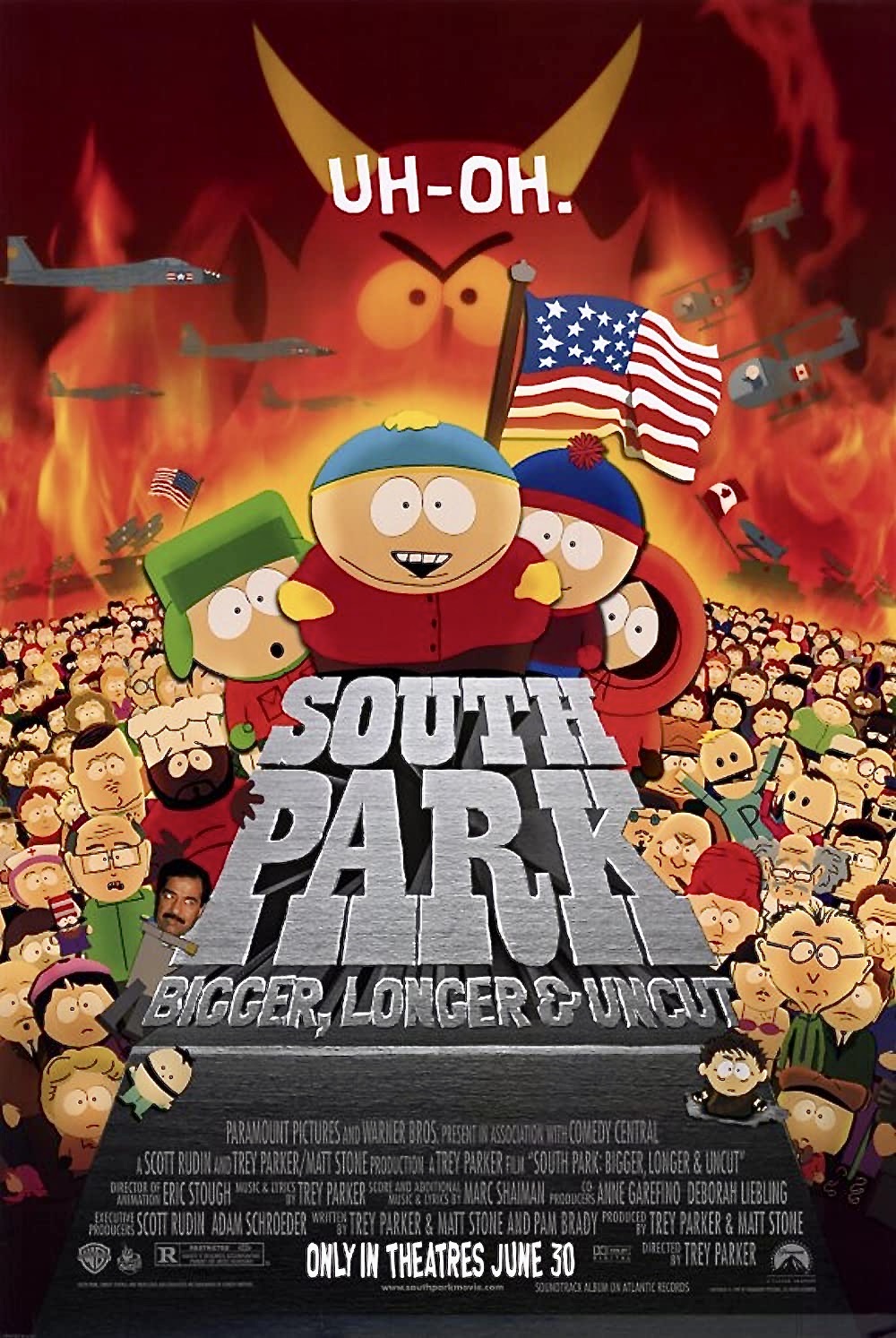
Yes, there have been a few unexpected contenders since then such as 2000’s strange and mesmerizing Shadow of the Vampire (nominated for Best Supporting Actor – Willem Dafoe) and Hustle & Flow featuring the Oscar winning Best Original Song of 2005 – “It’s Hard Out Here For a Pimp.” In fact, the Best Original Song Oscar category is usually the place to look for oddball entries such as “Blame Canada” from South Park: Bigger, Longer & Uncut (1999) by the demented director-writer team of Trey Parker and Matt Stone or “How Do I Live,” written by Diane Warren and performed by Trisha Yearwood in Con Air (1997), an outrageous over-the-top action thriller from producer Jerry Bruckheimer. But, in general, the Academy Award nominations from 1999 on back to the beginning were quirkier and more fun.

Continue reading

Identity Disintegration

A wealthy chemist who was disfigured in an explosion undergoes plastic surgery in the 1966 Japanese film, The Face of Another.

What would happen if you lost the face you recognize as your own and had to replace it with a new one? Would you have an identity crisis or simply become a different person? Japanese director Hiroshi Teshigahara ponders this unusual dilemma in The Face of Another (1966, Japanese title: Tanin no kao). Continue reading