Shellshocked Romance

PTSD (Post-traumatic stress disorder) is a term that became prominent in 1980 when the American Psychiatric Association recognized it as a mental health diagnosis that was often used to describe Vietnam War veterans and Holocaust survivors. Although PTSD could also apply to survivors of violent crimes, natural disasters and other calamities, it is more often association with war victims. Shellshocked is an earlier term for this disorder and was common in describing afflicted soldiers returning from battle during World War I. The Return of the Soldier, Rebecca West’s debut novel (published in 1918), was unique for featuring a shellshocked war veteran whose return home exposed his fragile mental condition to those who knew him before he went to battle. West’s novel was also significant for addressing such prevalent concerns in the narrative as class differences, Freudian psychoanalysis (which was popular at the time) and the lives of women living in a patriarchal society. All of this was skillfully integrated into the overlooked 1982 film adaptation of The Return of the Soldier, which faithfully captures the spirit and central focus of West’s narrative, one that utilizes the shellshocked protagonist as a means to examine three important women in his life and their response to his war trauma.

Continue reading
Edwardians at Play

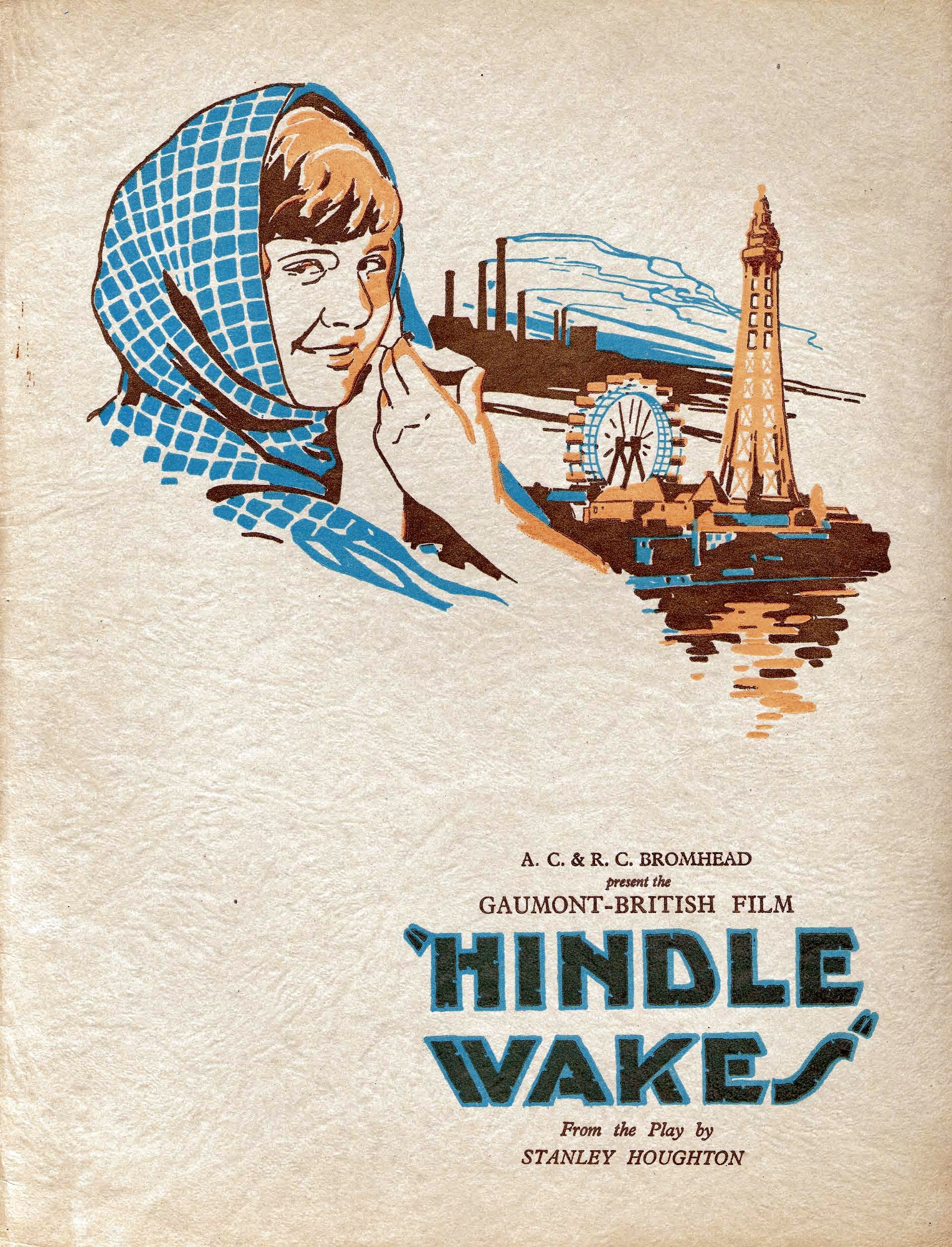
The year is 1910 and you work in a factory in the North West region of England where you are given a week off every year. So where do you take your vacation? During the Edwardian era, most working class people preferred to spend their leisure time at the seashore and Blackpool was one of the most popular resort towns for the working class. Frolicking in the surf, fairground rides, penny arcade amusements, live entertainment/musical revues, and the famous lights of Blackpool were all part of the attraction along with affordable lodgings and restaurants. It was only natural that such a popular destination would become the setting for one of the most famous British plays of the 20th century. Hindle Wakes, written by Stanley Houghton, was first performed on the stage in 1912 and would go on to enjoy numerous film and TV adaptations in the subsequent decades. Maurice Elvey would direct two silent versions (one in 1918, the other in 1927), a 1931 sound version was directed by Victor Saville and a remake entitled Holiday Week appeared in 1952 while TV versions premiered in 1947 (featuring Wendy Hiller as the heroine), 1950, 1957 and 1976 (co-directed by June Howson and Laurence Olivier). Of all the versions, however, most film critics and movie historians tend to favor Hindle Wakes aka Fanny Hawthorne, the 1927 adaptation spotlighting American actress Estelle Brody in possibly her most famous role.

Continue reading

Soldier in Skirts

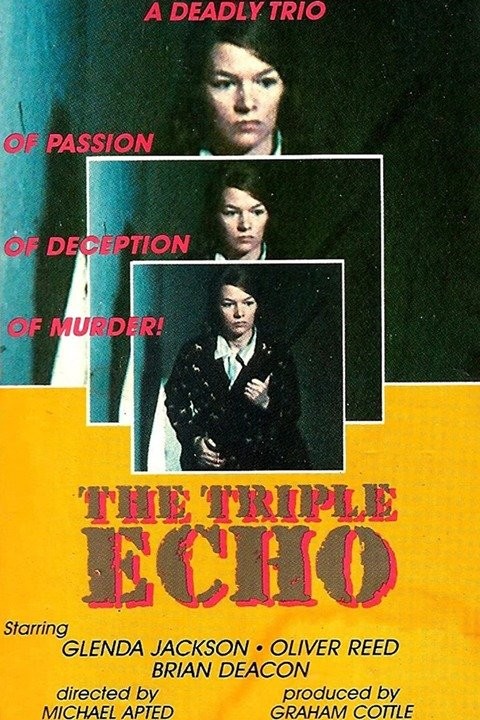
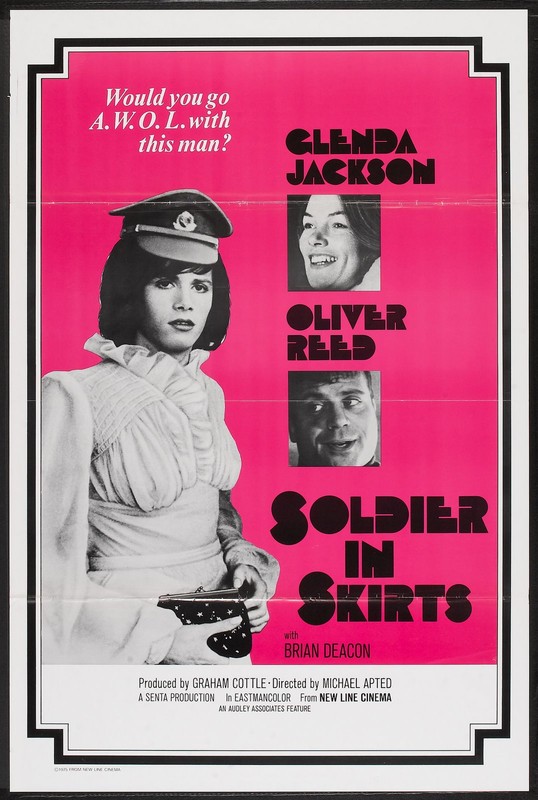
In the spring of 1943 on a rural farm in Wiltshire, England, Alice Charlesworth (Glenda Jackson) encounters a trespasser on her farm land by the name of Barton (Brian Deacon). He turns out to be an army recruit who is stationed at a nearby military base and the two strike up a friendship that turns into something deeper. Barton proves to be quite adept at helping Alice with work chores as he was raised on a farm and his presence is a comfort to Alice (her husband is currently a prisoner-of-war in Japan). When Barton’s military leave ends, he opts to go AWOL and stay on with Alice but takes on a new identity with Alice’s encouragement. He disguises himself as the farmwife’s sister Jill and for a while they lead a blissful existence as lovers/companions until a sergeant (Oliver Reed) from the nearby army camp and his buddy Stan (Gavin Richards) pay them a surprise visit and become regular visitors to the house as potential romantic suitors.

The idea that an army deserter in wartime England would resort to such a strange masquerade to avoid military duty might seem like an outlandish premise for a movie but The Triple Echo aka Soldier in Skirts (1972) avoids what could have been an unintentional campy comedy and creates instead an oddly compelling and tragic human drama. The film, which was based on a novel by H.E. Bates (The Daring Buds of May), was mostly overlooked by critics in the U.K. and the U.S. during its initial release but it holds up remarkably well today and is significant as the first feature film from director Michael Apted.

Continue reading

Things Come to a Boil

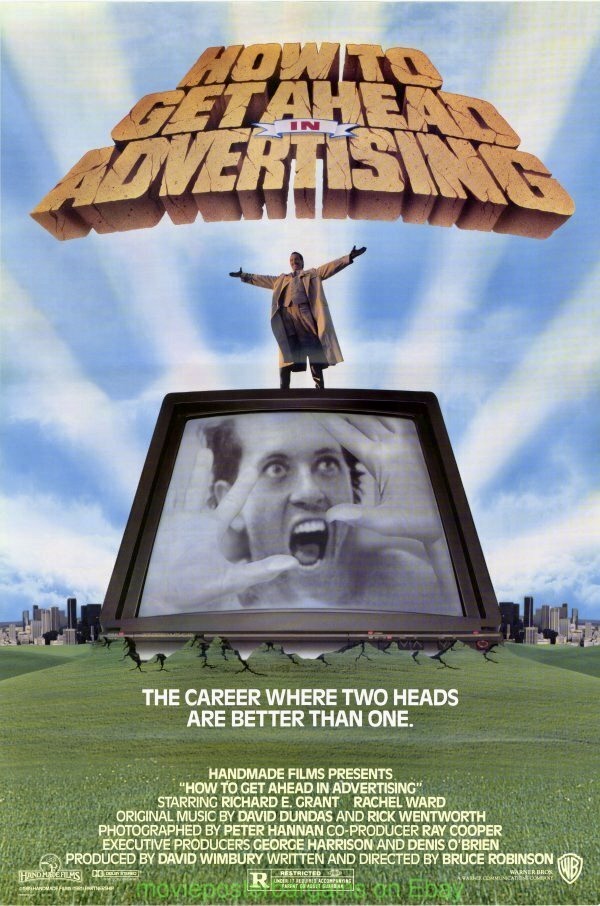
Satiric films about the world of advertising are always welcome and certainly necessary in a world where marketing of some kind is always assaulting the senses of potential consumers. Among some of my favorites in the genre from their respective eras are Will Success Spoil Rock Hunter? (1957), Giants and Toys (1958) from Japan, Putney Swope (1969), The Hudsucker Proxy (1994), the subversively comic documentary The Yes Men (2003), and Thank You for Smoking (2005). But undoubtedly one of the most cynical, biting and deranged of them all is How to Get Ahead in Advertising (1989) in which the title can be taken quite literally. The protagonist of the movie, a self-assured marketing genius, sees his life and career usurped by a boil on his body that ends up replacing his own head and becomes an even more successful version of himself. What? Yes, you read that correctly.

Continue reading

The Stranger Upstairs

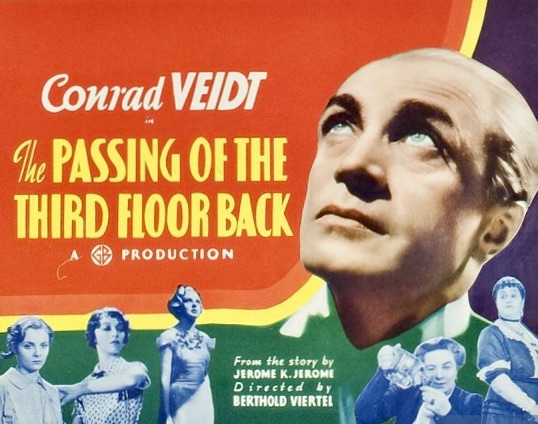
A mysterious stranger arrives at a boarding house in London and inquires about the advertised room to let. The landlady has some reservations about him but his good manners, personal charisma and willingness to pay his rent in advance convinces her he will be a respectable lodger. How many times have we seen movies that open with the same scenario where the new boarder turns out to be a suspicious character and possibly mentally unhinged? Alfred Hitchcock’s The Lodger (1927), Man in the Attic (1953), Roman Polanski’s The Tenant (1976) and The Minus Man (1999) are some of the more famous examples of this. The 1935 British film, The Passing of the Third Floor Back, however, gives us a protagonist who could be some kind of savior in disguise, a spiritual being who has come to help the unhappy and misanthropic boarders. Is he an angel, a Christ figure or maybe a figment of someone’s imagination?

Continue reading

Joe Orton’s Impolite Farce

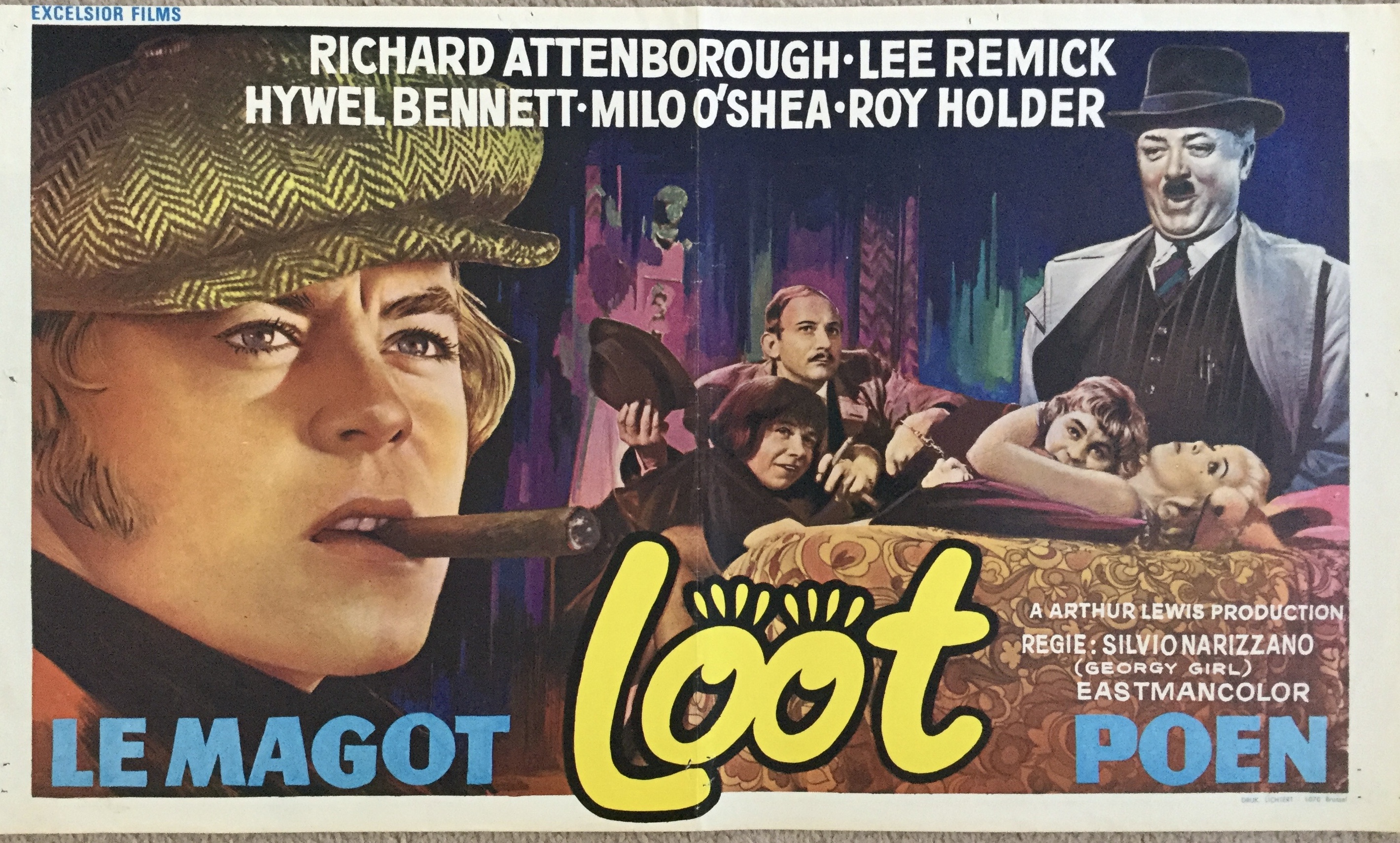
Black comedy may be an acquired taste but it still takes a clever and wickedly funny practitioner of the form to pull it off and Joe Orton was one of the best. The enfant terrible of British theatre in the sixties, Orton’s promising career was cut short in 1967 when he was bludgeoned to death by his lover Kenneth Halliwell. This final curtain, along with the events that led up to it, were covered in detail in John Lahr’s excellent biography of the acclaimed playwright Prick Up Your Ears, which was adapted to the screen in 1987 by Stephen Frears from a screenplay by Alan Bennett and featured Gary Oldman as Joe Orton. While Frears’ biopic was a fascinating character study, it didn’t really delve into the nuts and bolts of Orton’s craft or why such stages farces as Entertaining Mr. Sloane and What the Butler Saw became such popular and scandalous causes celebres among theatre critics and playgoers. The only thing that can really do justice to Orton’s particular brand of outrageous comedy and satire is a first rate production of one of his plays. A film adaptation would be much trickier because so much of Orton’s humor involves language – its proper and improper usage, double entendres, slang, class accents and other specifics. Of course, that didn’t stop filmmakers from attempting to bring his work to the screen and Loot became the second Orton play to receive the big screen treatment in 1970 (Entertaining Mr. Sloane, another Orton play adapted to film, had been released earlier in 1970).

Continue reading

M.R. James Times Two

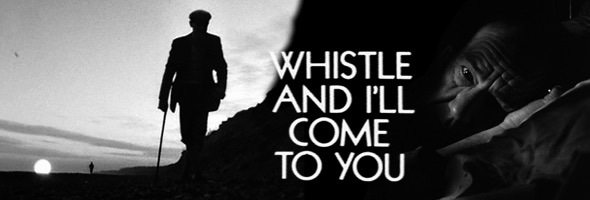
Montague Rhodes James, better known as M.R. James (1862-1936), was a celebrated author and medievalist scholar from the U.K. who is best known today for his many ghost stories. Horror film buffs in the U.S. were first exposed to his work when director Jacques Tourneur adapted his short story “Casting the Runes” for the 1957 film Curse of the Demon (it was titled Night of the Demon in the U.K.). To date, that still reminds the most famous M.R. James theatrical feature but that doesn’t mean the author’s work hasn’t been adapted in other memorable renditions, most of them as made-for-television productions from England. One of the most famous is James’s short story, “Oh, Whistle, and I’ll Come to You, My Lad” from 1904, which has been filmed twice by the BBC, one in 1968 entitled Whistle and I’ll Come to You starring Michael Horden and a remake from 2010 with the same title that featured John Hurt.

Continue reading

Seeing is Believing

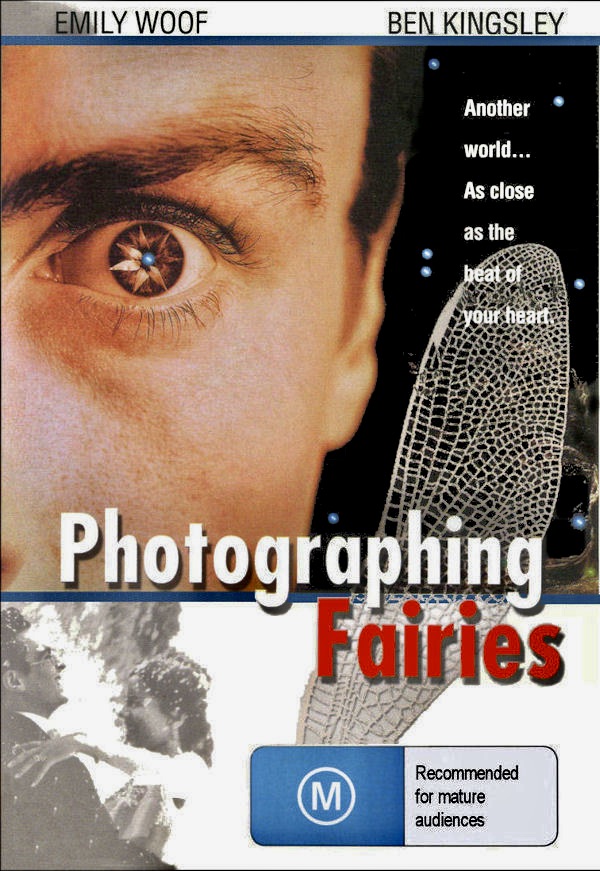
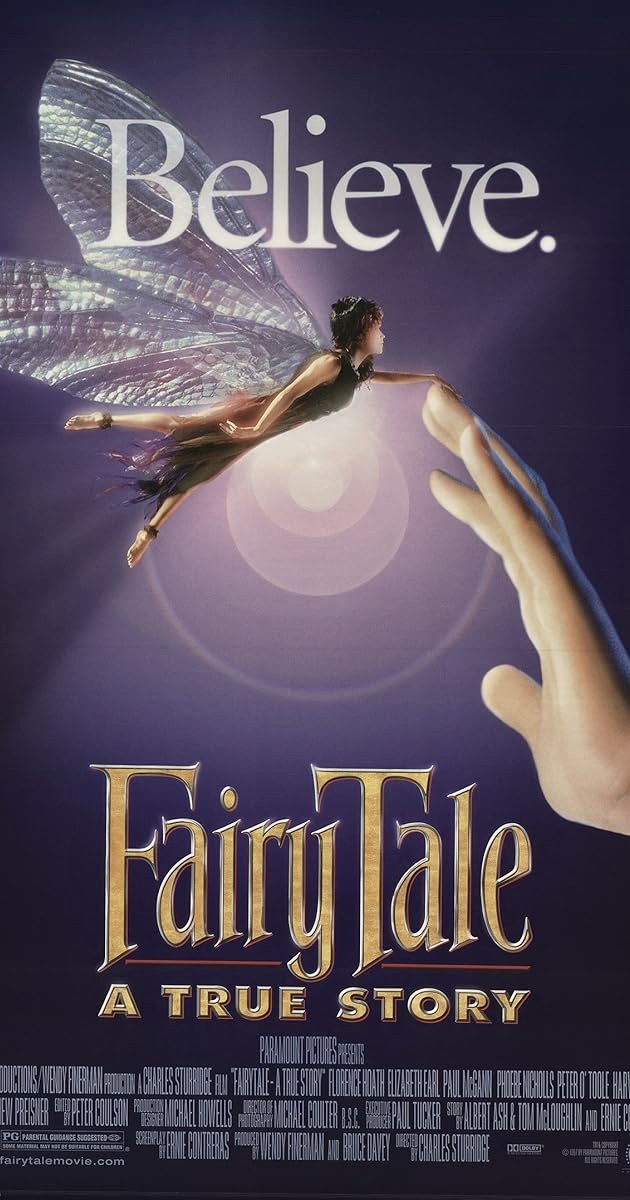
In 1917 sixteen year old Elsie Wright and her nine year old relative Frances Griffith were playing in the Wright family garden in Cottingley, England. Elsie borrowed her father’s camera to take some photos of Frances playing and a few months later she borrowed the camera again with both girls snapping photos. When the photos were developed, both girls but mainly Frances, were seen cavorting with what looked like fairies. Elsie’s father thought the photographs were faked but Elsie’s mother believed they revealed actual sprites and the photos were revealed to the public in 1919, creating an international sensation. The incident attracted the attention and support of the Theosophical Society in Bradford, England and prominent people like author Sir Arthur Conan Doyle, who was involved in the spiritualist movement, found the evidence convincing. The photographs were also denounced by non-believers like Harry Houdini, who famously campaigned against fraudulent psychics and mediums. For years, the Cottingley fairies remained a source of mystery and fascination and, in 1997, strangely enough, two different movies on the subject were produced and released in the U.K., FairyTale: A True Story and Photographing Fairies.

Continue reading

Blackpool is Calling

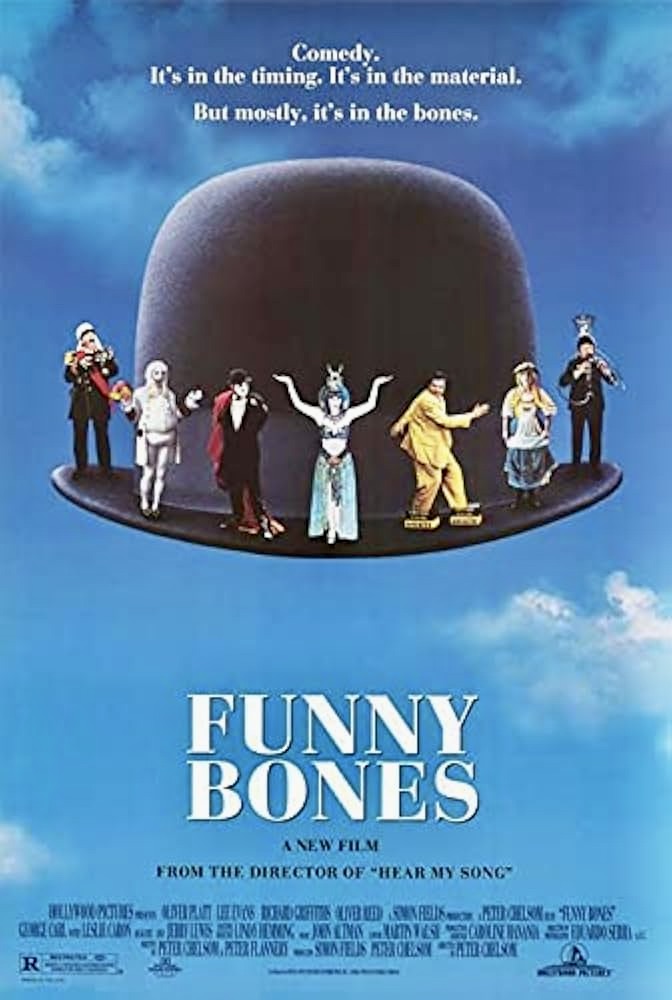
1995 was an exceptionally strong year for film releases, not just in the U.S. but around the world. To give you some idea of the diversity and range, consider the following movies, some of them Oscar winners or nominees: Pulp Fiction, Ed Wood, The Madness of King George, La Haine, The Adventures of Priscilla, Queen of the Desert, Hoop Dreams, Queen Margot, Speed, Eat Drink Man Woman, The Lion King, Three Colors: Red, The Shawshank Redemption, The Lost City of Children, and Forrest Gump. An eclectic list to be sure but one of my favorite movies somehow got lost and overlooked in the mix – Peter Chelsom’s Funny Bones, which is mostly set in Blackpool, England, a popular tourist resort originally built as a vacation destination for working class families during the late 1800s.

Continue reading

A Very British Haunting

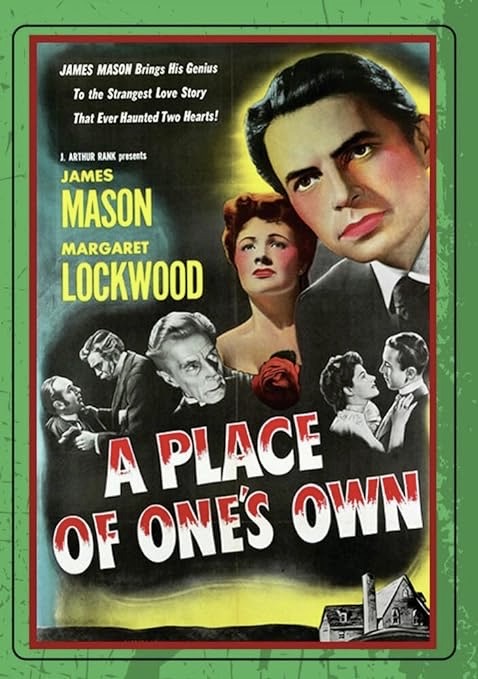
There are not that many British films from the 1930s and 1940s about ghosts and haunted houses and the ones that do stand out are primarily comedies like The Ghost Goes West (1935), The Ghost Train (1941), Blithe Spirit (1945) and Things Happen at Night (1948). Still, there have been a few U.K. features that took a more serious approach to the genre and A Place of One’s Own (1945) is a good example, even though it is largely overlooked and forgotten today.  

Continue reading