
Crossing the Color Line

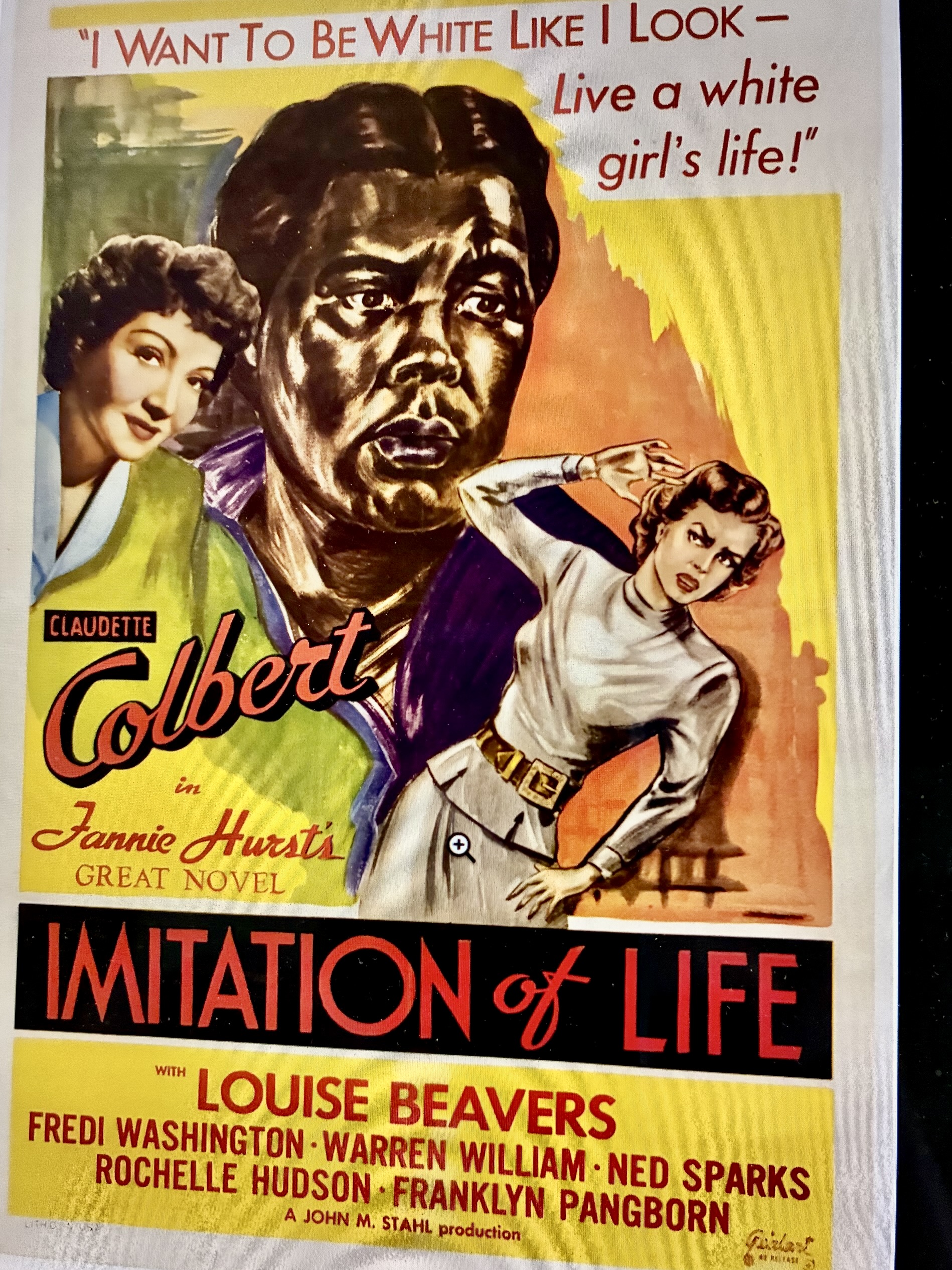
This film poster for IMITATION OF LIFE (1934) was an alternate version that was targeted toward black audiences.

“The only Hollywood movie of its era that even suggested the existence of such a thing as a race problem in America, the film set off sparks within the black community. Black ministers preached sermons about it while black intellectuals wrote about the film as well. And the movie acquired a legend of its own that still lives today.” – Donald Bogle on Imitation of Life (1934) in Blacks in American Films and Television: An Illustrated Encyclopedia

Less well known than the 1959 Douglas Sirk remake starring Lana Turner and Juanita Moore, the first film version of Imitation of Life, directed by John M. Stahl, is actually more faithful to the Fannie Hurst novel (except for the ending) and in many ways presents a much more socially progressive viewpoint than the Sirk version as noted in the below article.

Continue reading
The Bus from Izu

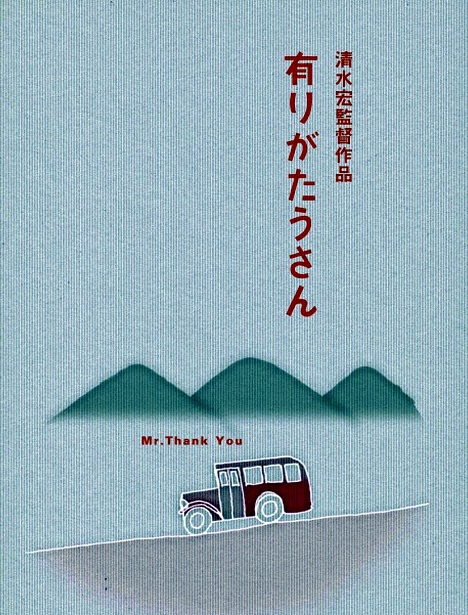
Virtually unknown in the U.S. until recent years and largely neglected in his own country, director Hiroshi Shimizu was a unique figure in Japanese cinema for his insistence on shooting his movies in the open air in real locations and for often working without a script, improvising scenes and dialogue during production. Few directors, if any, were doing this during the silent and early sound era in Japan and unlike his more internationally famous peers like Akira Kurosawa,Yasujiro Ozu and Kenji Mizoguchi, Shimizu specialized in contemporary human stories about people living on the margins of society such as orphaned children or transient workers moving from place to place. Although he made more than 150 movies between 1923 and 1959, many of them have been lost but of the ones that survive, Arigato-san (English title, Mr. Thank You, 1936) is a great introduction to his work during the sound era.

Continue reading