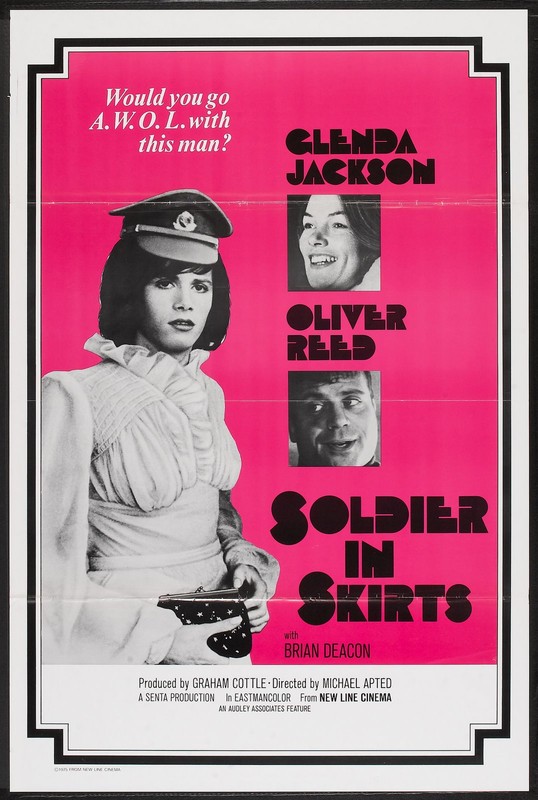
In the spring of 1943 on a rural farm in Wiltshire, England, Alice Charlesworth (Glenda Jackson) encounters a trespasser on her farm land by the name of Barton (Brian Deacon). He turns out to be an army recruit who is stationed at a nearby military base and the two strike up a friendship that turns into something deeper. Barton proves to be quite adept at helping Alice with work chores as he was raised on a farm and his presence is a comfort to Alice (her husband is currently a prisoner-of-war in Japan). When Barton’s military leave ends, he opts to go AWOL and stay on with Alice but takes on a new identity with Alice’s encouragement. He disguises himself as the farmwife’s sister Jill and for a while they lead a blissful existence as lovers/companions until a sergeant (Oliver Reed) from the nearby army camp and his buddy Stan (Gavin Richards) pay them a surprise visit and become regular visitors to the house as potential romantic suitors.
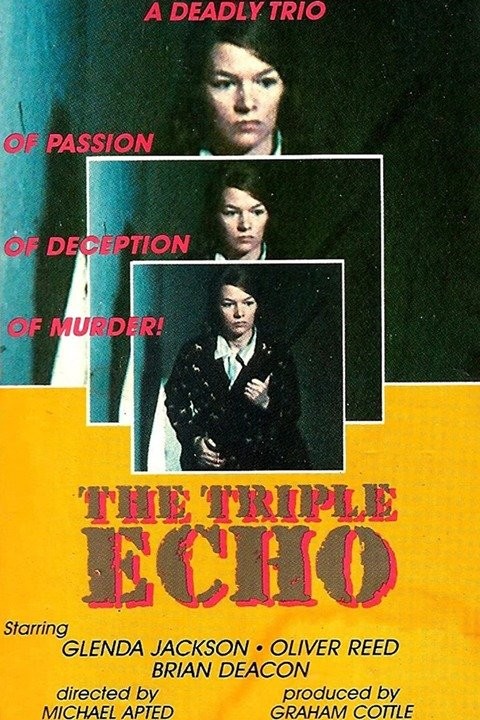
The idea that an army deserter in wartime England would resort to such a strange masquerade to avoid military duty might seem like an outlandish premise for a movie but The Triple Echo aka Soldier in Skirts (1972) avoids what could have been an unintentional campy comedy and creates instead an oddly compelling and tragic human drama. The film, which was based on a novel by H.E. Bates (The Daring Buds of May), was mostly overlooked by critics in the U.K. and the U.S. during its initial release but it holds up remarkably well today and is significant as the first feature film from director Michael Apted.
Continue reading