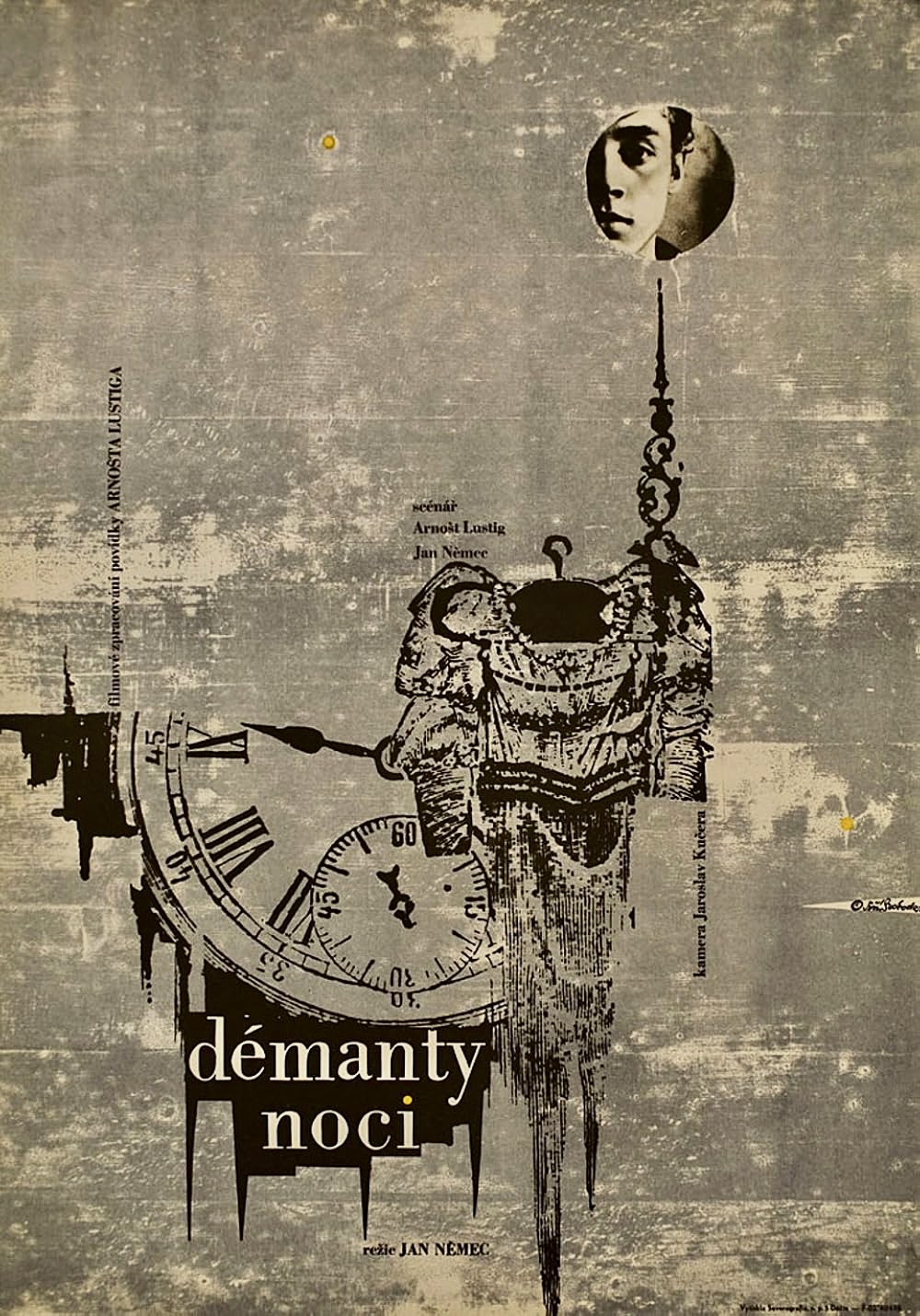
In what must be one of the most astonishing opening scenes in a movie, two young men jump off a moving train and flee into the surrounding woodlands, racing up a ravine, over mud, rocks and uneven ground. And the cameramen follow them both in their lunging, zigzag movements from the front, side and behind as they race deeper into the darkness accompanied by sounds of their heavy breathing, gun shots, cries of “Halt!” and a steam engine train chugging slowly into the distance. The viewer is immediately pulled into a grim tale of survival and human endurance which alternates between stark realism and dreamlike imaginings. Flashbacks from the escapees’ past life also interrupt the narrative to create a haunting and ambiguous portrait of two men on the run during the Nazi occupation of Czechoslovakia during WW2. Demanty Noci (English title, Diamonds of the Night, 1964) was the feature film debut of Jan Nemec and it remains one of the defining masterpieces of Czech New Wave cinema in the 1960s.
Continue readingTag Archives: Alain Resnais
Mathematical Riddles
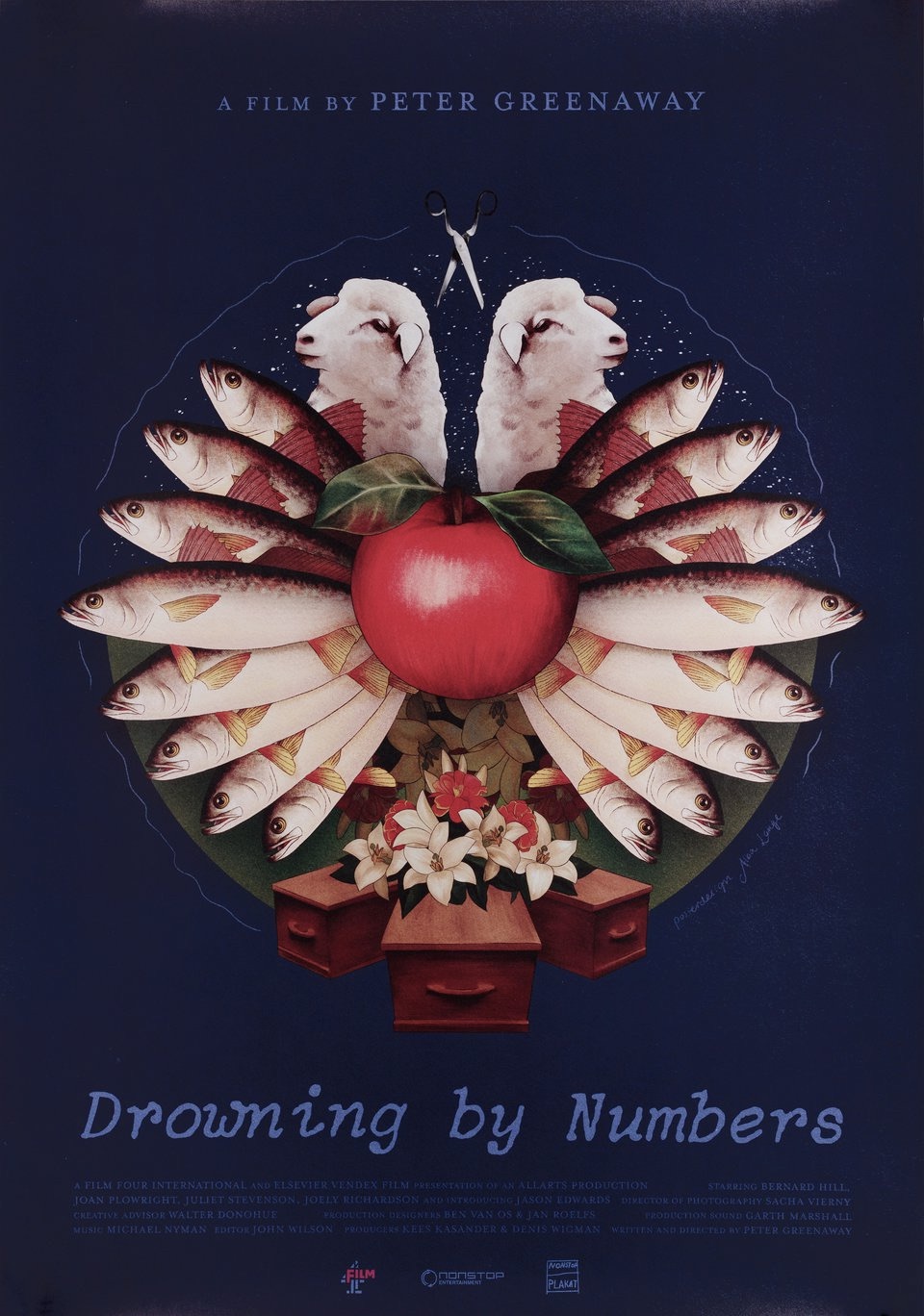
Peter Greenaway is not the sort of director who has ever tried to appeal to the average moviegoer or make a mainstream film but that doesn’t mean he hasn’t enjoyed a long and successful career in the cinema. In fact, his 1989 film The Cook, the Thief, His Wife & Her Lover was a surprise box office hit, grossing more than 7.7 million dollars in the U.S., which was highly impressive for an art house flick. Still, his filmography might seem intimidating or of little interest to most American viewers but several of Greenaway’s feature films from the 1980s are quite accessible, if only curious movie lovers would give them a chance. The Draughtsman’s Contract (1982) and The Belly of an Architect (1987) are good places to begin but my personal favorite is Drowning by Nights (1988), which is a subversive black comedy involving murder, game playing, and a fascination with numbers.
Continue readingTerence Stamp is Timeless
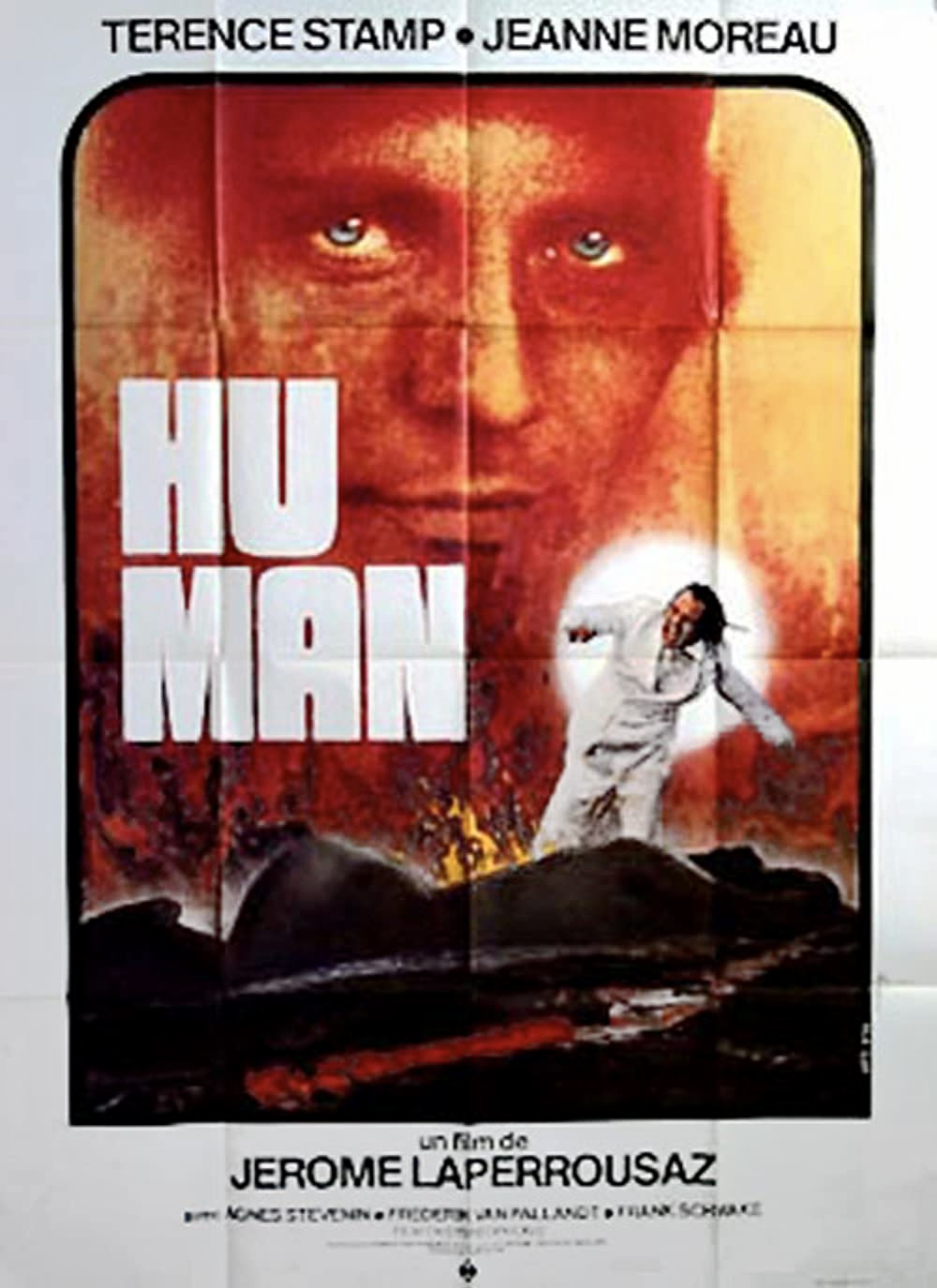
Time travel has been explored in countless science fiction novels and movies over the years but it is not often treated in such an abstract and ethereal manner on screen as it is in Hu-Man, a 1975 French film from director Jerome Laperrousaz. Except for popping up at a few film festivals in the seventies, Hu-Man went missing for years and was assumed to be lost until clips from it appeared in 1998 on the BBC interview series Scene by Scene, hosted by Mark Cousins. Terence Stamp, the star of the film, was the subject of a career retrospective and Cousins was particularly interested in asking Stamp about some of the more challenging and unusual roles in his filmography such as Hu-Man.
Continue readingOedipus Rex in Drag
Next to William Shakespeare, Sophocles is probably the most enduring and internationally renowned dramatist in terms of his work still being adapted for the stage, television and cinema and I doubt you will find a more bizarre or outre version of his Greek tragedy Oedipus Rex than Funeral Parade of Roses. Directed by Japanese avant-garde filmmaker Toshio Matsumoto, this revelatory 1969 movie – it was his first feature film after several experimental shorts – is just as fresh and startling today as it was when it first appeared over fifty years ago. Continue reading