
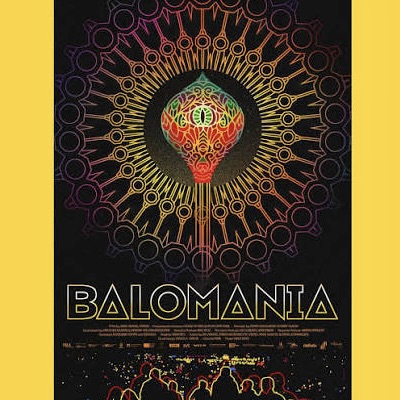
Up, Up and Away!

Think about the sky and how it could serve as a canvas for an artist. This is something that becomes obvious if you have ever witnessed a hot air balloon festival where vibrant colors, designs and shapes become a moving art installation far above your head. It is not only visually dazzling but a pop culture phenomenon that has become increasingly popular in the U.S. since 1972 when the Albuquerque International Balloon Fiesta was officially established. Since then, many other annual events like this have become major attractions such as the Red Rock Balloon Rally in Gallup, New Mexico and the Great Reno Balloon Race in Nevada. None of these, however, are quite as fantastical or as wildly original as the secretive balloon events which are staged in Brazil, especially among the “baloeiros” (balloonists) who operate out of the favellas (working class neighborhoods) of Rio de Janeiro and Sao Paulo. Balomania, a 2024 feature length documentary from Danish artist Sissel Morell Dargis, explores this renegade culture in a highly personal manner.

Continue reading
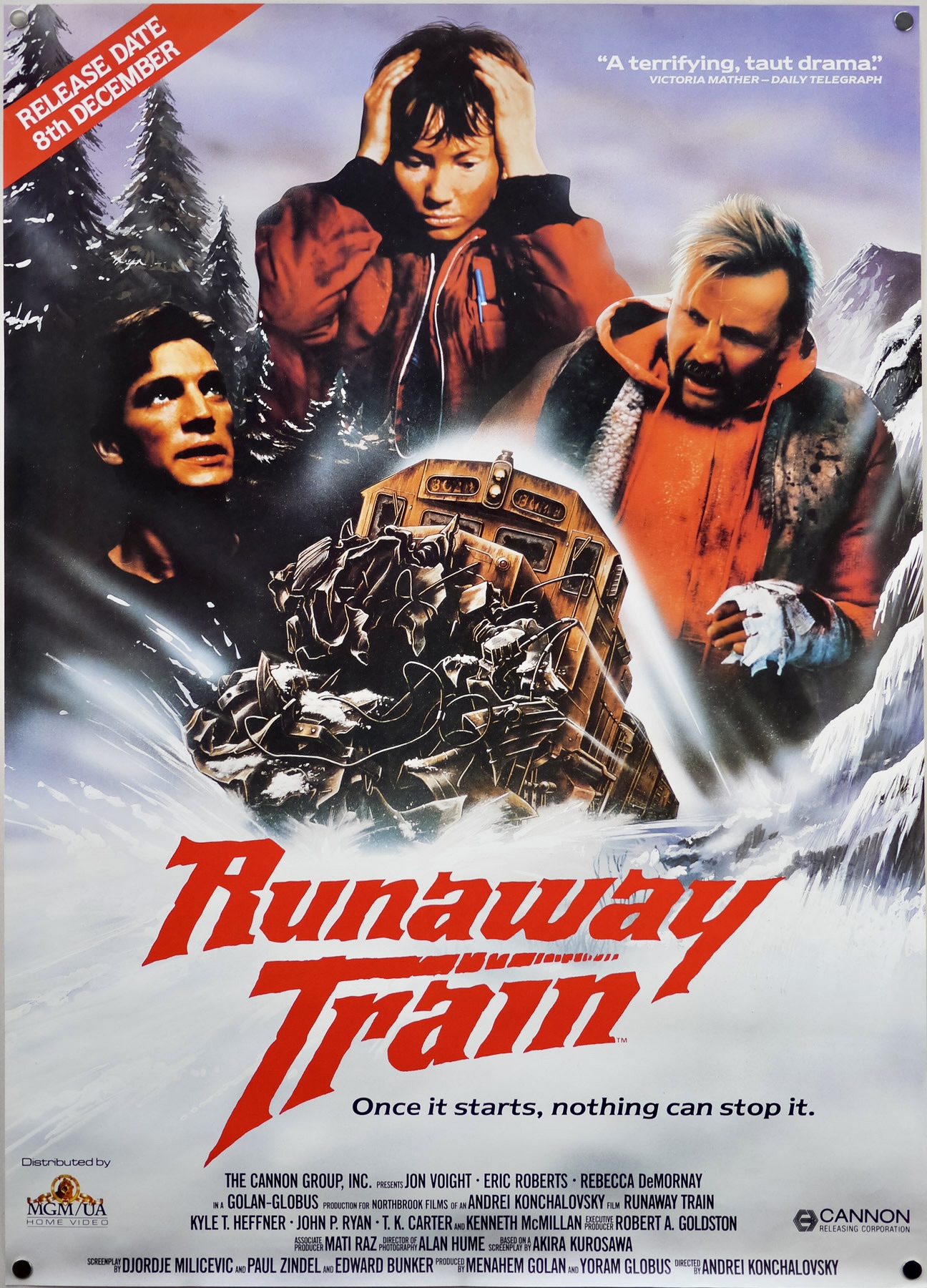
End of the Line

There was a brief time in the 1980s when the international production/distribution company Globus-Golan, managed by Israeli mogul Yoram Globus and his cousin Menachem Golan, garnered and generated more press coverage than box office receipts or critical acclaim for their movies. Their legendary deal-making and oversized egos were part of the film industry’s fascination with the Globus-Golan partnership and the duo had a good run from 1978 through 1988, which were the prime years for their company. Most of their major successes were star-driven action vehicles like Charles Bronson in Death Wish II (1982) and its sequels, The Delta Force (1984) starring Chuck Norris) and Sylvester Stallone as a Los Angeles cop in Cobra (1986). They also had some surprise hits in music/dance and teen sexploitation categories like Breakin’ (1984) and The Last American Virgin (1982). Globus-Golan even tried to crack the arthouse market with smaller indie productions like That Championship Season (1982), Fool for Love (1985), Barfly (1987), and the Jean-Luc Godard directed King Lear (1987) with Woody Allen, Norman Mailer and Molly Ringwald but only a few were successful like Runaway Train (1985), directed by Andrei Konchalovsky. Utilizing tropes from prison breakout flicks and man-made disaster films, Runaway Train was a weird hybrid that worked as a straight-ahead action adventure but also as a psychological character study unfolding in an extreme setting – the icy tundra of the Alaskan wilderness.

Continue reading