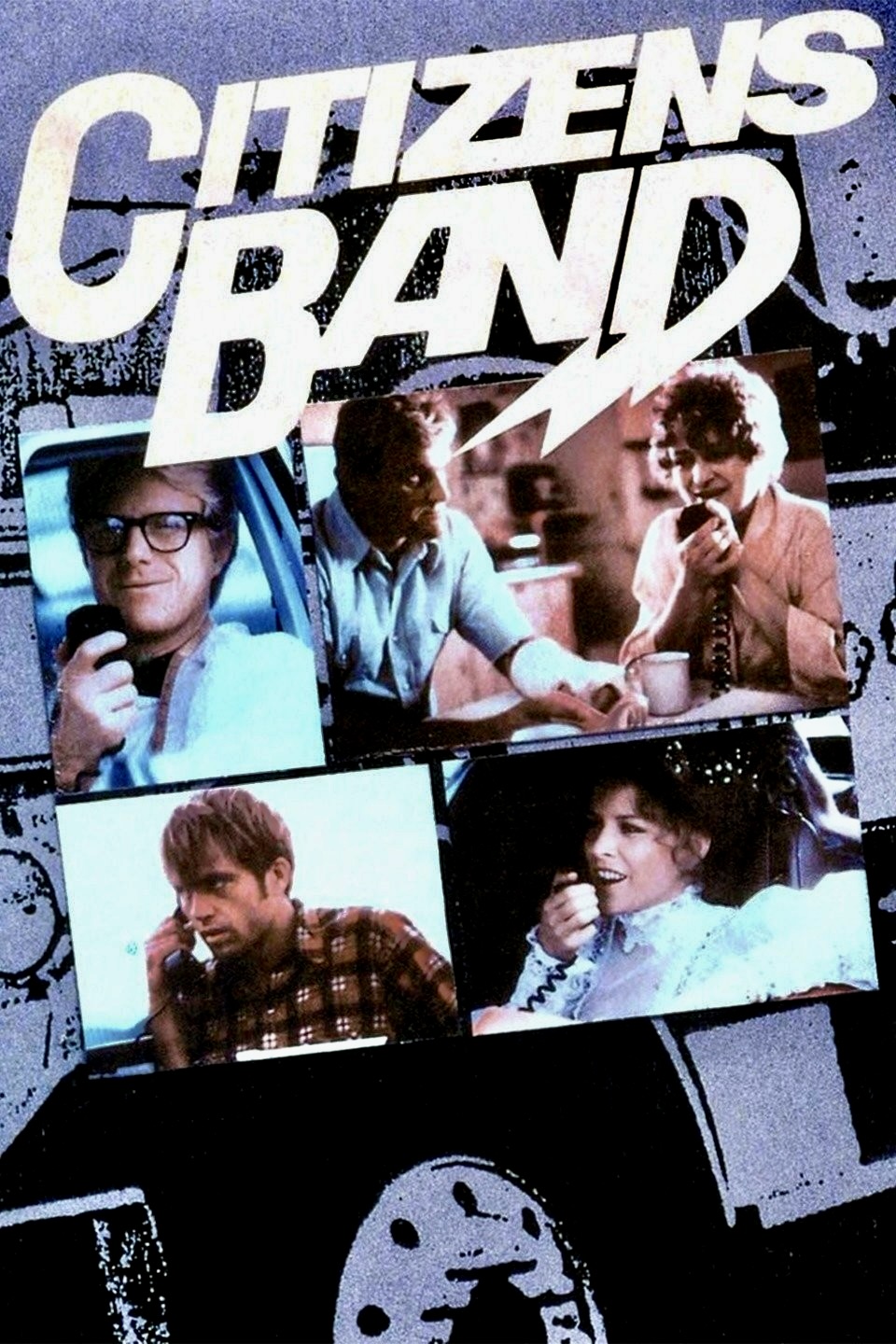
Does anyone remember the CB radio craze of the 1970s? It now looks like some strange cultural aberration in hindsight but it lasted for about eight years and was at the height of its popularity between 1974 to 1977. The CB radio lifestyle and its terminology infiltrated pop culture and was celebrated in top forty songs like C.W. McCall’s “Convoy” (1975) and Jerry Reed’s “East Bound and Down” (1977) and in TV series such as Movin’ On (1974-1976) and B.J. and the Bear (1979-1981). The craze was also a ubiquitous presence in movies, often driving the narrative in such drive-in fare as C.B. Hustlers (1976) and High-Ballin’ (1978) as well as Smokey and the Bandit, the number four box office hit of 1977. Yet, strangely enough, 1977’s Citizens Band (which stands for CB) was almost completely ignored by moviegoers even though it is one of the most entertaining and perceptive portraits of CB culture. It was also the first major studio film for director Jonathan Demme (The Silence of the Lambs), who was working with a screenplay penned by Paul Brickman (the writer and director of 1983’s Risky Business).
Continue readingTag Archives: Risky Business
End of the Line
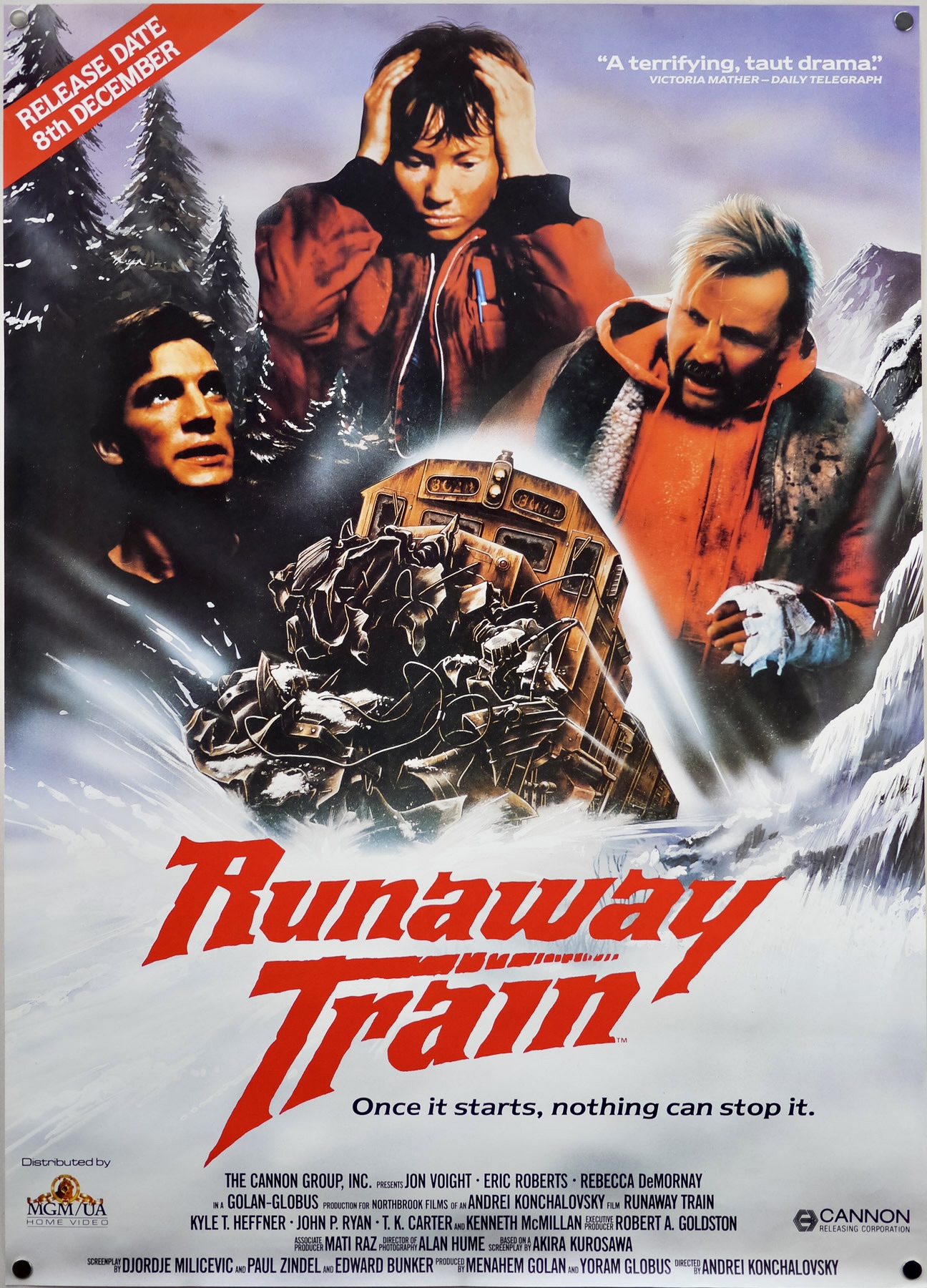
There was a brief time in the 1980s when the international production/distribution company Globus-Golan, managed by Israeli mogul Yoram Globus and his cousin Menachem Golan, garnered and generated more press coverage than box office receipts or critical acclaim for their movies. Their legendary deal-making and oversized egos were part of the film industry’s fascination with the Globus-Golan partnership and the duo had a good run from 1978 through 1988, which were the prime years for their company. Most of their major successes were star-driven action vehicles like Charles Bronson in Death Wish II (1982) and its sequels, The Delta Force (1984) starring Chuck Norris) and Sylvester Stallone as a Los Angeles cop in Cobra (1986). They also had some surprise hits in music/dance and teen sexploitation categories like Breakin’ (1984) and The Last American Virgin (1982). Globus-Golan even tried to crack the arthouse market with smaller indie productions like That Championship Season (1982), Fool for Love (1985), Barfly (1987), and the Jean-Luc Godard directed King Lear (1987) with Woody Allen, Norman Mailer and Molly Ringwald but only a few were successful like Runaway Train (1985), directed by Andrei Konchalovsky. Utilizing tropes from prison breakout flicks and man-made disaster films, Runaway Train was a weird hybrid that worked as a straight-ahead action adventure but also as a psychological character study unfolding in an extreme setting – the icy tundra of the Alaskan wilderness.
Continue reading

