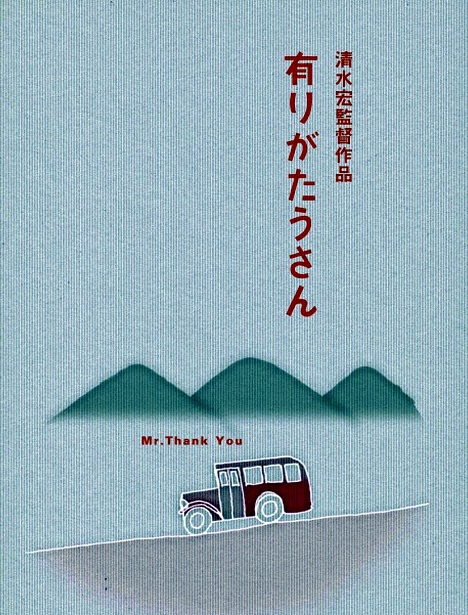
Virtually unknown in the U.S. until recent years and largely neglected in his own country, director Hiroshi Shimizu was a unique figure in Japanese cinema for his insistence on shooting his movies in the open air in real locations and for often working without a script, improvising scenes and dialogue during production. Few directors, if any, were doing this during the silent and early sound era in Japan and unlike his more internationally famous peers like Akira Kurosawa,Yasujiro Ozu and Kenji Mizoguchi, Shimizu specialized in contemporary human stories about people living on the margins of society such as orphaned children or transient workers moving from place to place. Although he made more than 150 movies between 1923 and 1959, many of them have been lost but of the ones that survive, Arigato-san (English title, Mr. Thank You, 1936) is a great introduction to his work during the sound era.
Continue reading