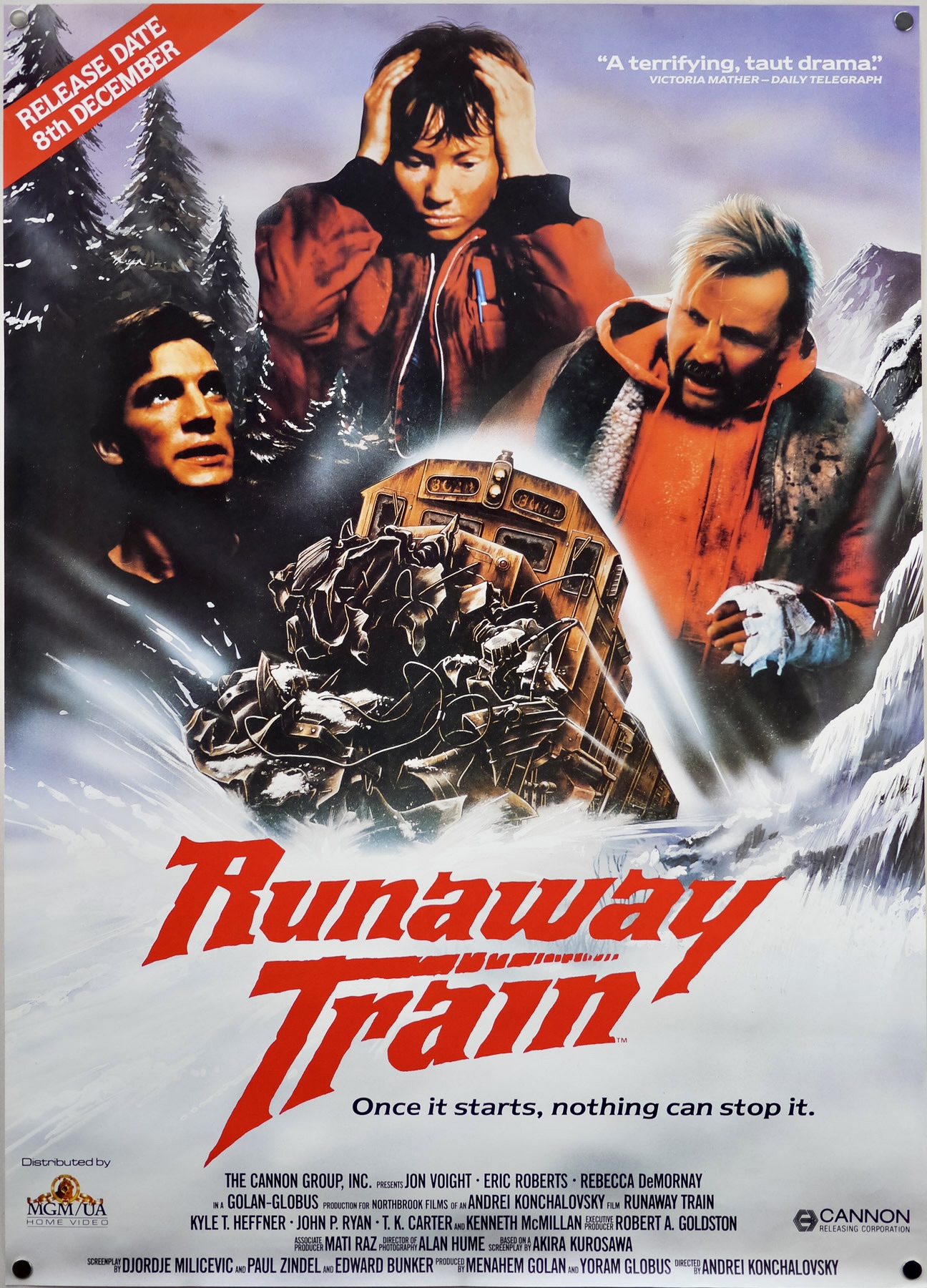
There was a brief time in the 1980s when the international production/distribution company Globus-Golan, managed by Israeli mogul Yoram Globus and his cousin Menachem Golan, garnered and generated more press coverage than box office receipts or critical acclaim for their movies. Their legendary deal-making and oversized egos were part of the film industry’s fascination with the Globus-Golan partnership and the duo had a good run from 1978 through 1988, which were the prime years for their company. Most of their major successes were star-driven action vehicles like Charles Bronson in Death Wish II (1982) and its sequels, The Delta Force (1984) starring Chuck Norris) and Sylvester Stallone as a Los Angeles cop in Cobra (1986). They also had some surprise hits in music/dance and teen sexploitation categories like Breakin’ (1984) and The Last American Virgin (1982). Globus-Golan even tried to crack the arthouse market with smaller indie productions like That Championship Season (1982), Fool for Love (1985), Barfly (1987), and the Jean-Luc Godard directed King Lear (1987) with Woody Allen, Norman Mailer and Molly Ringwald but only a few were successful like Runaway Train (1985), directed by Andrei Konchalovsky. Utilizing tropes from prison breakout flicks and man-made disaster films, Runaway Train was a weird hybrid that worked as a straight-ahead action adventure but also as a psychological character study unfolding in an extreme setting – the icy tundra of the Alaskan wilderness.
Continue readingTag Archives: Charles Bronson
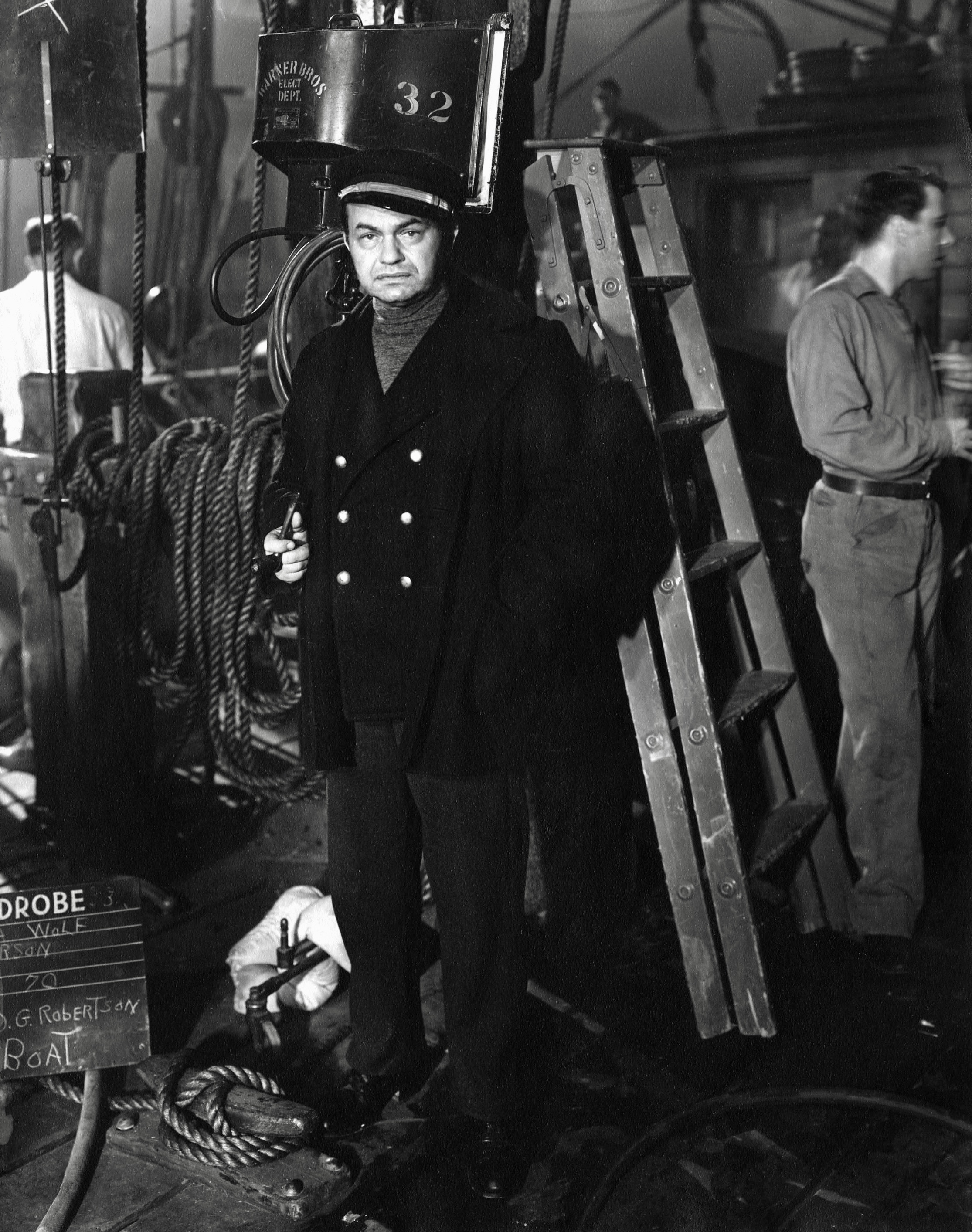
Edward G. Robinson is Wolf Larsen

Among the many tales about ill-fated ocean voyages, obsessive and tyrannical sea captains are usually at the root of the trouble. Some of the more memorable ones include Captain Ahab in Moby Dick, Captain Bligh in Mutiny on the Bounty, and Captain Queeg in The Caine Mutiny. But none of these misguided authority figures can match the sadism and brutality of Wolf Larsen, the megalomaniac captain of Jack London’s novel, The Sea Wolf, who was famously portrayed by Edward G. Robinson in a 1941 Warner Bros. production directed by Michael Curtiz.
Continue readingThe New Orleans Streetfighter
If you have never been tempted to see Charles Bronson in one of his many top-billed action vehicles, then you also probably wonder why he enjoyed superstar status on an international level. But put aside your skepticism for a moment and consider Hard Times (1975), a Depression-era tale about a mysterious drifter named Chaney who makes a living as a bare-knuckle streetfighter.
Continue readingBring It On
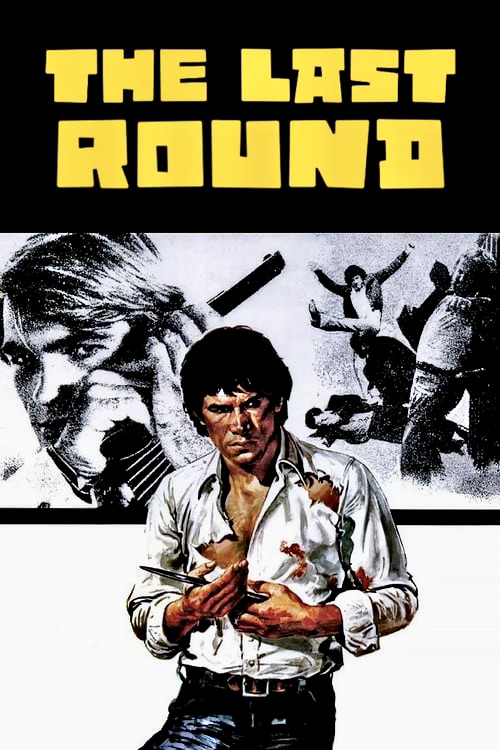
Revenge is a dish best served cold and the recipe is given a distinctly Italian flavor by director Stelvio Massi in The Last Round (Italian title: Il Conto e Chiuso, 1976), a blue collar reworking of Akira Kurosawa’s Yojimbo (1961) for the poliziotteschi genre, which was originally inspired by Dashiell Hammett’s 1929 novel Red Harvest.
Continue readingThe Harmonious Sounds of Franco De Gemini
You might not know the name but you have probably heard his music and the unmistakable sound of his harmonica on countless Italian film scores. The plaintive wail of his instrument on Once Upon a Time in the West (1968) was used as a musical motif for Charles Bronson’s avenging angel, who was identified simply as “the man with the harmonica” in Sergio Leone’s landmark film. Yet that nickname really belongs to Franco De Gemini who has brought his distinctive sound from the background to the foreground in more than 800 movie scores in his lifetime. His talent for expressing conflicting emotions through his music in both minimalist and operatic arrangements is this composer’s secret weapon.
Continue readingWoody’s Benediction

His name was Woodrow Wilson Woolwine Strode and he was a football star, a professional wrestler, a WWII veteran and a famous Hollywood character actor who should have become a star. But the closest Woody Strode ever got to playing the leading role in an American film was Sergeant Rutledge (1960), in which he portrayed the title character but was fourth billed after Jeffrey Hunter, Constance Tower and Billie Burke. In an ironic twist that makes sense in a Pre-Civil Rights Hollywood, Strode had to travel to Italy to finally receive top billing and the only genuine leading role of his career in Black Jesus (1968) aka Seated at his Right (the Italian title is Seduto alla sua Destra). It is probably one of his least known films but easily his biggest role and possibly his best performance.
Mining for B-Movie Gold
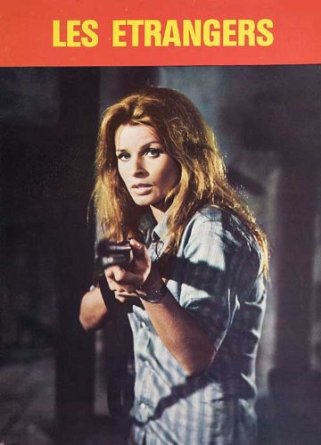
It’s a rare thing when a crime thriller departs from the usual formulaic expectations and rewards the viewer with a much more unpredictable and entertaining twist on a familiar genre. Such is the case with Les étrangers (aka The Strangers, 1969), which begins with a carefully planned diamond heist in a remote desert town that goes spectacularly awry before transitioning into a deadly game of cat and mouse between a fleeing fugitive and a couple that offer him temporary shelter. This is a superior B-movie that feels like an A-picture with its iconic international cast of actors from France (Michel Constantin), Austria (Senta Berger), Spain (Julián Mateos) and South Africa (Hans Meyer), a spaghetti western-flavored score by Michel Magne and Francoise de Roubaix, and atmospheric cinematography by Marcel Grignon, who received an Oscar nomination for Is Paris Burning? (1967) and filmed such cult favorites as Roger Vadim’s Vice and Virtue (1963) and Walerian Borowczyk’s The Beast (1975). Continue reading
Marriage as Tragicomedy

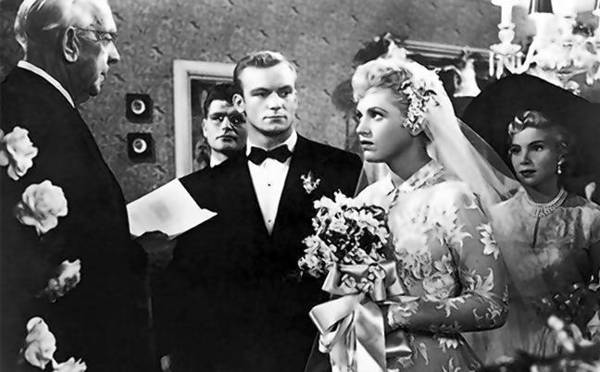
Aldo Ray as the groom & Judy Holliday as the bride in The Marrying Kind (1952), directed by George Cukor
Often overlooked among the films George Cukor directed in the fifties, The Marrying Kind (1952) starring Judy Holliday and Aldo Ray might have suffered from the fact that it was not a pure comedy like Pat and Mike (1952) and It Should Happen to You (1954). It is quite unique from anything else that Cukor attempted and it deserves more than the no-frills DVD release that was issued from Sony Pictures Home Entertainment back in 2003. This is one that cries out for a Criterion Collection Blu-Ray upgrade with all of the extra features that celebrate the featured film in context to its time, place and creation. The Marrying Kind is also an intriguing reminder of the career Aldo Ray might have had if other directors had not cast the actor in roles that accented his imposing physical presence over his acting ability. Continue reading