Crossing the Color Line

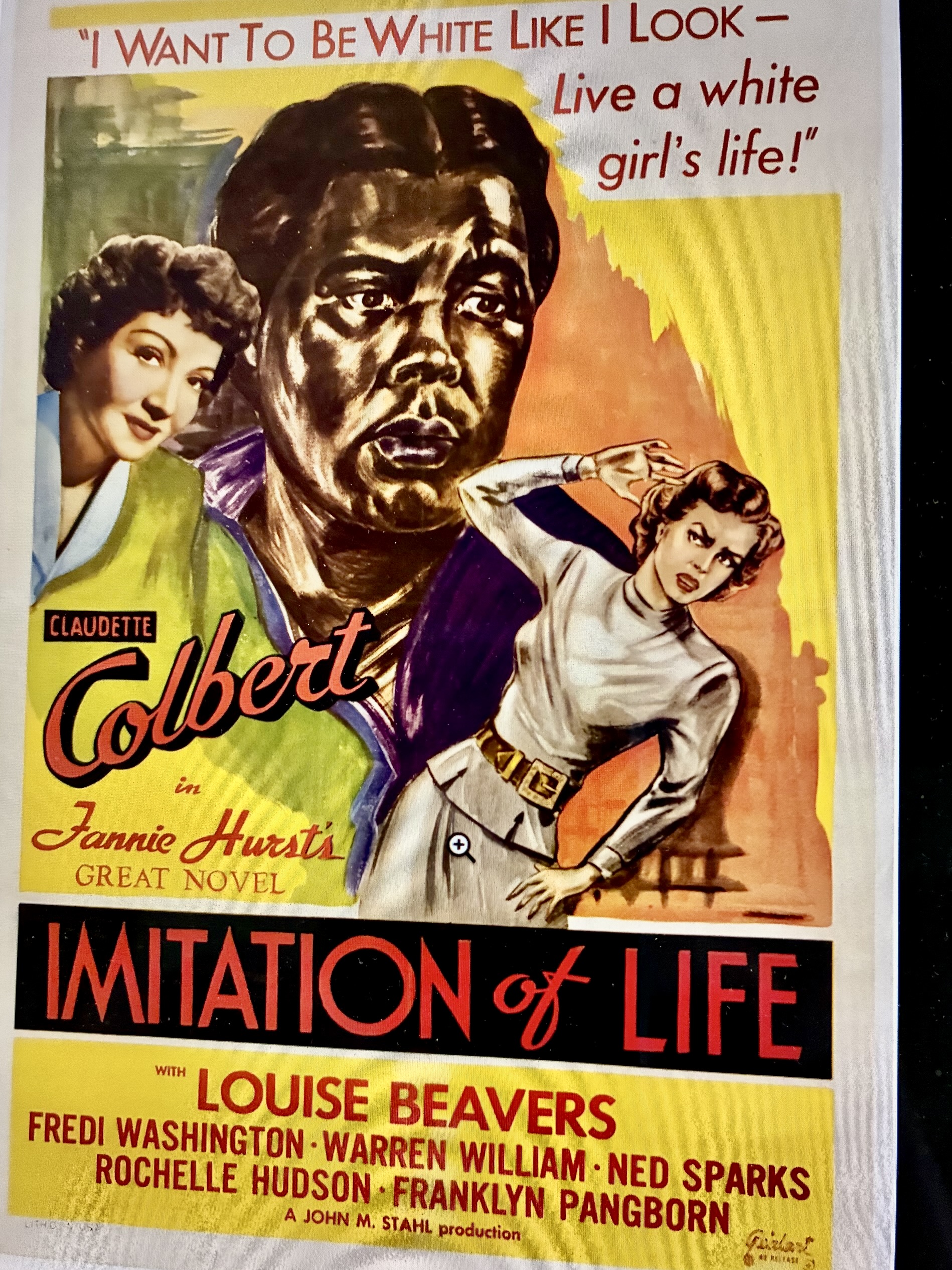
This film poster for IMITATION OF LIFE (1934) was an alternate version that was targeted toward black audiences.

“The only Hollywood movie of its era that even suggested the existence of such a thing as a race problem in America, the film set off sparks within the black community. Black ministers preached sermons about it while black intellectuals wrote about the film as well. And the movie acquired a legend of its own that still lives today.” – Donald Bogle on Imitation of Life (1934) in Blacks in American Films and Television: An Illustrated Encyclopedia

Less well known than the 1959 Douglas Sirk remake starring Lana Turner and Juanita Moore, the first film version of Imitation of Life, directed by John M. Stahl, is actually more faithful to the Fannie Hurst novel (except for the ending) and in many ways presents a much more socially progressive viewpoint than the Sirk version as noted in the below article.

Continue reading
Like Moths to a Flame

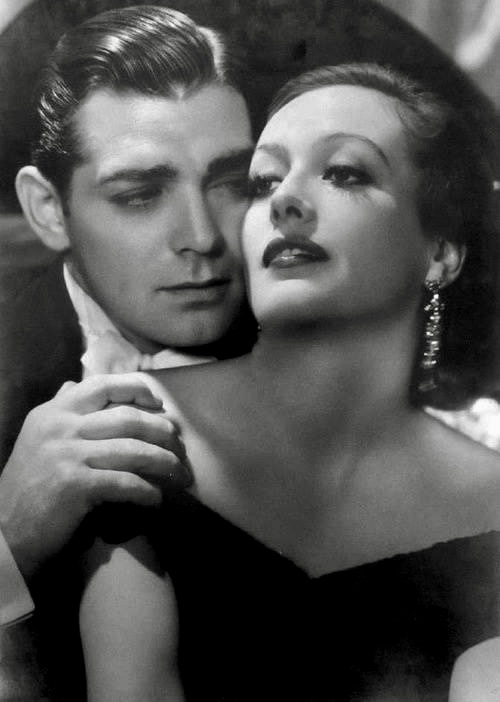
A publicity photo of Clark Gable and Joan Crawford in the 1931 melodrama POSSESSED.

It was just the sort of rags-to-riches tale audiences craved during the Depression era. A working class woman with a shady past finds romance with a high society lawyer running for political office. There’s one major obstacle to their happiness though – he’s married. But Possessed (1931) is less about the road to a bright future for these star-crossed lovers than the on-screen sexual chemistry between the two stars – Joan Crawford and Clark Gable. It was their third film together but it was the first time the duo truly clicked with audiences as a screen couple.

Continue reading

Heart of Darkness

The Pre-Code era of Hollywood when films were much more explicit, suggestive and racy is generally believed to be that period between 1929 and 1934, the year the Production Code was officially enforced. After that the studios had to comply with a long list of restrictions imposed on motion pictures by Joseph Breen (director of the PCA aka Production Code Administration) in terms of subject matter, situations and characters if the producers wanted their films to get a commercial release. Of course, film censorship in Hollywood existed before 1934 but it was not always enforced. Complaints from moral guardian groups and religious organizations like the Catholic Legion of Decency were crucial in pressuring Hollywood to reduce the amount of sex, violence and decadence in movies. Some of their earliest targets were three films from MGM, which were a collaboration between director Tod Browning and Lon Chaney – The Unholy Trio (1925), The Unknown (1927) and West of Zanzibar (1928). All three of the films contain perverse and unsettling storylines but West of Zanzibar tops them all in terms of shock value even by today’s standards.  

Continue reading

Preston Sturges’ Off-Season Yuletide Homage

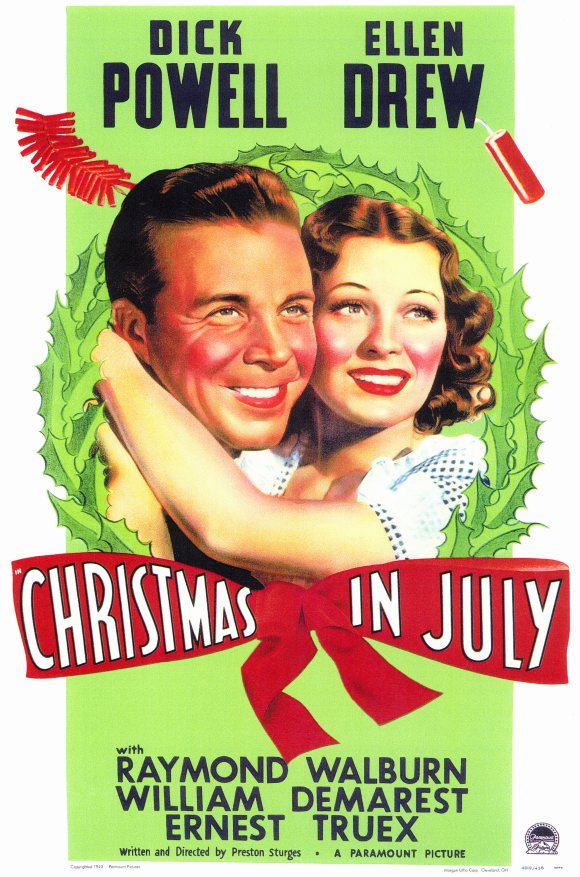
For many people the Christmas holidays wouldn’t be complete without a viewing of It’s a Wonderful Life or Miracle on 34th Street or some version of Charles Dickens’ A Christmas Carol whether it features Reginald Owen, Alastair Sims, Mr. Magoo or Bill Murray. But there’s no reason why Preston Sturges’ Christmas in July (1940) shouldn’t become an annual seasonal favorite as well. Granted, it doesn’t take place in December, contains no wintry, snow-covered landscapes or appearances by Santa Claus but like the Frank Capra and Charles Dickens favorites it conveys the spirit of Christmas, one of selfless giving and generosity to those less fortunate than you. It also reaffirms the importance of family and friends over the materialistic traps of the world but accomplishes it with wit and high style in a breathlessly paced sixty-seven minute rollercoaster ride.  Continue reading