
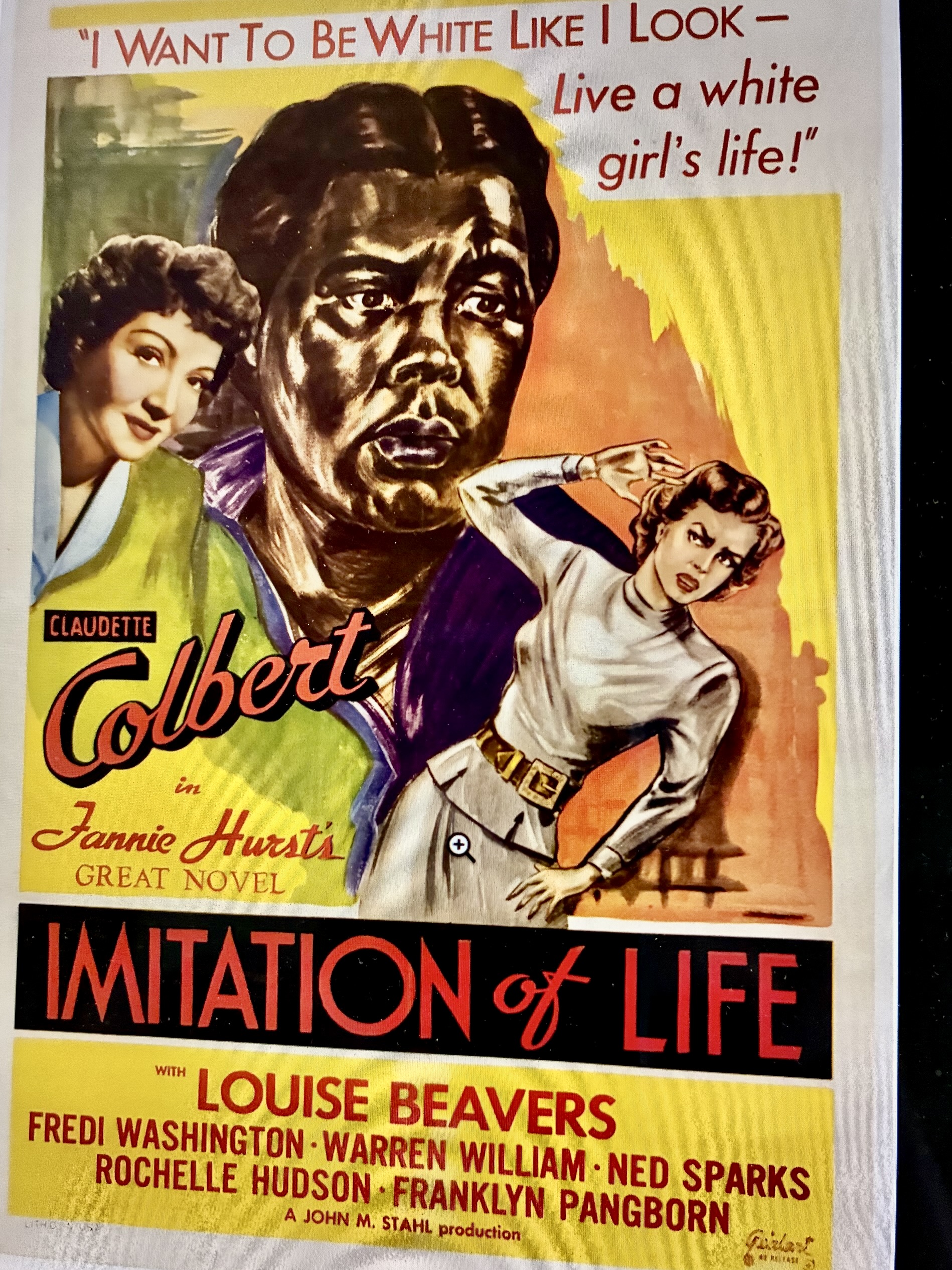
Crossing the Color Line

This film poster for IMITATION OF LIFE (1934) was an alternate version that was targeted toward black audiences.

“The only Hollywood movie of its era that even suggested the existence of such a thing as a race problem in America, the film set off sparks within the black community. Black ministers preached sermons about it while black intellectuals wrote about the film as well. And the movie acquired a legend of its own that still lives today.” – Donald Bogle on Imitation of Life (1934) in Blacks in American Films and Television: An Illustrated Encyclopedia

Less well known than the 1959 Douglas Sirk remake starring Lana Turner and Juanita Moore, the first film version of Imitation of Life, directed by John M. Stahl, is actually more faithful to the Fannie Hurst novel (except for the ending) and in many ways presents a much more socially progressive viewpoint than the Sirk version as noted in the below article.

Continue reading
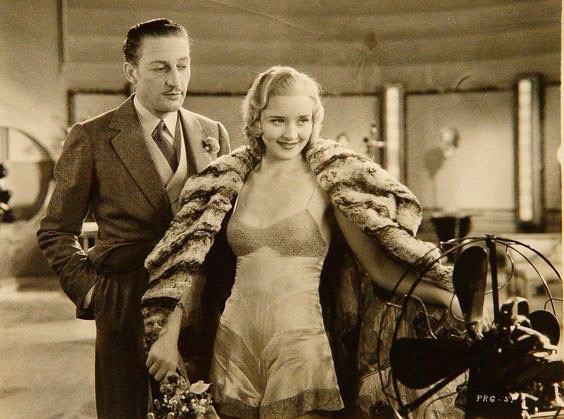
The Case of the Fake MD

Most medical dramas focus on storylines about the inner workings of a hospital, rivalries between staff members, patients in crisis situations or maybe all of the above. Bedside (1934) is unique in that the main character, Dr. J. Herbert Martell aka Bob Brown, isn’t a real doctor at all. He’s only an X-ray technician posing as a MD and his motivation has nothing to do with the Hippocratic Oath. He’s a dirty rotten scoundrel and you know he’s up to no good from the start because he is played by Warren William, a familiar face in films of the Pre-Code period.

Continue reading

From Tenement to Penthouse: A Pre-Code Affair

Warren William and Marian Marsh in the Pre-Code drama, Under Eighteen (1931), directed by Archie Mayo.

Warren William and Marian Marsh in the Pre-Code drama, Under Eighteen (1931), directed by Archie Mayo.

One of several Pre-Code dramas helmed by Warner Bros. contract director Archie Mayo in 1931, Under Eighteen is a cautionary tale for the working girl that was lost in the shuffle of too many similar programmers released that same year. Seen today, it provides a unique window into the past when studios like Warner Bros. catered to Depression Era-audiences, particularly women, with movie plots that mirrored situations and circumstances in the lives of their audience.    Continue reading