
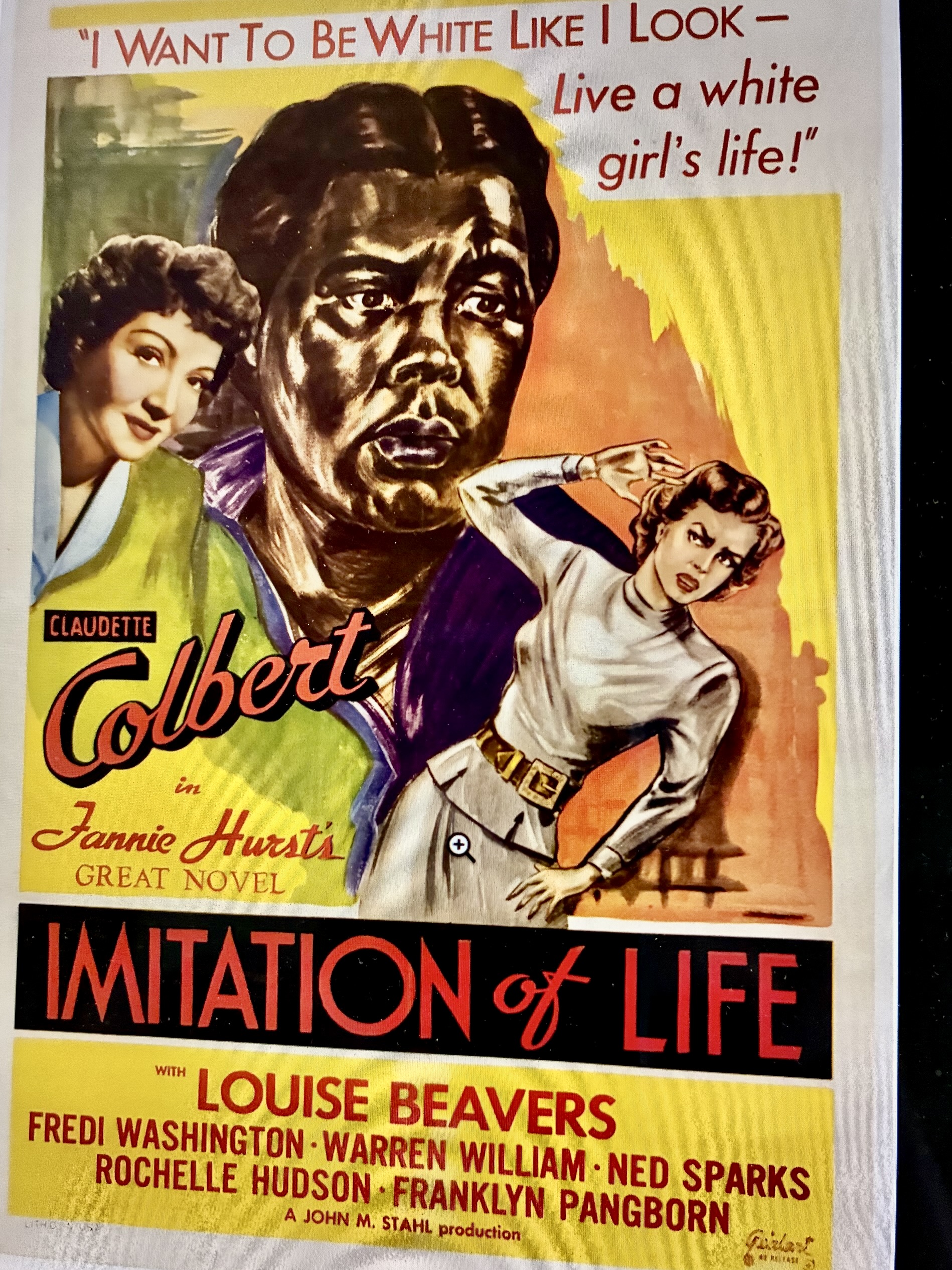
“The only Hollywood movie of its era that even suggested the existence of such a thing as a race problem in America, the film set off sparks within the black community. Black ministers preached sermons about it while black intellectuals wrote about the film as well. And the movie acquired a legend of its own that still lives today.” – Donald Bogle on Imitation of Life (1934) in Blacks in American Films and Television: An Illustrated Encyclopedia
Less well known than the 1959 Douglas Sirk remake starring Lana Turner and Juanita Moore, the first film version of Imitation of Life, directed by John M. Stahl, is actually more faithful to the Fannie Hurst novel (except for the ending) and in many ways presents a much more socially progressive viewpoint than the Sirk version as noted in the below article.
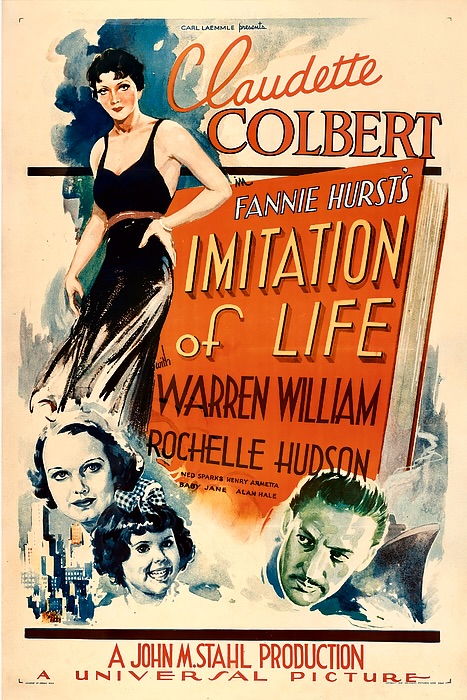
[Synopsis] Through a chance meeting, two widowed mothers – one white, Beatrice Pullman (Claudette Colbert), and one black, Delilah Johnson (Louise Beavers) – decide to pool their talents and go into business together, opening a waffle shop. A surprising financial success, their business is quickly franchised into a chain of coffee shops that market their unique product line – Delilah’s waffle recipe and Bea’s maple sugar-candy hearts. But their success is a mixed blessing because it complicates their relationships with their own daughters. Feeling neglected, Bea’s daughter, Jessie (Rochelle Hudson), rebels against her mother and eventually tries to steal her fiancé Stephen (Warren William) away. Delilah’s daughter, Peola (Fredi Washington), on the other hand, is a beautiful mulatto who tries to pass for white, completely disassociating herself from her mother and her own race.
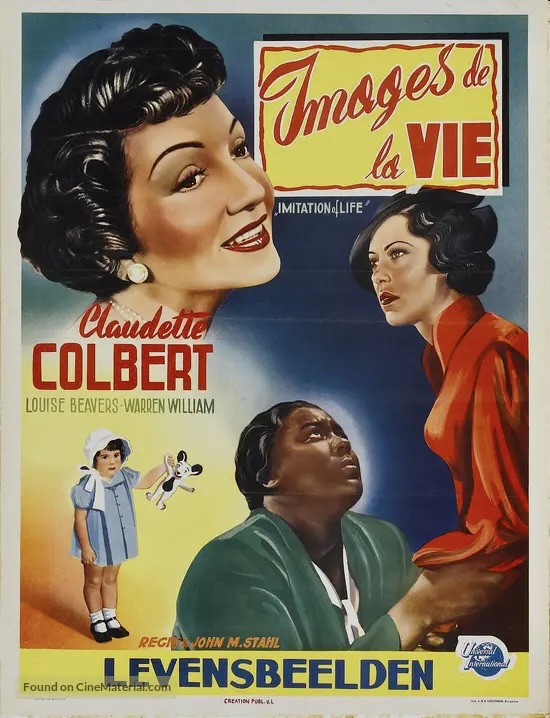
Stahl’s 1934 version of Imitation of Life was ahead of its time in presenting single women as successful entrepreneurs in a business traditionally run by men. Even more significant was its subplot which addressed sensitive racial issues (light-skinned vs. dark-skinned blacks) that were rarely acknowledged in Hollywood films. Not surprisingly, the 1934 film version was attacked by both liberal and conservative critics when it was first released. The liberals felt that Delilah’s character was an outdated domestic stereotype (“the jolly black cook”) which was unrealistic in the context of the story. After all, Delilah was the one who created the successful waffle recipe and had no need to continue living with Bea as her servant. At the same time, some viewers, particularly in the South, felt it was unbelievable that a white woman would go into business with her maid.
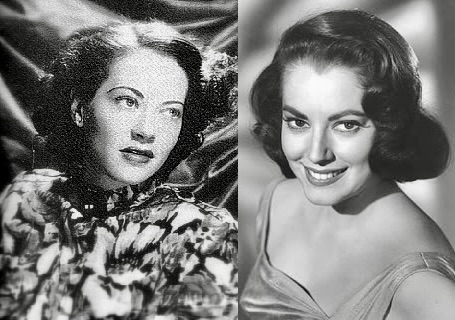
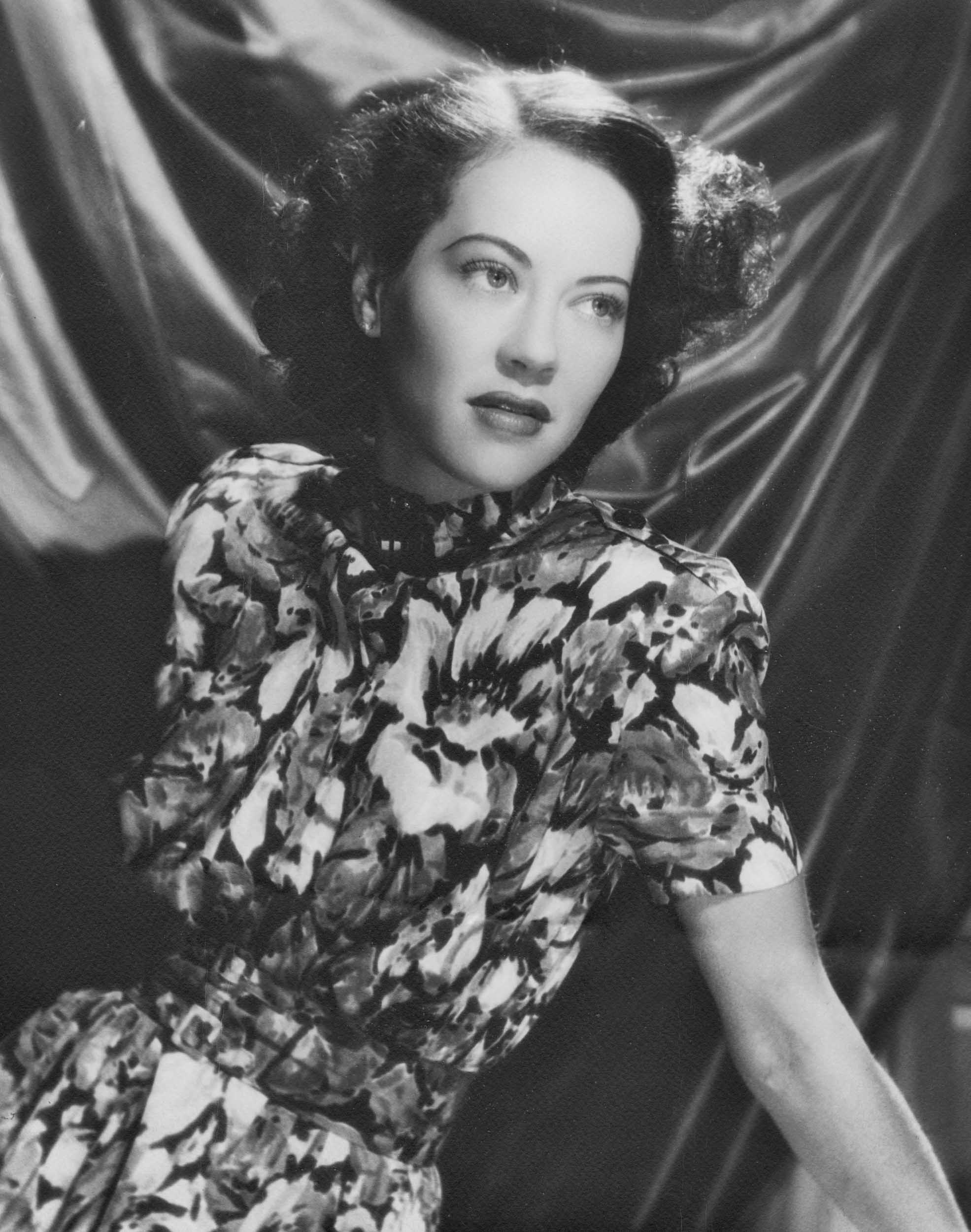
Stahl’s version of Imitation of Life is also significant for another reason – Fredi Washington’s performance as Peola. According to Jean-Pierre Coursodon in his essay on John M. Stahl in American Directors, “Fredi Washington…reportedly received a great deal of mail from young blacks thanking her for having expressed their intimate concerns and contradictions so well. One may add that Stahl’s film was somewhat unique in its casting of a black actress in this kind of part – which was to become a Hollywood stereotype of sorts. Subsequently, the studios cautiously used white actresses in semi-blackface: Helen Morgan in the 1936 and Ava Gardner in the 1951 Show Boat, Jeanne Crain in Pinky, Susan Kohner in the second Imitation of Life.”
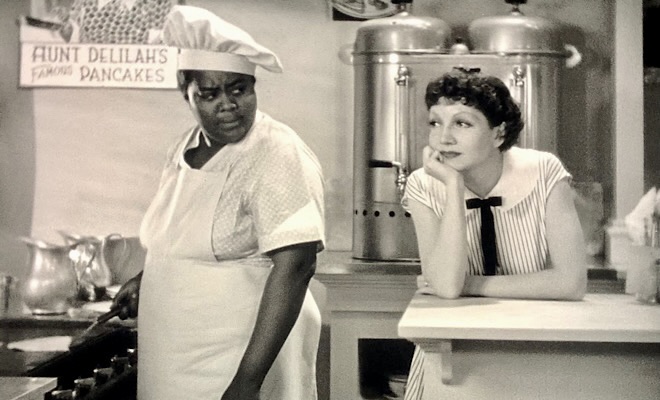
As for Louise Beavers, her role as Delilah was rather ironic since she made it clear she detested kitchen work and particularly hated pancakes and waffles. On the set, professional white chefs would prepare the food while Beavers, pancake flipper in hand, would stand by, waiting for the director to yell, “Action!” Despite her own feelings about her roles, Beavers built a career on playing cheerful domestics in films with Jean Harlow, Mae West and Carole Lombard, and eventually became one of the first black actresses to have her own television show – Beulah (1952-1953).
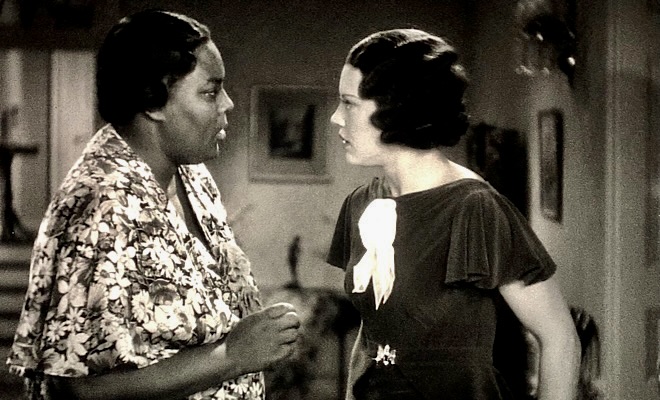
Imitation of Life is certainly one of Beavers’s best performances and should have been nominated for an Oscar. Columnist Jimmy Fiddler was one of many who objected to this oversight and wrote, “I also lament the fact that the motion picture industry has not set aside racial prejudice in naming actresses. I don’t see how it is possible to overlook the magnificent portrayal of the Negro actress, Louise Beavers, who played the mother in Imitation of Life. If the industry chooses to ignore Miss Beavers’ performance, please let this reporter, born and bred in the South, tender a special award of praise to Louise Beavers for the finest performance of 1934.”
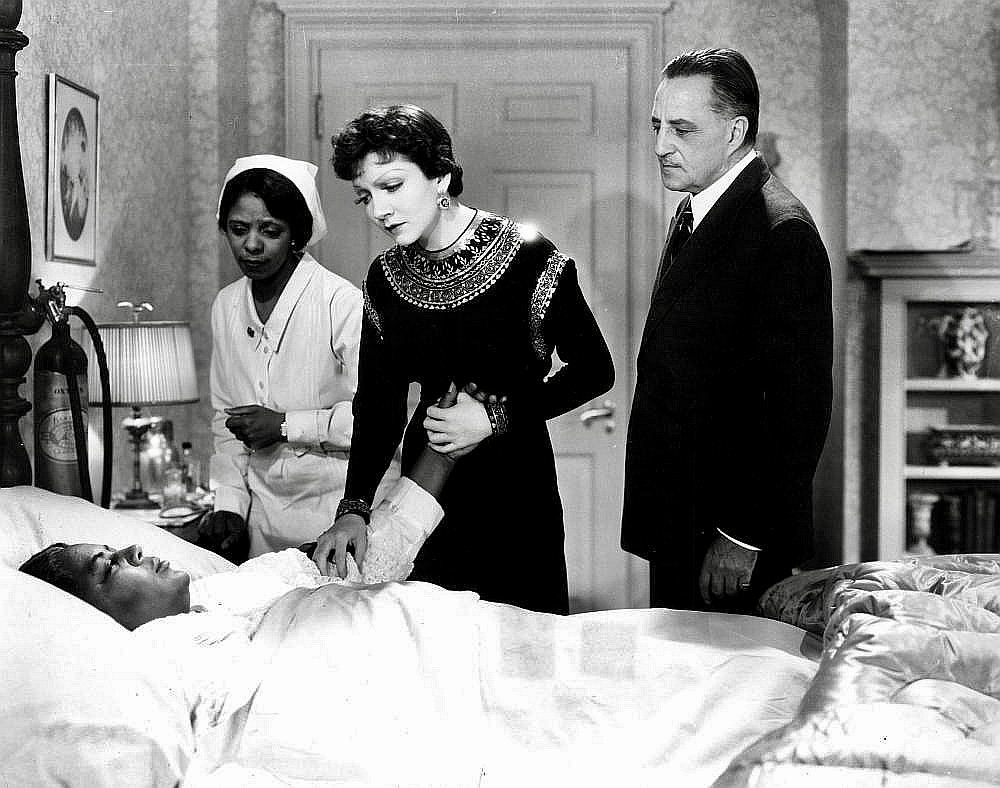
During production, Imitation of Life experienced some setbacks from the Hays Office censors over some language in several scenes and the aspect of miscegenation, which “not only violates the Production Code but is very dangerous from the standpoint both of industry and public policy.” Joseph Breen, head of the Production Code office, objected to the script, writing, “Hurst’s novel dealing with a partly colored girl who wants to pass as white violates the clause covering miscegenation in spirit, if not in fact!” In the end, the censors were able to remove any indication or suggestion of desire between black and white people such as having Peola interact in a familiar way with white men.
Not many people know that the actual inspiration for Fannie Hurst’s novel Imitation of Life came from a road trip to Canada that the author took with her friend Zora Neale Hurston, the acclaimed black short-story writer and folklorist who wrote Mules and Men (1935), a non-fiction study of black culture in Florida, and Jonah’s Gourd Vine (1934), a novel about a black preacher. Hurst had originally planned to call her novel about Bea and Delilah, Sugar House, but changed the title to Imitation of Life just prior to publication. Like most of Hurst’s novels, Imitation of Life became a popular screen success as well – in both of its versions. The 1934 version received three Academy Award nominations – Best Picture (It lost to It Happened One Night for which Claudette Colbert won the Academy Award for Best Actress), Best Assistant Director (Scott R. Beal) and Best Sound Recording (Theodore Soderberg) – while the 1959 version garnered Best Supporting Actress Oscar nominations for Juanita Moore and Susan Kohner.
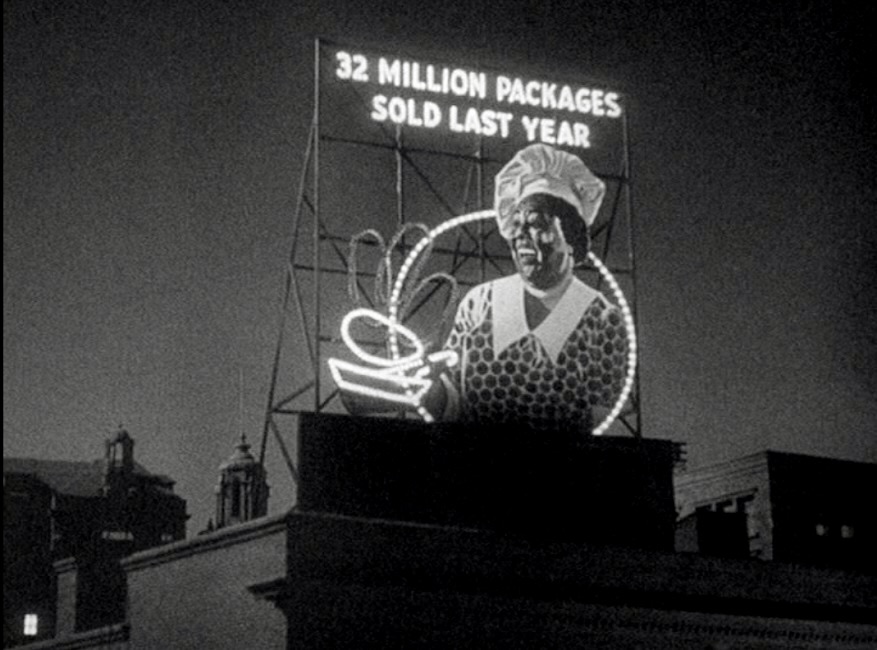
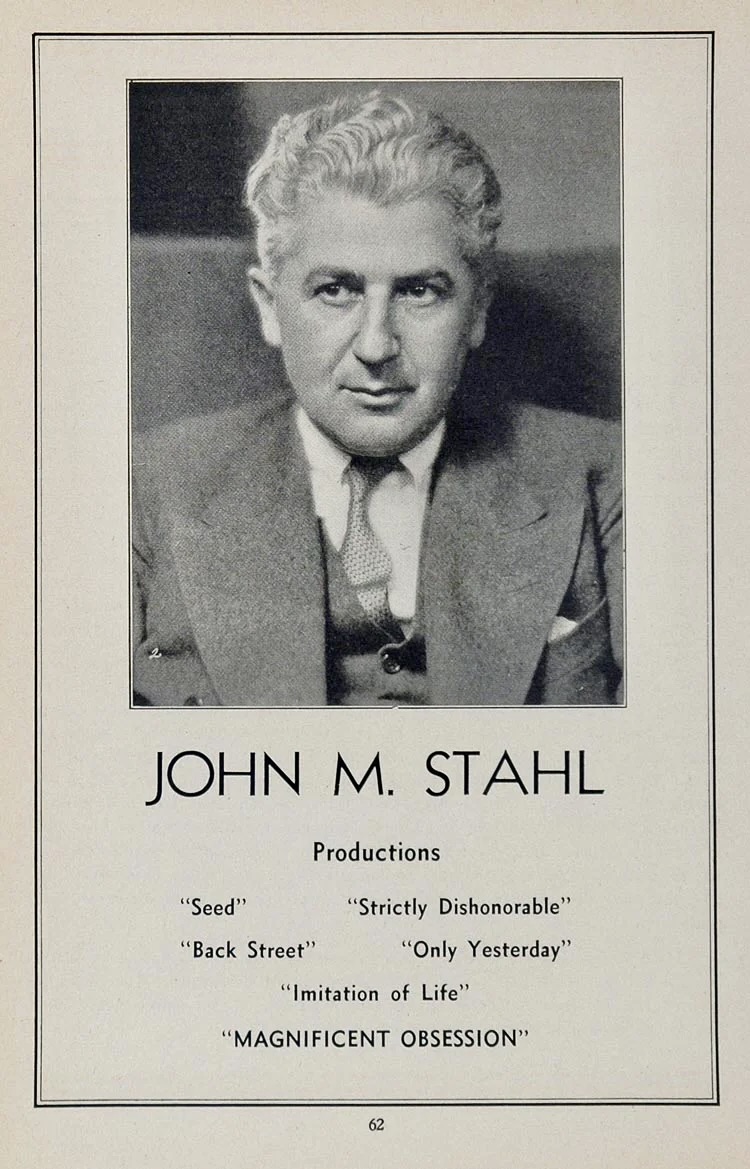
John M. Stahl, director of Imitation of Life, is rarely singled out for his work today but he was, at one time, one of the most sought-after filmmakers in Hollywood. He entered the movie industry in the silent era and eventually signed with producer Louis B. Mayer prior to the creation of Metro-Goldwyn-Mayer in 1924. Some of his better known films at MGM include Why Men Leave Home (1924), Husbands and Lovers (1924) and In Old Kentucky (1927). Stahl moved over to Universal Pictures in 1930 with A Lady Surrenders (1930) and it was at this studio where Stahl helmed some of the biggest box office hits of the thirties including Back Street (1932) with Irene Dunne, Imitation of Life, Magnificent Obsession (1935) and When Tomorrow Comes (1939). The latter three films would be remade at the same studio during the 1950s under the same titles by Douglas Sirk with the exception of the 1957 remake of When Tomorrow Comes which was entitled Interlude pairing June Allyson with Rossano Brazzi.
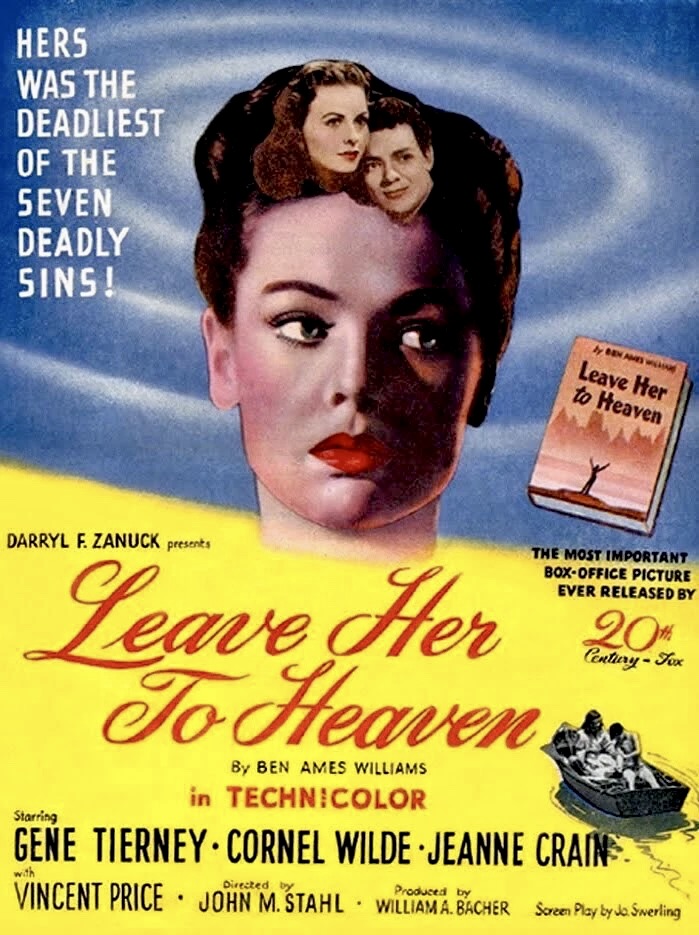
After Stahl left Universal, he went to work for 20th-Century-Fox for the final phase of his directorial career. It was here that he made Leave Her to Heaven (1945), which is considered by most film critics and historians to be his most important movie and the one that will ensure his legacy in Hollywood history. But I am passing over his silent era pictures, which were difficult to see for years, and based on a 2018 retrospective at the Pordenone Silent Film Festival featuring the restoration of eight of his silent movies, Stahl is definitely due for a career reassessment.
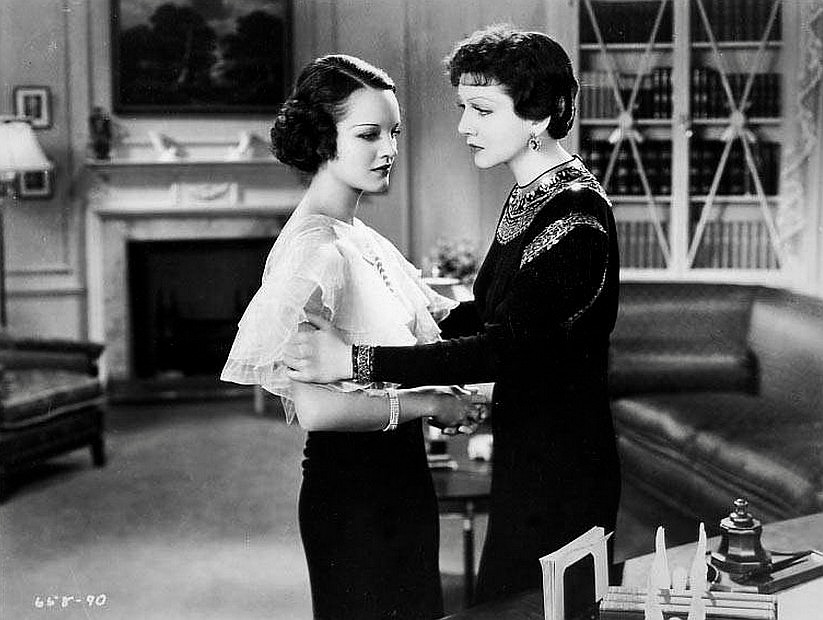
Still, Imitation of Life remains essential viewing for anyone interested in Stahl and it is also notable for its Art Deco/Streamline Moderne influenced art direction by Charles D. Hall (All Quiet on the Western Front, Bride of Frankenstein) and a top notch supporting cast, which includes such familiar character actors as Warren William, Ned Sparks, Alan Hale and Henry Armetta. In 2005 the film was selected for preservation by the Library of Congress’s National Film Registry.
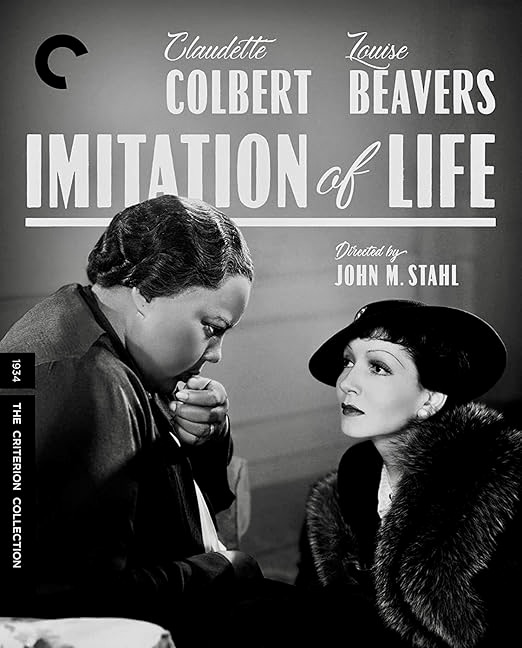
Imitation of Life has been released in various formats over the years but a great option for fans of the movie is the 2-disc Blu-ray double feature of the 1934 and 1959 versions of the film released in April 2015. There is also an excellent Blu-ray edition of the film from The Criterion Collection in January 2023 with numerous extra features.
*This is a revised and expanded version of an article that originally appeared on the Turner Classic Movies website.
Other links of interest:
https://westadamsheritage.org/read/478
https://amistadresearchcenter.org/blog/fredi-washington-and-her-defining-role-in-imitation-of-life

