Max Ophuls’ Caught

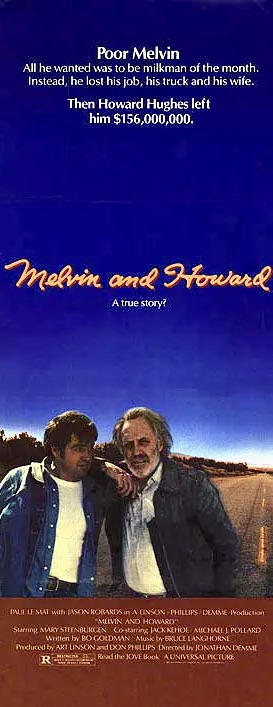
Over the years there have been numerous biographies written about aviation legend/studio mogul/eccentric billionaire Howard Hughes; everything from fake ones like Clifford Irving’s Autobiography of Howard Hughes to definitive accounts such as Howard Hughes: His Life and Madness by Donald L. Bartlett and James B. Steele. In contrast, there have been very few motion pictures about him. Martin Scorsese’s The Aviator (2004), based on the Bartlett & Steele biography, is the only feature film about his life to date. There was also a TV movie, The Amazing Howard Hughes (1977), with Tommy Lee Jones in the title role, and Jonathan Demme’s Melvin and Howard (1980), a quirky docudrama/comedy about Melvin E. Drummar (Paul Le Mat), a Utah man who claimed Hughes (Jason Robards Jr.) named him in his will after rescuing him in the Nevada desert.
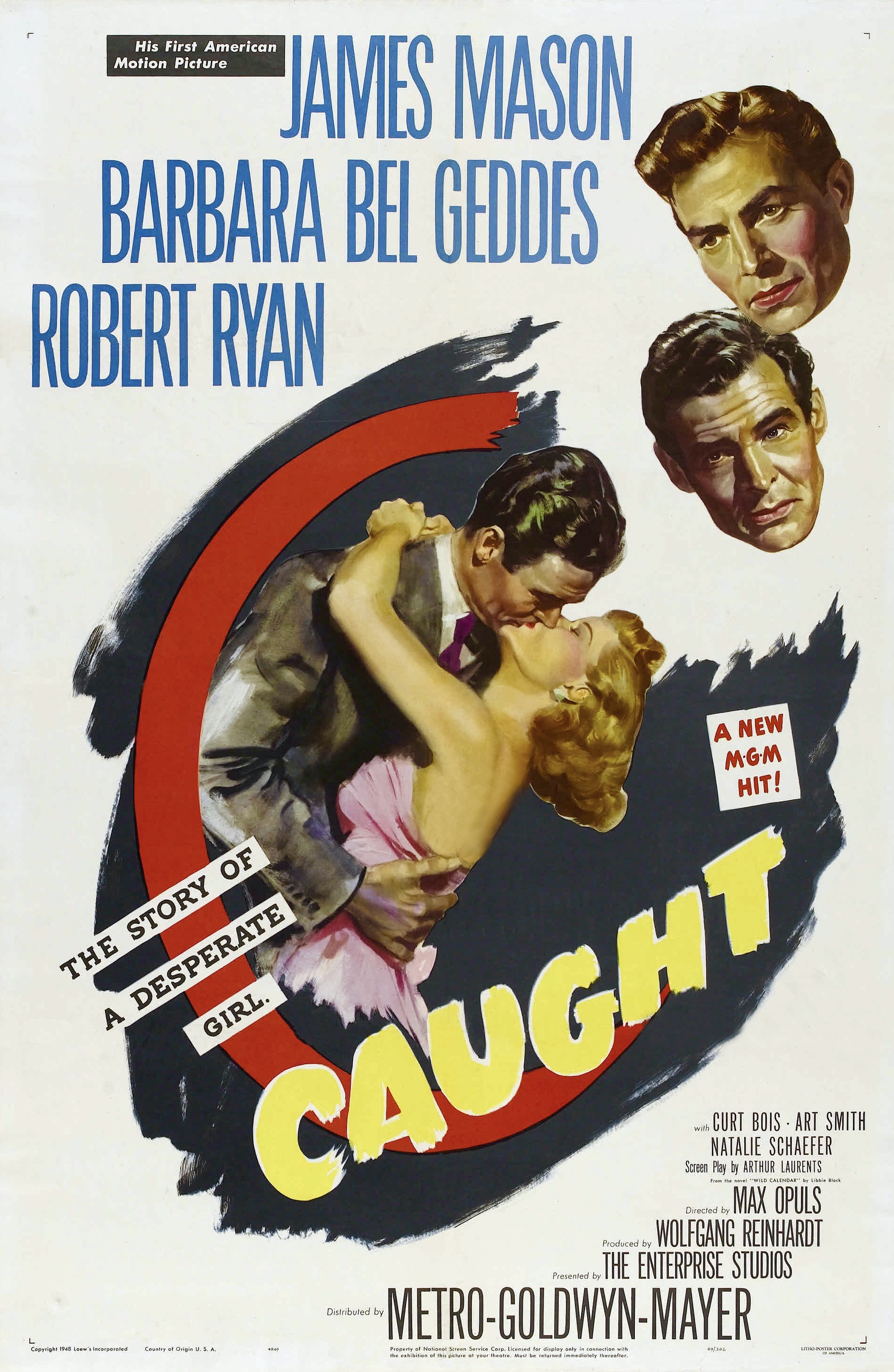
Strangely enough, my favorite film about Howard Hughes isn’t a biopic at all but a noir-like melodrama featuring a character who was clearly inspired by the megalomaniac tycoon – Caught (1949), by German director Max Ophuls. Smith Ohlrig, the business tycoon modeled on Hughes, may not resemble him in terms of a biographical profile but on a psychological level he is the epitome of Hughes in the way he interacted with women, his employees and industry rivals.

Continue reading
Here Today, Gone Tomorrow

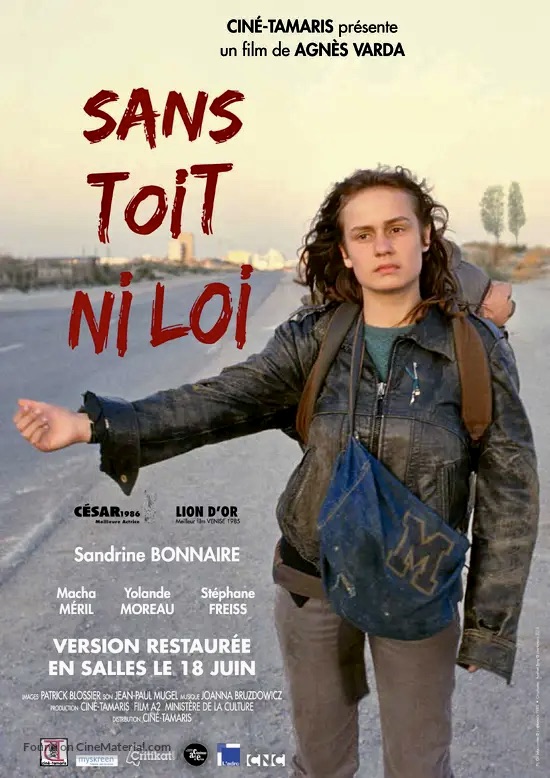
The French film poster for VAGABOND (1985), directed by Agnes Varda.

Film critics and moviegoers familiar with the work of French filmmaker Agnes Varda were unprepared for her seventh feature film Sans toit nil oi (English title: Vagabond) when it hit theaters in 1985. It had been eight years since her previous dramatic work One Sings, the Other Doesn’t (1977), an optimistic, semi-musical tale of female solidarity and friendship during the rise of the feminist movement in France, and her new feature couldn’t have been more different or unexpected. Nor did any of her earlier features – the New Wave influencer La Pointe Courte (955), Cleo from 5 to 7 (1962), Le Bonheur (1965), Les Creatures (1966) or the experimental happening Lion’s Love (1969) – prepare viewers for the harsh realities and raw authenticity of Vagabond. Certainly the film was partially shaped by Varda’s own experience in documentary filmmaking but it also exerted a dramatic power and an almost visceral visual sense that was not apparent in the director’s previous dramatic work. Based on Varda’s encounter with a female vagrant, Vagabond focuses on the final weeks in the life of a homeless woman named Mona (Sandrine Bonnaire) who meets and interacts with various people along the roads of southern France before dying of exposure in a vineyard during a harsh winter.

Continue reading

The Dark Side of Robert Young

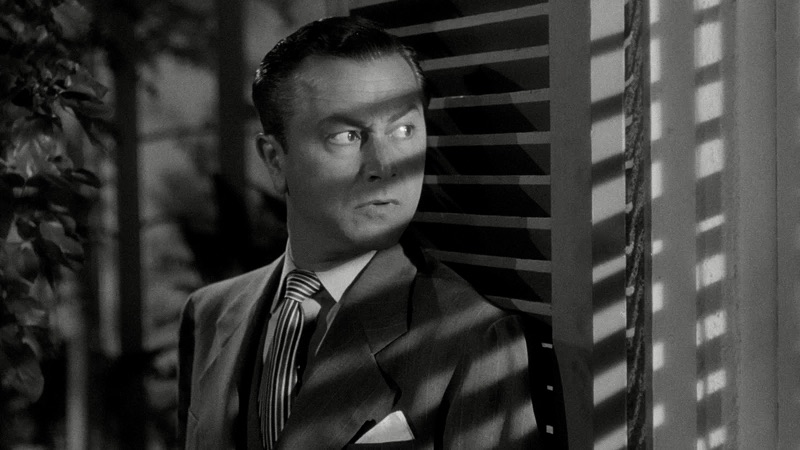
Robert Young plays an embezzler and a womanizer whose luck runs out in THEY WON’T BELIEVE ME (1947), an underrated film noir.

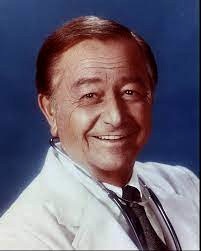
When most baby boomers think of actor Robert Young, they probably recall his popular TV medical series Marcus Welby, M.D. (1969-1976) where he was the epitome of the kind, compassionate doctor or they remember Jim Anderson, the perfect dad in the all-American family sitcom Father Knows Best (1954-1960). He was also typecast as “Mr. Nice Guy” in most of his Hollywood films, playing cheerful romantic leads or the leading man’s best friend or some other debonair, noble or well-intentioned character who rarely made a strong impression compared to more assertive male leads like Clark Gable, Gary Cooper or Spencer Tracy. But there were several occasions when Young discarded his good guy image by playing shadowy characters, outright villains, or damaged human beings.  Among these atypical casting choices, Young is most memorable in Alfred Hitchcock’s Secret Agent (1936) as an undercover spy, a budding fascist in The Mortal Storm (1940), a shellshocked and physically maimed war veteran in The Enchanted Cottage (1945), a complete cad and accused murderer in the underrated film noir They Won’t Believe Me (1947), directed by Irving Pichel, and an architect who is suspected of being a dangerous criminal in The Second Woman (1950).

Robert Young as the star of the popular TV series, MARCUS WELBY, M.D. (1969-1976).
Continue reading

Hucksters, Phonies and Rubberneckers

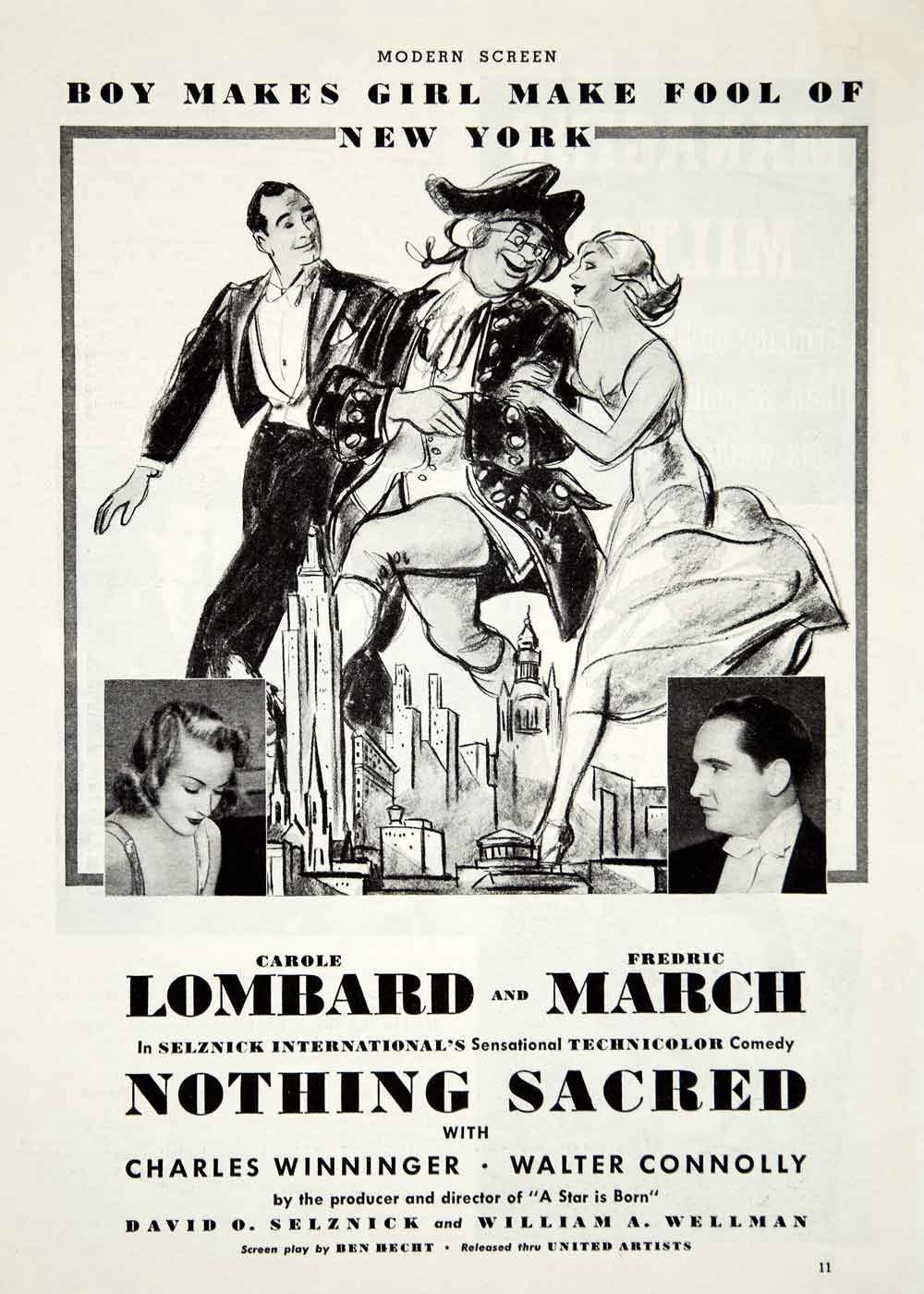
Nothing Sacred (1937) is a key film in that short-lived genre known as ‘the screwball comedy,” a unique Hollywood creation that flourished between 1933 and 1940. Distinguished by its eccentric characters, irreverent humor, and breakneck pacing, these films usually featured privileged but irresponsible characters running amok against the backdrop of the Great Depression when society was in turmoil. But while the idle rich were mercilessly lampooned in the most popular screwball comedy of the previous year – My Man Godfrey (1936) – the whole human race gets dished in Nothing Sacred, from the newspaper industry to a public that enjoys reading sob stories about someone else’s misfortune.

Continue reading

Behind the Scenes on Bonjour Tristesse

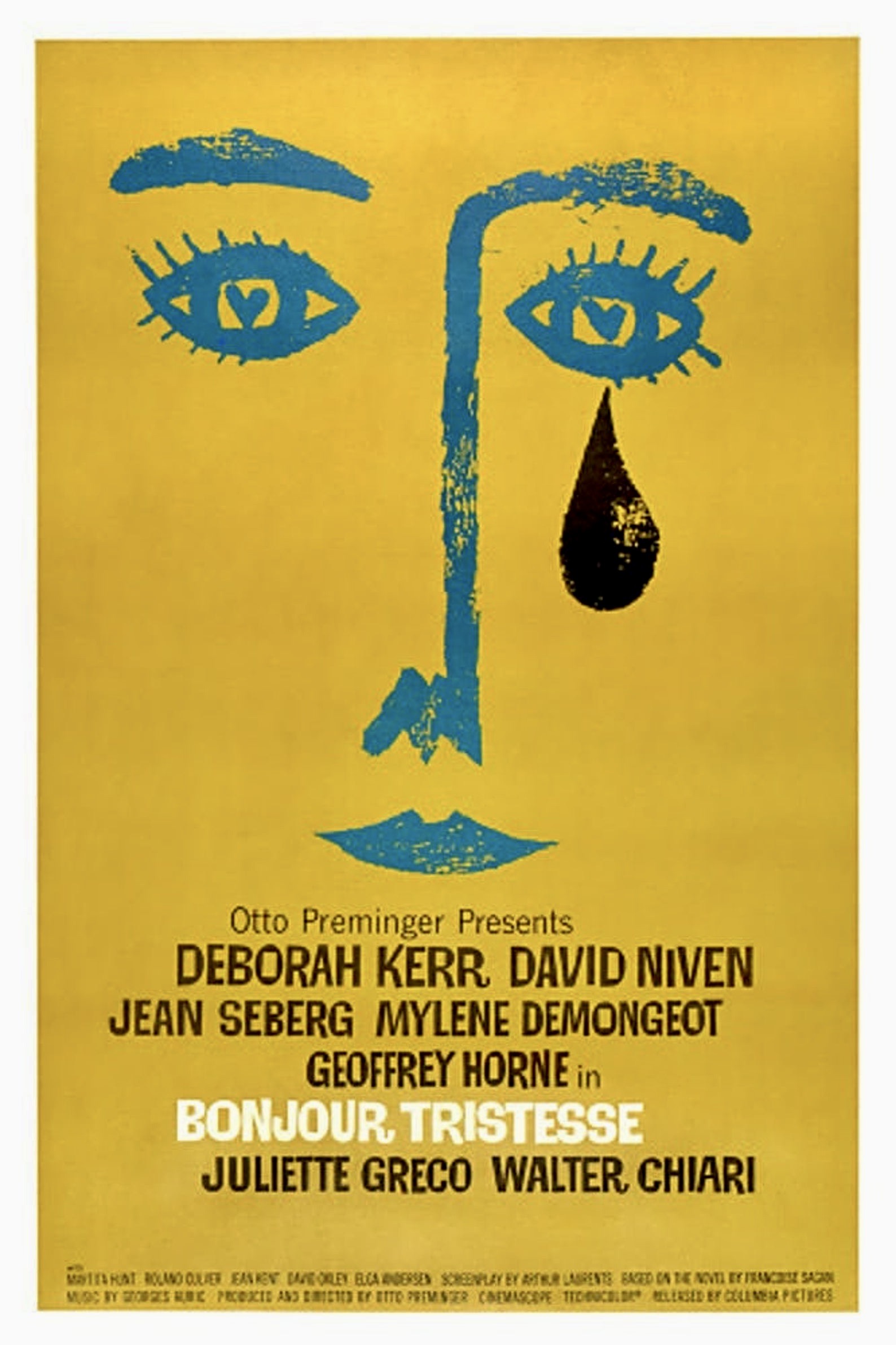
When Otto Preminger announced in 1957 that his next project would be Bonjour Tristesse, based on the best-selling novel by Francoise Sagan, and that it would star Jean Seberg, colleagues and fellow members of the film industry were astonished. After all, his previous film, Saint Joan (1957), which featured Seberg in her film debut, was probably the biggest critical and commercial disaster of Preminger’s career with most of the negative reviews focusing on the inexperienced newcomer whom Preminger had “discovered.” Was Bonjour Tristesse (1958) his attempt to prove to everyone that he was not wrong about Seberg and that her performance in his new movie would validate all the time and effort he had poured into making her an actress? The real reasons, of course, were more complicated than that. 

Continue reading

Georges Franju & Jean Cocteau: Thomas the Impostor

World War I has been the subject of some of the most powerful and prestigious films in cinema from King Vidor’s The Big Parade (1925) and Lewis Milestone’s All Quiet on the Western Front (1930) to Stanley Kubrick’s Paths of Glory (1957) and more recently, Sam Mendes’ 1917 (2019), nominated for ten Oscars including Best Picture. All of those films captured the grim horrors of the battlefield, the demoralization and death toll of the troops and the often reckless or unnecessary military strategies of commanding officers. Going against the grain is Thomas l’imposteur (Thomas the Impostor), based on Jean Cocteau’s 1923 novel which was inspired by his own experiences during WW1 as an ambulance driver for the Red Cross. Directed by Georges Franju from a screenplay by himself, Cocteau and Michel Worms, the 1965 film views war through the experiences of two idealistic dreamers, one an aristocrat, the Princess de Bormes (Emmanuelle Riva), the other an orphan (Fabrice Rouleau), who lies about his age and invents a fake backstory for himself so he can enlist. The result is a unique take on the Great War which combines the ambiance of a dark fairy tale with a realistic but emotionally detached approach to the events as they affect the two main protagonists.

Continue reading

Looking for Love in All the Wrong Places

Director John Cassavetes broke all the rules, inventing his own and then discarding them as he went along. He improvised and experimented with everything from the cinematography to the performances to the actual financing of the film. He even mortgaged his own home numerous times to subsidize his movies over the years and took on acting jobs purely for monetary reasons. His directorial debut Shadows (1958), with its jerky, hand-held camerawork, vivid location shooting on New York City streets and edgy subject matter involving an interracial romance, is one of the most influential films to emerge from the independent New York City cinema movement of the 1950s. Yet, it was just a warm-up for Cassavetes’s next film, Faces (1968), which was even more provocative and unconventional. 

Continue reading

High School Was Never Like This!

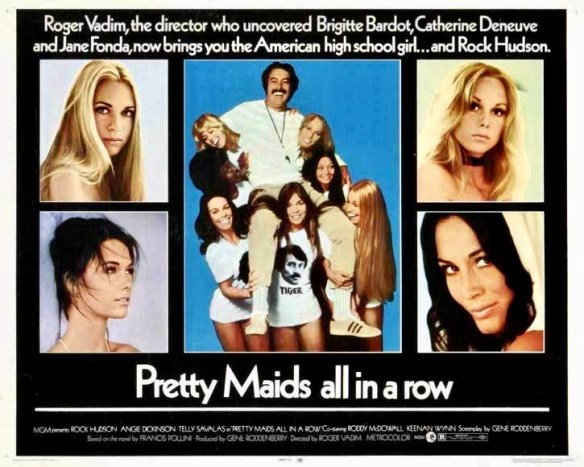
Among the many peculiar assemblages of cast and crew in Hollywood history, Pretty Maids All in a Row (1971) is in a class by itself. A black comedy set in a California high school where someone is murdering female students, the film marked the U.S. film debut of French director Roger Vadim (Barbarella, 1968) with Star Trek creator Gene Roddenberry producing and writing the screenplay. Mix in a number of seasoned Hollywood professionals (Rock Hudson, Angie Dickinson, Roddy McDowall, Keenan Wynn, William Campbell) with a hip, younger cast of aspiring actors and starlets. Top it off with a music score by Lalo Schifrin (Mission: Impossible, 1996) and a theme song co-written by Christian music mogul Mike Curb and sung by The Osmonds. And the result is a delicious guilty pleasure for some and a cringe-inducing embarrassment for others. There is no middle ground here unless you choose to view the film as a sociology experiment.   Continue reading

The Holy Bray

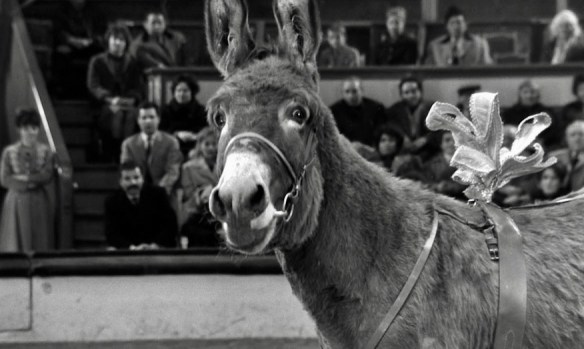
The title character of Robert Bresson’s Au Hasard Balthazar (1966) is a donkey who goes through a series of owners in his sad life as a beast of burden.

Films about animals or featuring them as the main protagonists are usually the province of Walt Disney and other family friendly productions such as Benji (1974) and March of the Penguins (2005). Other than the horror genre, though, there have been relatively few departures from the usual formulaic approach to this type of movie with Jerome Bolvin’s dark satire Baxter (1989) and the ethnographic Story of the Weeping Camel (2003) being two of the rare exceptions. Yet nothing can really compare with Au Hasard Balthazar (1966), directed by French filmmaker Robert Bresson, which stands alone as a profound and singular achievement in this category.   Continue reading

Any Port in a Storm

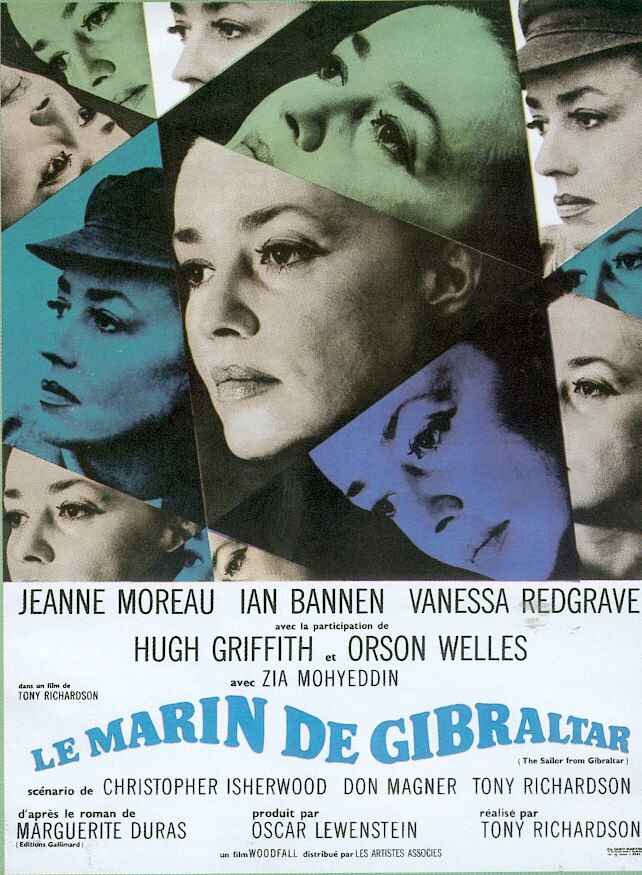
sailor from Gibraltar (fra) posterAlong with his film adaptation of Vladimir Nabokov’s Laughter in the Dark (1969), Tony Richardson’s The Sailor from Gibraltar (1967) is probably the most obscure and rarely seen film from the director’s middle period, a time when he was floundering and unable to match the earlier critical and commercial success of his 1963 Tom Jones adaptation. There are many reasons for that, of course, and Richardson would probably admit it was one of his biggest disasters, if not the biggest. It also wasn’t intended for the average moviegoer and was much more attuned to art house cinema patrons with its enigmatic story based on the novel Le marin de Gibraltar by Marguerite Duras, whose screenplay for Hiroshima, Mon Amour received an Oscar® nomination in 1961 (even though the film was released in 1959). To date, The Sailor from Gibraltar is still missing in action with no legal DVD or Blu-Ray release available. Continue reading