PTSD (Post-traumatic stress disorder) is a term that became prominent in 1980 when the American Psychiatric Association recognized it as a mental health diagnosis that was often used to describe Vietnam War veterans and Holocaust survivors. Although PTSD could also apply to survivors of violent crimes, natural disasters and other calamities, it is more often association with war victims. Shellshocked is an earlier term for this disorder and was common in describing afflicted soldiers returning from battle during World War I. The Return of the Soldier, Rebecca West’s debut novel (published in 1918), was unique for featuring a shellshocked war veteran whose return home exposed his fragile mental condition to those who knew him before he went to battle. West’s novel was also significant for addressing such prevalent concerns in the narrative as class differences, Freudian psychoanalysis (which was popular at the time) and the lives of women living in a patriarchal society. All of this was skillfully integrated into the overlooked 1982 film adaptation of The Return of the Soldier, which faithfully captures the spirit and central focus of West’s narrative, one that utilizes the shellshocked protagonist as a means to examine three important women in his life and their response to his war trauma.
Continue readingTag Archives: James Mason
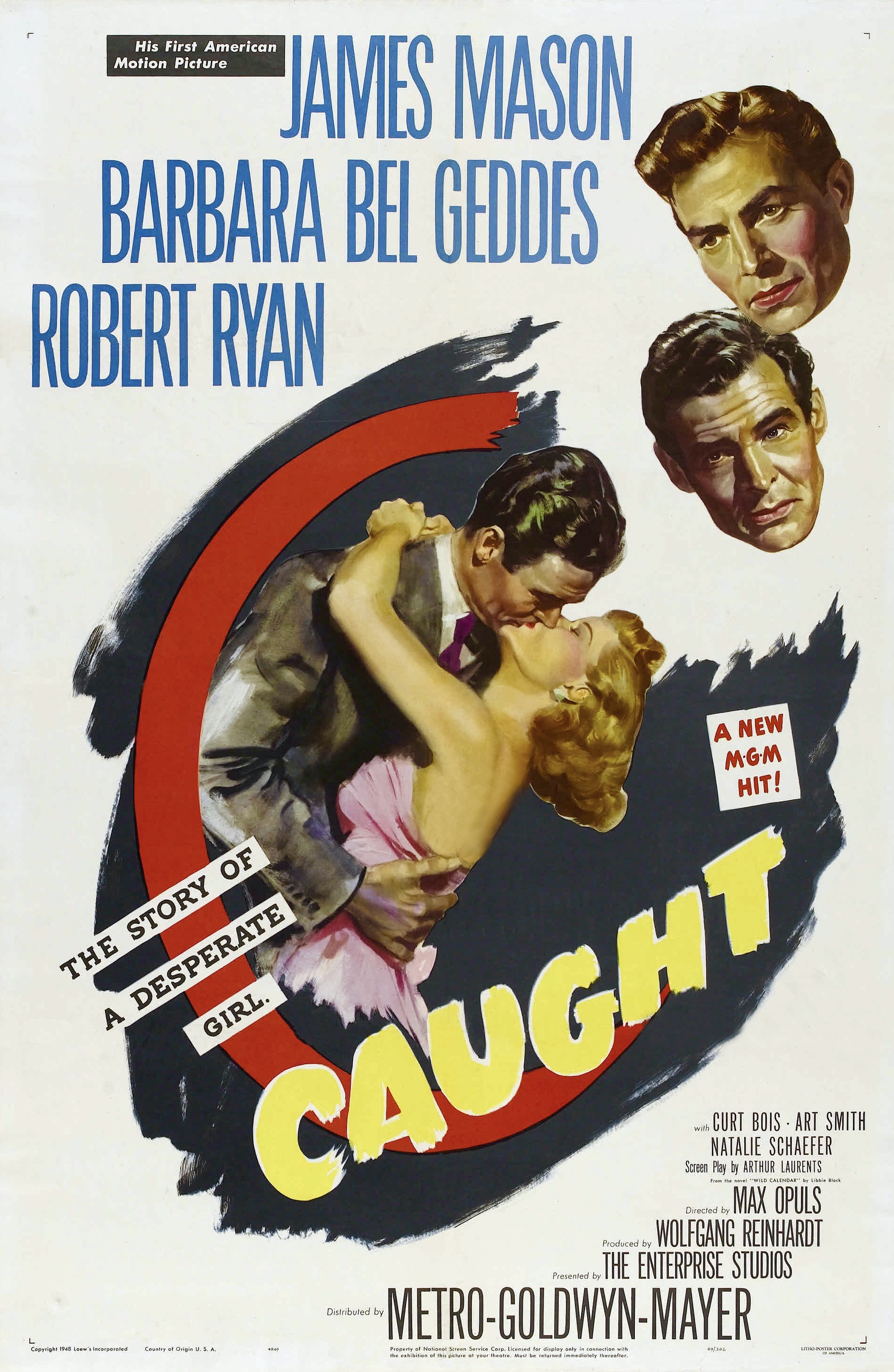
Max Ophuls’ Caught
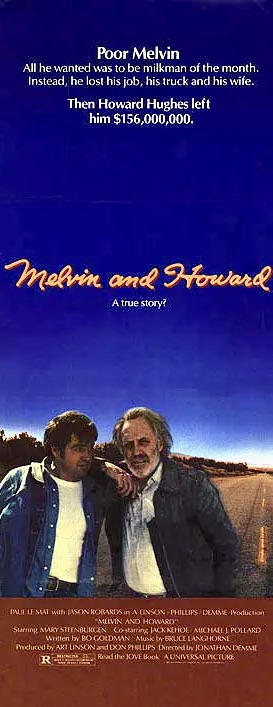
Over the years there have been numerous biographies written about aviation legend/studio mogul/eccentric billionaire Howard Hughes; everything from fake ones like Clifford Irving’s Autobiography of Howard Hughes to definitive accounts such as Howard Hughes: His Life and Madness by Donald L. Bartlett and James B. Steele. In contrast, there have been very few motion pictures about him. Martin Scorsese’s The Aviator (2004), based on the Bartlett & Steele biography, is the only feature film about his life to date. There was also a TV movie, The Amazing Howard Hughes (1977), with Tommy Lee Jones in the title role, and Jonathan Demme’s Melvin and Howard (1980), a quirky docudrama/comedy about Melvin E. Drummar (Paul Le Mat), a Utah man who claimed Hughes (Jason Robards Jr.) named him in his will after rescuing him in the Nevada desert.
Strangely enough, my favorite film about Howard Hughes isn’t a biopic at all but a noir-like melodrama featuring a character who was clearly inspired by the megalomaniac tycoon – Caught (1949), by German director Max Ophuls. Smith Ohlrig, the business tycoon modeled on Hughes, may not resemble him in terms of a biographical profile but on a psychological level he is the epitome of Hughes in the way he interacted with women, his employees and industry rivals.
Continue readingA Very British Haunting
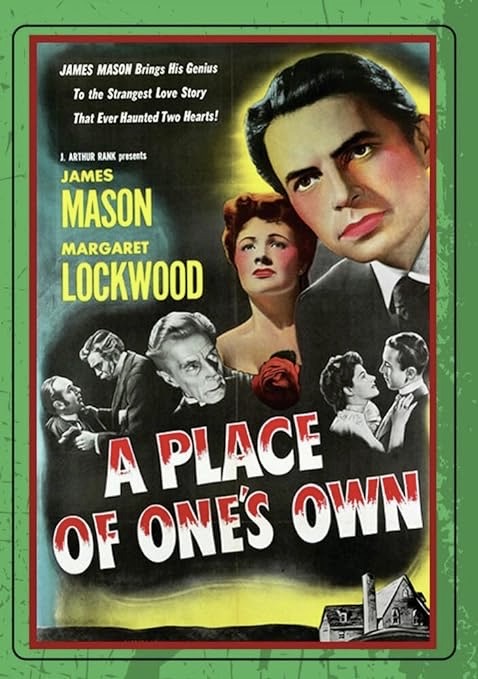
There are not that many British films from the 1930s and 1940s about ghosts and haunted houses and the ones that do stand out are primarily comedies like The Ghost Goes West (1935), The Ghost Train (1941), Blithe Spirit (1945) and Things Happen at Night (1948). Still, there have been a few U.K. features that took a more serious approach to the genre and A Place of One’s Own (1945) is a good example, even though it is largely overlooked and forgotten today.
Continue readingSwinging Down the Street So Fancy Free
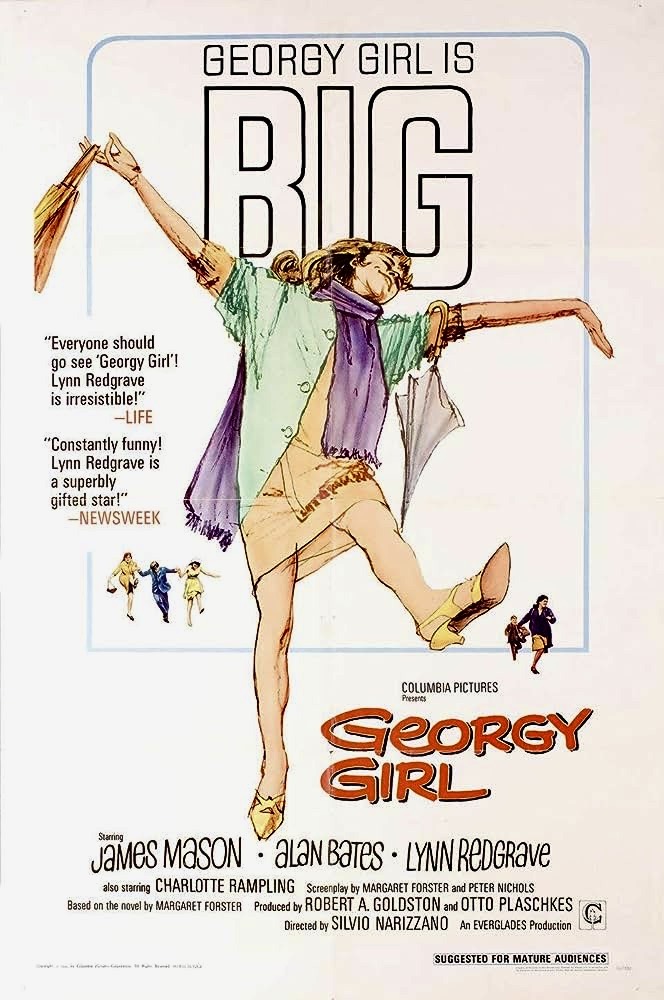
A frumpy woman in her early twenties dreams of being loved but despite her continual attempts to have a romance finds herself observing life from the sidelines, barely noticed by those around her. Reduced to a one sentence description, Georgy Girl (1966) sounds dreary and depressing but on-screen this tale of a desperately lonely woman unfolds as a madcap, often irreverent farce which at times is cruelly indifferent to the sad-sack characters it parades before us. This is a film where tone is everything and Georgy Girl, directed by Silvio Narizzano, is distinctively different in this respect, standing out from countless other cinematic tearjerkers about ugly ducklings and lonely spinsters. The film also captures London at the height of the Swingin’ Sixties when everything seemed like a put-on or a come-on.
Continue readingTotally Mod
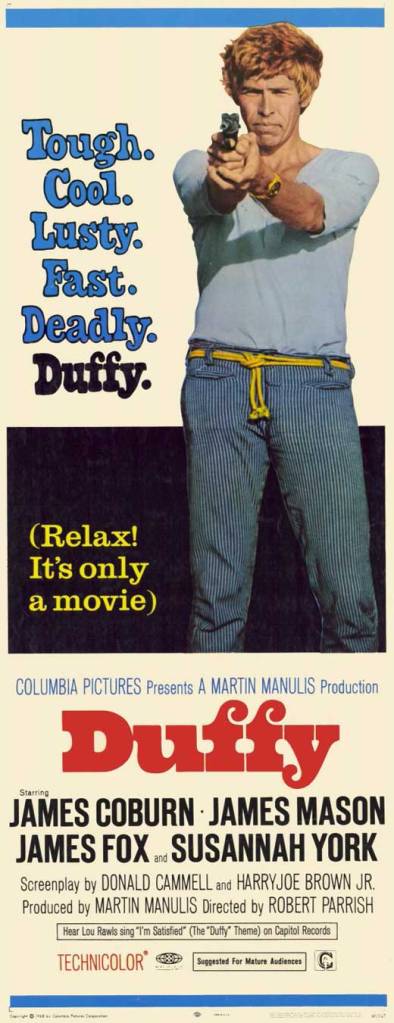
The Hollywood film industry is usually a few beats behind the rhythm of any new emerging counterculture and by the time they try to capitalize on it the parade has usually moved on. Duffy (1968) had the misfortune to be released in the dwindling days of the swinging sixties when the mod look of films such as Blow-Up and Kaleidoscope (both 1966) was being edged out by an rougher, less glamorous subgenre of youth oriented movies about bikers, drug dealers and rebels giving the finger to the establishment. Continue reading
A Lost Version of Buster Keaton’s The Blacksmith is Discovered
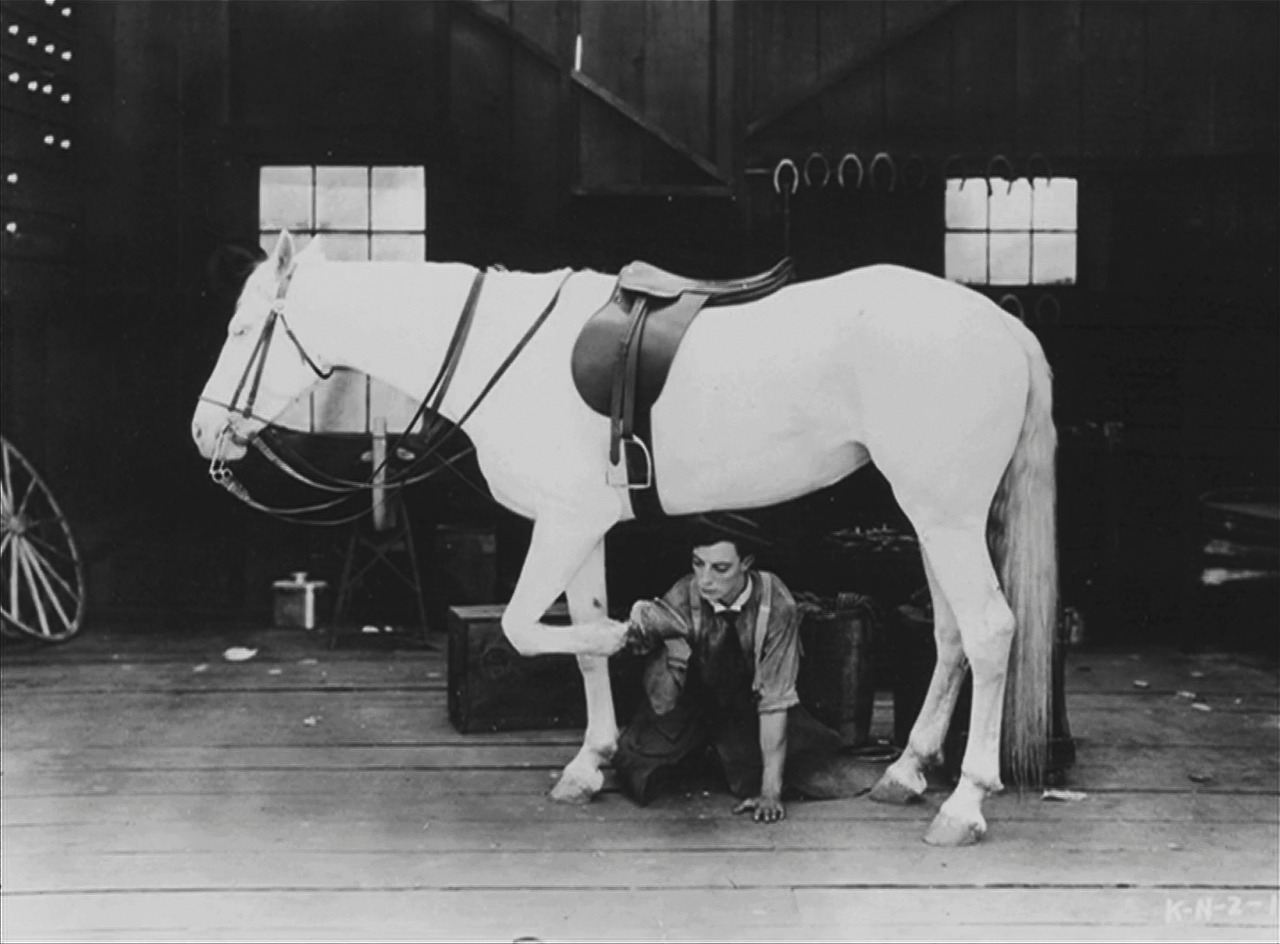
Often ranked by silent film historians as one of Buster Keaton’s lesser efforts when compared to his other two-reel shorts such as One Week (1920) or Cops (1922), The Blacksmith (1922) is now enjoying a major critical reassessment because of a remarkable turn of events. Film collector Fernando Peña who, in 2008, uncovered the original, uncut version of Fritz Lang’s Metropolis (1927) in the archives of the Museo del Cine in Argentina, discovered a remarkably different version of The Blacksmith that same year through fellow collector Fabio Manes who purchased a 9.5mm print of it online. Released by the Pathé company in France in 1922 with French intertitles, this previously undiscovered version includes missing material totaling more than four minutes of sight gags, settings, and characters not featured in what was considered the original American version of The Blacksmith. Continue reading
Romain Gary’s Cinematic Overdose
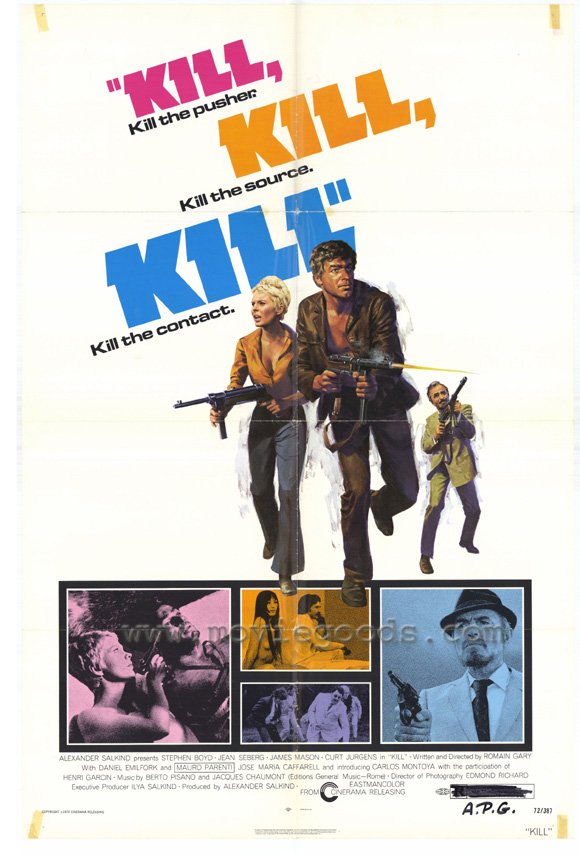
How many times do you need to say Kill! In a movie title if you want to stress that it is about murder on an international scale? Apparently the distributors of this 1971 oddity were uncertain about that so they created various poster versions for the global market that ranged from four emphatic Kills! to a succinct single Kill! for promotional purposes. They covered all their bases but forgot to identify a target audience for this chaotic, frenzied and wildly improbable mash-up that freebases elements from conspiracy thrillers, secret agent exploits and sexual melodramas with a political agenda. Of course, you wouldn’t expect anything less from author-turned-filmmaker Romain Gray whose only other directorial effort was the pretentious art house mega-bomb Birds in Peru (1968), which starred his wife Jean Seberg as a suicidal nymphomaniac in the Caribbean. Continue reading