Creative Insanity

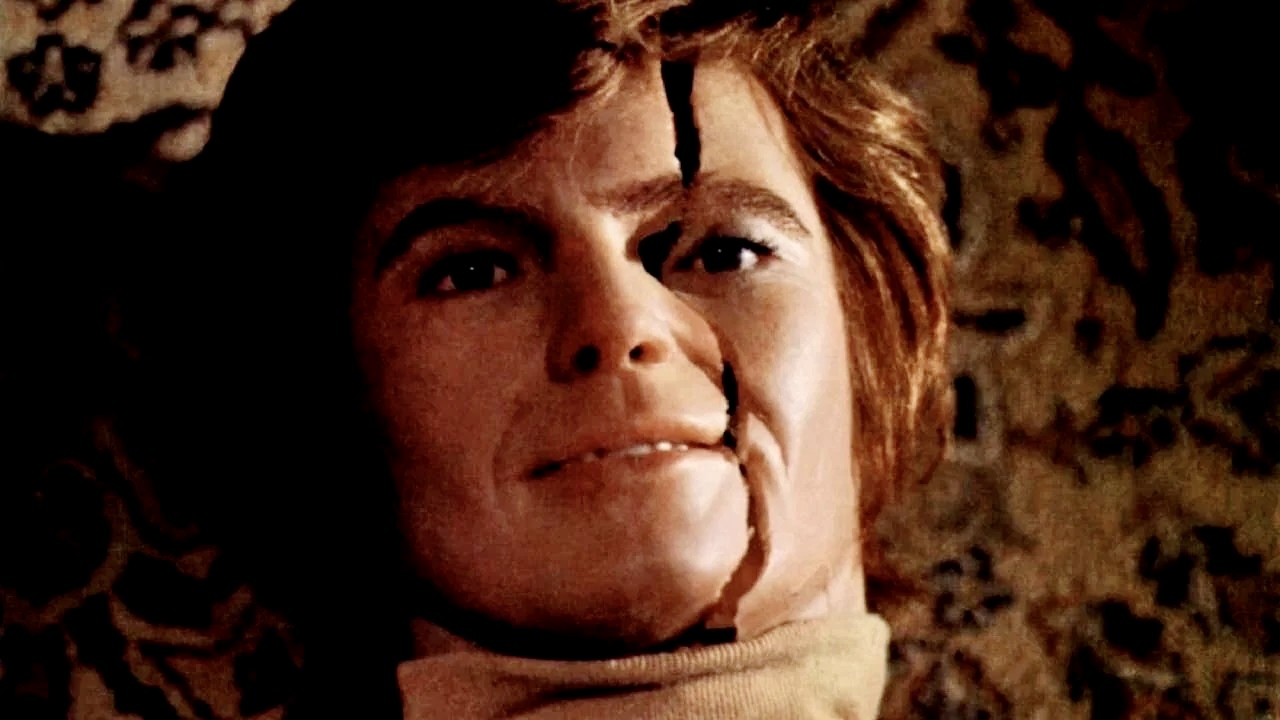
One of many unsettling images from the 1973 surrealistic psychodrama A BELL FROM HELL by Spanish director Claudio Guerin Hill.

A young man named Juan is released from a mental asylum after a long confinement. He is on parole and placed under the guardianship of his aunt but is he cured or still a danger to society? One thing is clear. Juan has no intention of going back to the sanatorium or following the rules of his release. In fact, he has a plan which involves an elaborate revenge on his aunt, three female cousins and anyone else he holds responsible for his confinement. The question of whether Juan is truly insane or just pretending to be is the question that drives the narrative of La Campana del Infierno (English title: A Bell from Hell aka The Bells, 1973), a Spanish psychodrama which is often categorized as a horror film due to its gothic atmosphere, disturbing imagery and sinister plot twists.

Continue reading →
The Stiletto Club

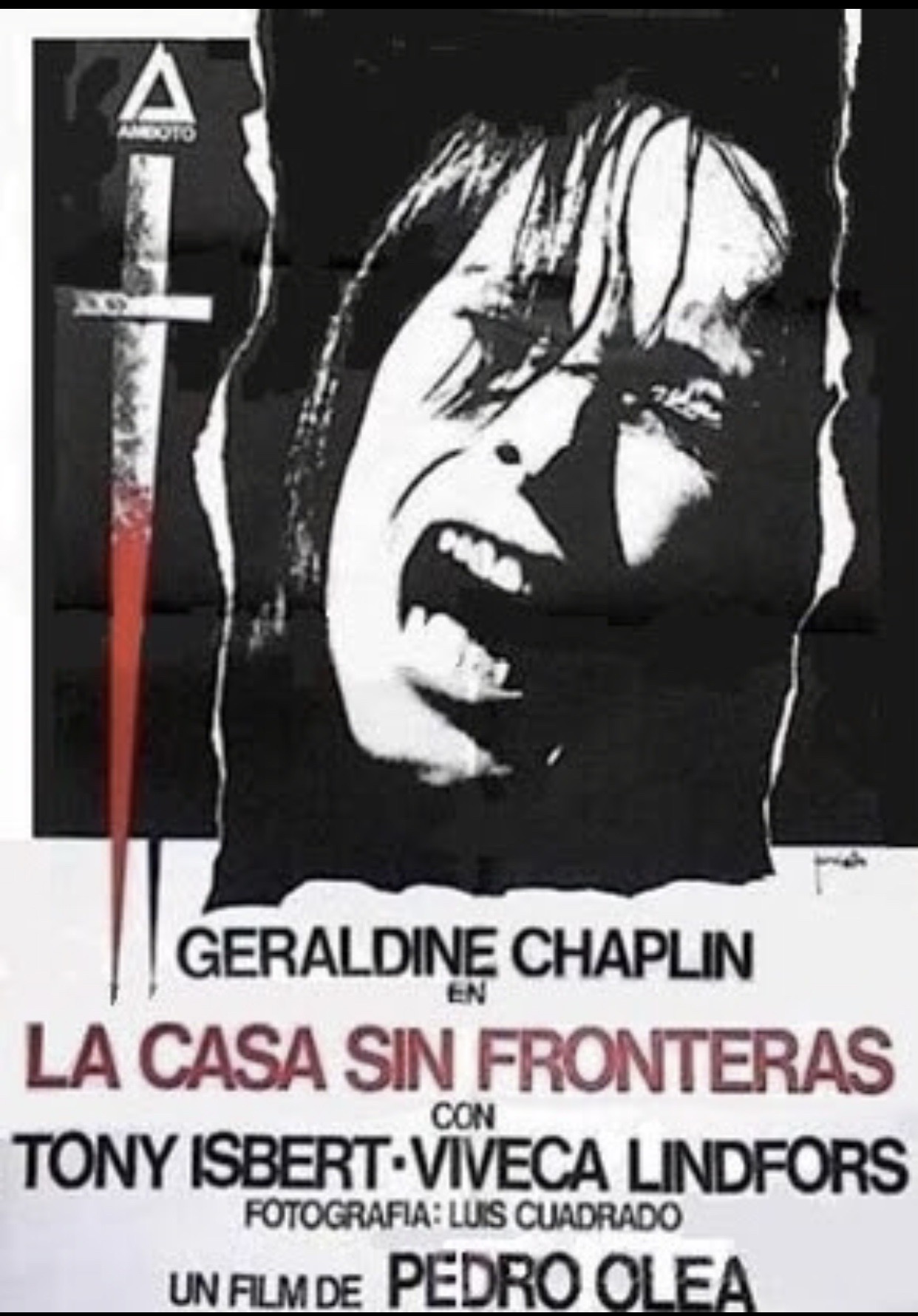
Conspiracy thrillers have been a popular subgenre in movies ever since the silent era with such memorable entries as The Ace of Hearts (1921) in which Lon Chaney stars as a member of a secret society that gets rid of people deemed unfit to live among them. Alfred Hitchcock’s The 39 Steps (1935) is an equally menacing early talkie classic and The Manchurian Candidate (1962), about a brainwashed ex-military hero being controlled by political subversives, is probably the best-known representative of all. However, it wasn’t until the 1970s that conspiracy thrillers reached an all-time high in popularity as witnessed by such iconic Hollywood releases as The Parallax View (1974), The Conversation (1974), Three Days of the Condor (1975), Capricorn One (1977) and The Boys from Brazil (1978). Other countries contributed their own variations on the genre like Spain, which released La Casa sin Fronteras (English title: The House Without Frontiers), a deeply unsettling effort from director Pedro Olea, which was made while General Franco was still in power and which prefigures the paranoid scenarios made popular by The Parallax View and others.

Continue reading →