
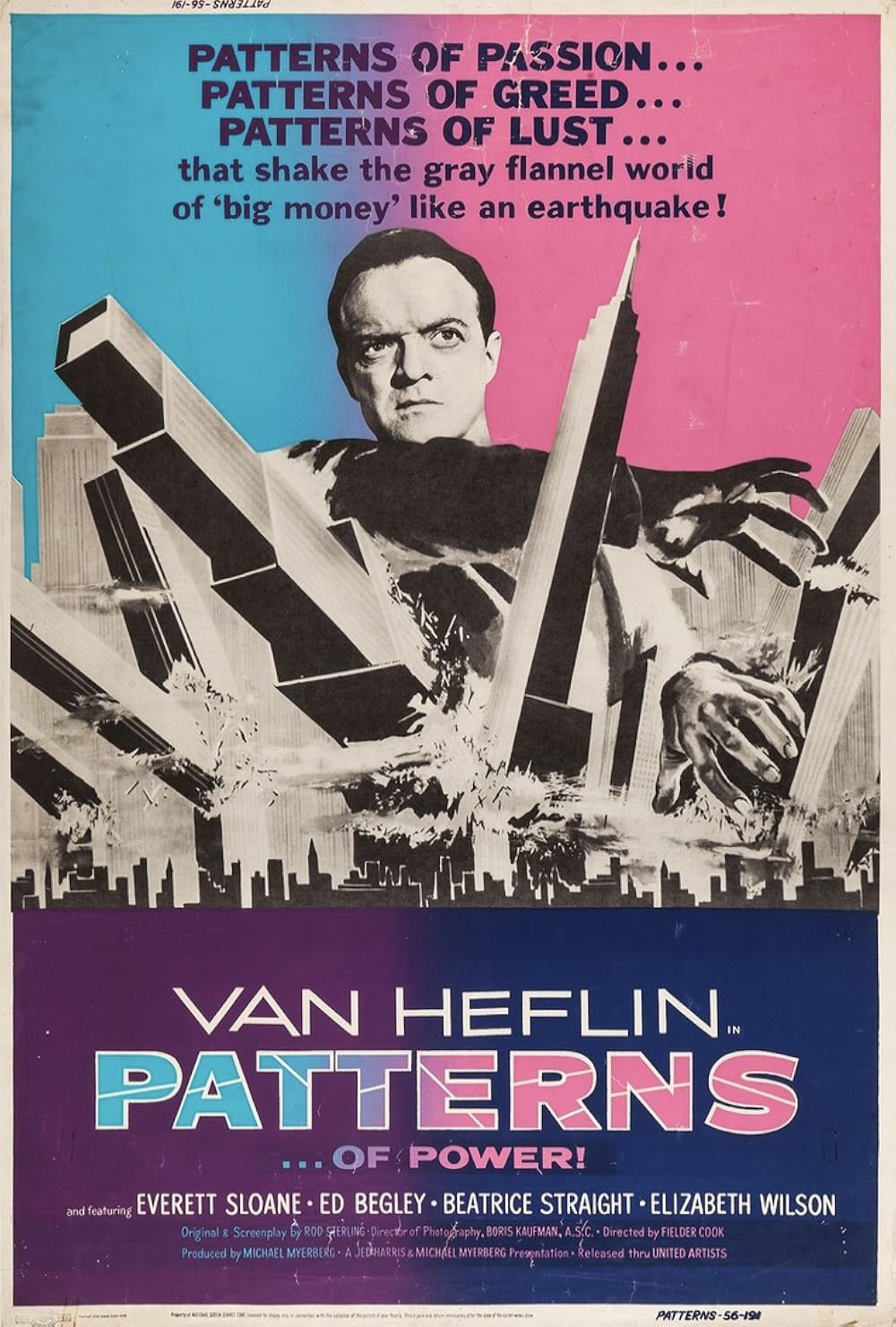
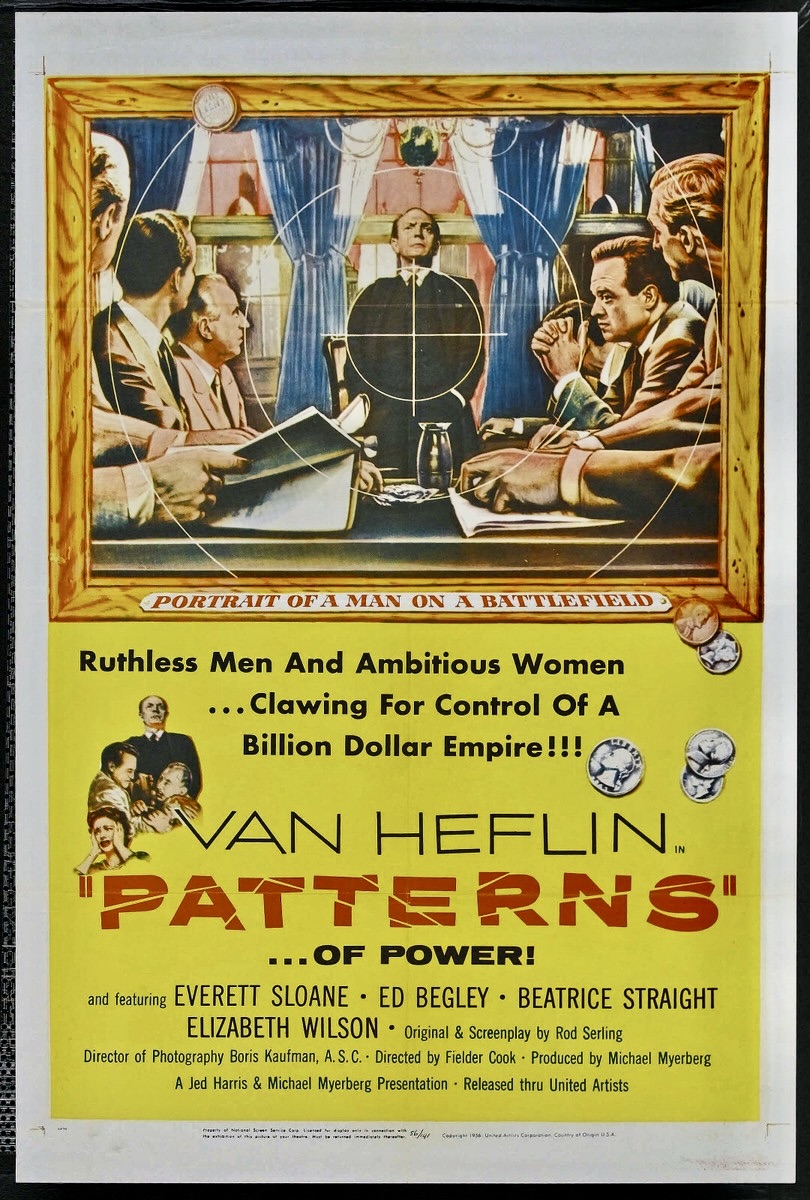
Anyone who has ever worked for a large firm will have no trouble recognizing the cutthroat corporate politics or high-powered personalities on display in Patterns (1956), Rod Serling’s insightful drama about big business which is still relevant today.
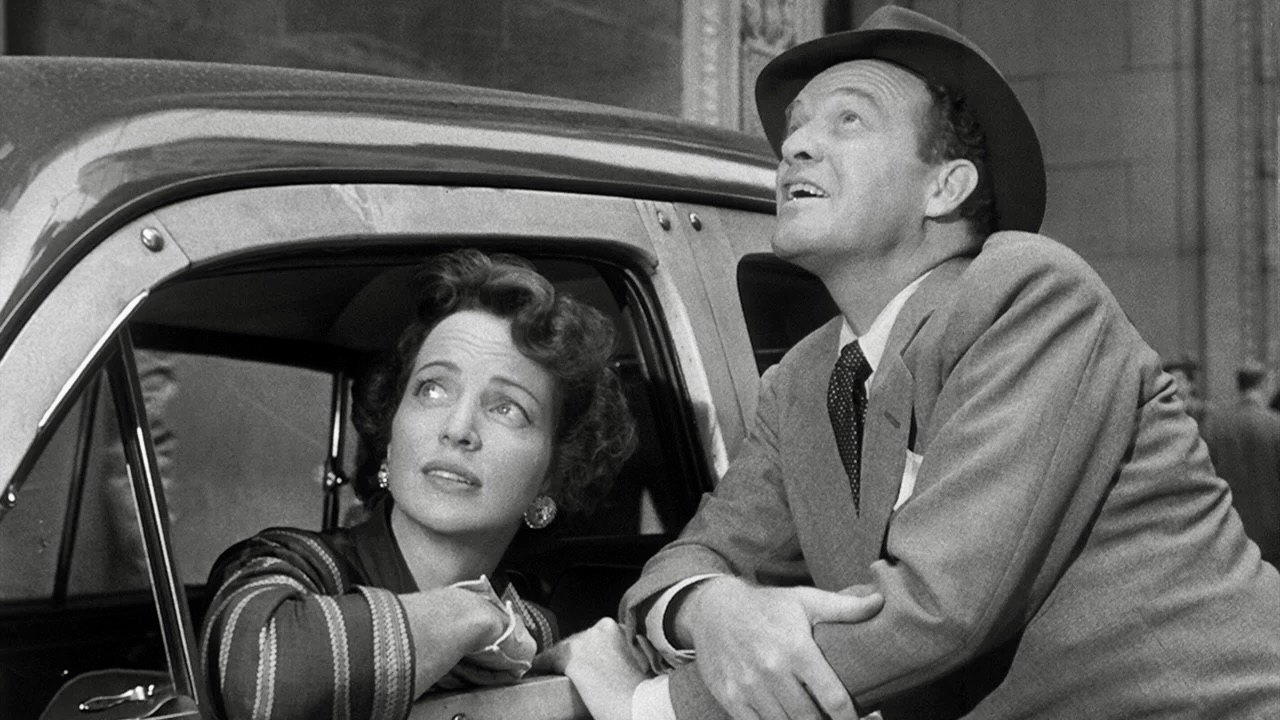
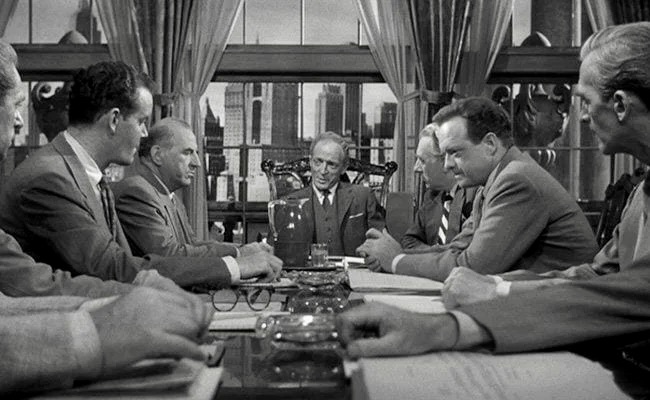
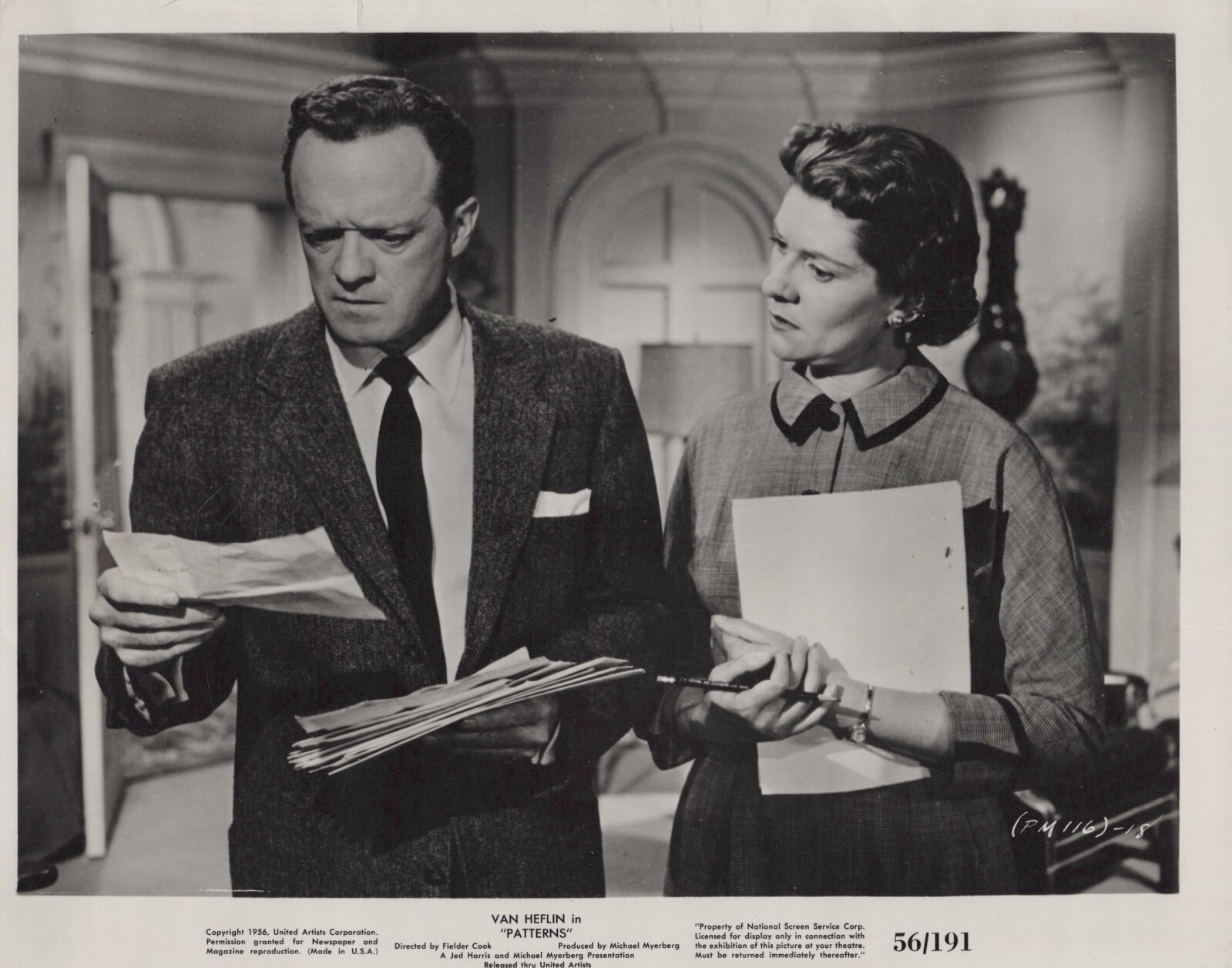
The central character, Fred Staples (Van Heflin), is a talented employee within a large conglomerate who is transferred from his Ohio location to his company’s main office in New York City. The reason for his promotion soon becomes clear. He is being groomed by his boss, Walter Ramsey (Everett Sloane), to replace an older employee, William Briggs (Ed Begley), who has fallen out of favor with Ramsey. The situation is complicated by Staples’ friendship with Briggs and his own desire for personal success.
Originally, Patterns was a teleplay by Rod Serling (host and narrator of TV’s The Twilight Zone) that made its premiere in 1955 on Kraft Television Theatre and immediately received unanimous critical acclaim. While it bore similarities to The Strike, an earlier teleplay by Serling, Patterns hit a nerve with audiences of its era. It was one of the first films to explore the psychology of the modern corporate workplace and to question the ethics and morality of the people who worked there.
Certainly, big business was a topic of interest to most American audiences in the mid-fifties. The Oscar-nominated Executive Suite, which also dealt with a power struggle behind closed doors, appeared in 1954, and The Man in the Gray Flannel Suit, which focused on the fast track to success on Madison Avenue, arrived in theatres in 1956. Unfortunately, Patterns with its excellent ensemble performances and razor-sharp dialogue, received no Oscar nominations and was virtually ignored by the public when it was transferred to the big screen.
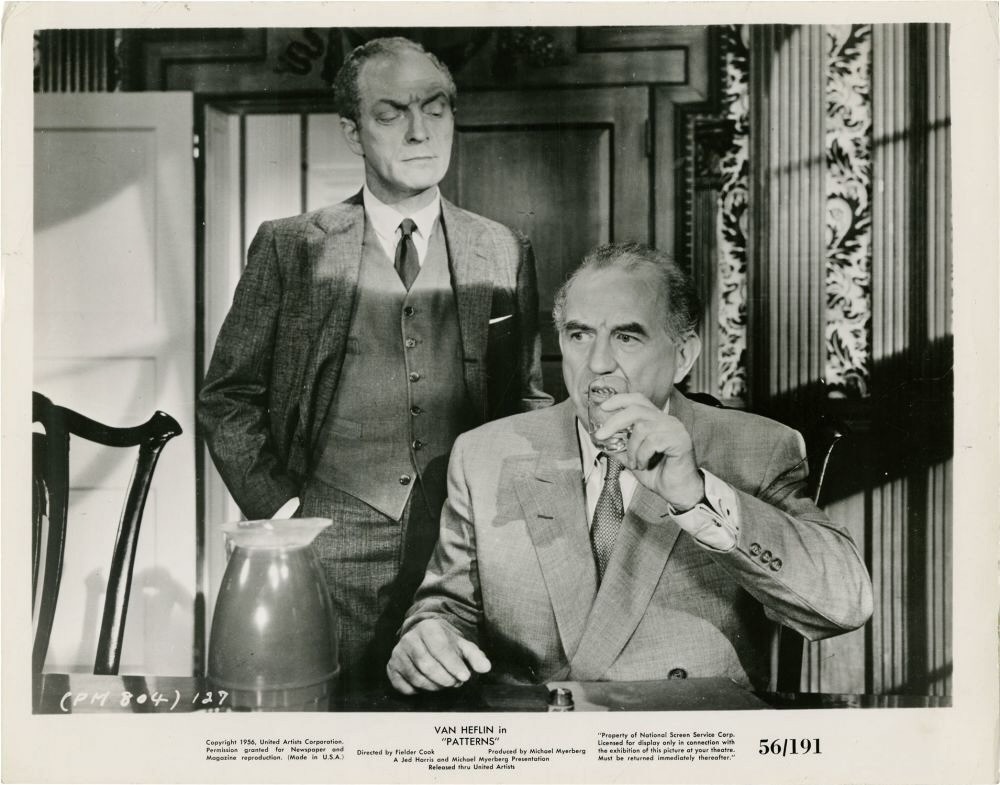
Yet, of the three films, Patterns is the more complex and intense viewing experience and one that can be interpreted differently by diametrically opposed groups. For instance, Everett Sloane, so effective as the ruthless boss, was surprised to learn from targeted viewer surveys that “the executives took it as complete justification for the credo that anything goes that’s for the good of the business.”
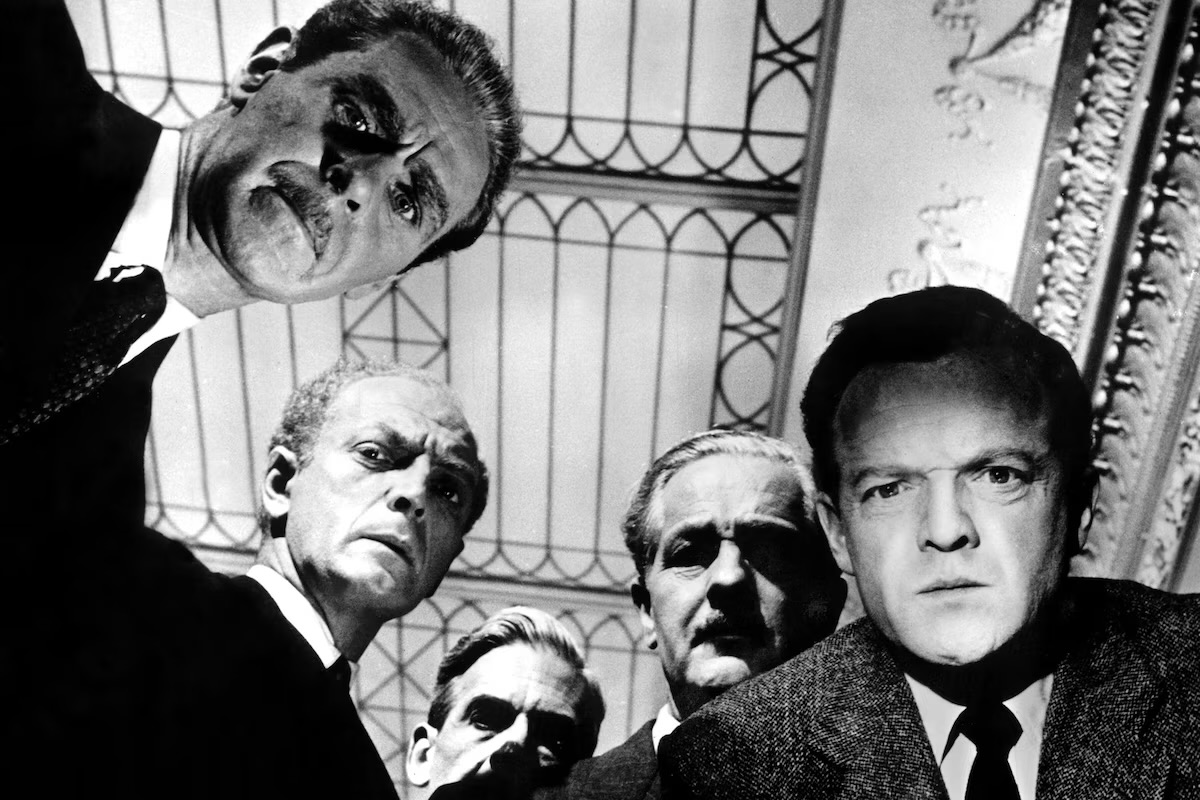
The inspiration for Patterns was Serling’s own experiences at the television station, WLW, while the cold, calculating Ramsey was a composite of Colonel Rock Haugen, Serling’s former regimental commander, CBS owner William Paley, and RCA chairman David Sarnoff. When Serling agreed to adapt the teleplay for the screen, he was subjected to some Hollywood power politics himself by co-producer Jed Harris, who penned additional scenes for the film while discarding some of Serling’s original material.
Luckily, director Fielder Cook convinced Harris to bring Serling back for much needed rewrites resulting in a film that was almost identical to the original television version. Regardless of the problems he encountered during the filming of Patterns, Serling soon found himself a much sought-after screenwriter and went on to reap further acclaim for his screenplays for Requiem for a Heavyweight (1962), Seven Days in May (1964), and Planet of the Apes (1968).
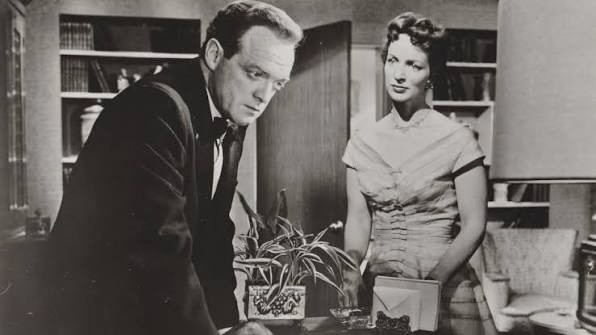
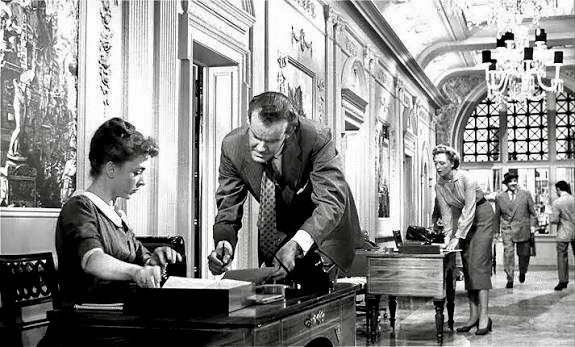
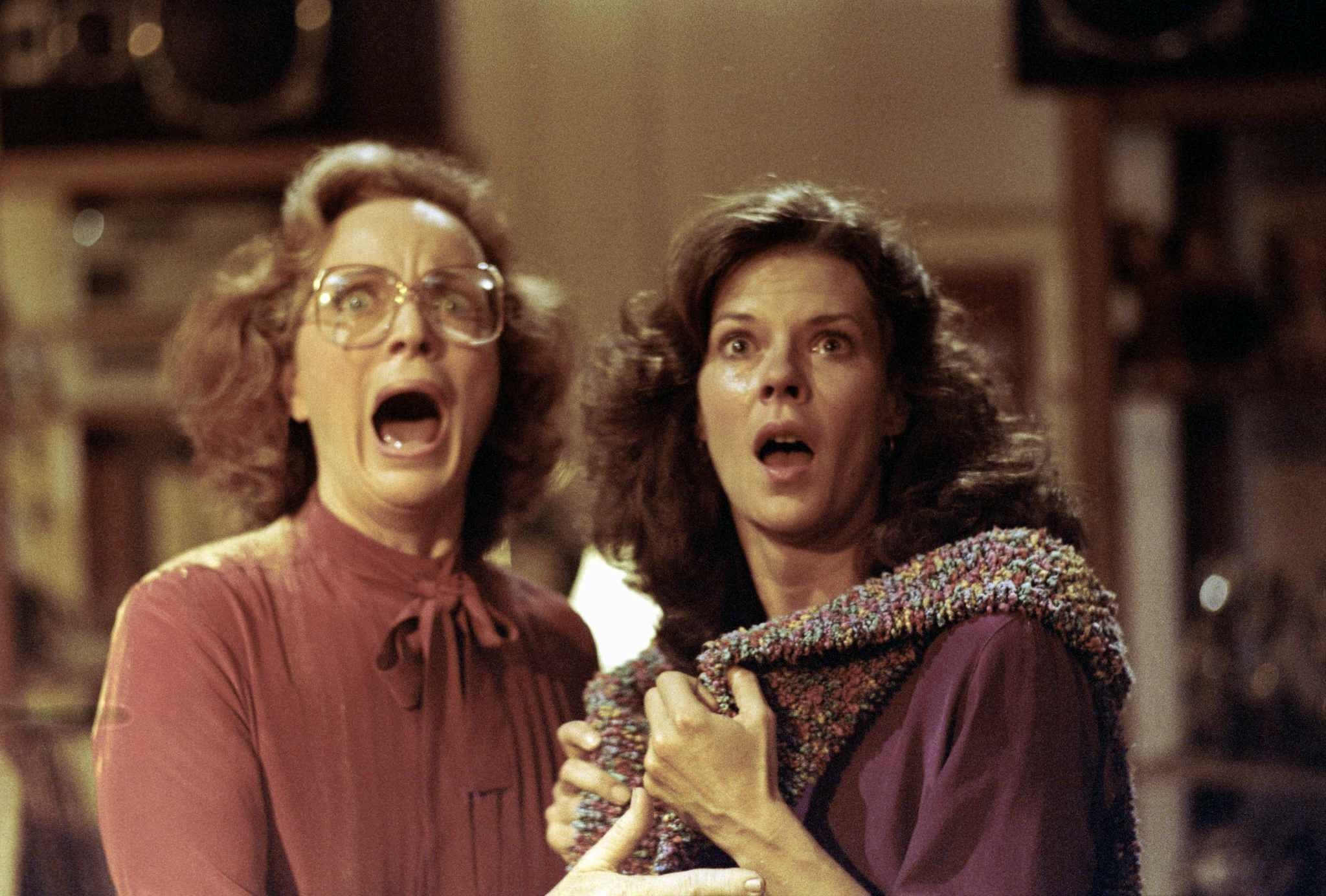
It should be noted that Edward Sloane, Van Heflin and Ed Begley starred in the original teleplay broadcast on the Kraft Television Theater. Two relative newcomers in the film version were Elizabeth Wilson as Begley’s secretary Marge and Beatrice Straight as Heflin’s wife Nancy. Wilson would go on to become a beloved character actress in such films as Alfred Hitchcock’s The Birds (1963), Dustin Hoffman’s mother in The Graduate (1967) and Dabney Coleman’s office spy in 9 to 5 (1980).
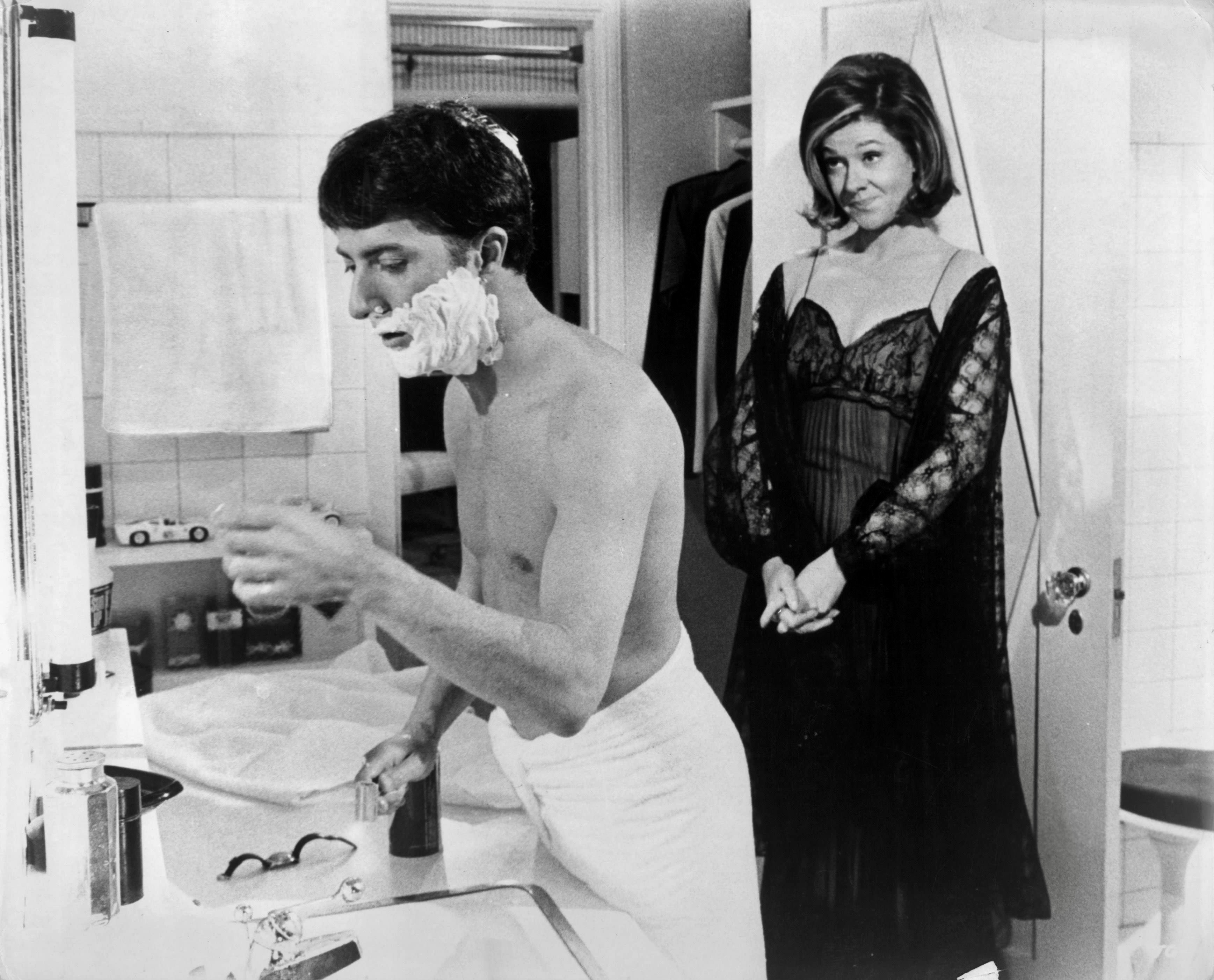
Ms. Straight, on the other hand, was better known as a stage actress and won a Tony award for her performance opposite Arthur Kennedy in the 1953 Broadway adaptation of Arthur Miller’s The Crucible. She also starred in numerous made-for-TV dramas in the early days of the medium – Hallmark Hall of Fame, Omnibus, Studio One, The United States Steel Hour, Playhouse 90 – and made guest appearances in popular series like Alfred Hitchcock Presents, Dr. Kildare, Ben Casey and Route 66. Her film work was relatively sparse but she won a Best Supporting Actress Oscar for her brief scene in Network (1976) opposite William Holden and also appeared in the Tobe Hopper/Steven Spielberg collaboration Poltergeist (1982).
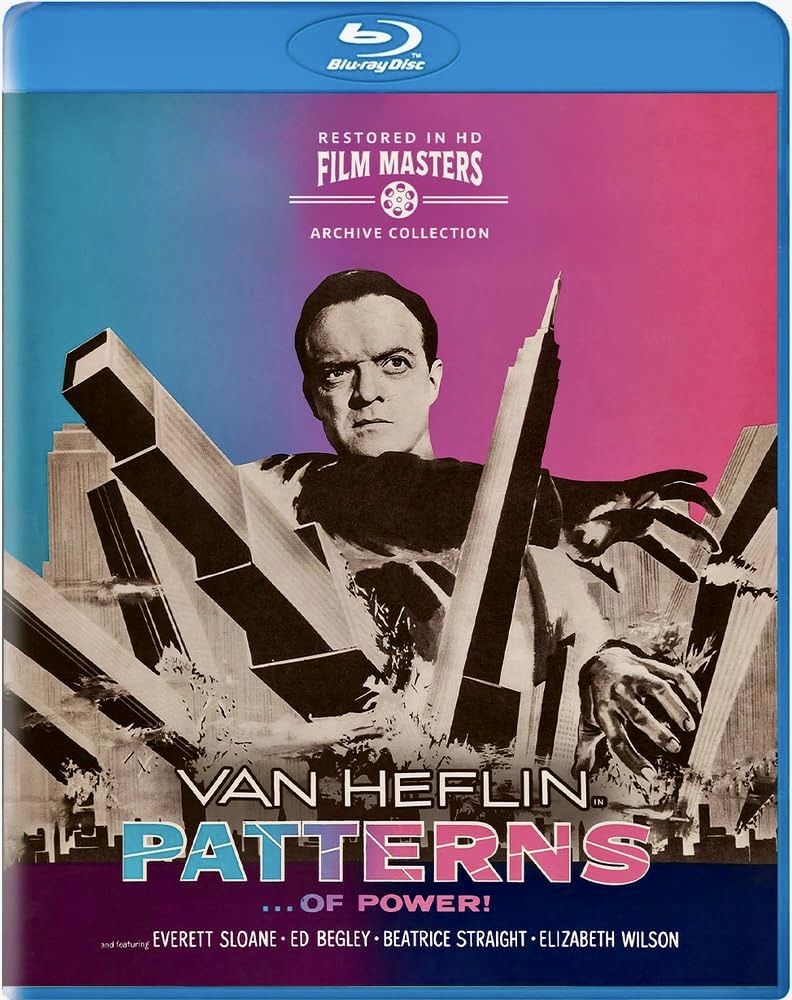
In August 2025, Film Masters released a newly restored edition of Patterns on Blu-Ray and DVD as part of their Archive Collection although it contains no extra features.
*This is a revised and expanded version of an article that originally appeared on the Turner Classic Movies website.
Other links of interest:
https://www.rodserlingarchive.com/biography
https://www.npr.org/2025/10/07/nx-s1-5564730/remembering-rod-serling
https://playbill.com/article/fielder-cook-who-brought-theatre-to-television-dead-at-80-com-114049
https://www.oklahomahof.com/hof/inductees/heflin-van-1964
https://kids.kiddle.co/Ed_Begley
https://store.radiospirits.com/blog/happy-birthday-everett-sloane

