
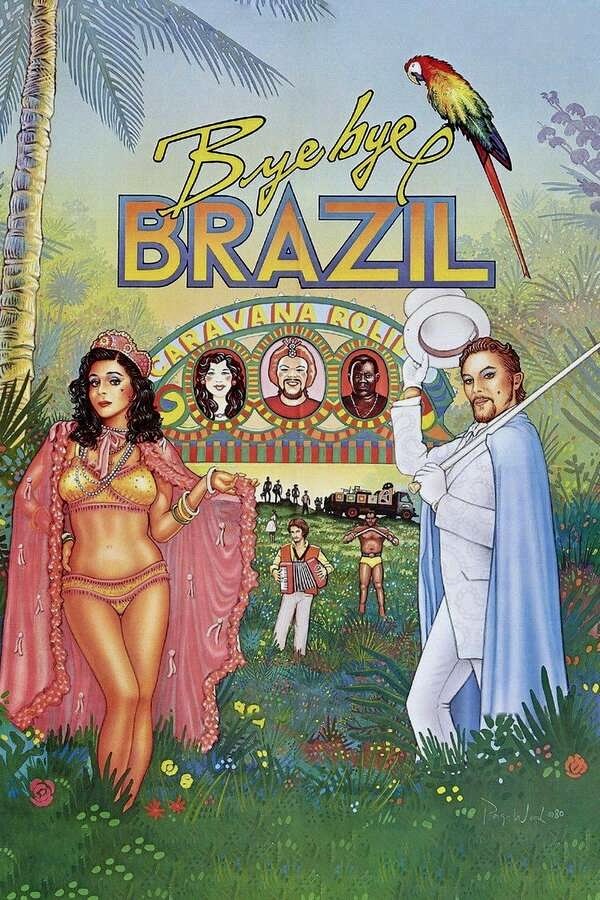
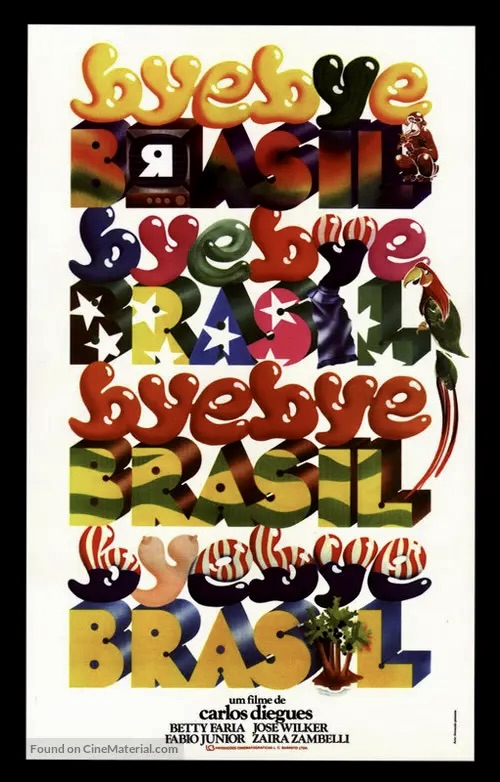
I remember the first time I became aware of Brazilian director Carlos Diegues (1940-2025). It was at the 8th Telluride Film Festival in the Fall of 1981 where he was the focus of a special tribute (the other two were Yugoslavian director Dusan Makavejev and Hollywood character actors featuring Margaret Hamilton, Woody Strode, John Carradine and Elisha Cook Jr.). A mini-retrospective of Diegues’s films were shown with the director in attendance and included Ganga Zumba (1963), A Grande Cidade aka The Big City (1966) and Xica de Silva (1976), an exuberant social comedy about a 18th century black slave who achieves her liberation through political and sexual means. Xica de Silva was the only Diegues movie I saw at the festival but its colorful art direction, playful mix of history and fiction and a music score by Jorge Ben and Roberto Menescal made a strong impression. It was only later in 1981 that I saw Bye Bye Brazil (1980), Diegues’s art house breakthrough hit, and realized what an important figure he was in Brazilian cinema. Prior to this, the only movie from Brazil I had seen was Black Orpheus (1959) and that was an international co-production between France, Brazil and Italy.
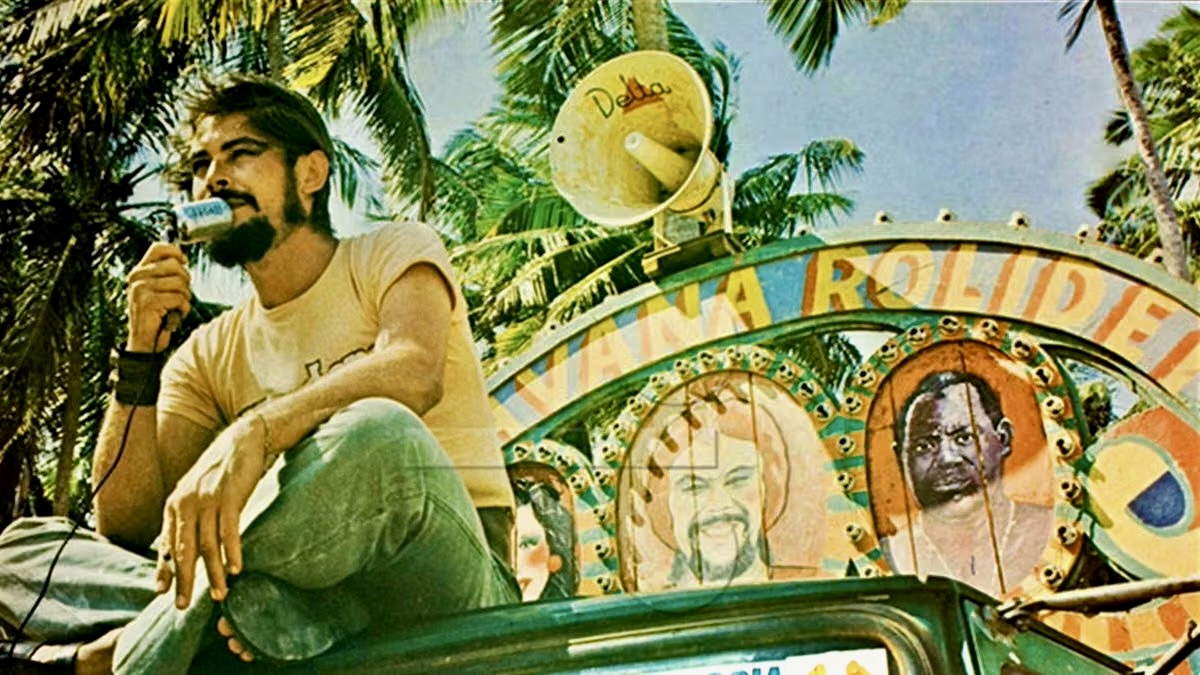
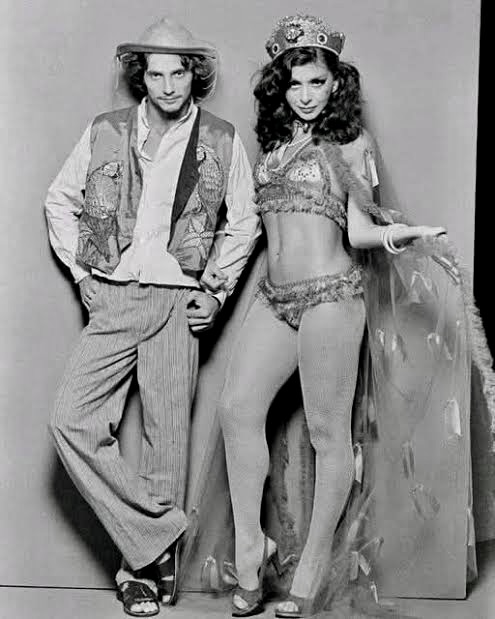
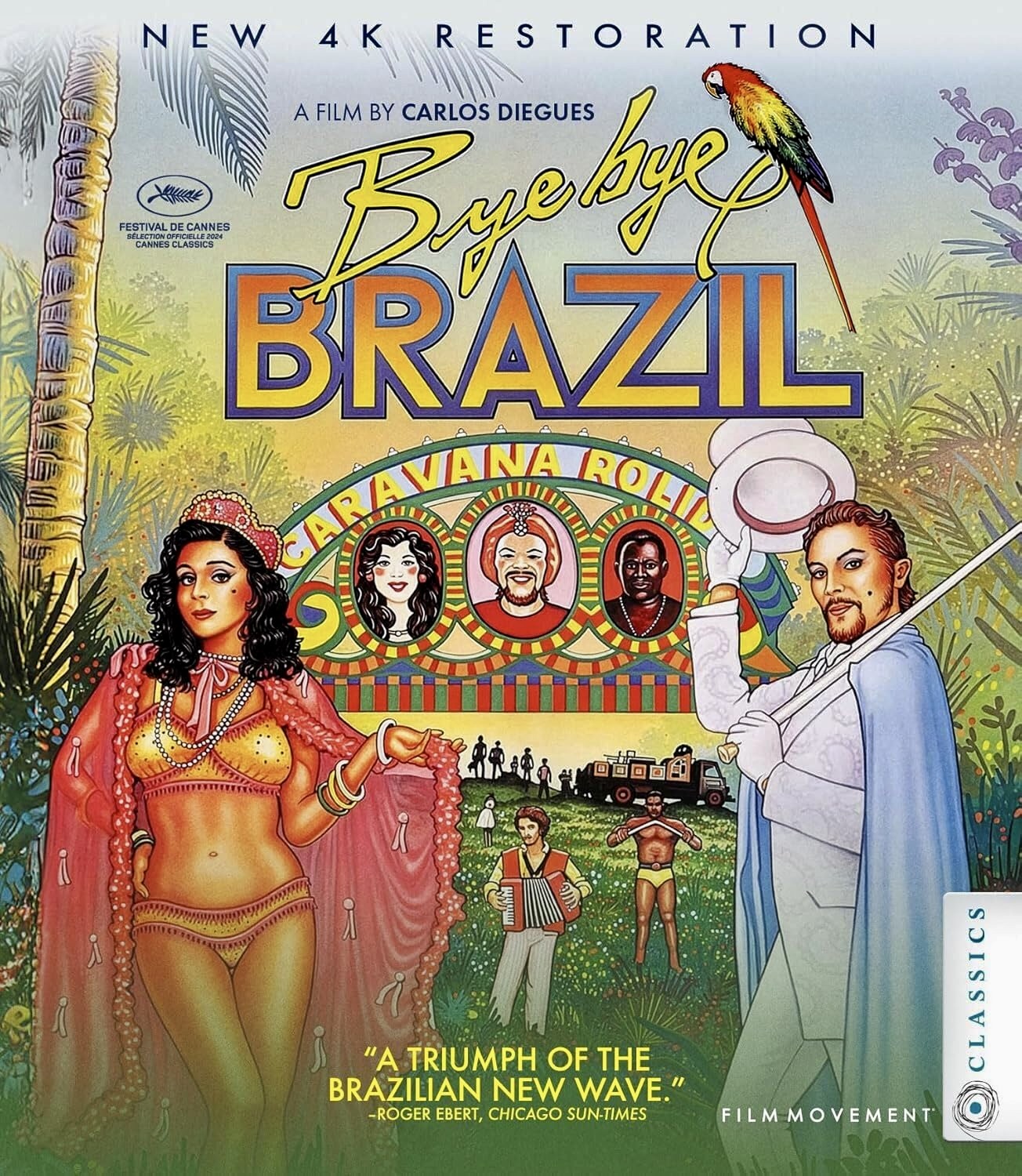
On the surface, Bye Bye Brazil is a picaresque road movie about a traveling trio of performers who promote themselves as the Rolidei Caravan. Their show consists of magic acts performed by the troupe leader Lorde Cigano (Jose Wilker), feats of strength featuring the mute muscleman Swallow (Principe Nabor), and Salome (Betty Faria), an exotic dancer and stage assistant. Traveling the backroads of northeastern Brazil, they bring their tacky, low rent sideshow to poor rural audiences who are starved for entertainment but soon discover that their appeal is declining as new technologies like radio and television have altered the cultural landscape.
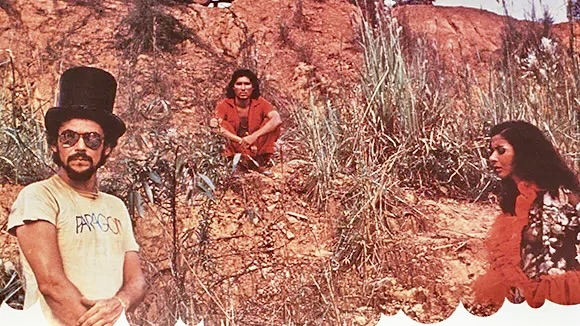
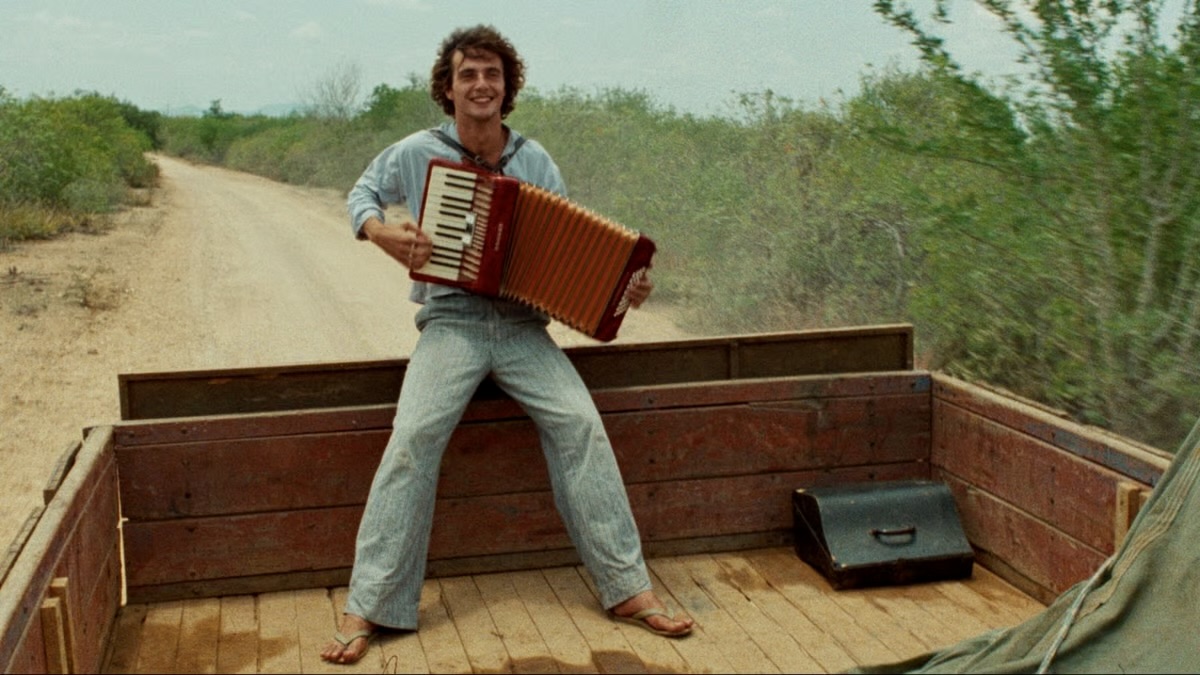
The plot thickens when Cico (Fabio Jr.), an accordion player, becomes besotted with the seductive Salome and insists on joining the troupe as a musical accompanist and stage hand. He brings along his pregnant wife Dasdo (Zaira Zambelli) and they leave their tiny village behind for an unpredictable journey through remote areas in the Amazonia region.
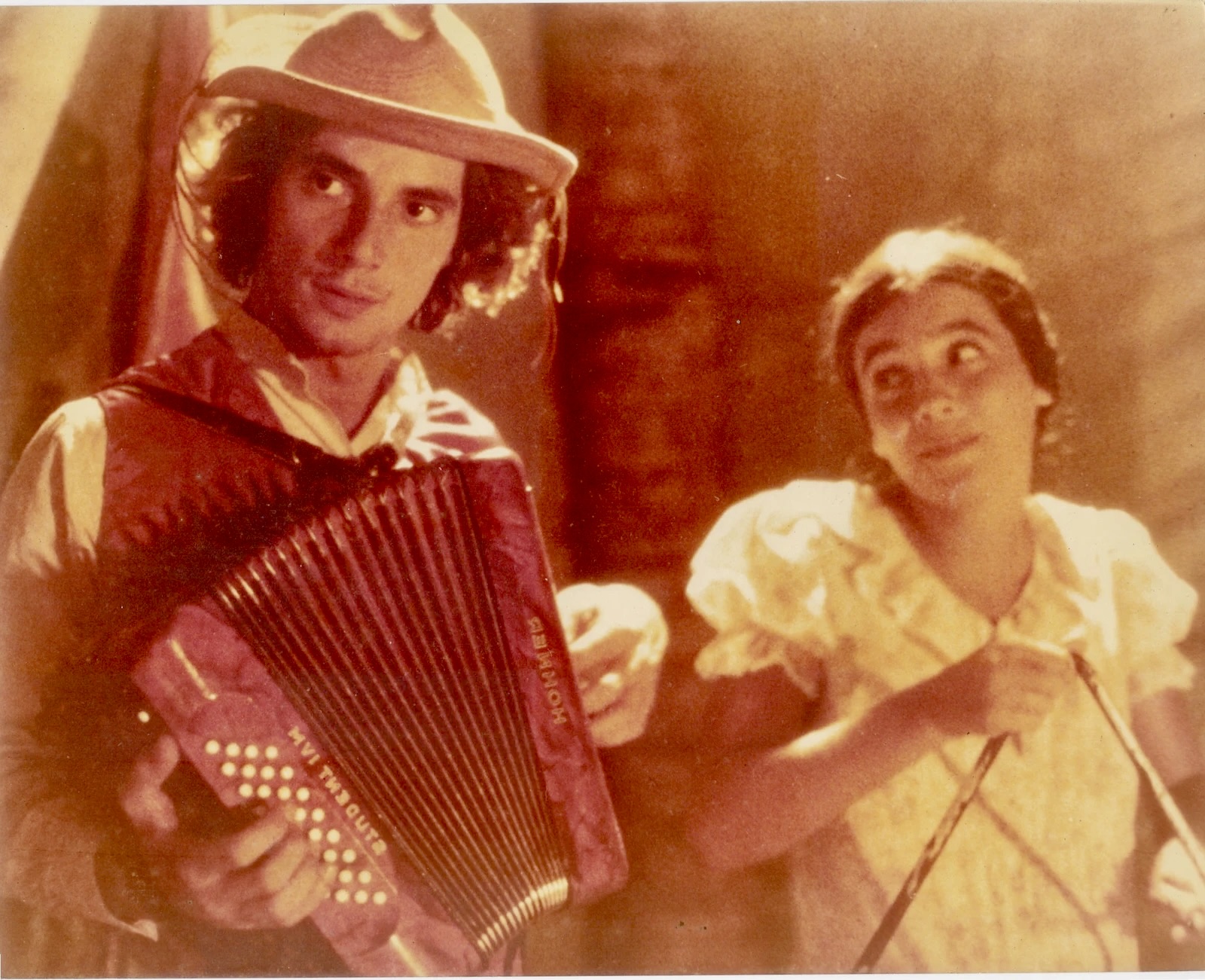
Although Bye Bye Brazil plays out like a funky sex comedy in which the naïve Cico loses his romantic idealization of Salome and eventually becomes a responsible adult and supportive husband to Dasdo, the movie also works as both an ethnographical portrait of a changing Brazil and a satire about the impact of modern civilization on indigenous cultures and the environment. The final result is an unsentimental but bittersweet portrait of four Brazilians who try to remain hopeful during a confusing transitional period in their country’s history.
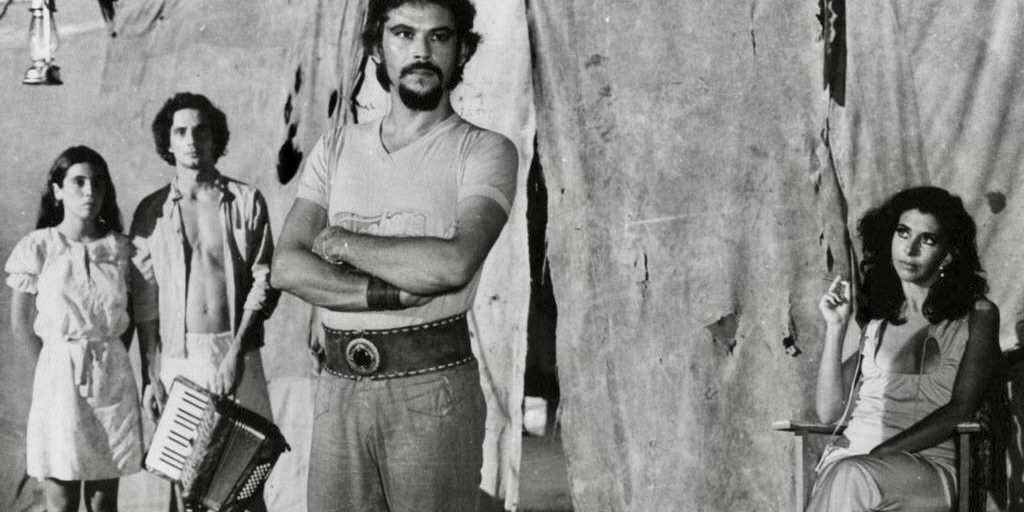
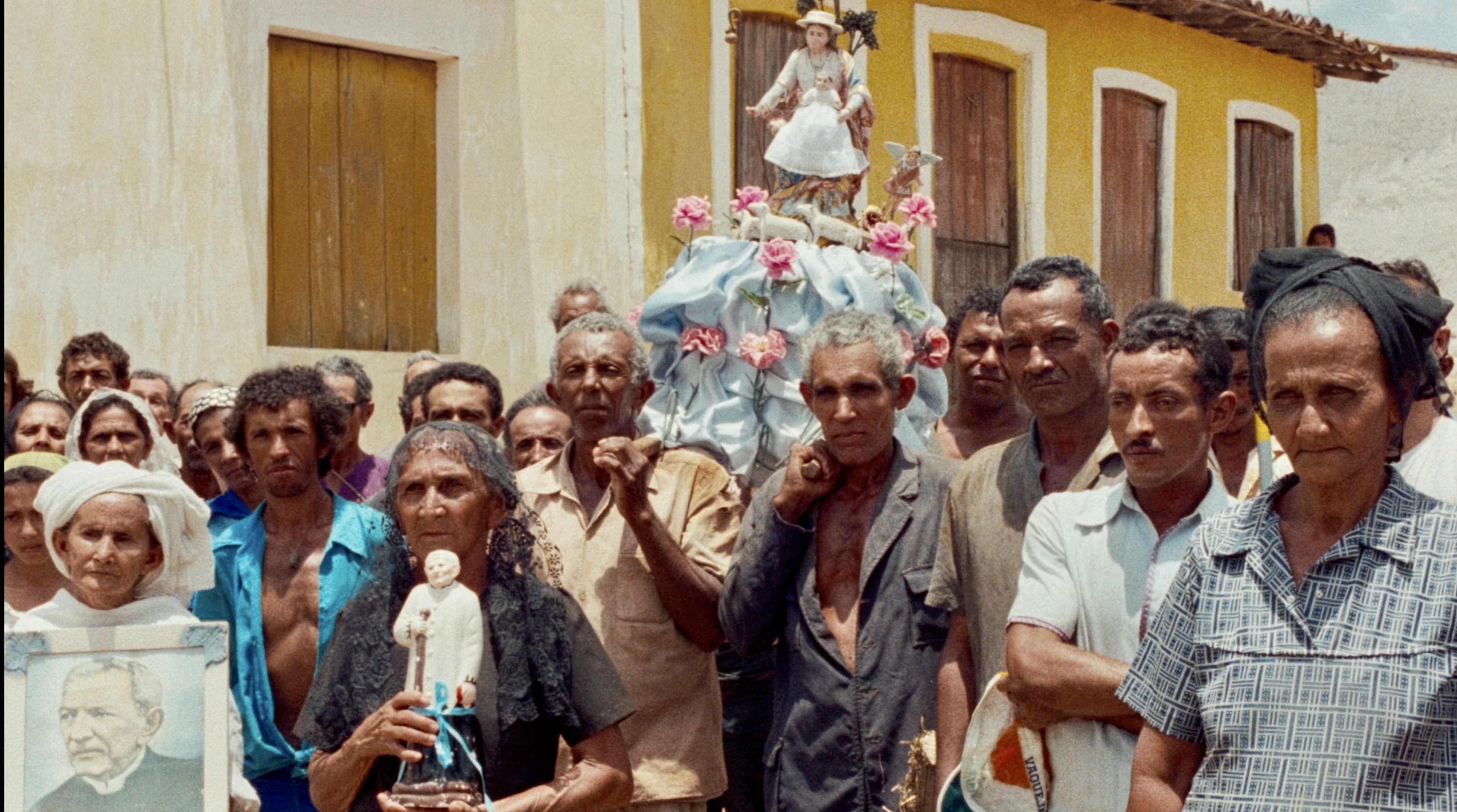
Like Xica de Silva, Diegues’s road trip comedy is often colorful and visually dazzling (cinematography by Lauro Escorel) but it also reveals the deadly drought conditions and poverty of the regions they visit as well as the ongoing deforestation of the Amazon wilderness by highway construction crews.
In one of the key sequences in Bye Bye Brazil, Lorde Cigano goes to investigate why the residents of a small village aren’t attending their evening performance and discovers the local mayor and all of the people in the town’s main square, transfixed by the sights and sounds of a small TV set. Once popular traveling shows like the Rolidei Caravan can no longer compete with the pervasive entertainment offerings of the modern world. Even a movie projectionist who tours from village to village exhibiting a worn 16mm print of O Ebrio, a 1946 Brazilian film directed by Gilda de Abreu, realizes his days are numbered. The economy is in such bad shape that most audiences have no money and can only barter for their admission with produce, alcohol, tools or other useful items.
The influence of outside culture on this remote region is also evident in several scenes where American pop music can be heard in the background like the scene where Lorde Cigaro makes it snow to the strains of Bing Crosby’s “White Christmas” or a climatic moment when Frank Sinatra sings “Brazil” as Cigano and Salome proudly display their new neon-lighted tour bus. You can also hear a snippet of The Everly Brothers’ “Bye Bye Love” in another sequence and even a Olivia Newton John song from the Grease soundtrack pops up at an outdoor festival where a local band performs “You’re the One That I Want” in Portuguese. Still, the music that makes the strongest impression in Bye Bye Brazil is the post-Bossa Nova sounds of songwriter/guitarist Chico Buarque, legendary composer/vocalist Roberto Menescal & popular accordion player Dominguinhos.
In an interview, Carlos Diegues described what he wanted to express through this film: “Bye Bye Brazil is a film about one country in decline and another that is taking its place. I cannot specify exactly what is ending and what is beginning, all I can do is record the extraordinary period of transition, through the stories of four characters searching for their places in this new country, just as any of us would…We must bid farewell to an idyllic Brazil that no longer exists, and must stop looking at it through the eyes of the 19th century romantic intellectual. We must start believing in the possibility of a new tropical civilisation, and live the adventure of this dream. Then we can move into the 21st century without prejudice.”
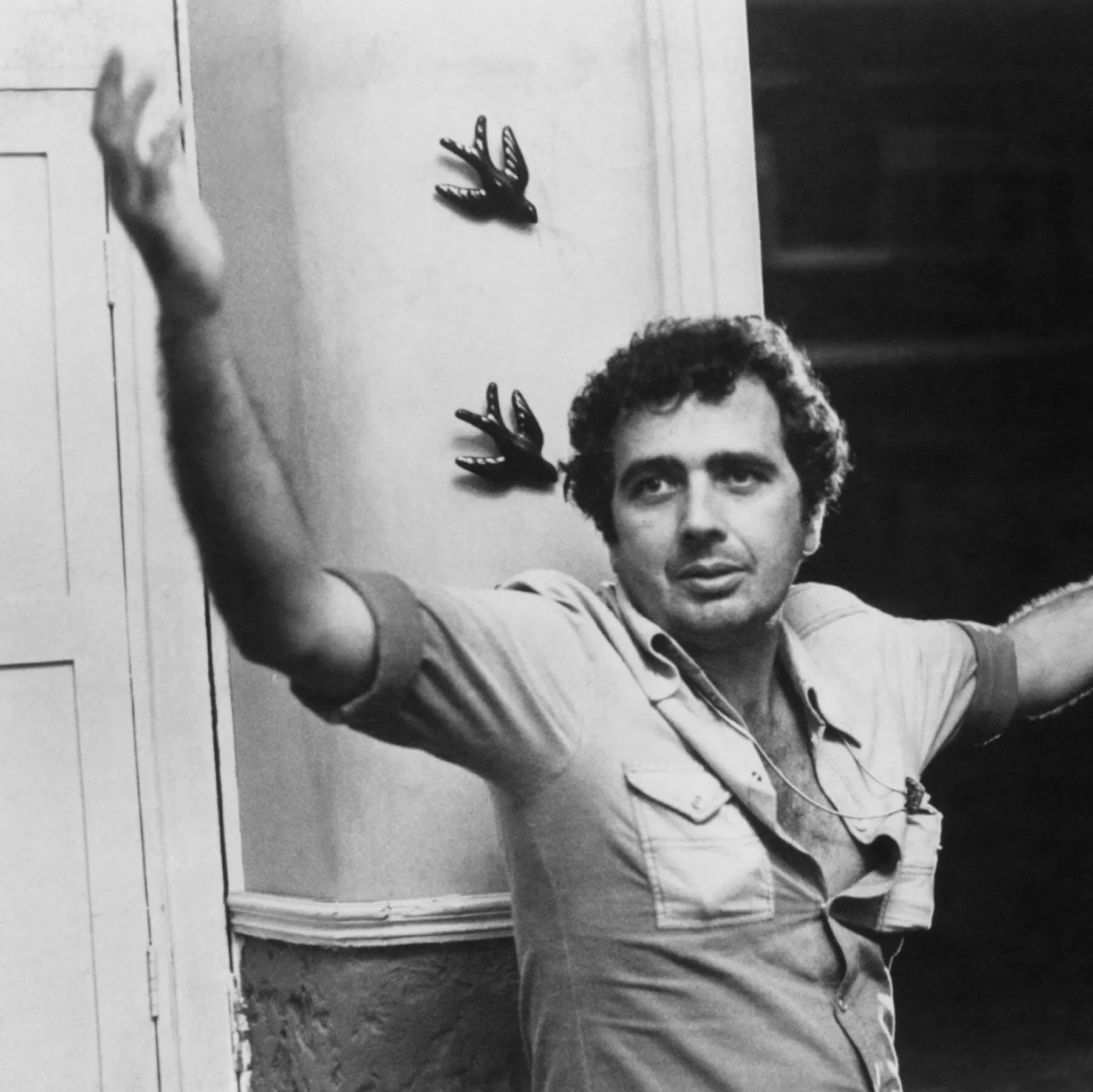
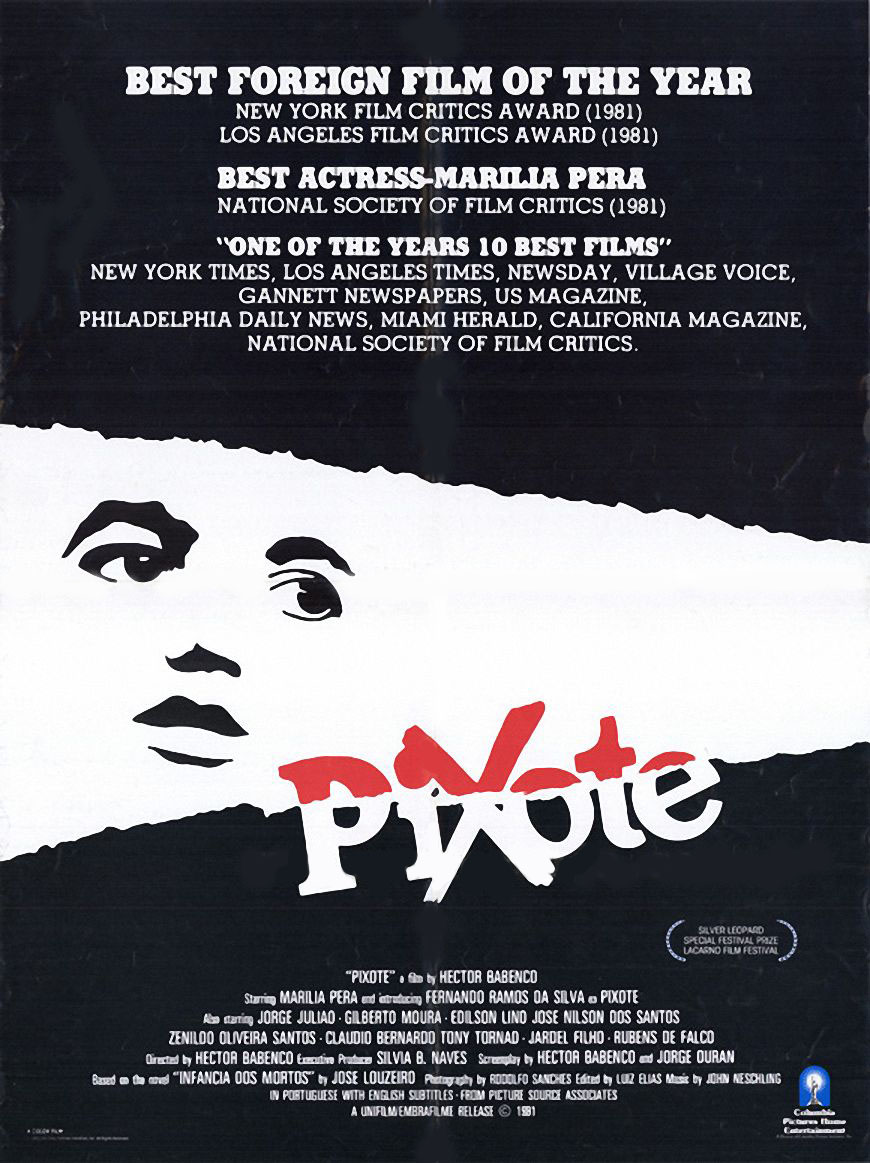
Diegues was one of the key directors of the Cinema Novo movement in Brazil during the early sixties. A military dictatorship brought that creative period to an end starting in 1965 but Diegues and a few others continued to work during this difficult time when the film industry was funded by the military government and subject to their censorship. Most of Brazil’s movies during the 70s and 80s were pornochanchadas (soft core sex comedies) but some filmmakers of note emerged with art house hits like Dona Flor e Seus Dois Maridos (English title: Dona Flor and Her Two Husbands, 1976), directed by Bruno Barreto and starring Jose Wilker as an amorous ghost, Pixote (1980), a crime drama about the street kids of Sao Paulo from director Hector Babenco, and Leon Hirszman’s political drama They Don’t Wear Black Tie (1981).
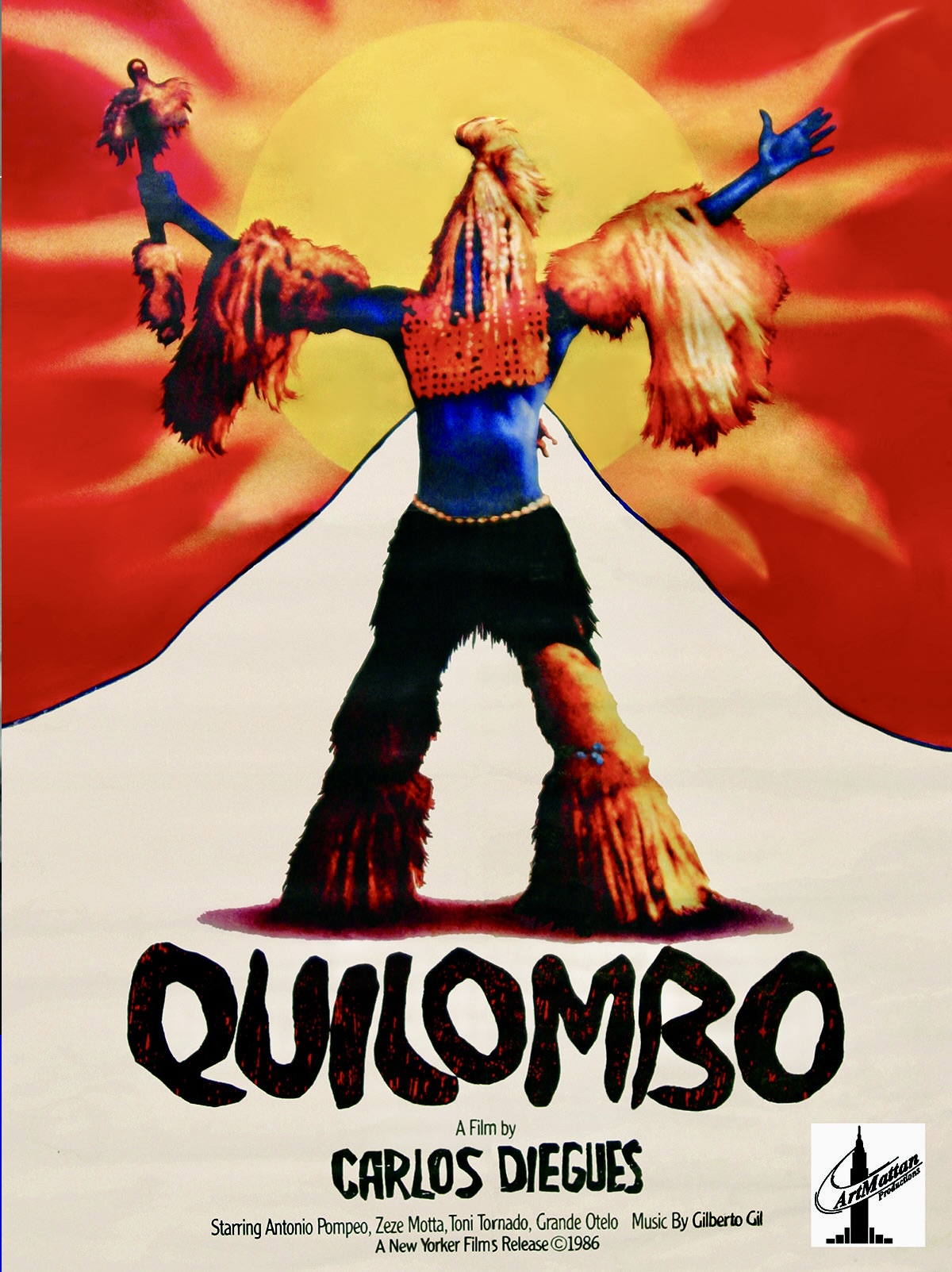
Despite the threat of political oppression, Diegues soldiered on and created some of his most iconic films during this period including Bye Bye Brazil, which was nominated for a Palme d’Or at Cannes (he was also nominated for the same award for Quilombo (1984), his historic account of a slave uprising circa 1650, and Subway to the Stars (1987), a drama set in the slums of Rio.
Bye Bye Brazil remains Diegues’s best known film among U.S. moviegoers and it was well received by critics when it went into release. The New York Times called it “a most reflective film, nicely acted by its small cast and beautifully though not artily photographed in some remarkable locations.” Other praise came from Roger Ebert (“One of the year’s best films”), David Chute of The Boston Phoenix (“A sarcastic, sexy comedy”) and Ronald Bergan & Robyn Karney, editors of The Faber Companion to Foreign Films, who wrote Diegues “uses the flamboyant performers and their garish show to comment, in a witty and equally flamboyant and garish manner, on what ‘progress’ has done to his country…as well as making a sad and pointed statement on the destruction of the culture of the Indians.”
In March 2026 Film Movement Classics released a new 4k restoration of Bye Bye Brazil on Blu-ray which was accompanied by a 16-page booklet and extra features such as a featurette on the making of the movie and an introduction by co-producer Lucy Barreto.
Other links of interest:
https://offscreen.com/view/intro_braziliancinema
https://bfidatadigipres.github.io/brazil%20on%20film/2026/05/09/bye-bye-brazil
https://moreliafilmfest.com/en/carlos-diegues-1940-2025-and-bye-bye-brasil
https://www.numeronetherlands.com/motion-sound/the-ultimate-guide-to-brazilian-cinema

