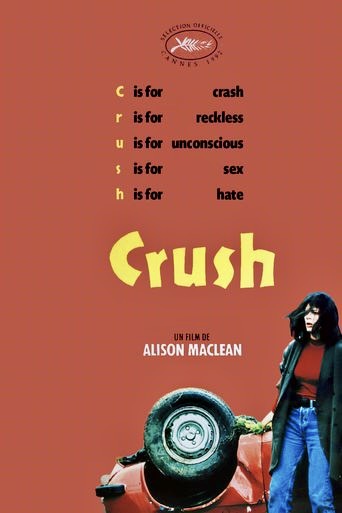
When film buffs talk about their favorite female directors from New Zealand, Jane Campion (The Power of the Dog [2021], The Piano [1993]) is usually the first to be mentioned but there are plenty of other worthy contenders. Niki Caro (Whale Rider, 2002), Gaylene Preston (Perfect Strangers, 2003) and Merata Mita (Boy, 2010) also have impressive filmographies worth exploring and Alison Maclean is a particular favorite who should be better known. She first attracted attention for her nightmarish film short Kitchen Sink (1989) and followed it with Crush, her 1992 feature film debut. Jesus’ Son (1999), based on a collection of short stories by Denis Johnson and starring Billy Crudup as a heroin addict, was critically acclaimed and an art house success but Maclean still remains relatively unknown outside her own country despite directing TV episodes of Sex and the City (1998), The L Word (2005), The Tudors (2007), Gossip Girl (2009) and more recent work such as The Rehearsal (2016), a drama about a prestigious acting school. Yet I’m still surprised that her first feature Crush didn’t attract more attention at the time since it was such an emotionally complex and riveting psychological drama.
Continue readingTag Archives: Palm d’Or
Mathematical Riddles
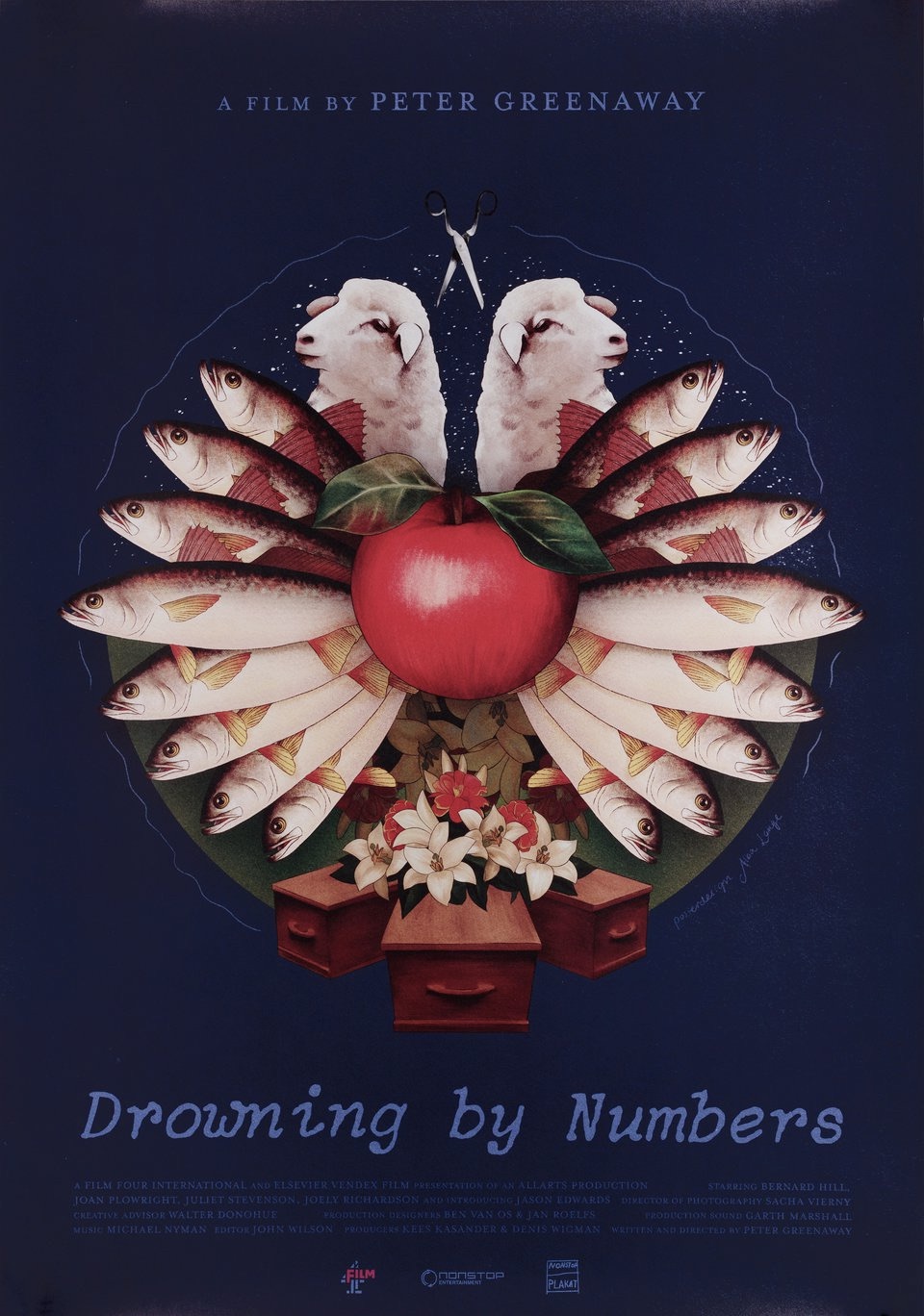
Peter Greenaway is not the sort of director who has ever tried to appeal to the average moviegoer or make a mainstream film but that doesn’t mean he hasn’t enjoyed a long and successful career in the cinema. In fact, his 1989 film The Cook, the Thief, His Wife & Her Lover was a surprise box office hit, grossing more than 7.7 million dollars in the U.S., which was highly impressive for an art house flick. Still, his filmography might seem intimidating or of little interest to most American viewers but several of Greenaway’s feature films from the 1980s are quite accessible, if only curious movie lovers would give them a chance. The Draughtsman’s Contract (1982) and The Belly of an Architect (1987) are good places to begin but my personal favorite is Drowning by Nights (1988), which is a subversive black comedy involving murder, game playing, and a fascination with numbers.
Continue readingFrancis Ford Coppola’s 1966 Valentine to New York City
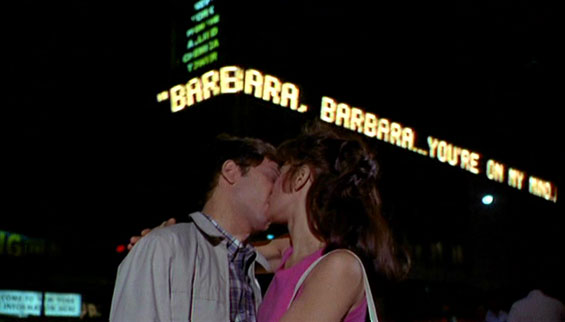
Before he broke through as one of the most dynamic and successful directors of his generation in 1972 with The Godfather, Francis Ford Coppola had been working his way up from the lower rungs of the film industry since the early sixties in various capacities for producer/director Roger Corman (dialogue director on Tower of London [1962], second unit director on Premature Burial [1962] and others). Although his first full-fledged directorial effort was the sexploitation comedy Tonight for Sure (1962), which was barely distributed even on the grindhouse circuit, Dementia 13 [1963], was really the first indication that Coppola had promise as a filmmaker. Made on a miniscule budget, this gothic murder mystery shot on location in Ireland was a surprisingly stylish and atmospheric genre film that was released on a double feature with Corman’s The Terror [1963]. Yet, it was Coppola’s next feature, You’re a Big Boy Now (1966), that proved to the movie industry and film critics alike that this twenty-seven year old director was already a prodigious talent. Continue reading