
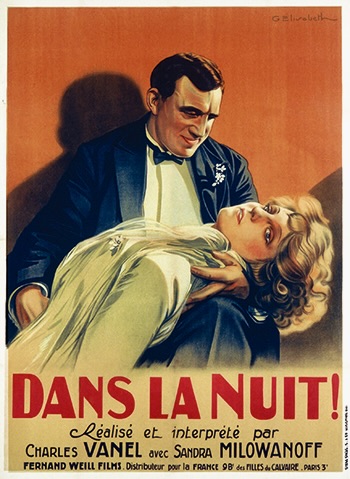
Most film buffs and Francophiles are familiar with Charles Vanel, the iconic French actor whose career spanned eight decades, beginning in the silent era and ending in 1988 (He died in 1989 at age 96). He appeared in more than 150 movies and some of his early successes include 1929’s Waterloo (as Napoleon), Raymond Bernard’s WW1 epic Wooden Crosses (1932) and the 1934 film adaptation of Les Miserables. He also worked often with French director Henri-Georges Clouzot which resulted in two of his most famous roles – the tough truck driver of The Wages of Fear (1953) and the inspector in Diabolique (1955). Italian director Francesco Rosi was another major filmmaker who employed Vanel for two of his late career triumphs – Illustrious Corpses (1976) and Three Brothers (1981), which garnered Vanel the David di Donatello Award for Best Supporting Actor (Italy’s version of the Oscar). What you probably don’t know is that Vanel had aspirations to become a director when he was 38 years old and he actually wrote, directed and starred in Dans la nuit (1930), which has recently been restored after missing in action ever since its original premiere. Its rediscovery shows Vanel employing cinematic devices and ideas way ahead of his time, some of which would surface thirty years later during the Nouvelle Vague movement.
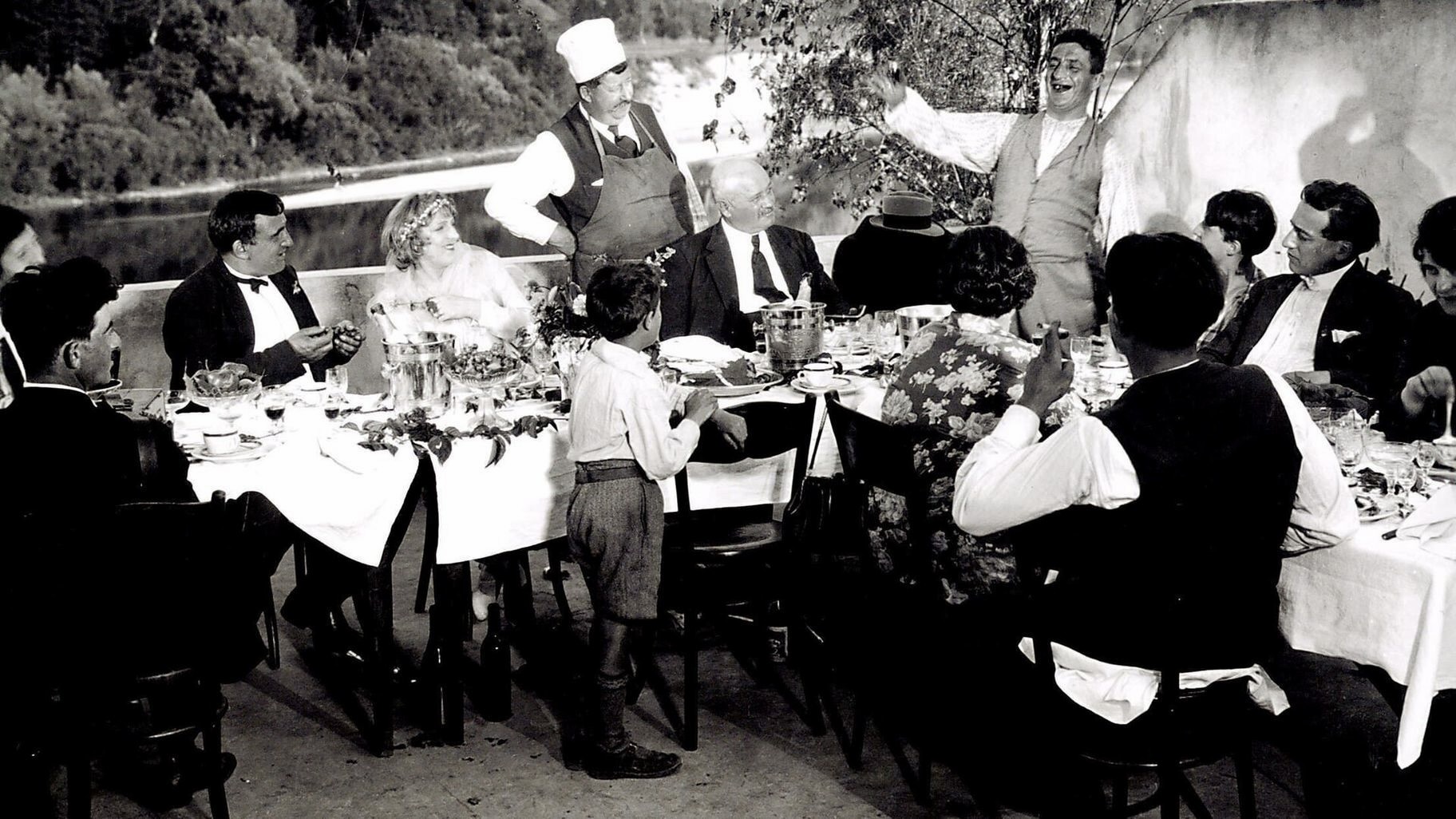
Inspired by a story his father told him as well as his own childhood memories of Jujurieux, a small town in the Rhone-Alpes region of eastern France, Vanet conjures up the deceptively straightforward tale of a rock quarry worker (Vanel) and his wife (Sandra Milovanoff); they are never identified by name in the movie. The couple celebrate a joyous wedding together with friends and face a promising future despite the groom’s physically taxing job in the quarry mines. Then fate intervenes and Vanel is almost killed when a dynamite charge goes off too early, causing a massive cave-in. The right side of Vanel’s face is horribly disfigured from the accident and he resorts to wearing a mask and switching to the night shift. His wife can’t adjust to this new reality and becomes increasingly distant in their relationship. It isn’t long before she is seduced by a quarry worker on the day shift and they become lovers. What began as a blissful portrait of two newlyweds quickly enters film noir territory with death and tragedy in the cards.
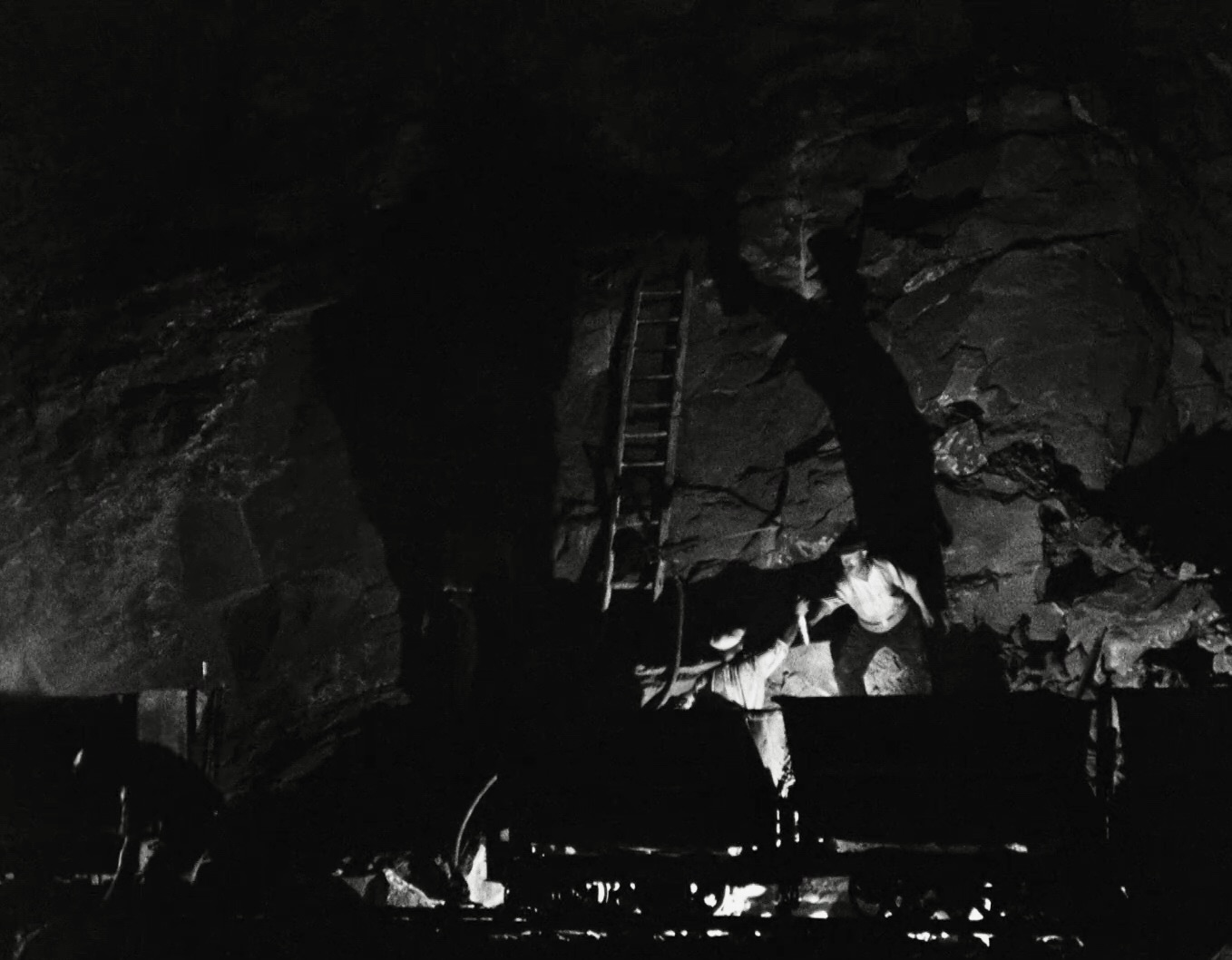
The above synopsis might sound trite and cliched even for a 1930 silent drama but Vanel brings it to life with a number of creative cinematic choices. For starters, the entire movie is filmed on location in and around the rural town of Jujurieux and the opening of Dans la nuit unfolds like an exquisitely detailed cinema verite portrait of the area’s rock quarry industry and its workers. It was quite unusual for any French film at that time to be filmed on location outside a studio and Vanel’s visually dynamic introduction emphasizes the dangerous aspects of working in a rock quarry but also the intricate day to day operation which involves deep drilling in the caves and conveyor belts carrying the rocks to the surface where horse and donkey driven carts carry them away.
The cinematography, which was handled by Georges Asselin and his assistants, is surprisingly modern and experimental in some of its narrative choices such as following Vanel and Sandra’s wedding party as they wander through the crowded streets of Jujurieux after the ceremony and converge on a street fair. There are a number of remarkable hand-held camera shots of people riding on a carousel as well as Sandra flying through the air on a chair swing amusement (how did they film that?).
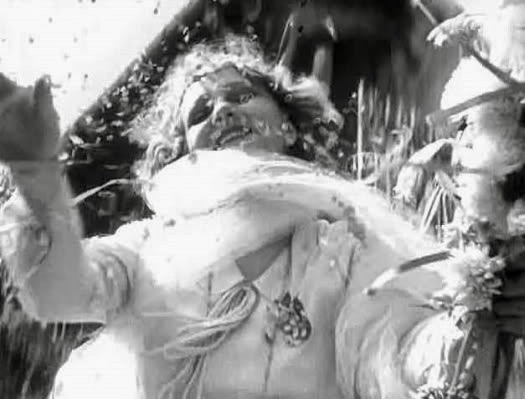
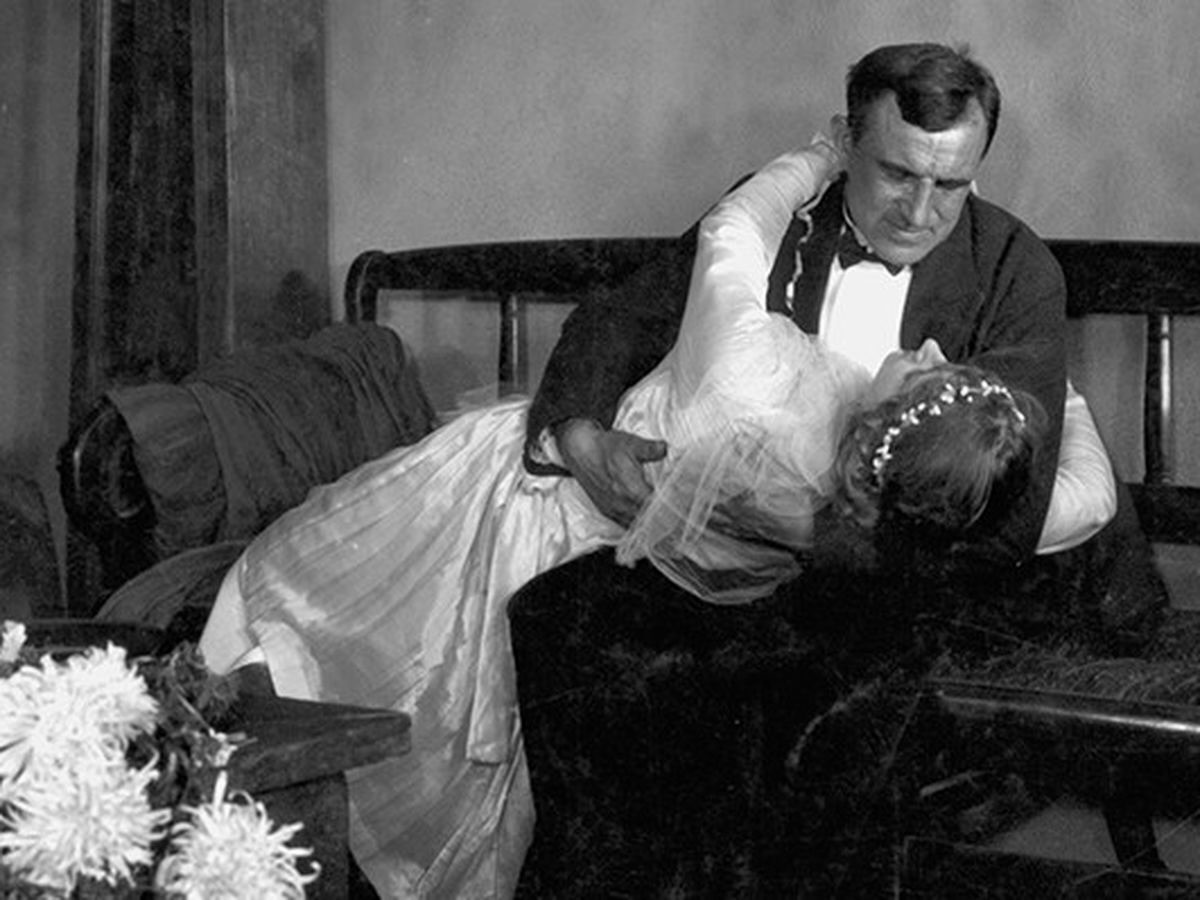
Vanel’s treatment of the quarry worker’s marriage is also passionate and full of tenderness in the early stages with intimate close-ups of the husband and wife to convey their marital bliss. But when tragedy strikes, the lyrical qualities of the film’s first half transition into a world of darkness and shadows.
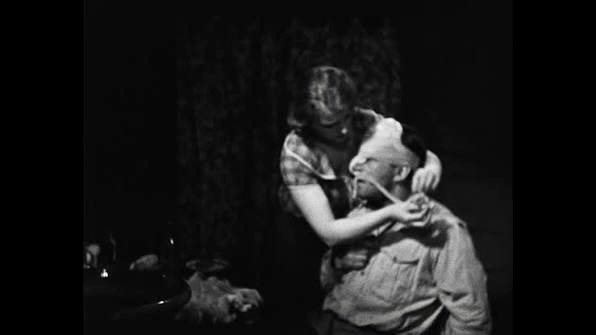
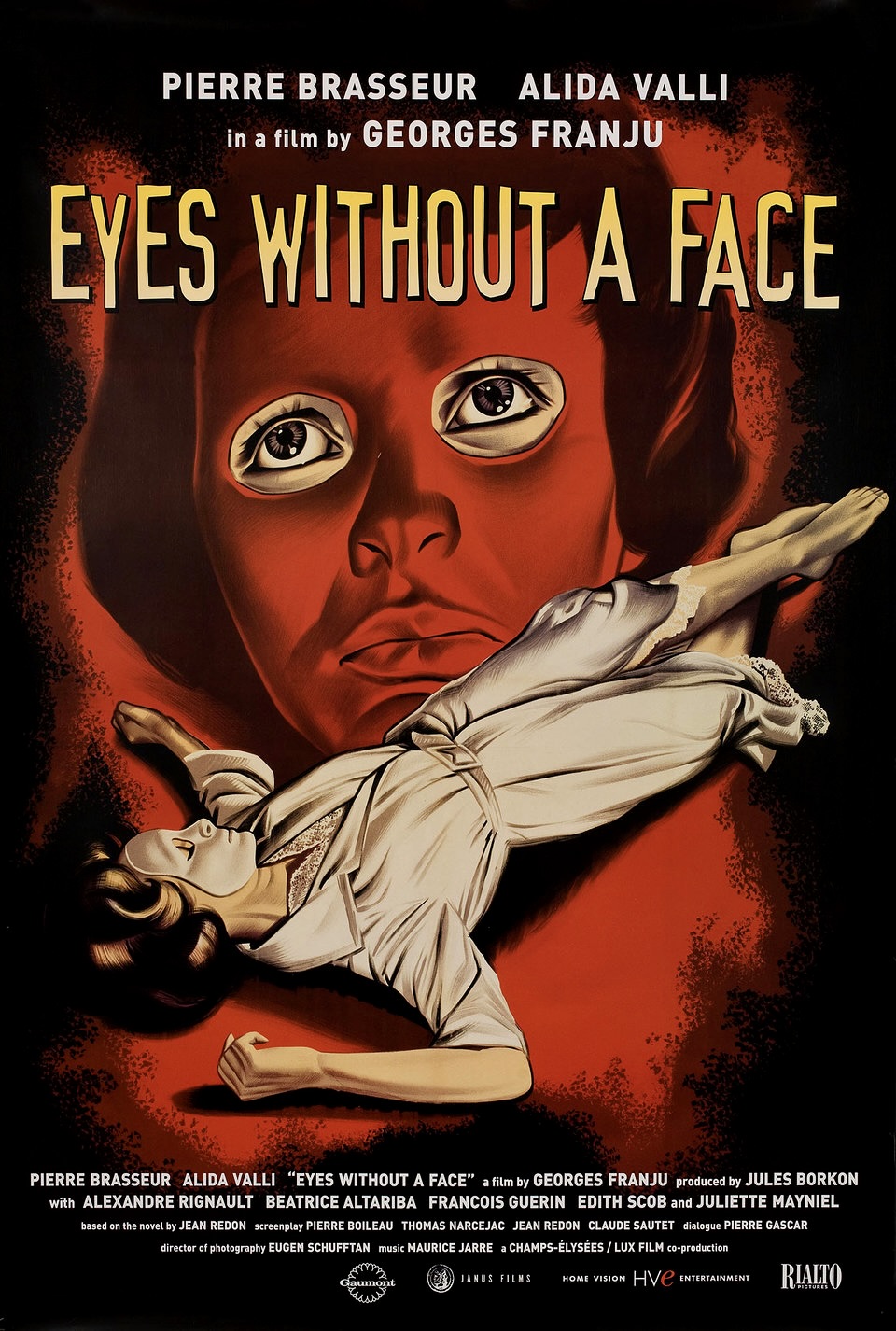
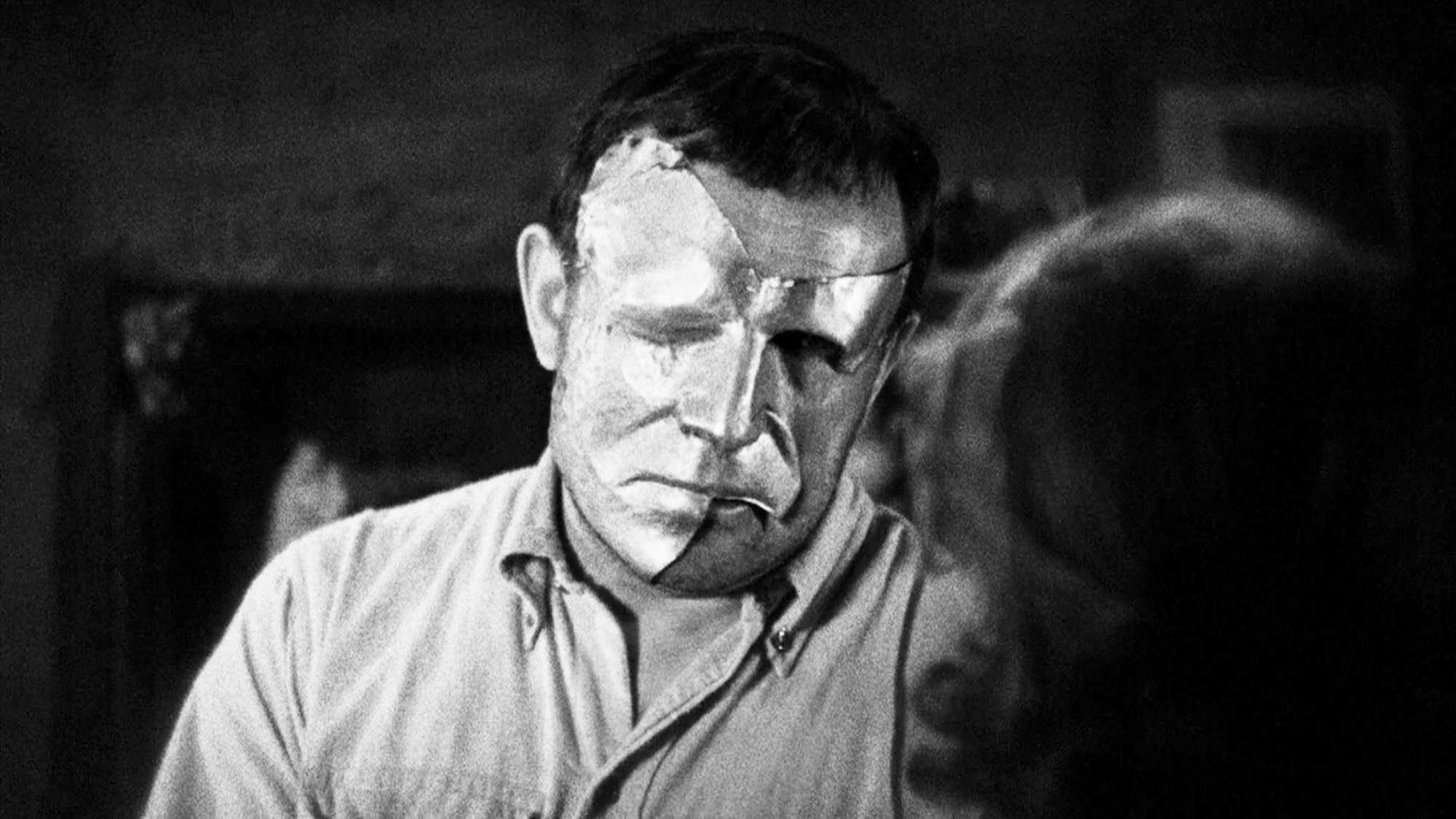
Certainly the scenes where the disfigured protagonist hides his face behind a metallic-like mask looks forward to the gothic ambiance of Robert Florey’s The Face Behind the Mask (1941) and Georges Franju’s Eyes Without a Face (1960). But Vanel’s mental state also begins to suffer as he becomes a stranger to his wife but also to himself. In this regard, Dans la nuit bares comparison with Hiroshi Teshigahara’s The Face of Another (1966) in its examination of an individual’s personal identity and how external forces can alter or destroy those perceptions.
There is also a narrative twist in Dans la nuit’s final act which some viewers may see coming but seems much closer in mood and visual stylings to a horror film from the period. Yet the movie’s closing scene – and this is the only debatable flaw – is an ending that feels tacked on to appease the censors in case they objected to the grim trajectory and resolution of the married couple’s life together.
The production of Dans la nuit was another example of a film that stood out from its studio financed competitors. Vanel raised his own money to make the picture with assistance from a group of theater exhibitors who stood to profit from their support if it was a hit. Although the movie was completed in 1929, it wasn’t released until the next year and already audiences were clamoring for sound movies, which were the latest rage. The popularity of silent films was declining rapidly and Vanel’s partners, the exhibitors, barely released Dans la nuit and it quickly vanished, only to become a lost film for years. Only a few people saw it in 1930 but one of them, French film critic Michel Gorel, wrote “Vanel immediately achieves the intensity of great drama….Finally, something powerful. The director Vanel criticises life.”
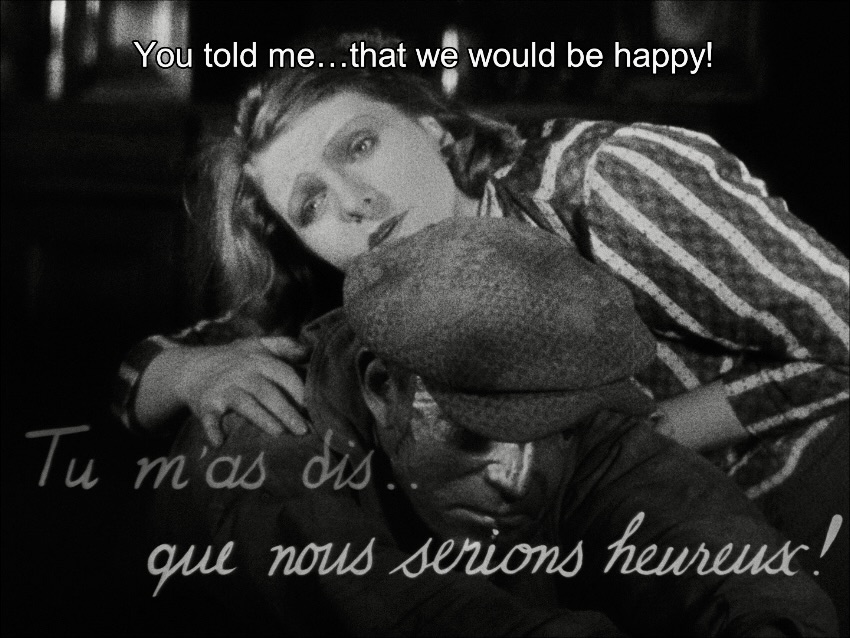
Vanel never directed another feature film (he did complete a film short, Le Coup de Minuit, in 1932) but he always valued his solo effort and still owned the rights to it when he died. Later in 1998, Vanel’s widow Arlette, bequeathed the film to Institut Lumiere in Lyon. They managed to find a 35mm negative of the movie in the archives of film curator Henri Langlois (he died in 1977) which they were able to use to mount a full scale restoration of Dans la nuit.
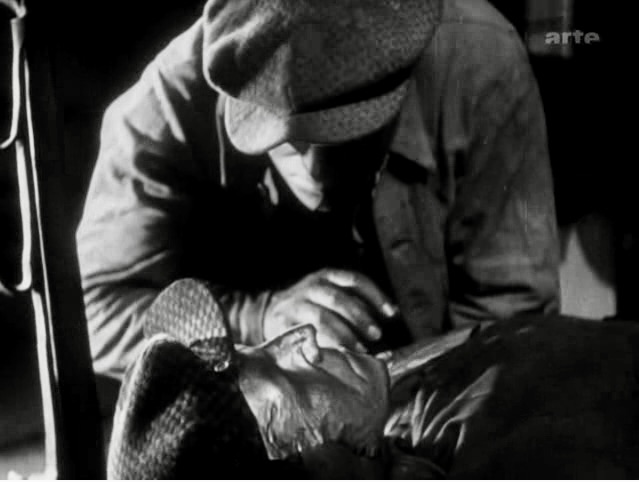
One of the film’s biggest champions was French director/film historian Bertrand Tavernier (Coup de Torchon, ‘Round Midnight) who once wrote that Vanel’s film “shows a freedom of tone to treat both dread and happiness, a richness of subject, a patience with the image itself, a requirement, a rhythm: in short, cinematographic poetry.”
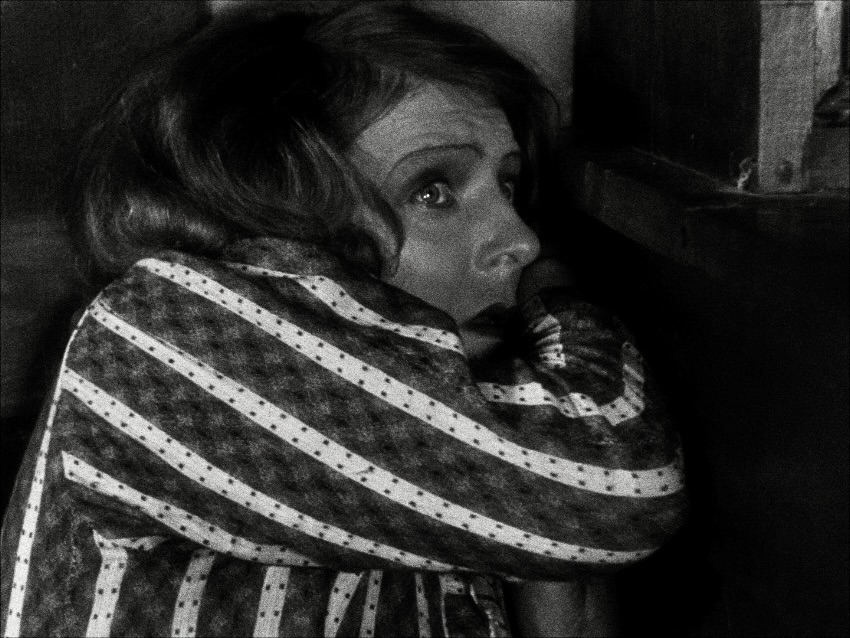
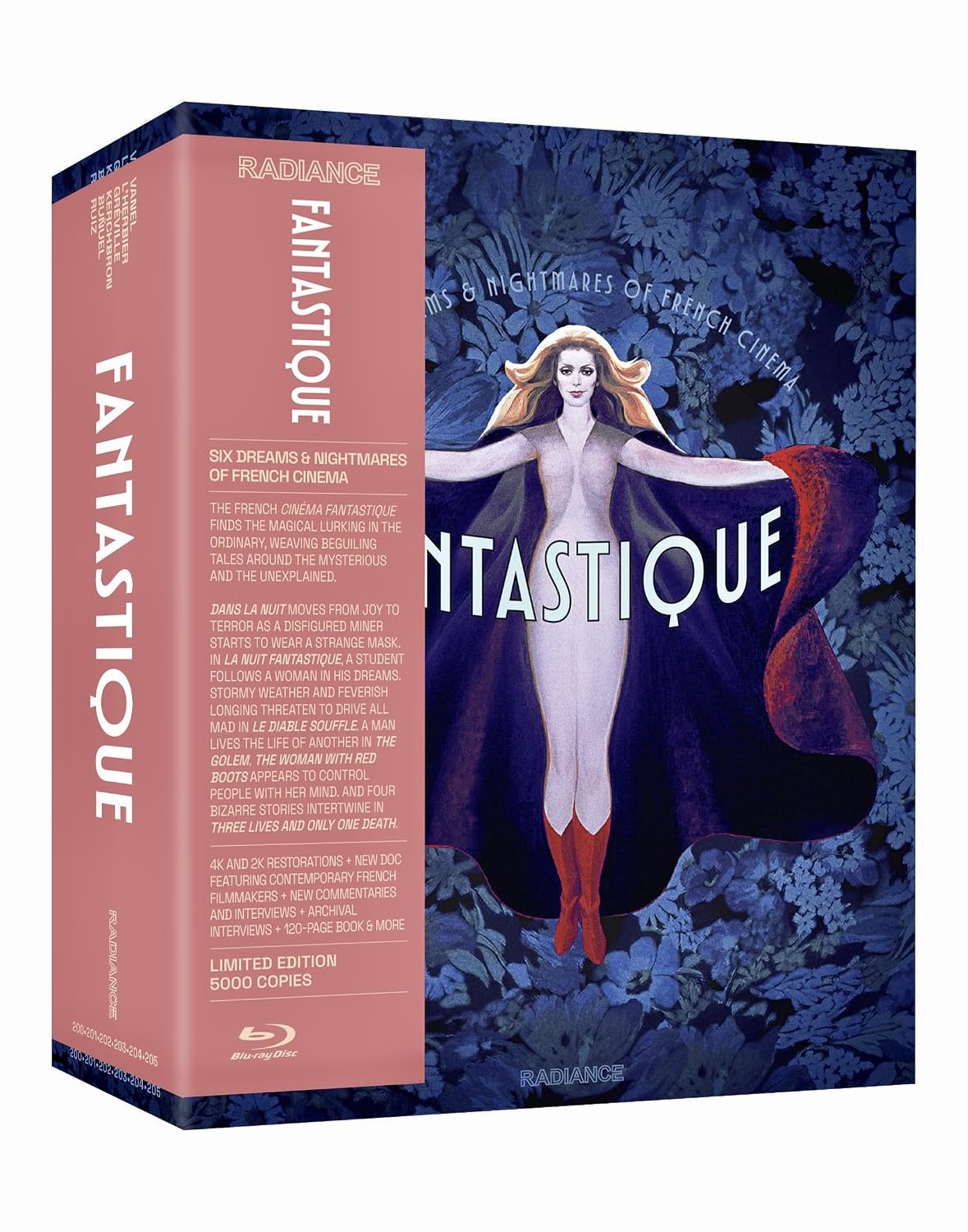
The restored version of Dans La nuit has since played several film festivals to great acclaim including the San Francisco Silent Film Festival where it premiered in 2022. It is now available on Blu-ray from Radiance Films which has included it in their box set Fantastique: The Dreams and Nightmares of French Cinema, released in November 2026. The other features include La Nuit Fantastique (1942), Le Diable Souffle aka Woman of Evil (1947) featuring Charles Vanel, The Golem (1967), The Woman in Red Boots (1974) and Raul Ruiz’s Three Lives and Only One Death (1996).
Other links of interest:
https://ilcinemaritrovato.it/en/eventi/dans-la-nuit
https://366weirdmovies.com/fantastique-the-dreams-and-nightmares-of-french-cinema-1930-1996
https://mubi.com/en/notebook/posts/the-forgotten-charles-vanel-s-dans-la-nuit-1929
https://filmstarpostcards.blogspot.com/2015/09/charles-vanel.html
https://kids.kiddle.co/Charles_Vanel

