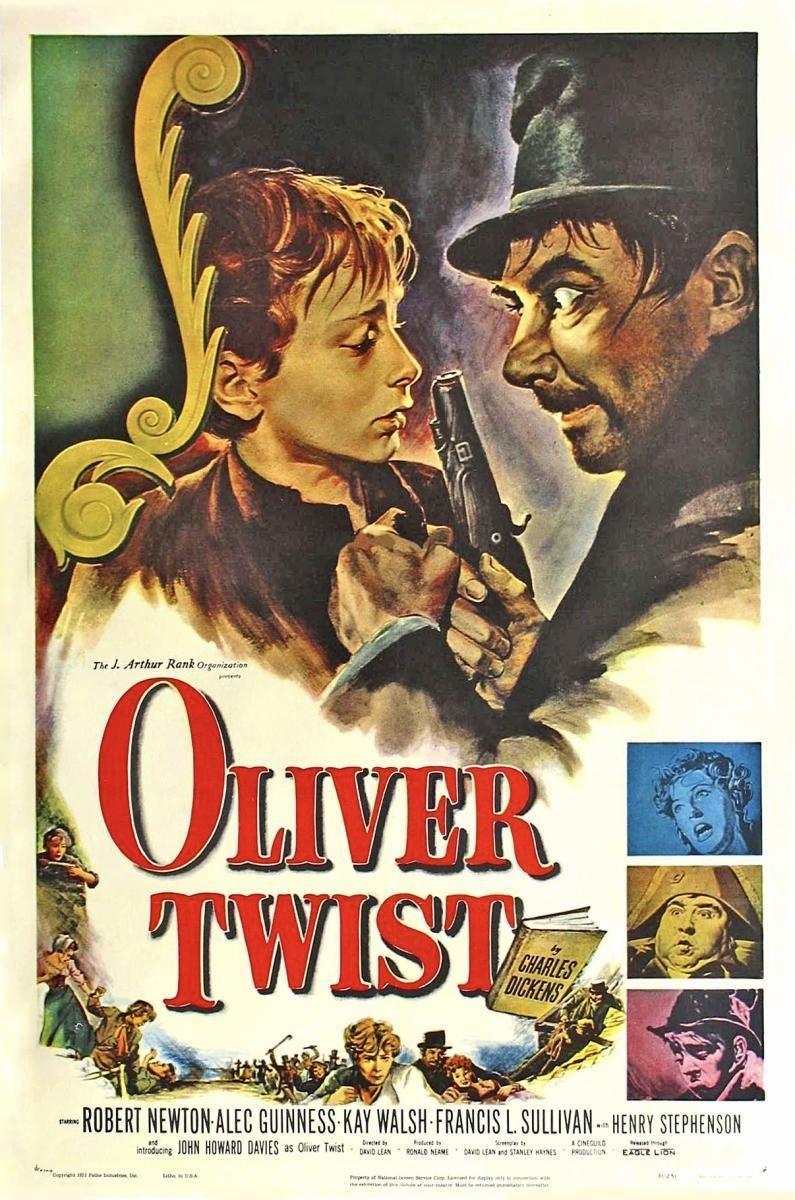
With the release of Brief Encounter in 1945, David Lean became the preeminent British director of his generation. But the critical and popular success of that bittersweet postwar romance (it won the Grand Prize at the Cannes Film Festival and garnered three Oscar nominations) was overshadowed by an even greater achievement, his film adaptation of Charles Dickens’s Great Expectations (1946). The latter secured his reputation on an international scale and received five Oscar nominations, winning statuettes for Best Art Direction and Best Cinematography. What to do for an encore? Instead of moving in a new direction, Lean surprised everyone by agreeing to do another Charles Dickens adaptation – a film version of Oliver Twist (1948).
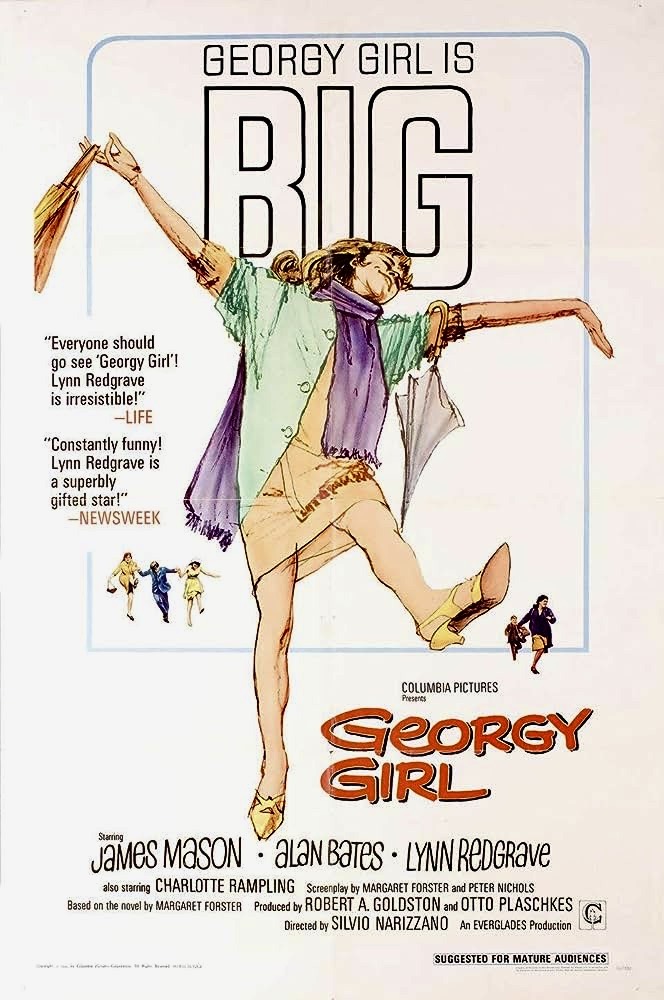
A frumpy woman in her early twenties dreams of being loved but despite her continual attempts to have a romance finds herself observing life from the sidelines, barely noticed by those around her. Reduced to a one sentence description, Georgy Girl (1966) sounds dreary and depressing but on-screen this tale of a desperately lonely woman unfolds as a madcap, often irreverent farce which at times is cruelly indifferent to the sad-sack characters it parades before us. This is a film where tone is everything and Georgy Girl, directed by Silvio Narizzano, is distinctively different in this respect, standing out from countless other cinematic tearjerkers about ugly ducklings and lonely spinsters. The film also captures London at the height of the Swingin’ Sixties when everything seemed like a put-on or a come-on.
An eerie promotional image from the 1968 film SECRET CEREMONY starring Mia Farrow and Elizabeth Taylor, directed by Joseph Losey.
Pretentious art house bomb, neglected masterpiece or inscrutable personal project for Joseph Losey? Secret Ceremony (1968) had the misfortune to follow Boom! (1968), the director’s notoriously lambasted film adaptation of Tennessee Williams’ The Milk Train Doesn’t Stop Here Anymore starring the world’s most famous celebrity couple at the time, Richard Burton and Elizabeth Taylor. Equally challenging for mainstream audiences, Secret Ceremony was promoted as a kinky psychodrama with lesbian overtones and such tag lines as “It’s time to speak of unspoken things” and “No one admitted the last 12 minutes.” Yet, despite the presence of Elizabeth Taylor, Robert Mitchum and Mia Farrow, who had just appeared in the as-yet-unreleased Rosemary’s Baby the same year, the movie was too strange, decadent and moody to hold the attention of moviegoers and critics expecting a more traditional genre film.
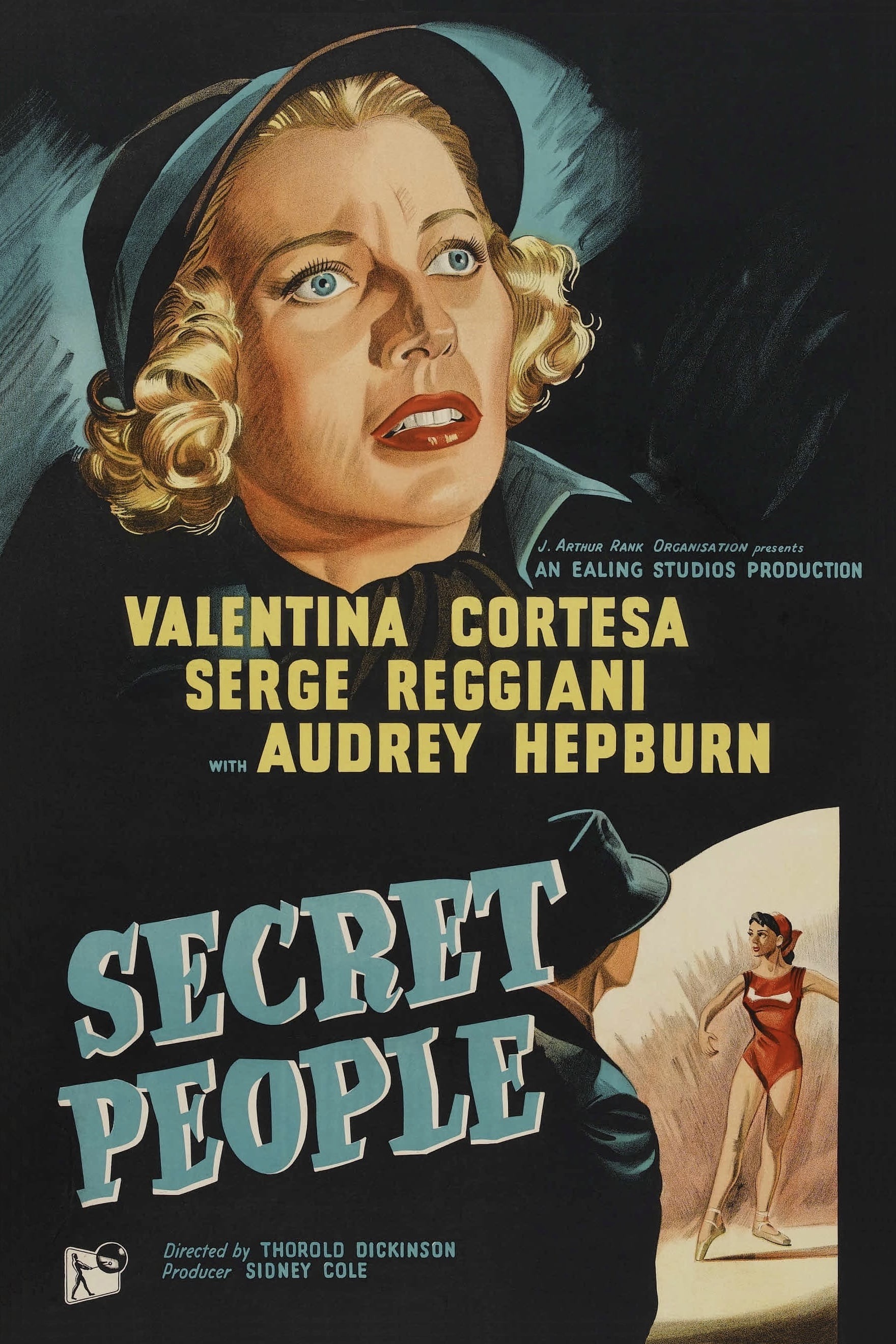
Though little known in the U.S. today except by movie buffs, Thorold Dickinson is an important figure in the development of the British film industry. A screenwriter, editor, director and producer, Dickinson wore many hats and exerted considerable influence in his various positions over the years as Coordinator of the Army Kinematograph Service’s film unit, Professor of Film at the Slade School of Fine Art and Chief of Film Services at UNESCO (United Nations Educational, Scientific and Cultural Organization). In addition to collaborating with other British filmmakers on their work and co-directing several features, he rose to prominence on the basis of a small but impressive filmography. Among them were the commercial hits, Gaslight (1940), remade in 1944 in Hollywood with Ingrid Bergman and Charles Boyer, and The Queen of Spades (1949), an adaptation of the Alexander Pushkin short story which is considered possibly the best of its many film versions. His skill as a documentarian was equally renowned and The Next of Kin, a military training film he made for the War Office in 1940, was so effective it was given a theatrical release. Men of Two Worlds (1946), a semi-documentary collaboration between the Ministry of Information and the Colonial Office, was co-scripted with novelist Joyce Cary (The Horse’s Mouth, 1958) and focused on the problem and treatment of sleeping sickness in African tribes. Yet, the most ambitious film of Dickinson’s career – and the one that almost ended it was Secret People (1952), which was an examination of the terrorist mindset and years ahead of its time.
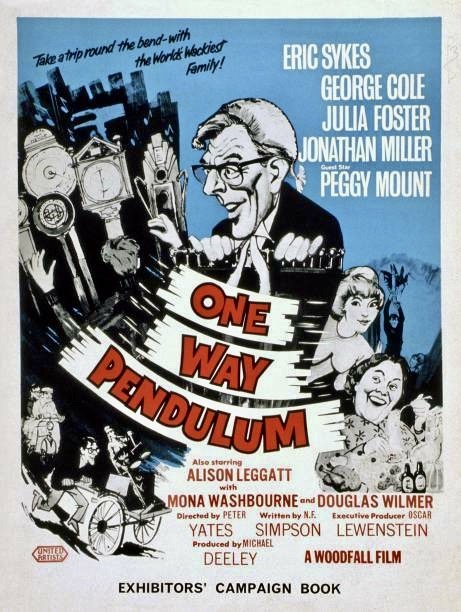
When you think of British film comedies, titles like Whiskey Galore (1949), The Titfield Thunderbolt (1953), and other popular Ealing releases, many with Alec Guinness, probably spring to mind. Or maybe something starring Peter Sellers or any comedies featuring graduates of the Goon Show, Beyond the Fringe or Monty Python TV shows that mix black comedy with Theatre of the Absurd antics. But few people, outside of the U.K., are unlikely to recall One Way Pendulum (1964) with fondness and there are obvious reasons for that. It is the sort of surreal farce that is so deeply rooted in its own culture, setting and time – the sixties – that audiences of today might not get the jokes at all. Even the average Englishman might have sat dumbfounded at the film before him in 1964.
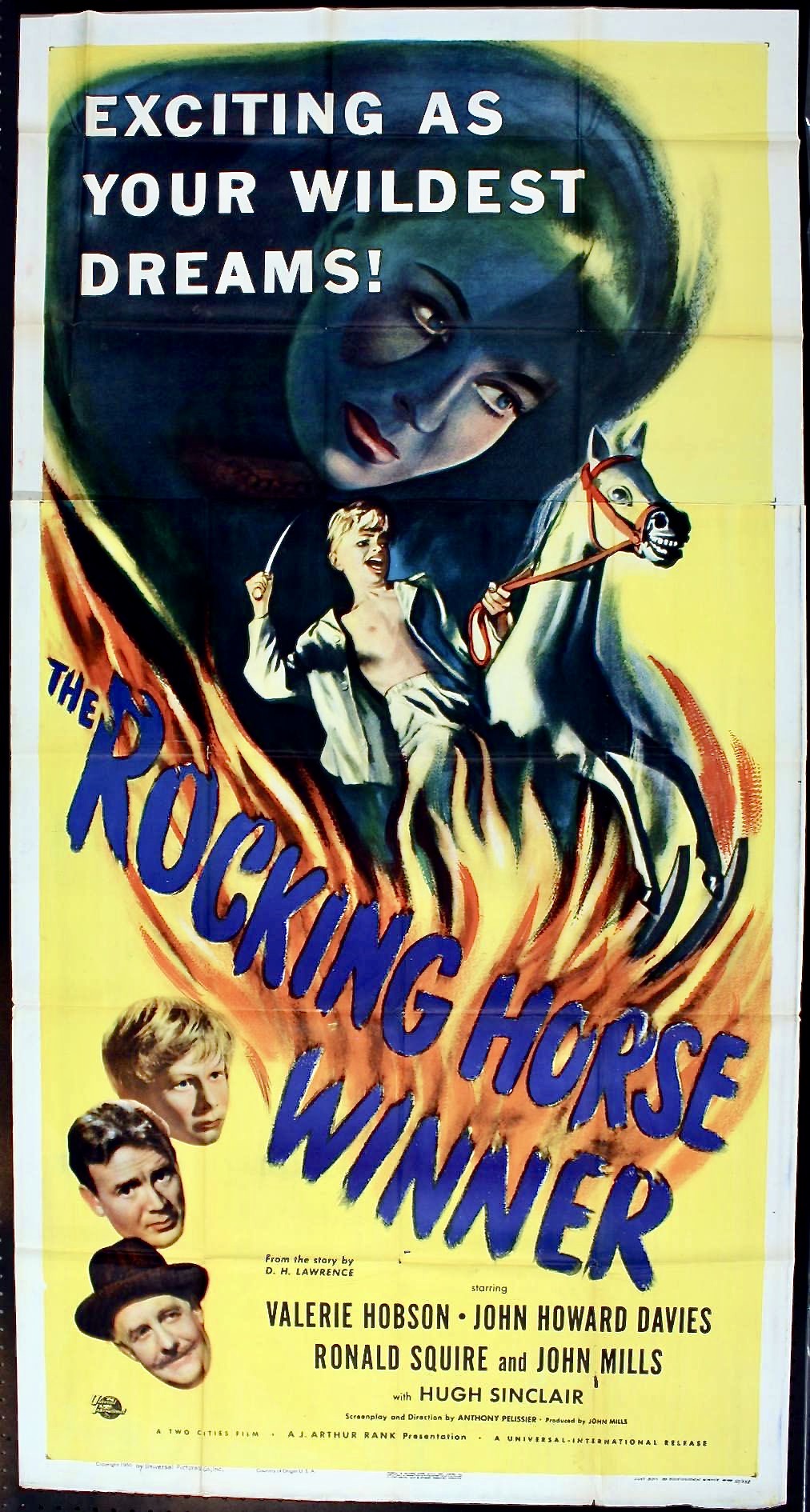
What are your favorite film adaptations of famous short stories? Among the titles in my top 20 list are Rear Window (1954), based on Cornell Woolrich’s “It Had to Be Murder,” All About Eve (1950), adapted from Mary Orr’s ”The Wisdom of Eve,” The Body Snatcher (1945), which was taken from Robert Louis Stevenson’s story of the same name, It Happened One Night (1934), based on Samuel Hopkins Adams’ “Night Bus,” and The Rocking Horse Winner (1949), which is one of D.H. Lawrence’s best known short stories. However, the latter film is a largely unsung minor masterpiece of the British cinema that is highlighted by impeccable performances and an eerie Gothic atmosphere with almost supernatural overtones.
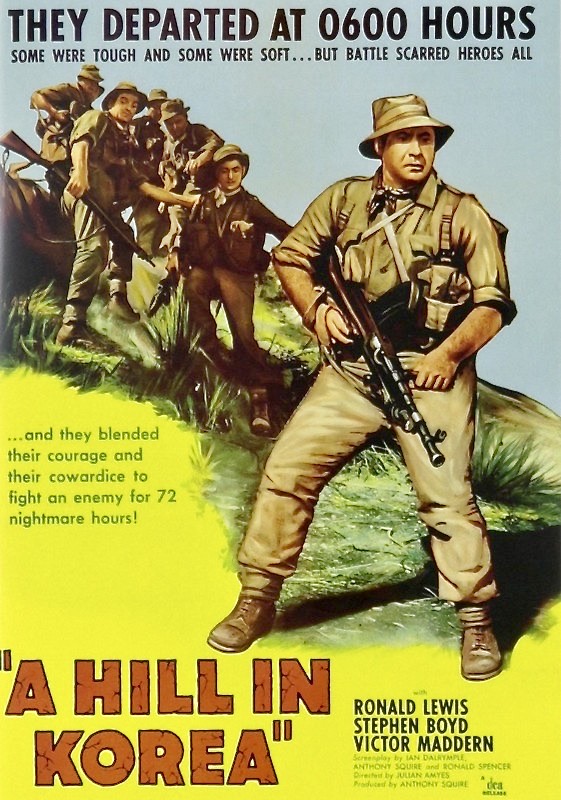
Hell in Korea (1956, British title: A Hill in Korea) may sound like a composite of a lot of platoon-in-jeopardy war movies from The Lost Patrol [1934] to Pork Chop Hill [1959]. Unlike the latter film, which was also set during the Korean War and depicted embattled U.S. soldiers trying to hold a strategic military position, Hell in Korea has the distinction of being the first U.K. production about the conflict which lasted from 1950-1953 and is interesting for its point of view which combines gung-ho jingoism with the grim realities of war.
The gift of clairvoyance and the ability to predict the future is a plot device that has been well mined in the cinema from It Happened Tomorrow (1944) to Nightmare Alley (1947) to The Night My Number Came Up (1955). But one of the earliest and most intriguing presentations of this phenomenon can be found in the rarely seen 1934 release, The Clairvoyant (aka The Evil Mind). Made at an early stage in Claude Rains’ career when he was still accepting film work in both Hollywood and England and was not yet a contract player at Warner Bros., The Clairvoyant provides an excellent showcase for the actor as Maximus, the mind reader.
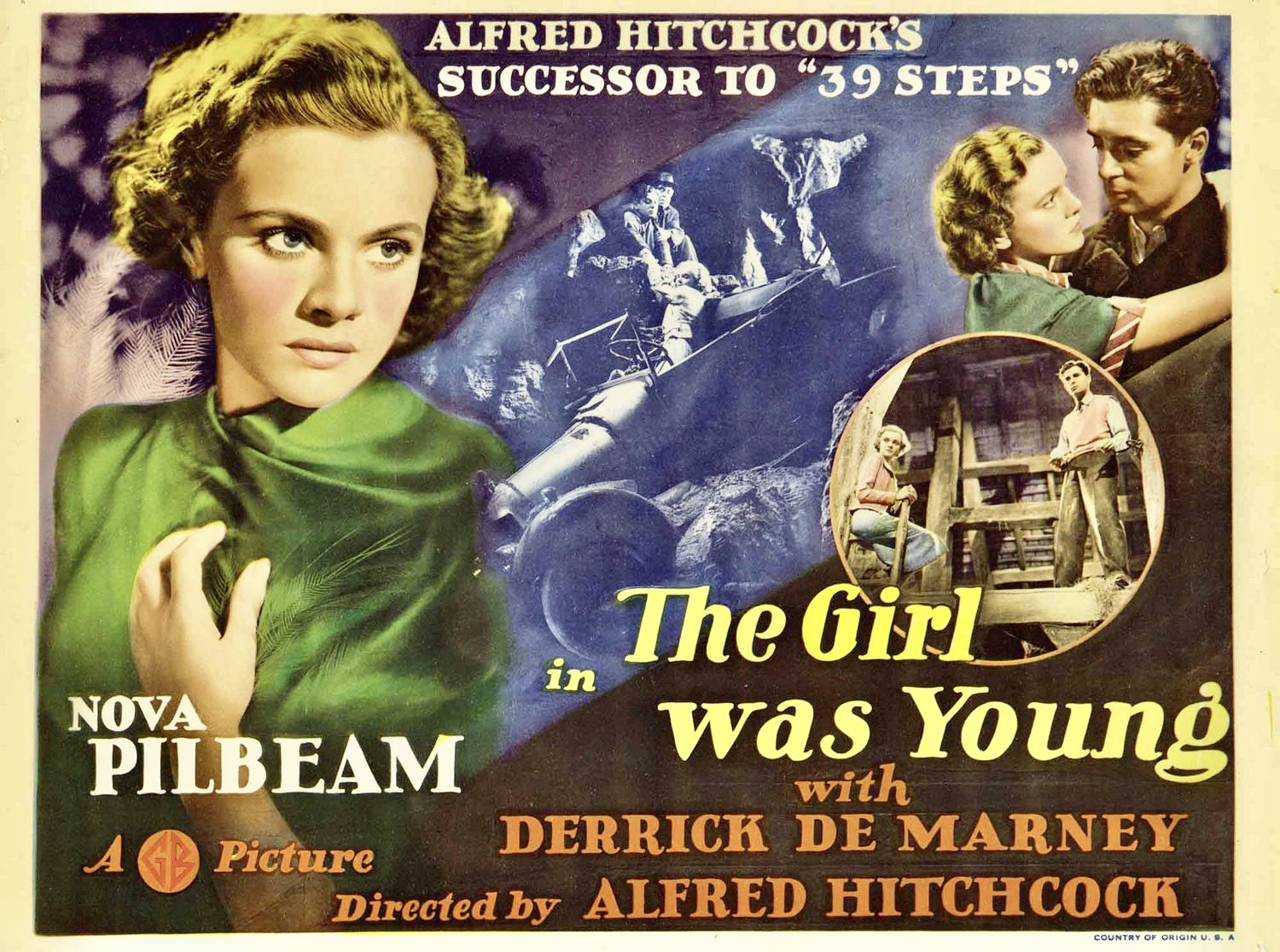
The film was released in the U.K. under its original title, YOUNG AND INNOCENT (1937).
In one of the more striking opening sequences in Alfred Hitchcock’s entire filmography, a man and woman argue violently in a cliff-top mansion above the sea as a storm is brewing. A quick fade to the following morning reveals the lifeless body of a woman in the surf and the murder weapon nearby – a raincoat belt. A man walking along the dunes is the first person to find the victim and runs to get help. Two women on the beach also discover the body and see the man fleeing the crime scene, assuming the worst. When he returns with the police, he is fingered as the murderer and taken into custody, followed by a montage of newspaper headlines. All of this is accomplished in a brilliantly edited sequence of less than five minutes that not only sets the narrative of Young and Innocent (1937, U.S. release title: The Girl Was Young) in motion but could also serve as a textbook example of Hitchcock’s storyboard approach to moviemaking.
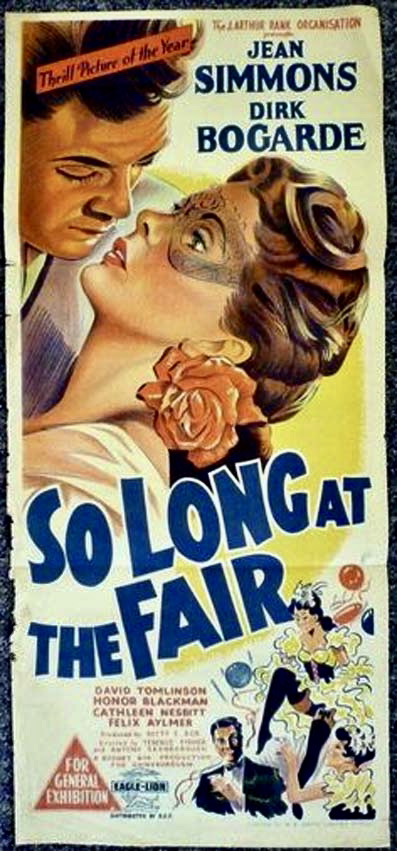
People who disappear without a trace always make the most compelling cold case mysteries, mainly because they baffle even the most intrepid investigators. The famous urban legend of “The Vanishing Lady” also known as “The Vanishing Hotel Room” may very well have been based on a real person but the true facts are lost to time. No matter. The strange tale, which first emerged in the early 1900s, has been appropriated by various writers and filmmakers in some form over the years such as the 1913 novel The End of Her Honeymoon by Marie Belloc-Lowndes (author of The Lodger), Sir Basil Thomson’s 1925 novel The Vanishing of Mrs. Fraser and the 1932 film The Midnight Warning. My favorite variation on this theme is the Victorian era mystery, So Long at the Fair (1950), produced by the British film studio, Gainsborough Pictures. The title comes from the English folk tune “Oh Dear! What Can the Matter Be?,” which contains the line, “Johnny’s so long at the fair.”