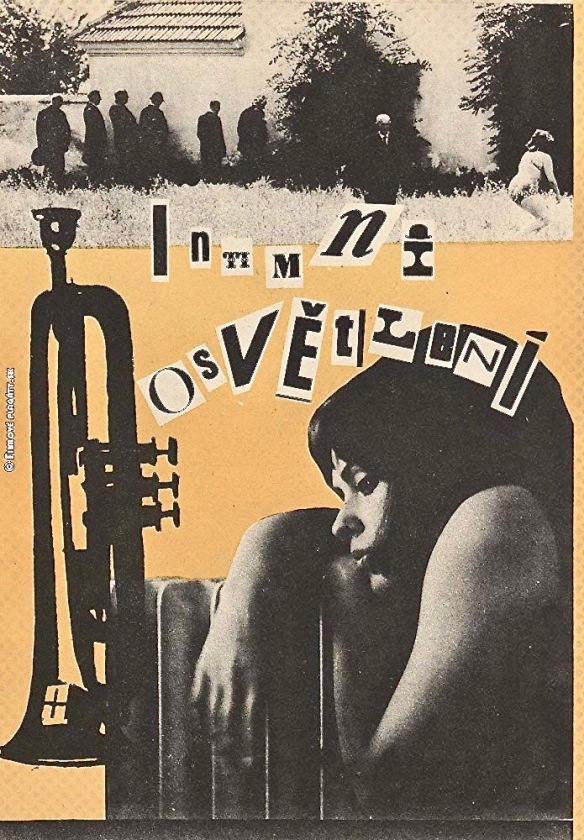
Ivan Passer’s Intimate Lighting

Krzysztof Kieslowski placed it on his Top Ten list for a Sight & Sound magazine poll. Dave Kehr, formerly of The Chicago Reader, called it “one of the finest works of the short-lived Czech New Wave. The New York Times noted that Intimate Lighting (1965) was one of those movies that “loses none of its charm, to age or to repeated viewing,” and countless other critics who have seen it have championed this small-scale but beautifully observed character study about the brief reunion of two musician friends and their realization of how their lives have substantially changed since their school days.  Continue reading

Divine Intervention

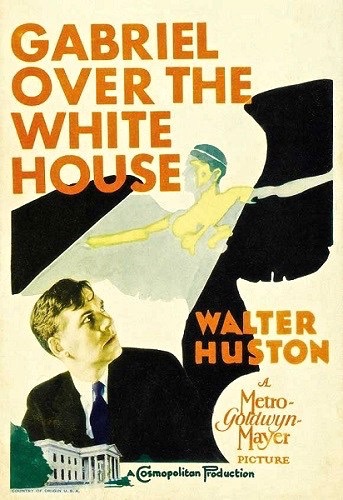
A political allegory that was one of the first films to openly address the problems resulting from the Great Depression, Gabriel Over the White House (1933), directed by Gregory La Cava, takes on such pressing issues as unemployment, homeless people and the rising crime rate in a storyline that comes across like a populist turned fascist fantasy. You also won’t see another Hollywood film from the 20th century in which our fearless leader is viewed by his constituents as either a madman or a messiah.  Continue reading

It Was a Dark and Stormy Night….

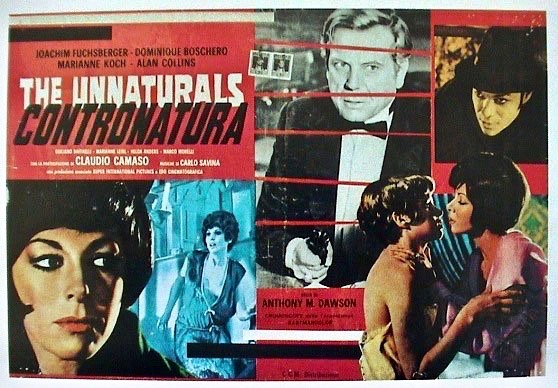
This one sentence synopsis should sound familiar. A group of travelers are stranded during a severe storm at a creepy mansion where the hosts are the most unsettling part of the experience. It’s an audience-pleasing premise has served countless mystery thrillers and horror-comedies from James Whale’s The Old Dark House (1932) to The Rocky Horror Picture Show (1975) to Stuart Gordon’s Dolls (1987). But The Unnaturals (1969), directed by Antonio Margheriti, is one of the few dark and stormy night movies that stands out from the pack by virtue of its genre resistant narrative which begins as a decadent character study, slowly morphs into a supernatural thriller and signs off as an apocalyptic morality tale. Continue reading

Street Corner Confessions

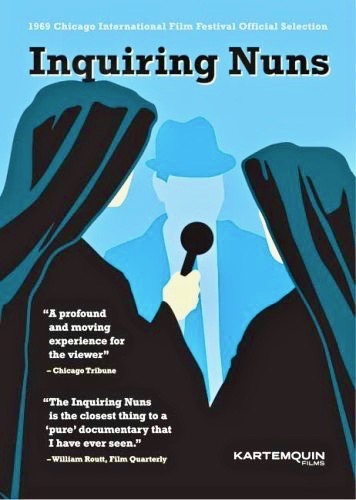
Man-on-the-street interviews can often be unexpectedly hilarious, insightful or surprising if the interviewer is a prankster like Triumph The Insult Comic Dog or a non-traditional reporter such as an anthropologist, professional prostitute or ….a pair of nuns. The latter, in fact, are showcased in the 1968 documentary, Inquiring Nuns, which is not an oddball stunt but a sincere attempt to capture some honest responses about the human condition via two unlikely interviewers. It was produced by Kartemquin Films, the non-profit documentary collective that was founded in 1966 in Chicago by Gordon Quinn, Jerry Temaner and Stan Karter and has produced such acclaimed work as Hoop Dreams (1995), Vietnam, Long Time Coming (1998), the PBS miniseries The New Americans (2004) and The Interrupters (2011). Continue reading

Cinerama Disaster

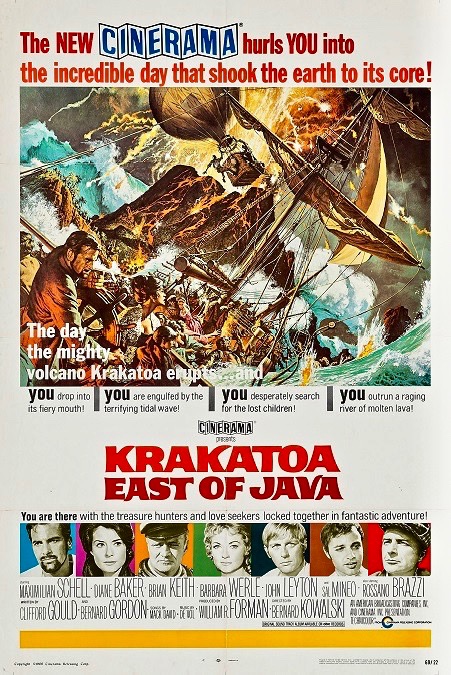
In the disaster film genre, Krakatoa, East of Java (1969) holds the distinction of being the only one presented in the Cinerama widescreen format but is also the most erroneously titled movie of all time. As many historians and movie critics have pointed out, Krakatoa is west of Java but veracity is not one of Hollywood’s strengths in producing historical epics. And Krakatoa, East of Java is not a factual recreation of the famous 1883 volcanic eruption in the Indian Ocean but a lavish B-movie adventure that uses the cataclysmic event only as the background and climactic resolution to its cavalcade of international stars and multiple subplots that play out as pure soap opera.  Continue reading

Two of a Kind

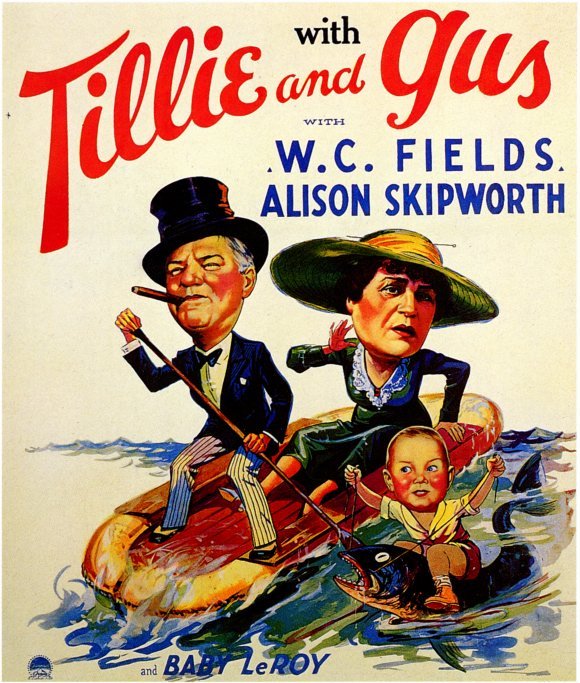
A slice of early Americana. A showcase for some of W.C. Fields’ best gags and funny bits of business. The second screen pairing of two comedic actors that audiences loved seeing together. Tillie and Gus (1933) is all of those plus it marks the first major role of that pesky little Baby LeRoy, soon to be a regular tormentor of Fields. It also includes a scene-stealing trained duck and several eccentric character actors who make perfect foils for the title characters such as Clarence Wilson, George Barbier and Edgar Kennedy. Tillie and Gus might not be my favorite Fields’ movie (that’s a toss-up between The Bank Dick and It’s a Gift) but it is a constant delight and well worth seeing or revisiting for any Fields beginner or hard core fan.  Continue reading

Comic Strip Addiction

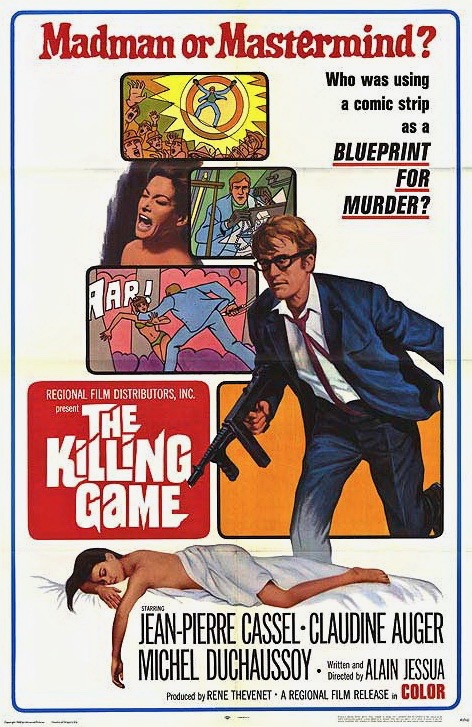
If you went by title alone, Alain Jessua’s Jeu de Massacre (released as The Killing Game in the U.S. and as Comic Book Hero in other territories) suggests it might be a murder mystery or a James Bond-like spy thriller which was still in vogue at the time of the film’s release in 1967. Instead, the film is a witty black comedy about the addictive power of pulp fiction – in this case, a superhero comic book – to ignite dangerous fantasies in readers whose grasp on reality is fragile.   Continue reading

The President We Deserve

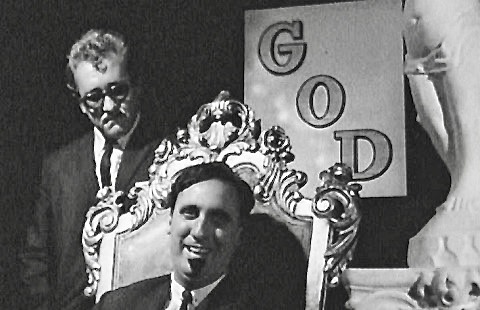
Timothy Carey (on throne) plays a self-proclaimed messiah who starts his own political party in the underground satire, The World’s Greatest Sinner (1962).

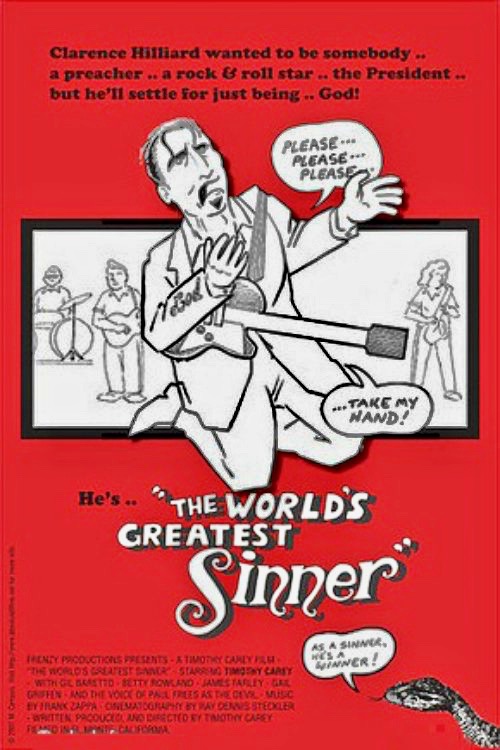
You might not know the name but you know the face. One of the most eccentric character actors in American cinema, he has had the rare distinction of working with everyone from James Dean and Elia Kazan (East of Eden) to Marlon Brando (The Wild One; One-Eyed Jacks) to Stanley Kubrick (The Killing; Paths of Glory) to John Cassavetes (Minnie and Moskowitz; The Killing of a Chinese Bookie) to The Monkees (their feature debut Head) to Mr. T, Bill Maher and Gary Busey in D.C. Cab. Let me add a few more to that already impressive filmography which includes appearing with Clark Gable (Across the Wide Missouri), Francis the Talking Mule (Francis in the Navy) and Shelley Winters and Debbie Reynolds (What’s the Matter With Helen?) and god knows who else. We’re talking about Timothy Carey and probably his greatest role is the one you’ve never seen – The World’s Greatest Sinner (1962).  Continue reading

A Western Greek Tragedy

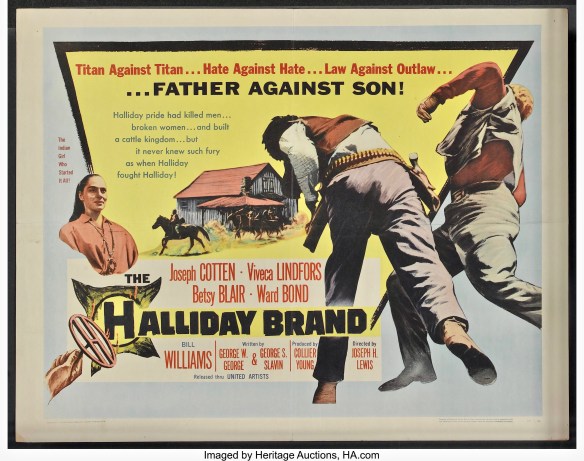
By the 1950s, the popularity of the Western genre was in decline and Hollywood studios tried to revitalize the once box office proof formula by trying everything from Technicolor and Cinemascope visual enhancements to hybrid novelties such as 1954’s Red Garters (a musical with stylized sets) and 1959’s Curse of the Undead (featuring a vampire gunslinger) to topical approaches that reflected a growing interest in psychology such as The Furies [1950] and High Noon [1952]. Into the latter category falls The Halliday Brand [1957], one of the more intense but least well known of the adult Westerns being produced in that era.  Continue reading

The Darling of Berlin

Eva Renzi makes her screen debut as an international model in Playgirl (1966), directed by Will Tremper.

A new kind of female protagonist emerged in the sixties who was free-spirited, independent, hedonistic and willing to exploit her beauty and charm for social advancement without being categorized as a typical prostitute. Audrey Hepburn certainly set the standard as the unconventional Holly Golightly in Breakfast at Tiffany’s (1961) but other famous examples include Julie Christie’s self-absorbed model in Darling (1965) and Genevieve Waite’s wide-eyed waif in Joanna (1968). Lesser known but a distinctly German variation on this prototype is 1966’s Playgirl (also known as That Woman in the U.S.) featuring Eva Renzi in her feature film debut.  Continue reading