Jeanne Moreau is Mata Hari

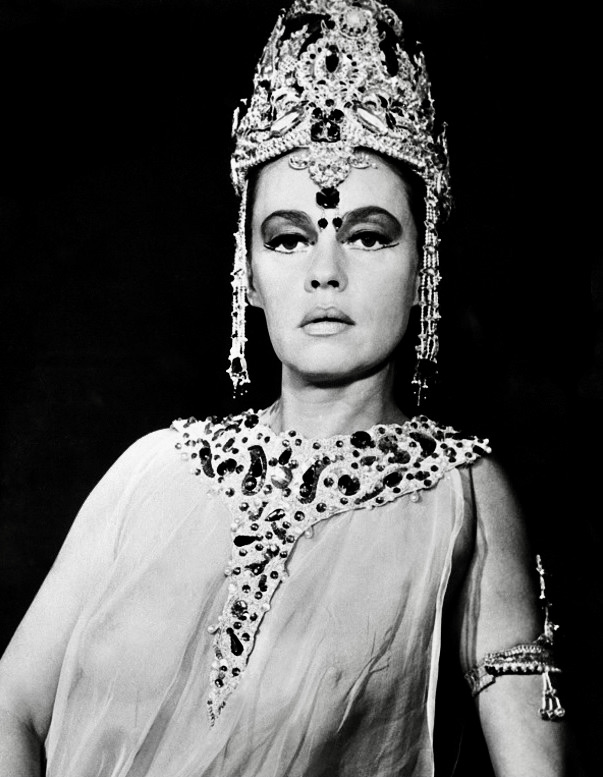
Jeanne Moreau as the famous WWI era spy Mata Hari in Jean-Louis Richard’s 1964 film biography, MATA HARI, AGENT H21.

The road to international fame was a long and arduous journey for Jeanne Moreau but it all began in 1948 when she became a stage actress at age 18. She started appearing in films a year later though it wasn’t until 1958 that she emerged as an important French actress, thanks to two Louis Malle features, the noir thriller Elevator to the Gallows and the scandalous romantic drama, The Lovers. More famous career-defining roles followed such as Michelangelo Antonioni’s La Notte (1961), Francois Truffaut’s Jules and Jim (1962), Jacques Demy’s Bay of Angels (1963) and Luis Bunuel’s Diary of a Chambermaid (1964). Yet, in terms of global recognition, she probably reached her peak in the mid-sixties when she appeared in big-budget Hollywood productions like The Victors (1963), The Train (1964) and The Yellow Rolls-Royce (1964). It was during this period that she appeared in Mata Hari, Agent H21 aka Secret Agent FX18 (1964), one of her least known and rarely seen movies.

Continue reading

Turn On, Tune In, Drop Out

The Hippie movement of the mid-sixties, which first flourished in San Francisco’s Haight-Ashbury neighborhood, has rarely been captured accurately in Hollywood feature films but there have been a few exceptions and one of the most notable is Psych-Out (1968). Filmed on location in San Francisco by cinematographer Laszlo Kovacs, under the director of Richard Rush (The Stunt Man, 1980), the American-International release captures a moment in time as well as any documentary on the same subject. On a visual level, you couldn’t ask for a better snapshot of the period from the clothes to the hair styles to the social behavior and counterculture attitude. Even the now dated hipster jargon, some of which will make you cringe, seems true to the period. If only the musical acts featured had been less a top forty fabrication than the real thing (Only The Seeds have any credibility among the groups on display), Psych-Out might have had a more significant impact upon its release.

Continue reading

The Man With the Codfish Eyes

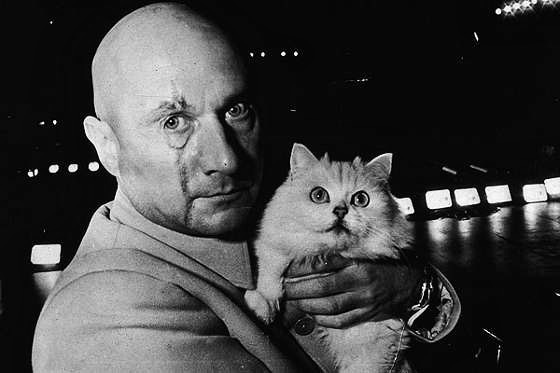
British actor Donald Pleasence has played his fair share of nutters and villains through the years from infamous grave robber William Hare in The Flesh and the Fiends (1960) to Blofeld, James Bond’s nemesis, in You Only Live Twice (1967) to the dangerous religious fanatic in Will Penny (1968) to the insane scientist of The Mutations aka The Freakmaker (1974). At the same time, he has also specialized in playing cold, analytical authority figures who, while on the side of good, is often more unsettling than comforting as in his iconic role as Dr. Loomis in Halloween (1978) and four of its sequels. His portrayal of Dr. Hawley Harvey Crippen, the most notorious murderer of the Edwardian Age, in Dr. Crippen (1963), however, doesn’t really fit into either category and displays yet another side of the Pleasence persona – a quiet, unassertive enigma, a blank slate for us to fill in the details. The eyes, which reveal nothing, seem to look right through you. 

Donald Pleasence as arch villain Blofeld in the James Bond adventure YOU ONLY LIVE TWICE (1967).
Continue reading

Overnight Sensation

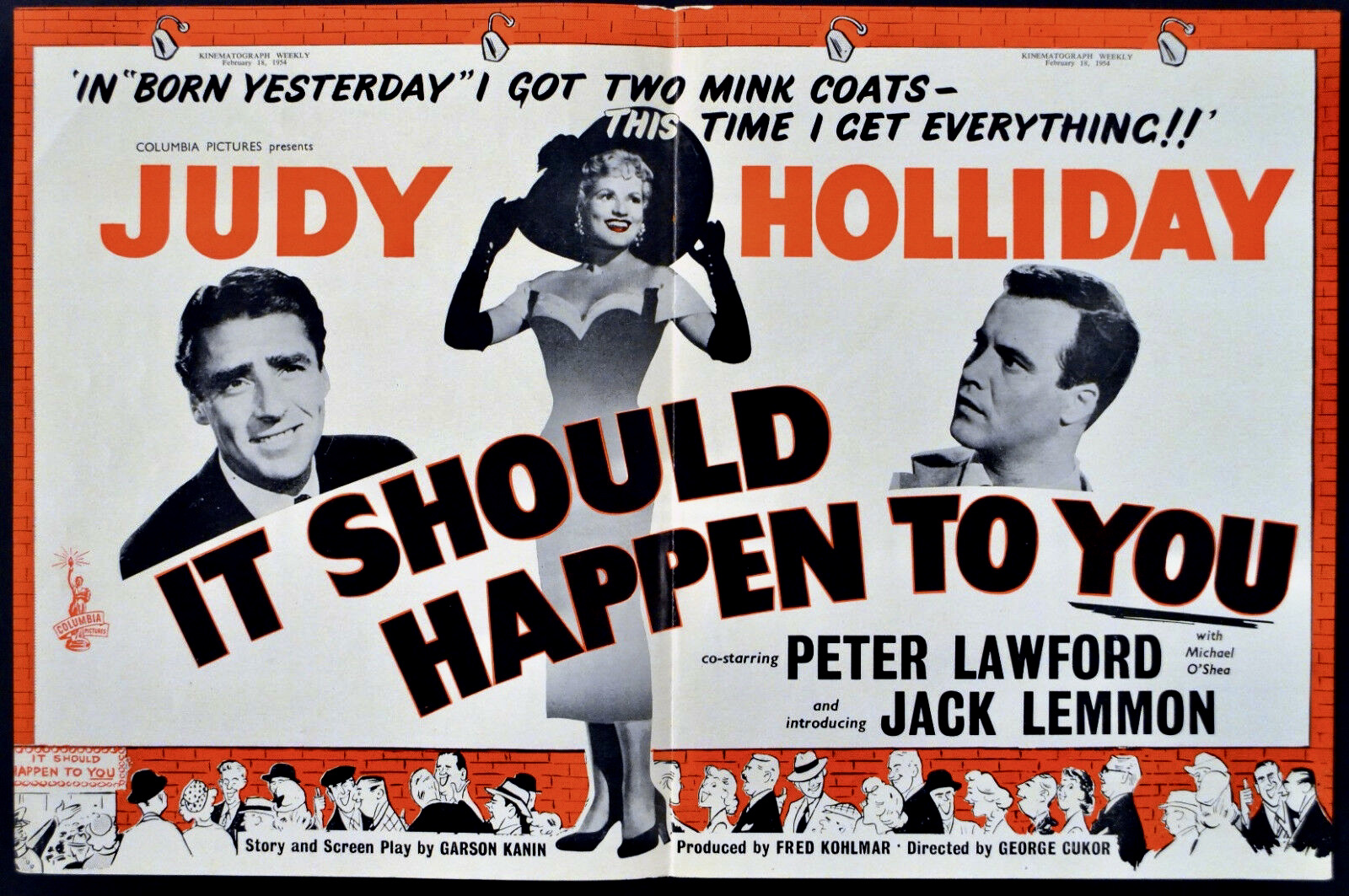
How does one become famous without really having any particular talent or skill? In modern times, you can accomplish this by posting a video on Youtube, Twitter or numerous other social media outlets but it was a lot harder to attract attention in the 1950s. It Should Happen to You (1954), directed by George Cukor, addresses the common fantasy of become famous and idolized by millions at a time when the possibility of an unknown achieving overnight recognition was highly unlikely.

Continue reading

Turkish Delights

The Turkish film poster for THE DEATHLESS DEVIL (1972).

Adventurous film lovers can always rely on Mondo Macabro to expose them to something weird and wonderful like the nutty Indonesian fantasy adventure The Warrior (1981) starring Barry Prima or the diabolically creepy Queens of Evil (1970), an Italian supernatural thriller. Occasionally MM also releases some killer double features such as the twin pairing of the vampire tale Bandh Darwaza (1990) and Purana Mandir (1984) featuring a baby-eating fiend; both of which are featured in Volume 1 of their Bollywood Horror Collection. Still, my favorite double bill from the maverick DVD/Blu-ray outfit is a double dose of Turkish pop cinema that pairs Tarkan vs. the Vikings (1971, aka Tarkan Viking kani), with The Deathless Devil (1973, aka Yilmayan seytan).

Continue reading

What a Piece of Work is Man

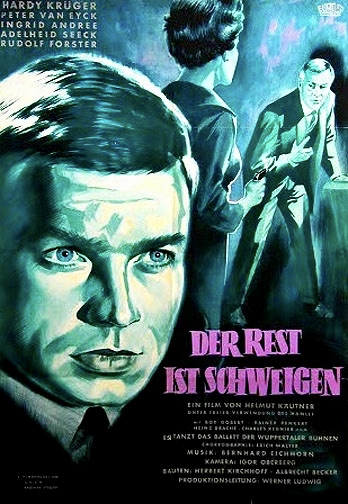
John Claudius, a professor of philosophy at Harvard, returns to his home in Germany after 20 years. As a young boy, he was sent to live with his mother’s relatives in Pittsburgh before World War II broke out. In his absence, his father built a financial empire with his munitions plant and became a respected member of the Nazi party. After Claudius senior was killed in a bombing raid, John’s mother Gertrud married Paul Claudius, the younger brother of her husband. The reason for John’s unexpected visit after 20 years is motivated by suspicions that his father was murdered by Paul and he is determined to learn the truth. Sound familiar? It should because The Rest is Silence (1959, German title: Der Rest ist Schweigen) is a loose adaptation of William Shakespeare’s Hamlet set in a post-WW2 Germany.

Continue reading

How Low Can You Go?

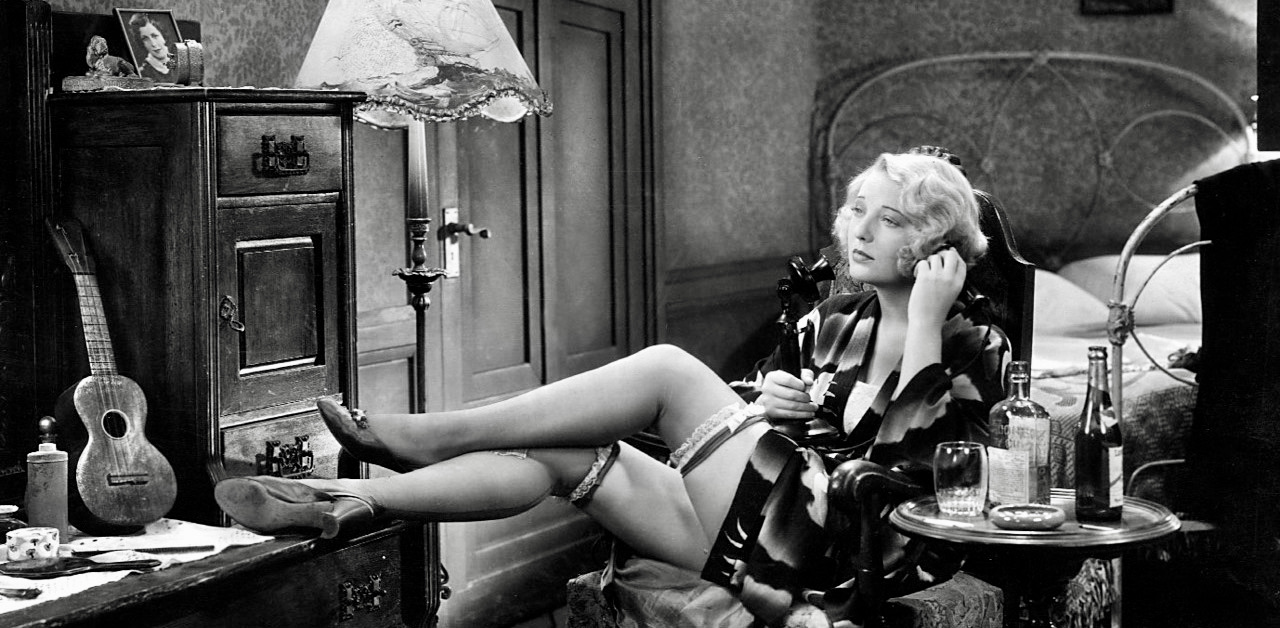
Most classic movie fans are well aware of the impressive and versatile film legacy of William A. Wellman, who directed Wings (1927), the first film to win the Best Picture Oscar in the Academy’s history, as well as bona fide classics like the 1937 version of A Star is Born and the gritty WW2 drama, Battleground (1949). It has only been in recent years, however, that Wellman fans have become acquainted with the groundbreaking Pre-Code dramas he helmed in the early thirties thanks to DVD releases from the Warner Archive Collection.  Outside of occasional airings on Turner Classic movies, most of Wellman’s racy, vibrant work in the Pre-Code era had been unseen for years. But suddenly the floodgates were open and film buffs were finally able to enjoy the eyebrow-raising excesses of Night Nurse (1931), Love is a Racket (1932), Frisco Jenny (1932) and Heroes for Sale (1933), to name just a few. The diamond in the rough for my money though is Safe in Hell (1931), featuring a gutsy, no-holds-barred performance by Dorothy MacKaill. When you see this film, you can understand why the Production Code was created.

Continue reading

12 Italian Directors on 12 Italian Cities

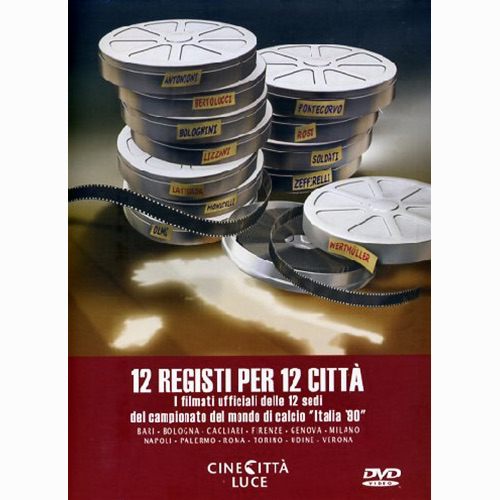
In 1989 Istituto Luce, the oldest public institution devoted to film production, distribution and archival material in Italy, produced an omnibus film consisting of 12 segments entitled 12 Registi per 12 Citta (12 Directors for 12 Cities). A documentary/travelogue hybrid, the film was made as a promotional vehicle in support of the 1990 FIFA World Cup in Rome and part of its intent was to lure tourists to Italy, particularly to the cities showcased in the film.  The title is not completely accurate; thirteen directors, not twelve, contributed to the project if you count Giuseppe Bertolucci, the younger brother of Bernardo Bertolucci, who co-directed the Bologna section with Bernardo. 12 Registi per 12 Citta is also unconventional in its presentation with each director approaching his subject in his own unique way and the selected cities include some offbeat choices like Udine and Cagliari as well as some major omissions. What, no Venice?

Continue reading

Can Robert Loggia Save the World?

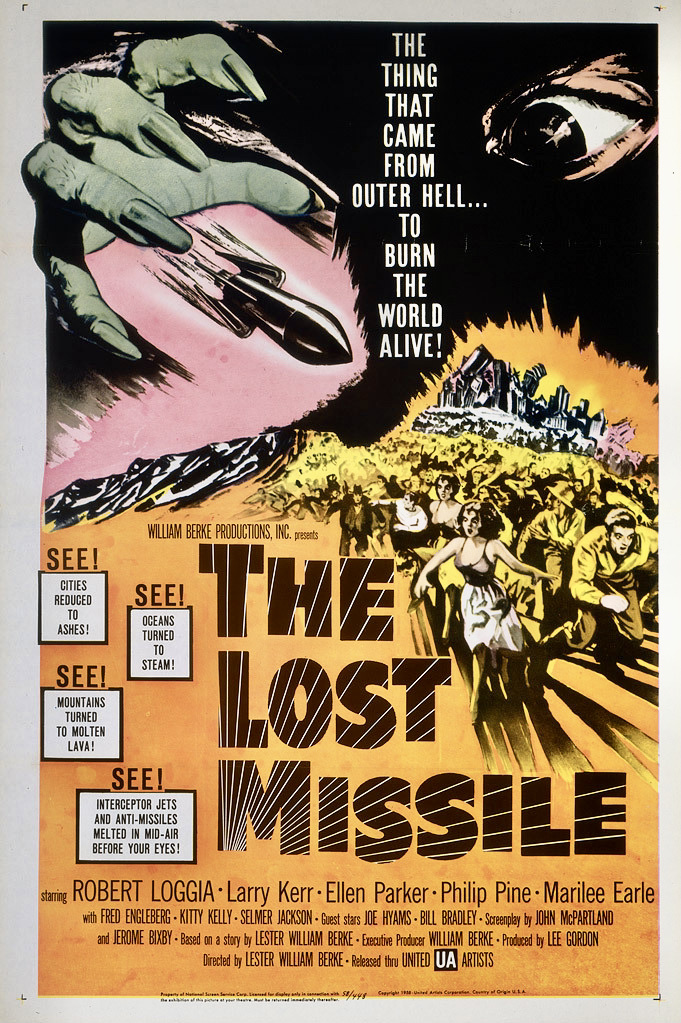
“See cities reduced to ashes! See oceans turned to steam! See mountains turned to molten lava! See interceptor jets and anti-missiles melted in mid-air before your eyes!” These are all taglines from the original poster for The Lost Missile (1958), a relatively obscure sci-fi thriller from the fifties which features Robert Loggia in a rare early starring role.

Continue reading

A Suitable Case for Treatment

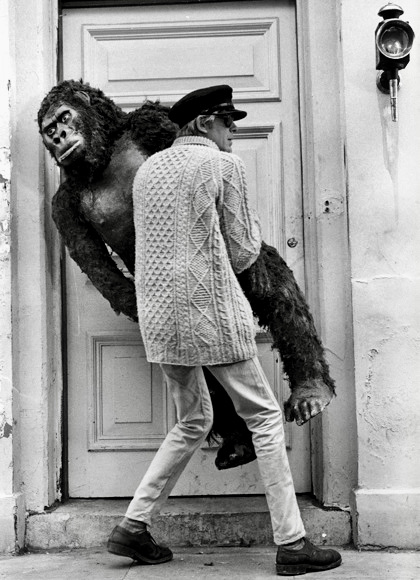
David Warner in Morgan!

Is mental illness a laughing matter? When it comes to cinematic treatments, it all depends on the filmmaker’s approach and this was an issue that divided critics and audiences over Morgan! (1966, released in the U.K. as Morgan: A Suitable Case for Treatment). Whether embraced as a wild, eccentric anti-establishment farce or derided as a schizophrenic mess that can’t decide whether it’s a comedy or a tragedy, Morgan!, remains a polarizing film even today; there is no middle ground here. Most people either love it or hate it.

Continue reading