Unknown's avatar

About JStafford

I am a writer for The Travel Channel, ArtsATL.com, Burnaway.org and other publications. I am also a film researcher for Turner Classic Movies and a member of the Atlanta Film Critics Circle. This blog is dedicated to overlooked, obscure or underrated movies and other cinema topics that I want to share.

Disconnected and Lost in Capri

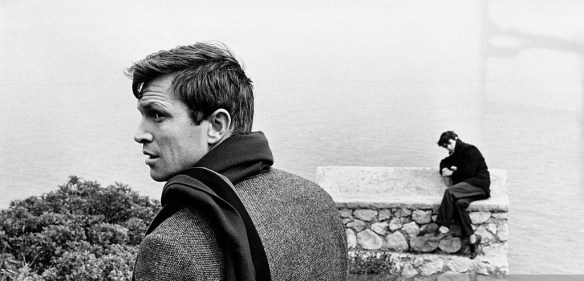
When did alienation in modern society become a favorite thematic concern in the culture and the arts, particularly in the cinema? Certainly the films of Michelangelo Antonioni addressed the inability of people to connect, feel or relate to each other in a post-industrial age world as early as 1957 in Il Grido. But by the early sixties, it seemed as if every major film director in the world was addressing the topic on some level. A general sense of malaise was in the air as if the modern world was having a counterproductive effect on humanity, creating a sense of futility, amorality or complete apathy. You could see aspects of this reflected in Federico Fellini’s La Dolce Vita (1960), Ingmar Bergman’s Through a Glass Darkly (1961), Alain Resnais’s Last Year at Marienbad (1961), Luis Bunuel’s The Exterminating Angel (1961) and Jean-Luc Godard’s My Life to Live (1962). All of these are considered cinematic masterworks of the 20th century but there are also many worthy and lesser-known contributions to the pantheon of alienation cinema and one of the most strikingly is Il Mare (The Sea), the 1963 directorial debut of Giuseppe Patroni Griffi.    Continue reading

Picaresque Americana

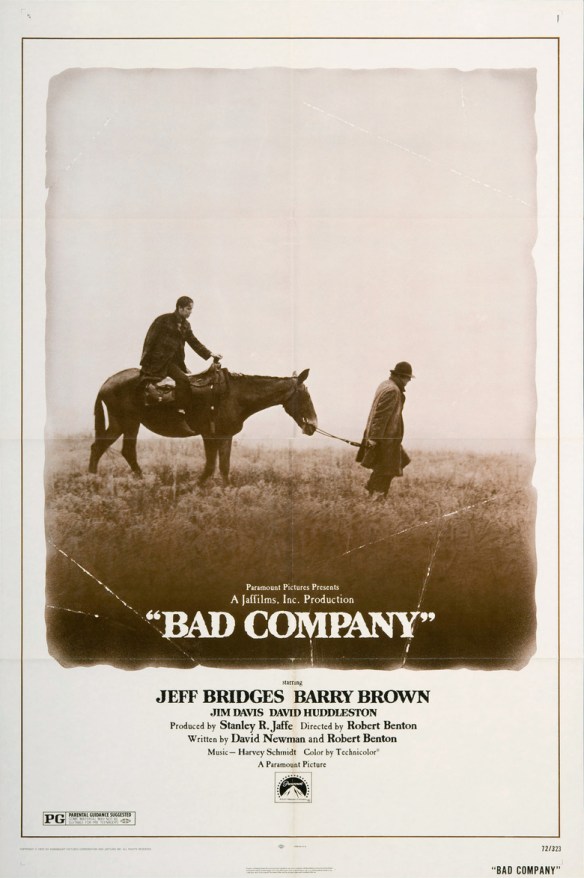
Everyone involved creatively with the making of Arthur Penn’s landmark of sixties cinema, Bonnie and Clyde (1967), benefited greatly from its astounding international success. Certainly the director and all the key cast members saw an immediate acceleration in their careers and it enabled screenwriter Robert Benton to make his directorial debut in 1972 with Bad Company, working from a script he penned with his Bonnie and Clyde writing partner, David Newman. Structured in a manner similar to the Arthur Penn film, it was a picaresque and episodic road movie, set during the Civil War, with an authentic sense of period detail and moments of biting wit and sudden, shocking violence that gave a contemporary edge to the Americana on display.   Continue reading

Battle of the Bands Throwback

Among the many titles being released through the no-frills Warner Archive Collection are a few oddball orphans and obscurities that didn’t get much love the first time around such as 1971’s Dusty and Sweets McGee, a docudrama of Los Angeles heroin addicts, Carny (1980) starring The Band’s Robbie Robertson, Jodie Foster and Gary Busey, the eccentric Italian sci-fi thriller Wild, Wild Planet (1966) and The Cats aka The Bastard (1968), a Eurocrime drama with Rita Hayworth and Klaus Kinski. These are definitely worth a look but the one that has the potential to make you pogo is Urgh! A Music War (1981), a compilation concert film featuring 33 live music acts recorded in different cities in the U.S. (Los Angeles, New York) and Europe (London; Portsmouth, England, Fréjus, France). Some of the more famous groups featured include X, Devo, The Police, The Go-Gos and The Dead Kennedys but there are also now forgotten acts like Chelsea, John Cooper Clarke and The Alley Cats. And for some reason, Splodgenessabounds, who performed “Two Little Boys,” were completely omitted from the Warner Archive DVD-R.   Continue reading

The Age of Assassins (1967)

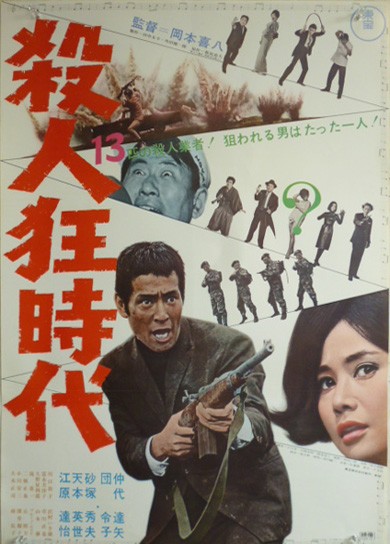
A paranoid conspiracy thriller delivered in a droll tongue-in-cheek style with generous helpings of black comedy and anti-establishment satire doesn’t really fit neatly into any genre and Kihachi Okamoto’s The Age of Assassins (1967 aka Epoch of Murder Madness; Japanese title: Satsujin Kyojidai) was generally dismissed by critics and avoided by audiences when it was first released in the late sixties. Like many of Okamoto’s films, it didn’t receive theatrical distribution outside of its own country and that’s a shame because the film has the essential goods to become a bona fide cult classic on the order of Seijun Suzuki’s Branded to Kill (1967) or Kinji Fukasaku’s Black Lizard (1968). The Age of Assassins arrived at the tail end of the secret agent craze but it is not really a James Bond parody. Think of it instead as a crazy quilt journey through an off-kilter, pop culture universe where no one is who they appear to be.   Continue reading

Reelin’ in the Years with Buck Henry

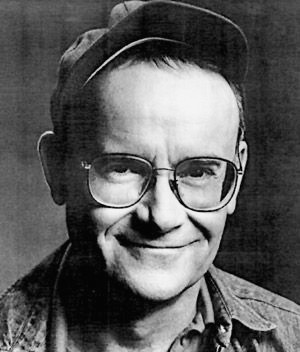
Screenwriter/actor/director/producer Buck Henry

Buck Henry has had a remarkable career in the entertainment industry, one that has encompassed acting, screenwriting, directing, producing and even dubbing foreign language film imports. Not content to sit on his laurels, Henry at age 86 remains active in Hollywood where he is allegedly working on the screenplay to Get Smart 2. His previous assignment was writing the screenplay for The Humbling (2014), a comedy-drama directed by Barry Levinson starring Al Pacino and based on the novel by Philip Roth.

In April 2010, Buck Henry was a guest at the first annual TCM Classic Film Festival in Hollywood and was present at a retrospective screening of The Graduate to answer questions from Vanity Fair contributor Sam Kashner. I conducted the following interview with Henry about his career prior to that festival for Turner Classic Movies.  Continue reading

Jacques Tourneur’s Pulp Fiction Pipe Dream

RKO may have been seen as low on the totem pole in the Hollywood hierarchy compared to MGM, Warner Bros. and other larger studios but their importance in film history is assured by a remarkable roster of talent that at one time included such directors as Orson Welles, Alfred Hitchcock and John Ford. One of RKO’s most famous contractees was Jacques Tourneur who secured his reputation in the forties with Cat People (1942), I Walked With a Zombie (1943), The Leopard Man (1943) and Out of the Past (1947).

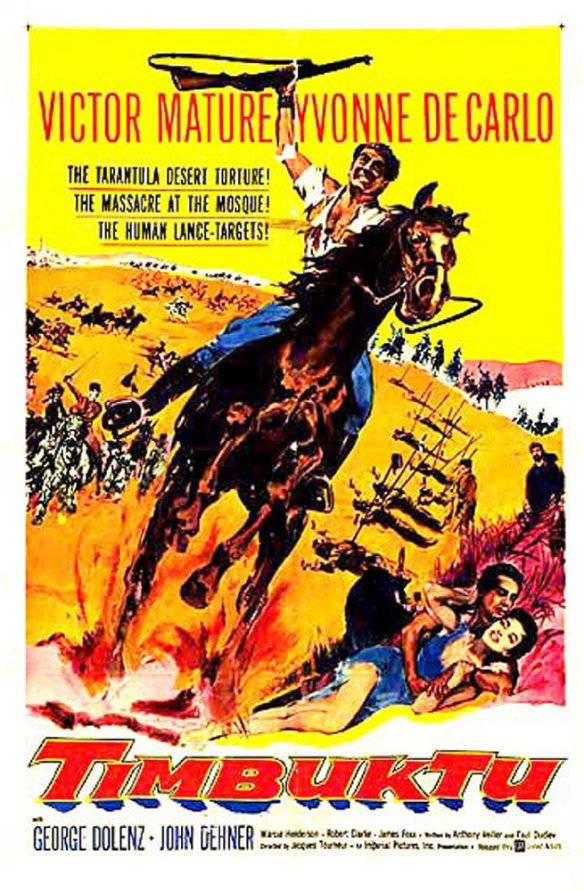
Tourneur’s work in the early to mid-fifties might not have matched his glory years at RKO but he still managed to turn out occasional gems like the underrated Joel McCrea western, Stars in My Crown (1950), a late period noir (Nightfall, 1956) and a cult horror classic, Curse of the Demon (1958). Even the less distinguished films from his final years are worth a look and Timbuktu (1958) is a genuine curiosity, flaws and all.  Continue reading

Love is a Battlefield

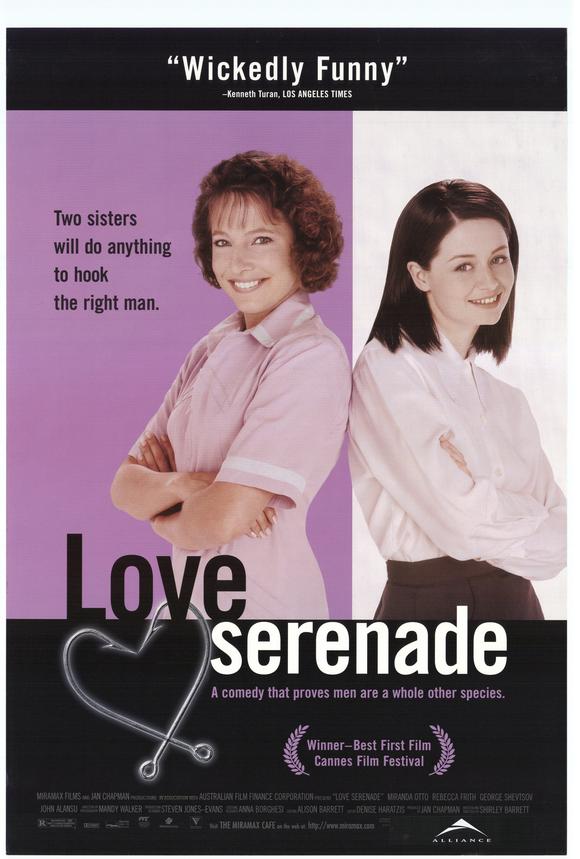
Is there something weird in the water in Australia..or maybe the air is different? All I know is that that culture has produced some of the quirkiest and most unusual films of any country beginning in the seventies with such movies as Peter Weir’s The Cars That Eat People (aka The Cars that Ate Paris, 1974), Stone (1974), and Thirst (1979), and continuing through the ensuing decades with such cult items as Jane Campion’s Sweetie (1989) and Rolf de Heer’s Bad Boy Bubby (1993). More surprising is that a few have gone on to become highly profitable hits in the U.S. such as Baz Luhrmann’s Strictly Ballroom (1992), Muriel’s Wedding (1994), and The Adventures of Priscilla, Queen of the Desert (1994). But one of my favorites – Love Serenade (1996) – didn’t strike box-office gold like the above three titles. It’s a strikingly original black comedy for those who fancy that often unappreciated mixture of the macabre and the comical which is rarely executed with this much wit and verve.   Continue reading

Lee Tracy Does Washington

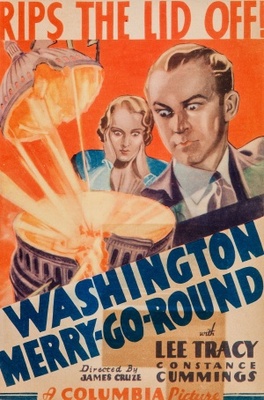
Whenever a repertory cinema like NYC’s Film Forum or a film archive like the George Eastman Museum programs a Pre-Code series you can bet that Lee Tracy is bound to be in a few of the famous titles such as The Strange Love of Molly Louvain, Love is a Racket, Doctor X, Blessed Event (all released in 1932) and Bombshell (1933). He’s also likely to be playing some kind of shady careerist such as a carnival barker, ambulance-chasing lawyer or tabloid newsman. That’s probably due to his legendary performance on Broadway in 1928 as reporter Hildy Johnson in The Front Page, written by Charles MacArthur and Ben Hecht. Unfortunately, he didn’t get to play the role in the 1931 screen version – Pat O’Brien won that honor and Rosalind Russell played the female version in Howard Hawks’ 1940 remake, His Girl Friday – but Fox Pictures realized Tracy’s potential and brought him to Hollywood in 1929.  Continue reading

Ernesto Gastaldi’s Seminal Giallo

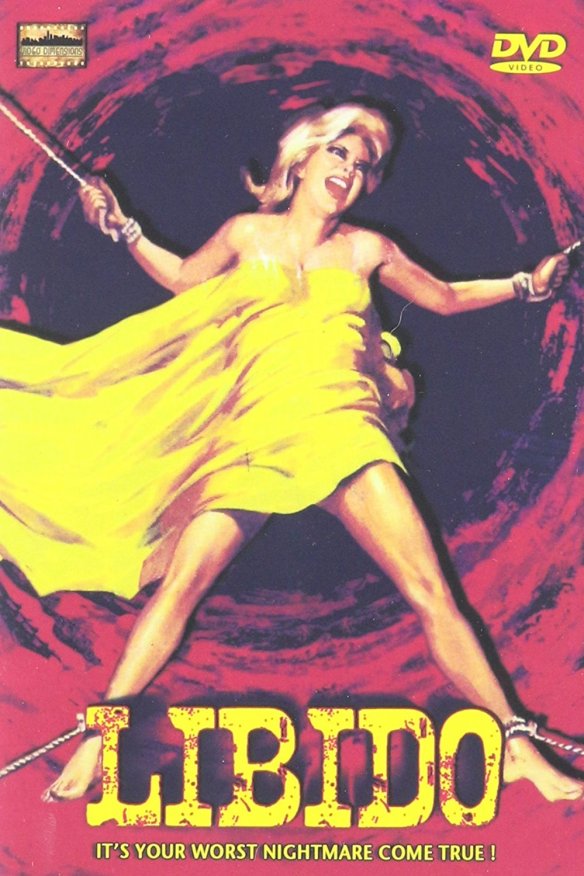
With a tumultuous background of waves crashing against a rocky coast, a descriptive statement from Sigmund Freud on the meaning of libido scrolls down the screen. Part of the Austrian psychoanalyst’s quotation defines libido as “the energy, regarded as a quantitative magnitude… of those instincts which have to do with all that may be comprised under the word ‘love.’” But the film that follows is not about love but rather the perversion of it starting with an opening sequence in which a child witnesses the aftermath of his father’s violent S&M session with a female companion, an incident that scars him for life.     Continue reading

Egypt is No Place for a Satirist

What do you do when your government becomes a military dictatorship and forbids freedom of speech that is critical of the regime? You can fight back with the one non-violent weapon most bullies fear the most – satire. Heart surgeon turned comedian Bassem Youssef knows this is true because he became an overnight sensation in Egypt after launching his own YouTube web series (filmed in his laundry room) that poked fun at his government.

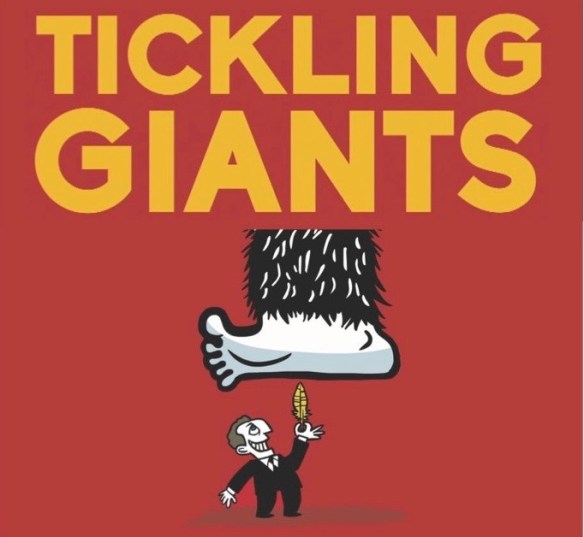
From these humble beginnings to the network launch of his satiric news show Al Bernameg in 2012, Youssef quickly earned a following of 30 million viewers per episode and was soon dubbed “The Egyptian Jon Stewart.” All of this and more is chronicled in the highly compelling documentary Tickling Giants, directed by Sara Taksler and currently in selected screenings across the U.S.

*This is a revised version of an article that originally appeared on ArtsATL.com Continue reading