Unknown's avatar

About JStafford

I am a writer for The Travel Channel, ArtsATL.com, Burnaway.org and other publications. I am also a film researcher for Turner Classic Movies and a member of the Atlanta Film Critics Circle. This blog is dedicated to overlooked, obscure or underrated movies and other cinema topics that I want to share.

Joshua Logan’s Fanny in Cinemascope and Stereophonic Sound

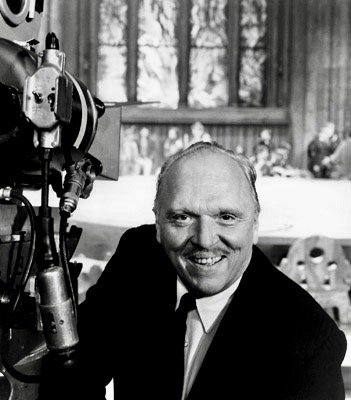
Joshua Logan, director of the Broadway stage musical and the 1961 film version of Fanny, based on the famous Marcel Pagnol trilogy.

The Way It Was Meant To Be Seen! This was allegedly Logan’s proposed marketing tag line for his 1961 film adaptation of Marcel Pagnol’s famous trilogy which included Marius, Fanny and César. More grounded in urban myth than reality, this silly anecdote does call into question how audiences responded to movie marquees displaying the title Fanny. The expensive Warner Bros. production turned out to be a boxoffice hit but it might have sold even more tickets if Logan had called it Leslie Caron’s Fanny. At least in France there was nothing funny about the name. It was in their cultural DNA and was a name with a beloved literary pedigree that went all the way back to 1929 when Pagnol first premiered his play Marius which introduced his colorful cast of characters from the Marseilles waterfront.  Continue reading
Stranger in a Stranger Land

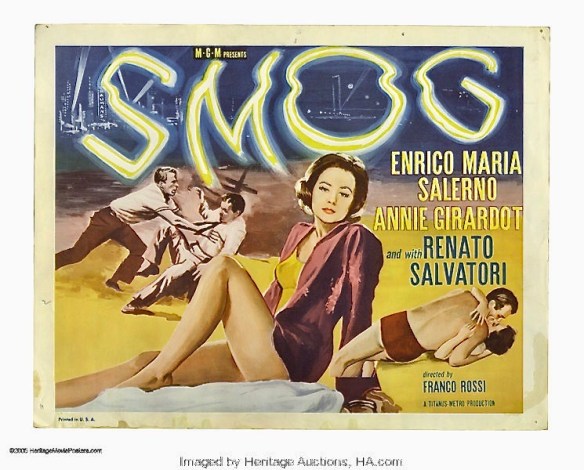
Have you ever felt like you didn’t fit in or were completely out of sync with everyone in your immediate world? That is the existential dilemma that drives the narrative of Smog, a 1962 film from little known Italian director Franco Rossi that depicts a European traveler’s first impressions of Los Angeles.  The man in question is Vittorio Ciocchetti (Enrico Maria Salerno), a lawyer from Rome who arrives at LAX airport en route to Mexico on business, and the title of the film, of course, refers to the toxic mixture of fog and car exhaust that has characterized Los Angeles weather since the 1940s when cars began to clog the streets and freeways of the city.   Continue reading

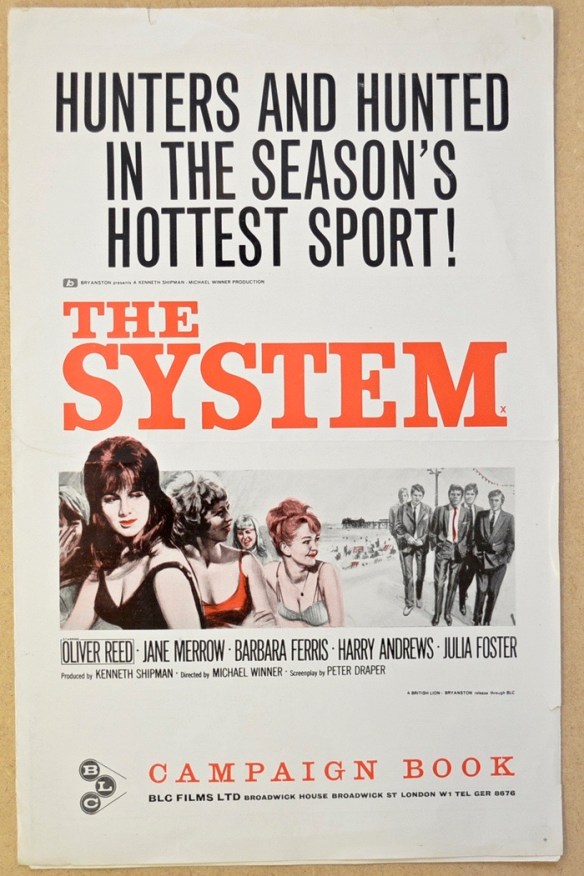
The Hunter Gets Captured by the Game

Released in the U.K. as The System and the U.S. as The Girl-Getters in 1964, this unheralded little gem of a film is not only a vivid snapshot of the swinging sixties but a surprisingly frank and intelligent treatment of sexual gamesmanship and barely disguised class warfare promoted as a typical youth exploitation picture in the style of a “Beach Party” movie by distributor American International Pictures.   Continue reading

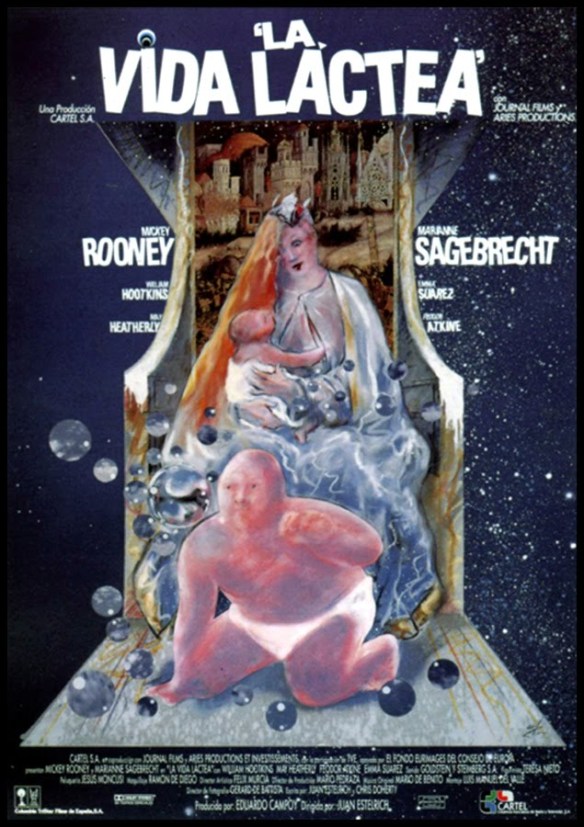
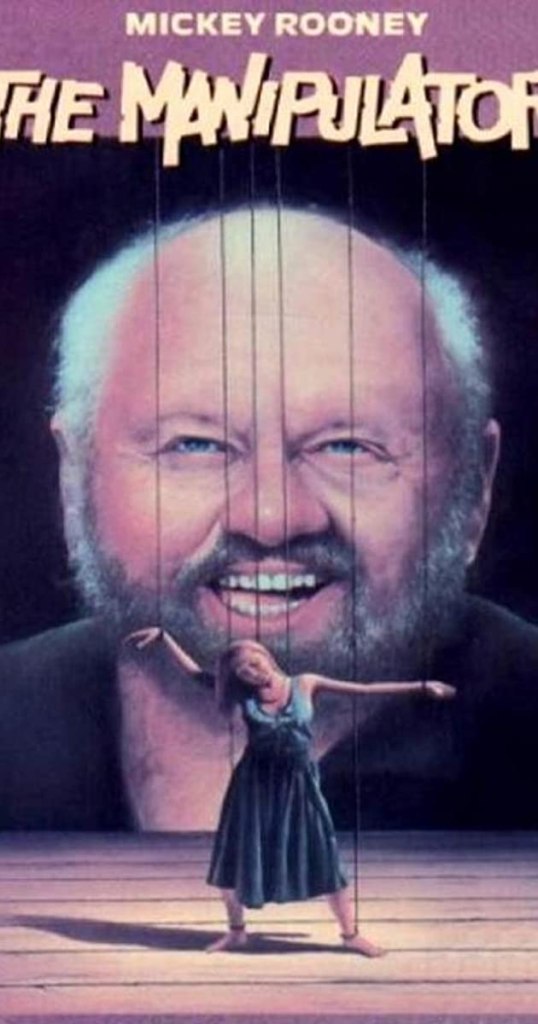
Mickey Rooney Hires a Wet Nurse

In the many peaks and valleys of his long career the Mickster never shied away from taking on difficult or questionable roles in his relentless desire to perform and entertain. While this adventuresome spirit might alienate part of his fan base that prefers to remember him as Andy Hardy or Judy Garland’s musical partner, it has won him an entirely new set of admirers. I’m talking about those who have seen and been amazed by his participation amid those lost post-MGM years in such eclectic fare as The Private Lives of Adam and Eve (1960), Platinum High School (1960), Everything’s Ducky (1961 with Buddy Hackett and a talking duck), Roger Corman’s The Secret Invasion (1964), How to Stuff a Wild Bikini (1965), the Mafia-Hippie-LSD comedy Skidoo (1968), and 1971’s The Manipulator (aka B.J. Lang Presents), where he plays a psychotic former director living in an abandoned warehouse with a female captive.

Rooney’s energy, range and versatility are truly awe-inspiring from his desperate loser of Quicksand (1950) to his subtle, moving portrayal in Requiem for a Heavyweight (1962) to his unexpected cameo in Babe: Pig in the City (1998). But I’m willing to bet that La Vida Lactea (aka The Milky Life), made in Spain in 1992, is probably the weirdest thing he’s ever done and very few people have seen it.  Continue reading

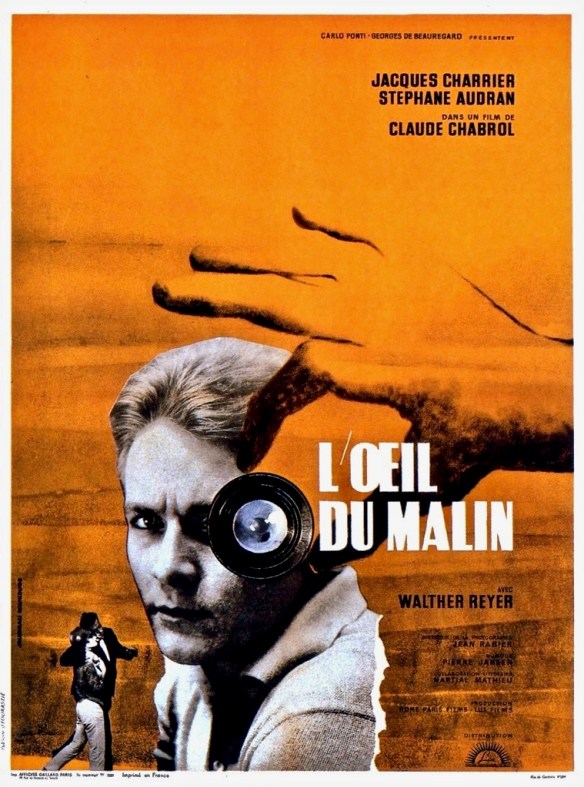
Claude Chabrol: The Eye of Evil

Among the French New Wave directors, Claude Chabrol was the most prolific filmmaker after Jean-Luc Godard but his work was always divided between personal projects and commercial vehicles which he felt obligated to make so he could finance the former. Unfortunately, most of his “for hire” projects like Code Name: Tiger (1964) and Who’s Got the Black Box? (1967) were not successful with the public and ended up adversely affecting his reputation among film critics after his acclaimed film debut, Le Beau Serge (1958). Although he enjoyed a major comeback in the late sixties-early seventies with such well-received efforts as Les Biches (1969), La Femme Infidele (1969) and Le Boucher (1970), the films he made between 1959 and 1967 were mostly regarded as minor or flawed works by French critics, which hurt their distribution chances outside of France. One title that fell through the cracks and is now being reassessed as one of his most important early works is The Third Lover (1962), which was released on Blu-Ray in late February of 2020.   Continue reading

Mambo Madness

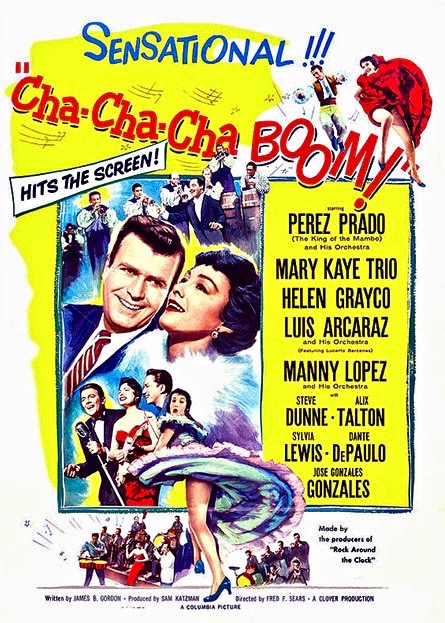
From the mid-fifties to the mid-sixties, if there was a dance craze or a musical trend, producer Sam Katzman was there to exploit it in low-budget B-features targeted for teenagers in saturation bookings at drive-ins and movie houses. Many of these were directed by Fred F. Sears and the plotlines were minimalistic and interchangeable from film to film but the musical acts featured were usually first rate and today serve as wonderful time capsules of their era. Rock Around the Clock (1955), showcasing rock ‘n roll pioneer Bill Haley and His Comets, was Katzman’s first major hit in this new “youth market” genre and he followed it up with Cha-Cha-Cha Boom! (1956) in order to capitalize on the current popularity of the Cuban and Latin music sweeping the nation.   Continue reading

Swimming with Polar Bears

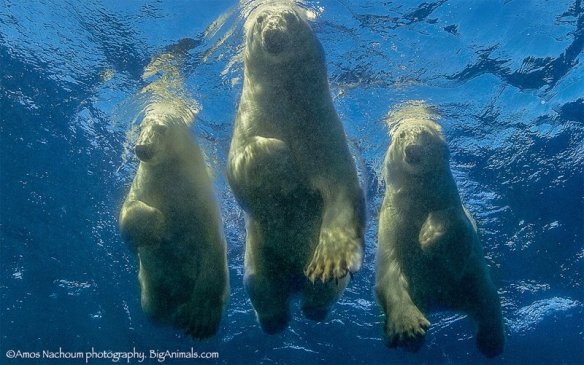
A stunning sequence from the 2019 documentary, Picture of His Life about underwater photographer Amos Nachoum.

Swimming with dolphins is a lifetime dream for some people and they can realize it at several destinations around the world for a price like Orlando, Cancun and the Bahamas. But who in their right mind would want to swim with polar bears? Wildlife photographer Amos Nachoum does. His obsession with this quest and the realization of it is the central focus of Picture of His Life (2019), a documentary by Dani Menkin and Yonatan Nir.  Continue reading

Before Bogart Became Bogie

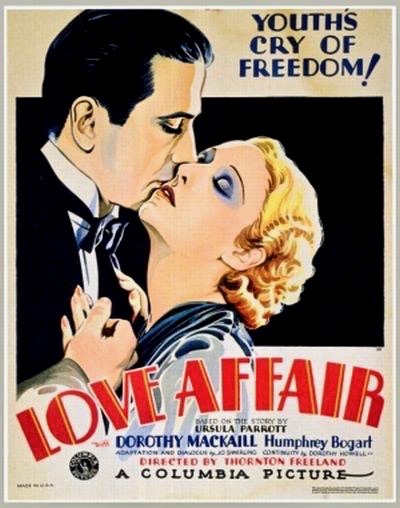
For that small number of gifted actors who become screen legends, the path to stardom is rarely predictable. Sometimes it’s a case of pure luck. Other times it’s achieved after years of honing their craft and screen persona through hard earned experience. I can’t think of a better example of the latter than Humphrey Bogart who made twelve films (two of them short subjects, 1928’s The Dancing Town and 1930’s Broadway’s Like That) before his breakout supporting role as the vicious gangster Duke Mantee in The Petrified Forest (1936). The irony is that despite playing that same character on Broadway where he won unanimous critical acclaim, Warner Bros. wanted Edward G. Robinson for the role. If it hadn’t been for the film’s star, Leslie Howard, who played opposite Bogart on Broadway and demanded that he be cast in the film or he would quit, Bogart might not be as famous today.  Continue reading

To Look or Not to Look

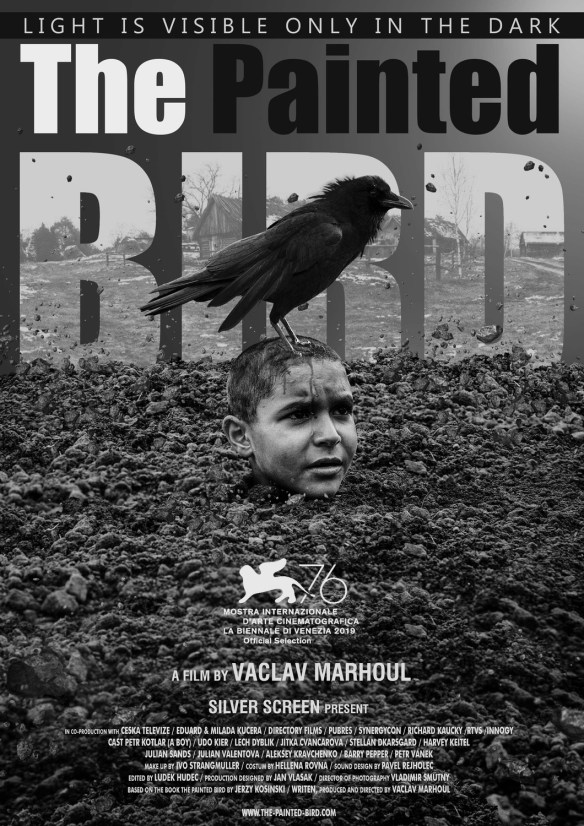
Have you ever had to look away from the screen while watching a movie because you couldn’t bear to see what happened next? Do you have a threshold tolerance level of what you will watch before you become outraged or repulsed and walk out of a film? There have certainly been controversial movies over the years – both art and exploitation features – that have tested the limits of what viewers will watch. Lars von Trier’s Antichrist (2009), Gaspar Noe’s Irreversible (2002), Meir Zarchi’s I Spit on Your Grave (1978), Nagisa Oshima’s In the Realm of the Senses (19776), Pier Paolo Pasolini’s Salo, or the 120 Days of Sodom (1975), and Wes Craven’s The Last House on the Left (1972) are just a few of the more famous offenders that have provoked heated debates over censorship and creative expression. We now have a new test case – The Painted Bird (2019), Czech filmmaker Vaclav Marhoul’s big-screen adaptation of Jerzy Kosinski’s dark masterpiece from 1965.   Continue reading

Vagabond Screwballs

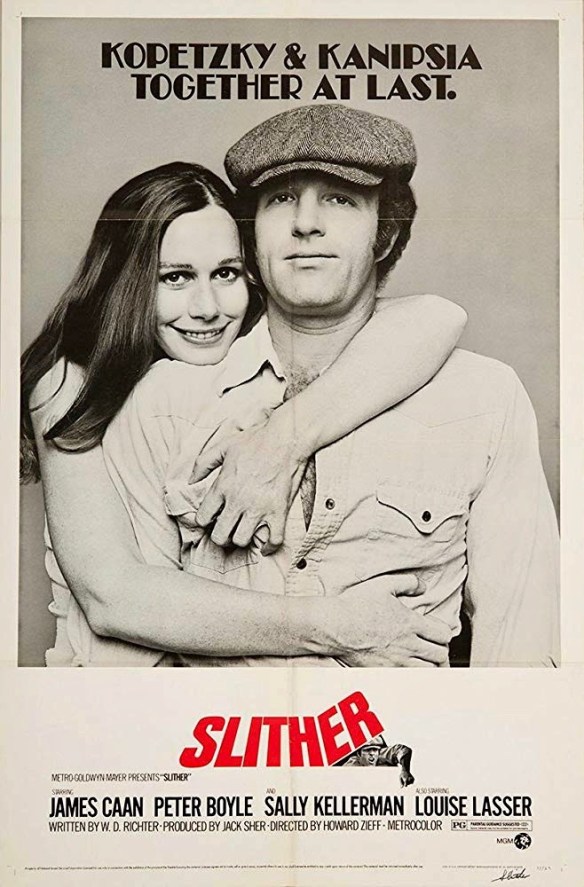
Slither (1973) is a film of firsts in many ways. It marked the directorial debut of Howard Zieff, who would go on to become one of the most sought-after comedy directors in Hollywood during the ’70s (Hearts of the West [1975], House Calls [1978], Private Benjamin [1980]). It featured the first screenplay by W. D. Richter who would later pen the 1978 remake of Invasion of the Body Snatchers, the 1979 remake of Dracula, and Brubaker [1980] as well as direct the cult film, The Adventures of Buckaroo Banzai Across the 8th Dimension [1984]. And it was James Caan’s first starring role after his critically acclaimed success in The Godfather [1972] and the beginning of his reign as a Hollywood leading man after struggling to break through in smaller scale movies like Rabbit, Run [1970] and T.R. Baskin [1971].   Continue reading