There are good cults and bad cults and the cult of Kaze is a bit of both worlds. Not really a recognized cult, it is instead an informal club of ten women who are united in sisterhood over a common cause which they hope will result in their liberation from a certain Mr. Kaze, a handsome, successful executive in the television industry. The bad part of their mutual solidarity is that the women want Kaze to die and they aim to kill him. Why? Because nine of the women have had affairs with and been discarded by this man and the tenth woman, Futaba Kaze, is his wife and has suffered from his serial unfaithfulness for years. As you would expect from this set-up, Kuroi jûnin no onna (The English title translates as Ten Dark Women or Ten Women in Black), directed by Kon Ichikawa in 1961, is a feminist revenge film but it is also so much more than that.
Continue readingAuthor Archives: JStafford
The Forgotten War
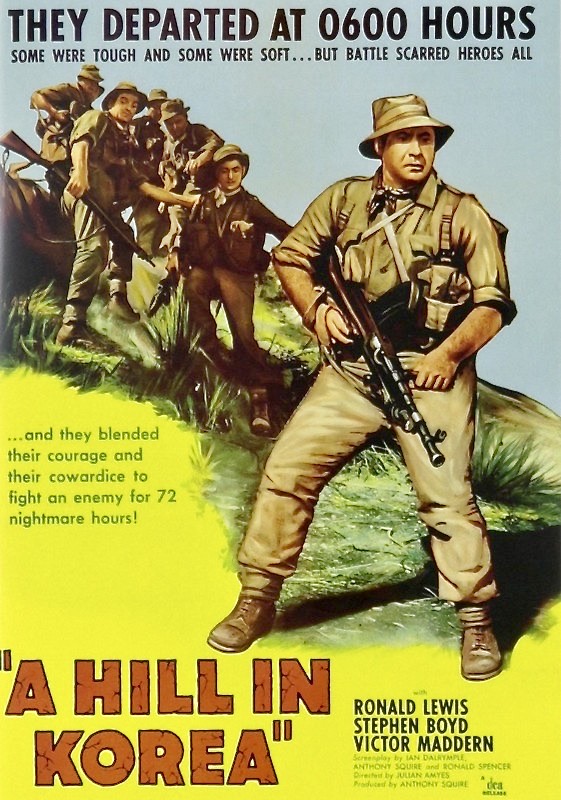
Hell in Korea (1956, British title: A Hill in Korea) may sound like a composite of a lot of platoon-in-jeopardy war movies from The Lost Patrol [1934] to Pork Chop Hill [1959]. Unlike the latter film, which was also set during the Korean War and depicted embattled U.S. soldiers trying to hold a strategic military position, Hell in Korea has the distinction of being the first U.K. production about the conflict which lasted from 1950-1953 and is interesting for its point of view which combines gung-ho jingoism with the grim realities of war.
Continue readingToo Chicken to Watch This Giallo?

Maybe giallo is too specific a film genre for this movie because it is in a class of its own and works as a violent crime thriller but also as an erotic melodrama, black comedy and a satire on scientific experimentation and marketing. If you tried to describe the movie to friends they’d probably swear you dreamed it or are running a high fever but no, this bizarre, fascinating and once obscure giallo actually exists in various titled versions. The original Italian release title was La Morte Ha Fatto L’uovo (1968), but it has been distributed under such monikers as Plucked!, A Curious Way to Love and Death Laid an Egg, which is the more common title. So what’s with the chickens? The film is set, for the most part, in a poultry factory where a new breed of chicken is being produced in an experimental lab. The opening credits, featuring science classroom footage of egg fertilization, embryos and microscopic life forms prepare you for this strange new world.
Continue readingEast German Film Rarities
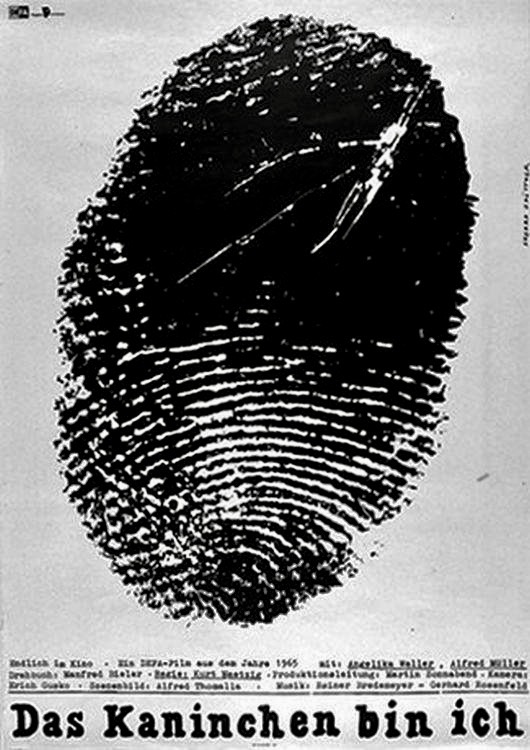
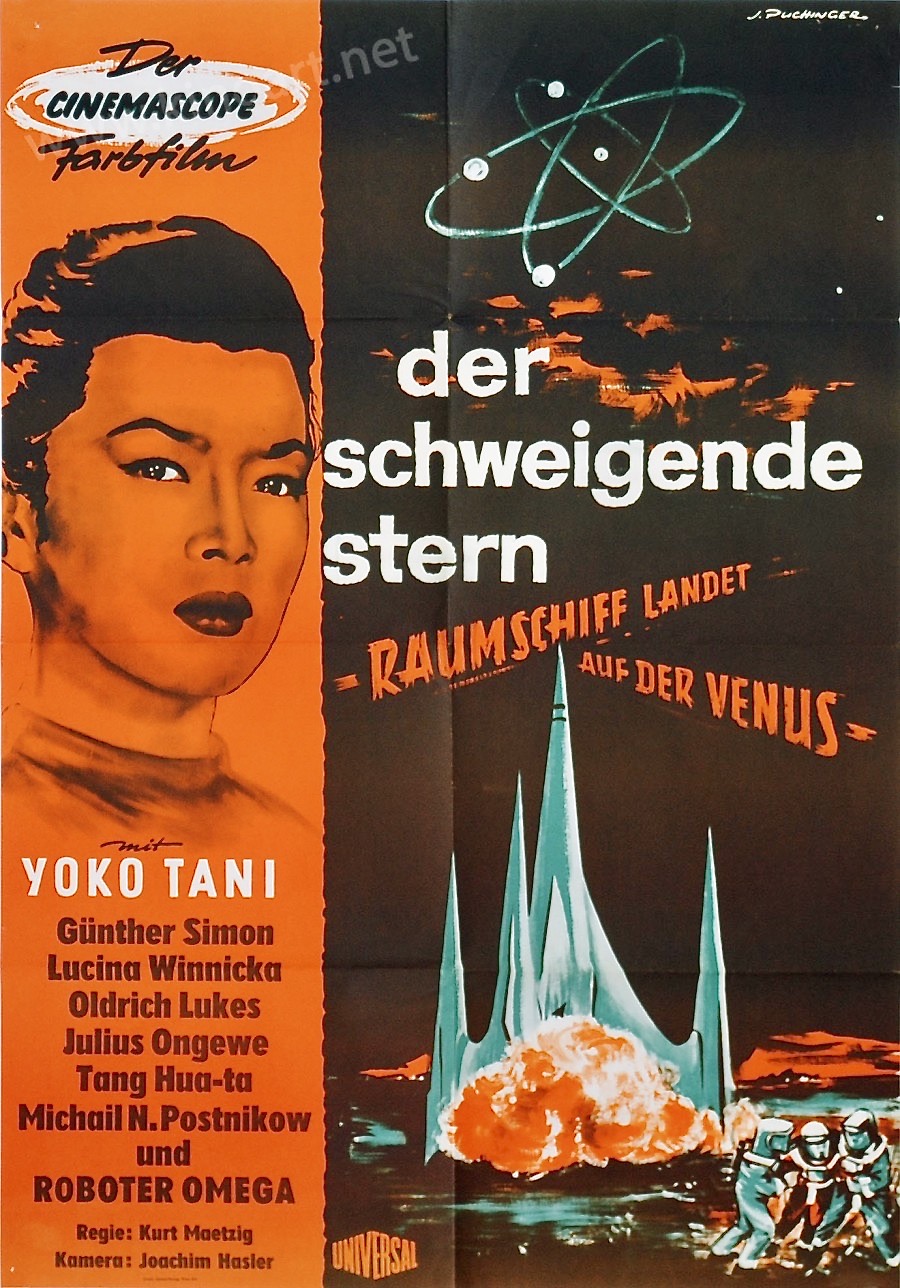
While most hardcore film buffs are well versed in the movies of Fritz Lang, Robert Siodmak, F.W. Murnau and their latter compatriots Werner Herzog, R.W. Fassbinder, Wim Wenders and Volker Schlondorff, directors such as Kurt Maetzig, Joachim Kunert and Gerhard Klein are completely unknown or unfamiliar to Western audiences for an obvious reason. They worked for DEFA (Deutsche Film Aktiengesellschaft), the nationalized film industry of East Germany, and as a result, very few of their movies were distributed outside of socialist countries during the Cold War Era when DEFA was in its prime. A rare exception was Kurt Maetzig’s Der Schweigende Stern aka The Silent Star, a science fiction adventure which was released in the U.S. in an edited, English dubbed version as First Spaceship on Venus in 1962. Much more complex and thematically intriguing is Maetzig’s Das Kaninchen Bin (English title: The Rabbit is Me, 1965) along with Joachim Kunert’s Das Zweite Gleis (English title: The Second Track, 1962) and Gerhard Klein’s Die Fall Gleiwitz (English title: The Gleiwitz Case, 1961).
Continue readingDown the Rabbit Hole
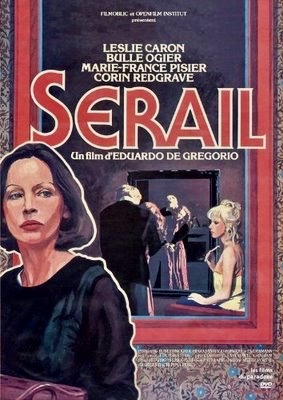
“Curiouser and curiouser,” the famous phrase from the Lewis Carroll classic Alice in Wonderland spoken by the heroine, could easily apply to Sérail aka Surreal Estate (1976), the directorial debut of Argentinian screenwriter Eduardo de Gregorio, who is better known as the co-writer of such films as Bernardo Bertolucci’s The Spider’s Stratagem (1970), Jacques Rivette’s Celine and Julie Go Boating (1974) and several other movies by Rivette. The English title Surreal Estate gives you the impression that this movie (filmed in France) is not going to be a reality-based narrative but that depends on the viewer’s interpretation of what they are seeing. To be clear, Sérail functions on several levels. It might be a ghost story or an unsolved mystery or a writer’s fanciful account of an actual event that occurred during his house hunt for a second home in the French countryside.
Continue readingOscar Oddities, Part 2
Not all Oscar nominations are for big budget, prestigious studio pictures like Ben-Hur (1959), The Best Years of Our Lives (1946) and Gone With the Wind (1939), and we’re here to offer further proof, as we did in Oscar Oddities, Part 1 (which covered 1999 -1960), that sometimes flukes and unexpected surprises can and do occur. If a poverty row studio like PRC (Producers Releasing Corporation) can break into the honored inner circle with Academy Award nominations for a tough little no-budget crime drama like Why Girls Leave Home (1945), anything can happen.
Continue readingOscar Oddities, Part 1

Every year in the annual Oscar race there are always a few surprises, head scratchers or genuinely odd contenders that make you wonder how they were ever selected. Was it politics? Was it a fluke? Did good taste or bad taste actually triumph? Here is a list of my favorite oddities, some of which deserved their nomination though I never expected the Academy to acknowledge them because they were either low-budget indies, big budget genre pictures or under the radar movies that were barely noticed by moviegoers. I’m using the 1990s as my starting point and working backwards from there, cherry picking specific Oscar races, since most of the more interesting anomalies occurred prior to the 21st century.
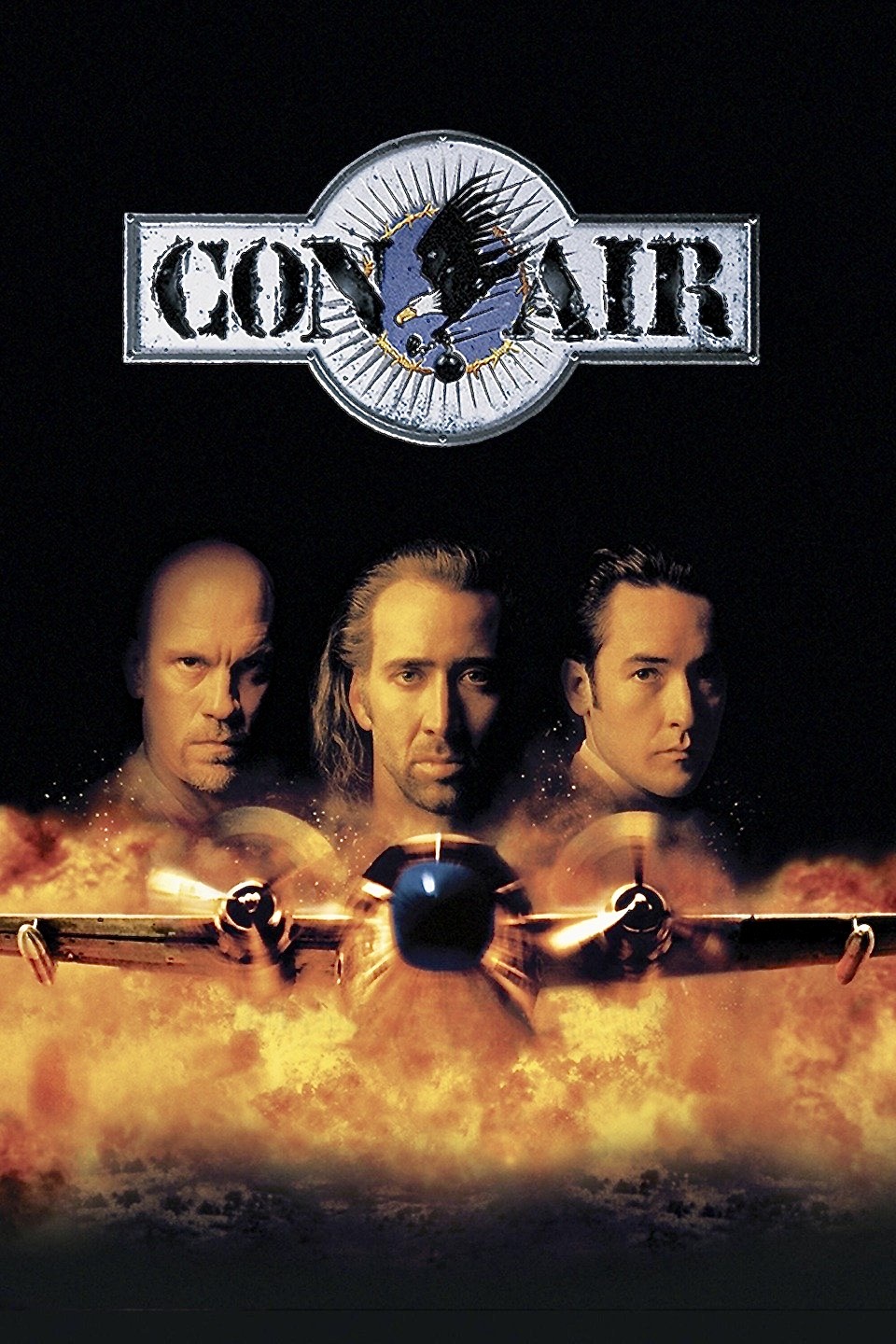
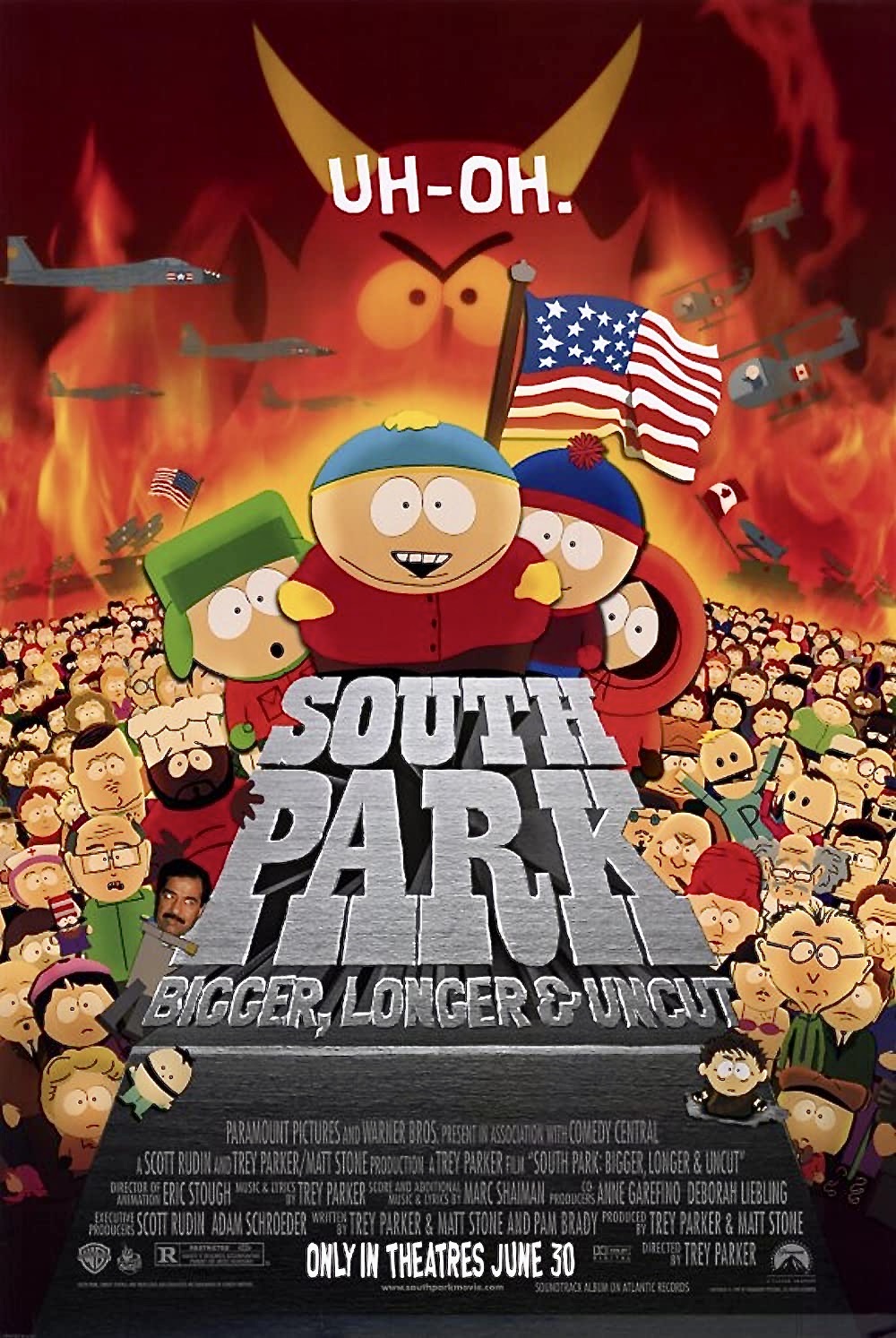
Yes, there have been a few unexpected contenders since then such as 2000’s strange and mesmerizing Shadow of the Vampire (nominated for Best Supporting Actor – Willem Dafoe) and Hustle & Flow featuring the Oscar winning Best Original Song of 2005 – “It’s Hard Out Here For a Pimp.” In fact, the Best Original Song Oscar category is usually the place to look for oddball entries such as “Blame Canada” from South Park: Bigger, Longer & Uncut (1999) by the demented director-writer team of Trey Parker and Matt Stone or “How Do I Live,” written by Diane Warren and performed by Trisha Yearwood in Con Air (1997), an outrageous over-the-top action thriller from producer Jerry Bruckheimer. But, in general, the Academy Award nominations from 1999 on back to the beginning were quirkier and more fun.
Continue readingCarlos Enrique Taboada’s Poison for the Fairies
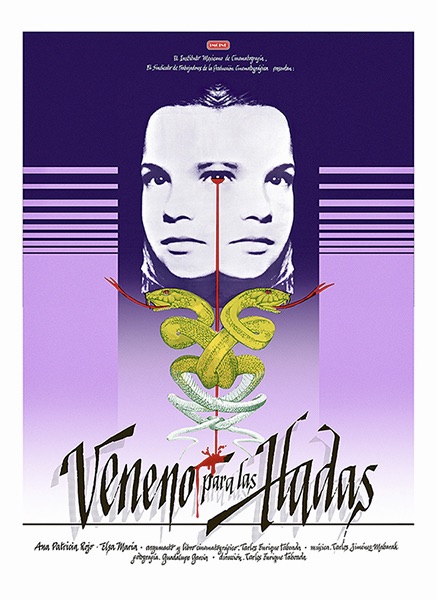
Most film historians point to a timeline between 1957 through 1967 as the Golden Age of Mexican horror cinema. This was a period that produced such iconic titles as El Vampiro (1957), The Black Pit of Dr. M (1959), The Brainiac (1962) and Dr. Satan (1966). The country’s film industry continued to make horror and fantasy films through the seventies and beyond, of course, but the majority of them tended to be cheaper productions in which masked wrestlers like Santo and Blue Demon battled a variety of monsters. A welcome exception to this popular but overworked formula are the horror films of Carlos Enrique Taboada, which were more subtle and suggestive in comparison like the atmospheric chillers Val Lewton produced for RKO Pictures in the forties. An outstanding example of Taboada’s original approach to the genre is Veneno para las hadas (English title: Poison for the Fairies, 1986), which is less of a supernatural thriller and more of an exploration of evil in the tradition of The Bad Seed (1956) and The Other (1972).
Continue readingThe American Dream Gone Wrong

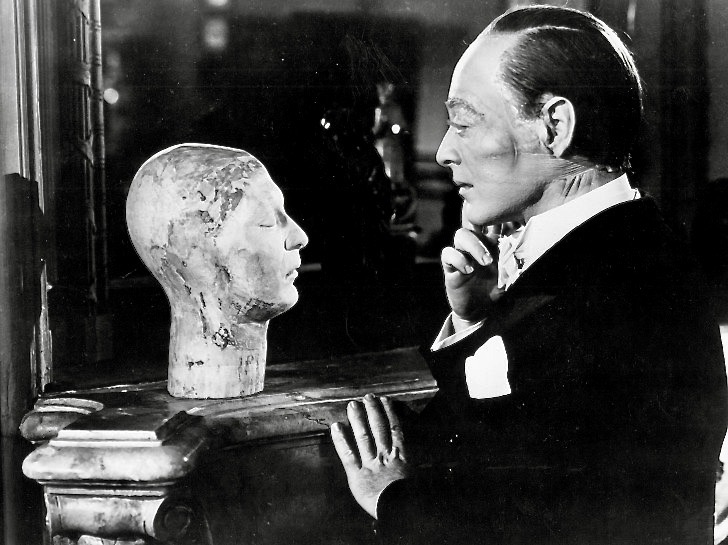
Films about the immigrant experience in the United States often run the gamut from comedy (Coming to America, Moscow on the Hudson) to historical depictions (Hester Street, The New Land) to autobiographical dramas (Elia Kazan’s America, America) and even horror films such as Netflix’s 2021 thriller, No One Gets Out Alive. Still, one of my favorite movies about a foreigner’s adventures on these shores is The Face Behind the Mask (1941), which stars Peter Lorre as an Eastern European refugee looking to start a new life in New York City.
Continue readingArt Direction by Antonio Gaudi

Anyone who has seen a few movies filmed in Barcelona, Spain, has undoubtedly caught a glimpse or maybe even a close-up of one of the architectural wonders created by Antoni (aka Antonio) Gaudi or one of his contemporaries such as Lluis Domenech I Montaner or Josep Puig I Cadafalch in the “Modernisme” movement of 1888-1911. This brief period resulted in awe-inspiring buildings and structures with designs based on organic forms or taken directly from nature – beehives, mushrooms, stalactites – that broke away from conventional design and accented curves and rich ornamentation (broken pieces of colorful ceramic tile worked into wall mosaics). This unique architectural style is an art director’s dream and a natural for the screen, which is why it has been the co-star in countless movies filmed in Barcelona such as Susan Seidelman’s Gaudi Afternoon (2001) and L’Auberge espagnole (2002), in which Gaudi’s still-in-progress La Sagrada Familia (it was started in 1883) is prominently featured.
Continue reading