
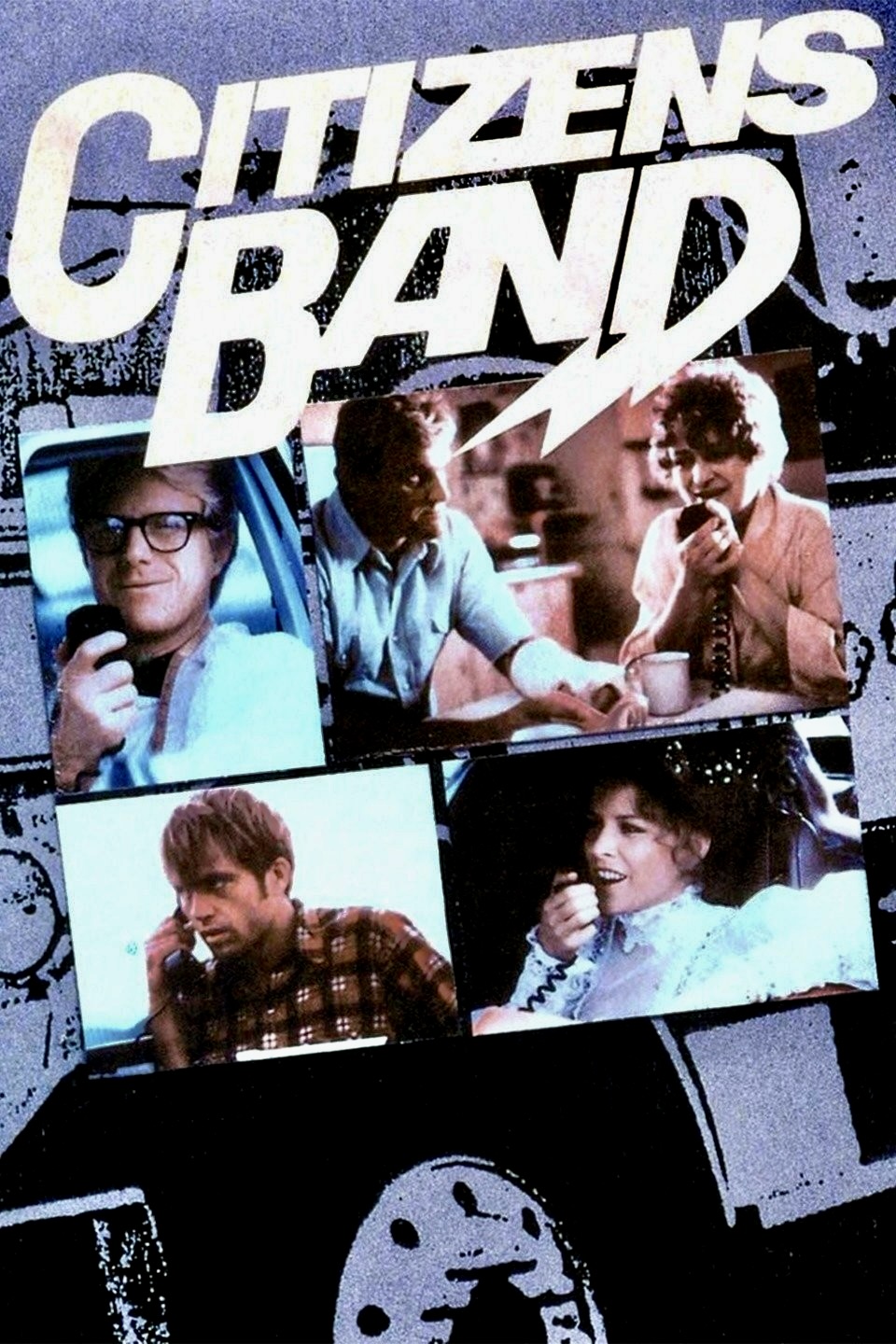
Does anyone remember the CB radio craze of the 1970s? It now looks like some strange cultural aberration in hindsight but it lasted for about eight years and was at the height of its popularity between 1974 to 1977. The CB radio lifestyle and its terminology infiltrated pop culture and was celebrated in top forty songs like C.W. McCall’s “Convoy” (1975) and Jerry Reed’s “East Bound and Down” (1977) and in TV series such as Movin’ On (1974-1976) and B.J. and the Bear (1979-1981). The craze was also a ubiquitous presence in movies, often driving the narrative in such drive-in fare as C.B. Hustlers (1976) and High-Ballin’ (1978) as well as Smokey and the Bandit, the number four box office hit of 1977. Yet, strangely enough, 1977’s Citizens Band (which stands for CB) was almost completely ignored by moviegoers even though it is one of the most entertaining and perceptive portraits of CB culture. It was also the first major studio film for director Jonathan Demme (The Silence of the Lambs), who was working with a screenplay penned by Paul Brickman (the writer and director of 1983’s Risky Business).
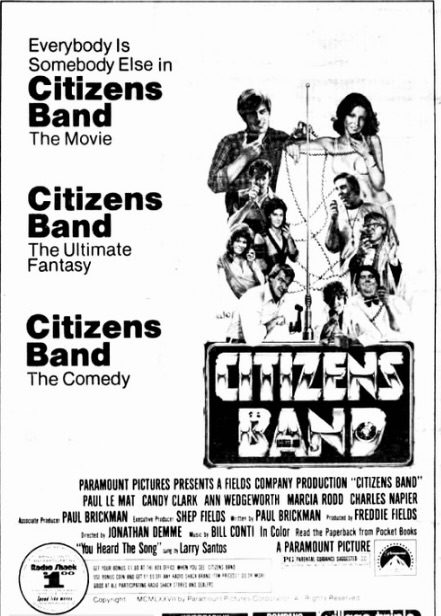
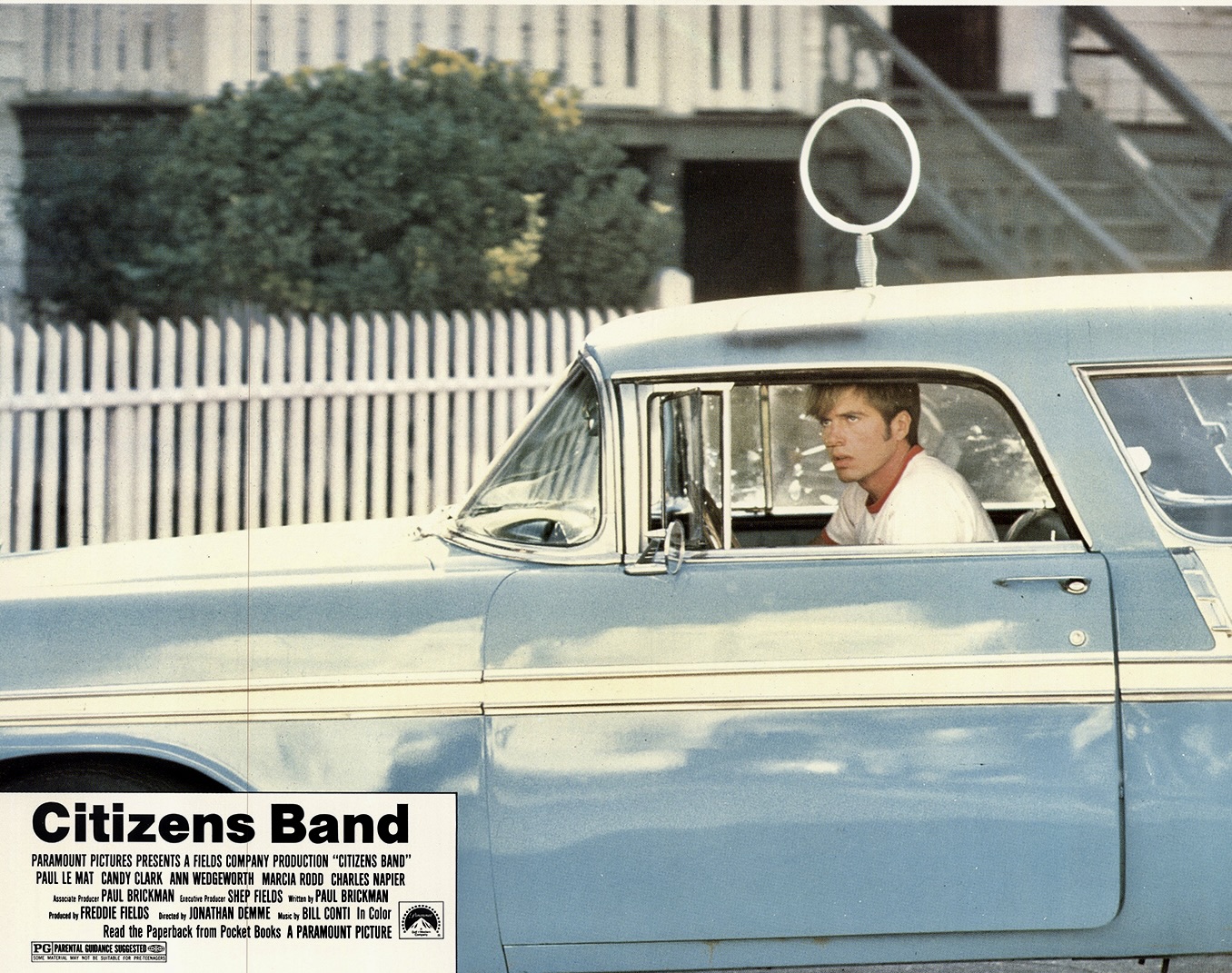
Set in the fictitious town of Union somewhere in the southwest (but filmed in California), Citizens Band is a vibrant and celebratory portrait of a working class community which is enamored with CB radios. For them, it isn’t just a new way to communicate with each other, it is also a means to express their secret desires and thoughts under the guise of different identities. As a result, almost everyone in town has a specific “handle” for their persona on the airwaves. Blaine (Paul Le Mat), the main protagonist and a part time repairman, operates REACT [Radio Emergency Associated Communication Team] and goes by the alias of Spider. Other characters who are part of the crazy quilt infrastructure of the town include tow truck operator “Smilin’ Jack” (Richard Bright), Blaine’s ornery father “Papa Thermodyne” (Roberts Blossom) and “Hot Coffee”, a cheerful hooker named Debbie (Alix Elias) who operates out of a mobile home.
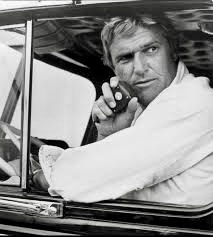
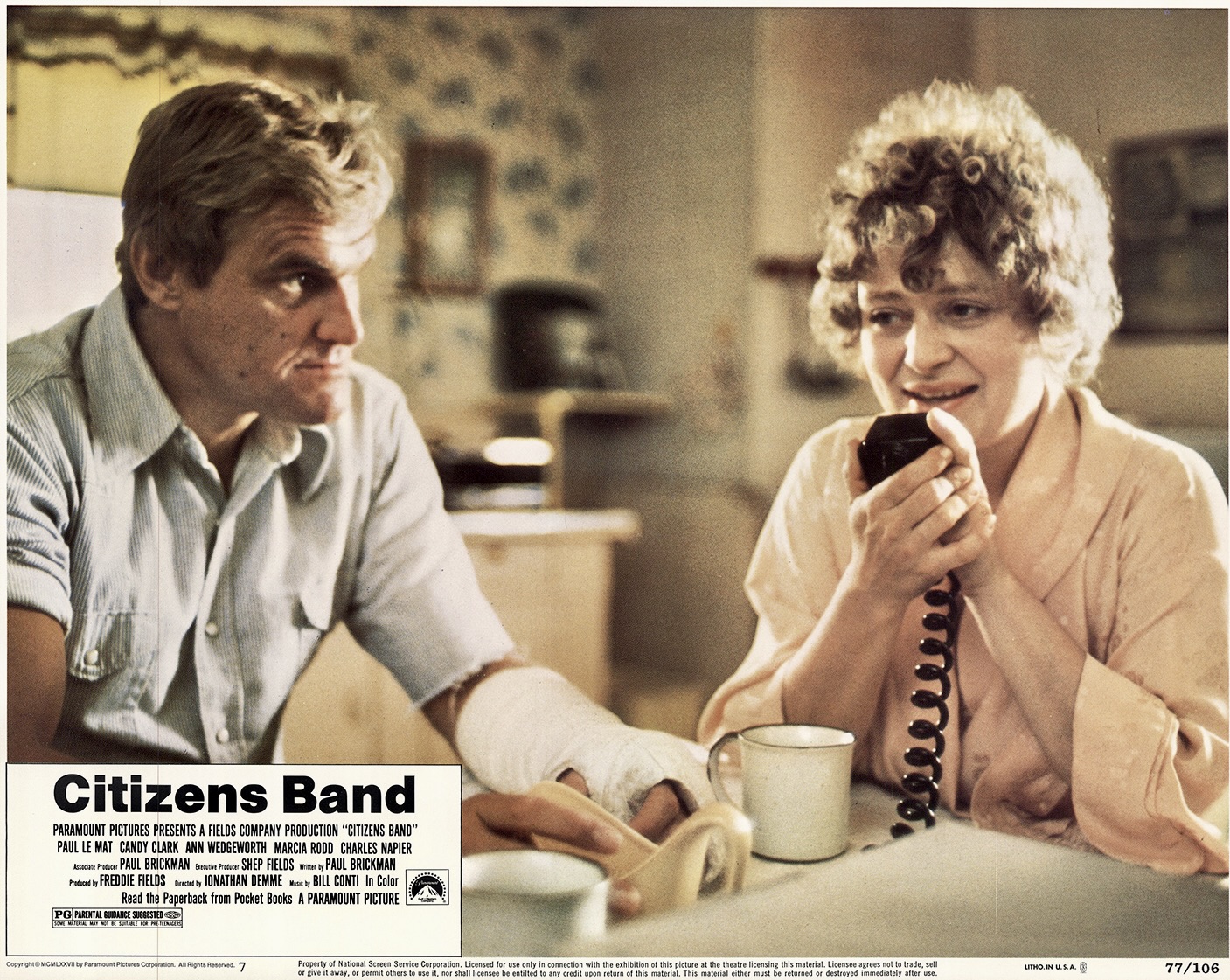
A new arrival to the Union CB community is Harold (Charles Napier) aka “Chrome Angel, a truck driver who is injured in a road accident and sets up a temporary residence while his arm heals. He is soon joined by Joyce aka “Dallas Angel” (Ann Wedgeworth) and Connie aka “Portland Angel” (Marcia Dodd), his two wives, who are completely unaware of each other’s existence. Yes, Harold is a bigamist, but he is only one of several people in Union whose secret life is being played out over the radio. “The Priest” (Ed Begley Jr.), a fire and brimstone evangelist, “The Red Baron” (Harry S. Northup), a rabid anti-communist/neo-Nazi sympathizer, and “The Hustler” (Michael Mahler), an X-rated sex addict, are more extreme examples of local CB users and their abuse of the medium prompts Blaine to take action against their infringement of FCC regulations.
What makes Citizens Band so much fun but also makes it invaluable as a cultural artifact is the film’s insider look at this unique subculture which originated in 1945 when the FCC allowed individuals to use radio bandwidth for personal communication. The format became increasingly popular with truck drivers over the years as a venue to exchange information about highway and road conditions and potential danger. But it also became a symbol of rebellion in the early 1970s. According to Scott Loftesness of Lifelong Learning, “With Watergate and the Vietnam War shaking trust in government, CB presented itself as a decentralized network owned and controlled by the people. Citizens saw CB as a way to way to monitor police movements and subvert the national 55 mph speed limit. Truckers saw themselves as modern cowboys subverting the law and preserving against adversities. The mystique surrounding coded CB lingo like 10-4 and handles like “Bandit” or “Good Buddy” fed into this outlaw image.”
For Demme, the CB community of Union represents the best and worst of this new form of communication. And Blaine’s mission to track down offenders of the airwaves is only one of several subplots that also include Blaine’s strained relationship with his brother Dean (Bruce McGill in his film debut), a mysterious, sensual siren of the airwaves known as Electra and Blaine’s sullen father who only becomes animated when he can communicate with his CB buddies. Despite the potential for dramatic fireworks, however, Citizens Band is a warm and lighthearted look at a diverse blue collar community that resembles some of the eccentric small towns depicted in Preston Sturges comedies like The Miracle of Morgan’s Creek (1943) and Hail the Conquering Hero (1944). It also generates some of the feel-good charm of Frank Capra classics like Mr. Deeds Goes to Town (1936) and You Can’t Take It with You (1938) while hinting at darker aspects of Union in the same way Capra touched on suicide and financial ruin in the 1946 Christmas perennial It’s a Wonderful Life.
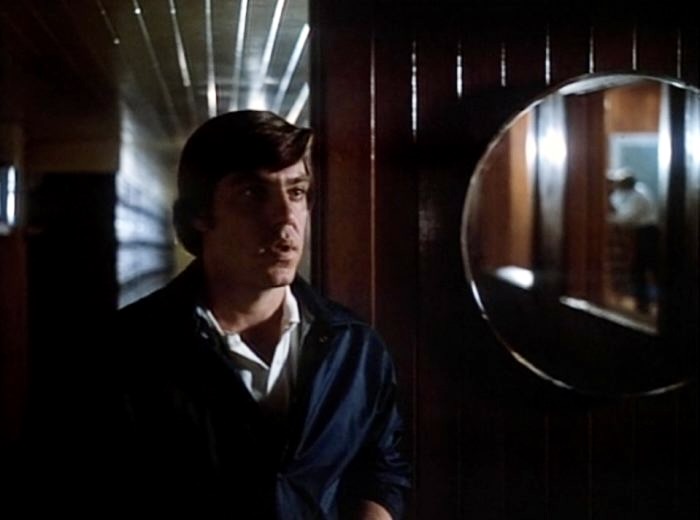
A lot of high profile film critics championed Citizens Band at the time of its release with Pauline Kael of The New Yorker, calling it, “A high-spirited, elegantly deadpan comedy, with a mellow, light touch,” while noting that “Jonathan Demme directed, in a soft, subdued style – the film is lyrical and wiggy at the same time. It has the consistent vision of a classic comedy; it undercuts the characters’ illusions without a breath of ill will.” Voicing a similar opinion was Dave Kehr of The Chicago Reader, who wrote, “Demme is satirical but never cruel, and sweet but never syrupy: this film marked the emergence of one of the most appealing directorial personalities of the New Hollywood.”
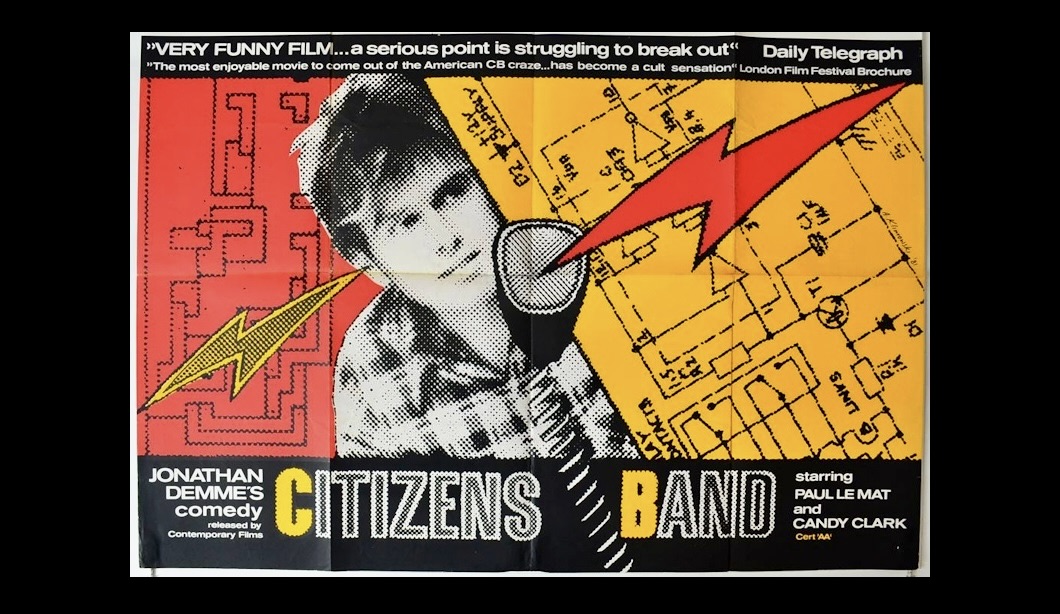
Unfortunately, moviegoers mostly ignored Citizens Band and Paramount, thinking the title might be misleading, renamed it Handle with Care in some markets. Producer Freddie Fields also altered Demme’s original cut of the film and changed the ending, eliminating Blaine and Pam’s wedding (some versions of the film still include this). Demme admitted his disappointment with the final result in an interview with Rob Feld for DGA.org: “Freddie Fields, the tyrannical producer, was making two movies at the same time, Citizens Band, directed by some unknown named Jonathan Demme, and Looking for Mr. Goodbar, directed by Richard Brooks. Brooks wouldn’t let Freddie through the door, much less on his set. Freddie had been this gigantic agent and he got fed up with me complaining about what he was changing, so he fired me during the mix. I didn’t know about it, but Roman Polanski called Freddie and said, ‘I hear you fired the young director that’s making a movie for you. You better get him back, because directors won’t want to work with you if you get that reputation.’ So Freddie invited me to come back on the movie, which was great although it had mixed results. I really do feel like directors are a band of sisters and brothers. I’ve made phone calls to producers out of the blue myself and said, ‘I hear you locked so and so out of the cutting room. You can’t do that.’ And, you know, it matters.”
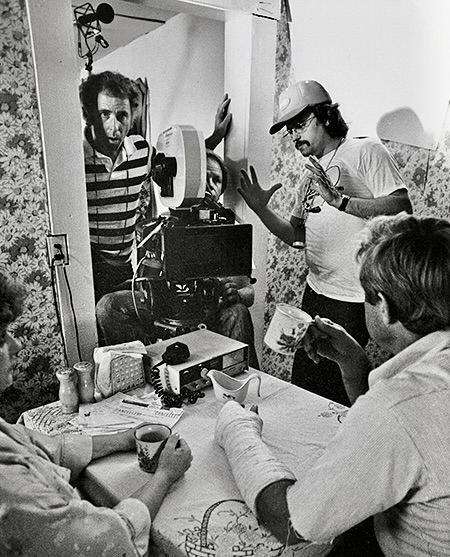
One aspect of Citizens Band that continues to shine today is the wonderfully eclectic casting, featuring some of Hollywood’s finest character actors. Charles Napier, a veteran of Russ Meyer bosom-obsessed adult fare like Harry, Cherry and Raquel (1969) and Supervixens (1975), is completely disarming as the two-timing trucker “Chrome Angel” but Ann Wedgeworth and Marcia Dodd as his confused and angry wives almost steal the movie with their sassy interaction and eventual payback (they release all of their husband’s sequestered cattle into the town and surrounding countryside). By the way, both Wedgeworth and Dodd were nominated for Best Supporting Actress by the National Society of Film Critics with Wedgeworth winning the honor.
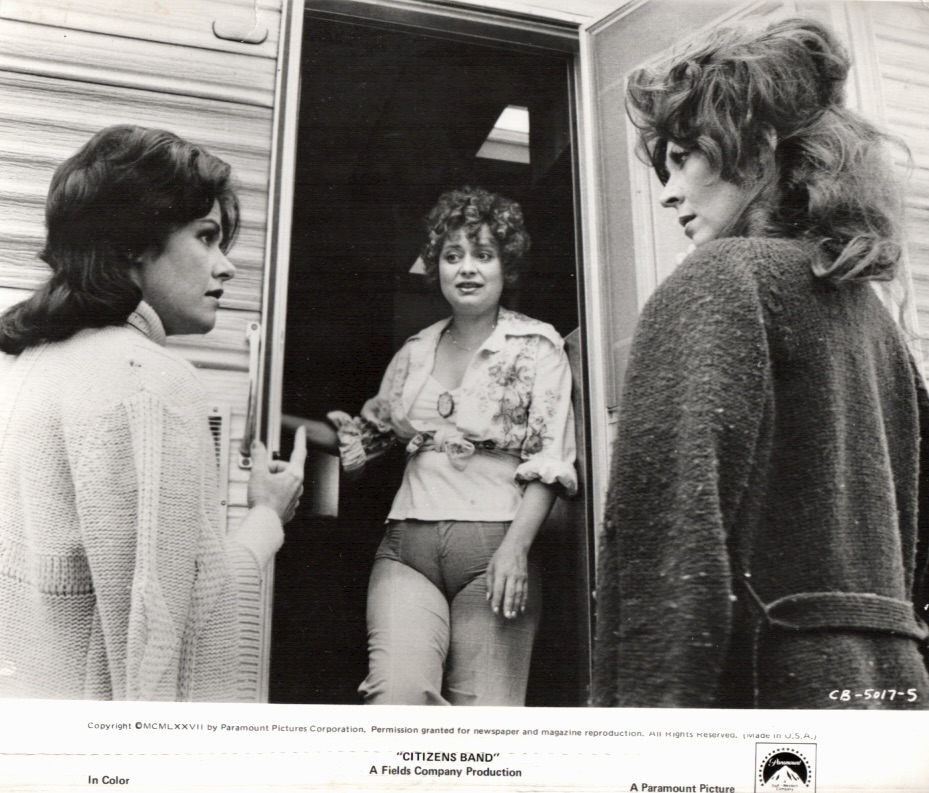
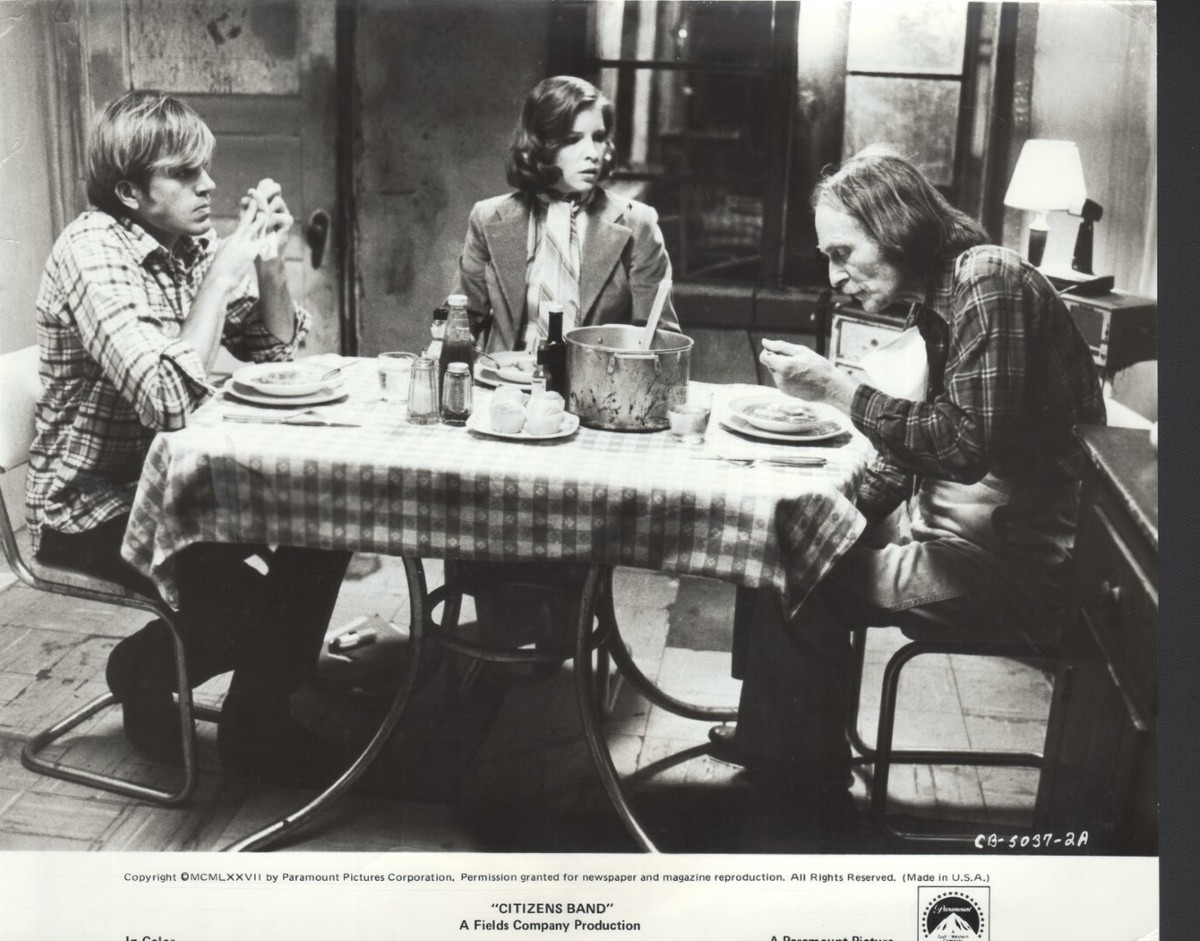
Napier would go on to work with Demme on several other films while transitioning into major Hollywood productions like The Blues Brothers (1980) and Rambo: First Blood Part II (1985). Citizens Band also gave a boost to the career of Roberts Blossom as Blaine’s oddball father, who would go on to appear in Close Encounters of the Third Kind (1977) and Home Alone (1990) as a mentor figure to Macaulay Culkin’s abandoned eight-year-old protagonist. In Demme’s film, Blossom is often enigmatic and hard to read. In some scenes, he threatens to kill Blaine’s dog and even pretends to serve it up for dinner (something more fitting for his infamous role as an Ed Gein-like ghoul in 1974’s Deranged). But the actor is also used as a symbol of disenfranchised citizens who feel they are denied access to the ‘American Dream.’ At one point, he complains bitterly to Pam, saying, “Worked all my life. Trucker. Now they call me Papa Thermodyne, but I live in a junkyard. This country promises everything. Sure.. you ever see any of it, huh? I should’ve stayed in Canada…I could have been someone. See what I got? A lot of rusty doo-doos.”
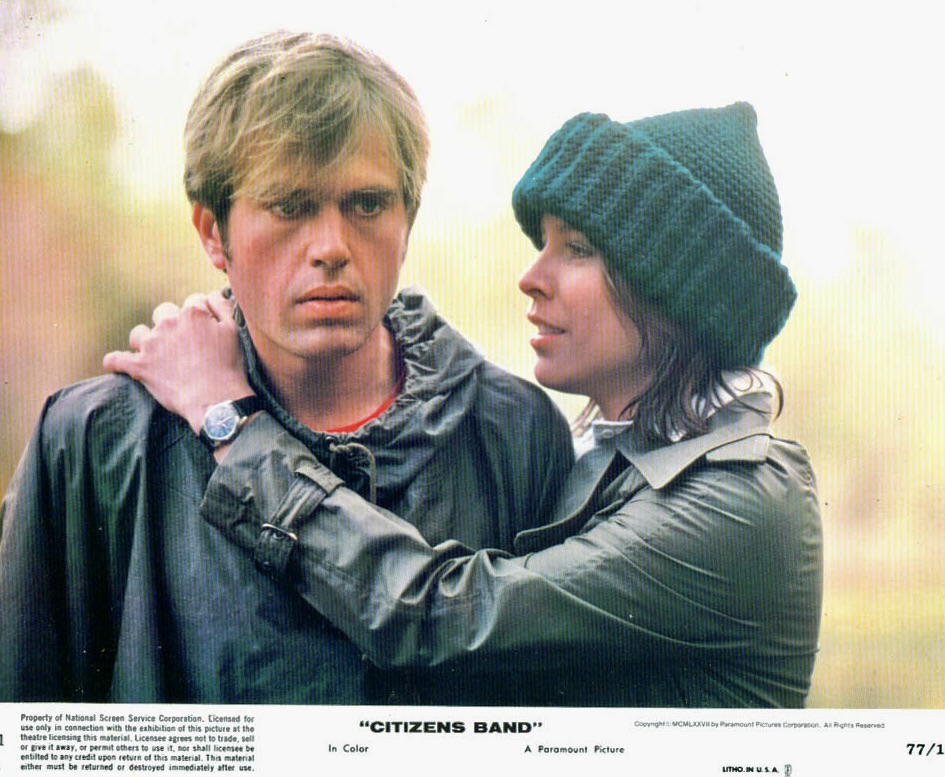
Still, the biggest kudos go to Paul Le Mat, who portrays the perfect everyman hero who brings all of the plot threads together in a rousing finale. Le Mat, whose career was launched by his big screen debut in American Graffiti, has an easy-going affability and natural, down-to-earth quality that makes him comparable to Joel McCrea in his ability to be both charming and commanding. He would go on to work with Demme again in the whimsical comedy Melvin and Howard (1980) and win a Golden Globe for Best Actor as the abusive husband in the 1984 TV drama The Burning Bed opposite Farrah Fawcett. Le Mat also enjoys a cult following for such indie genre gems as Floyd Mutrux’s Aloha Bobby and Rose (1975) and the comic sci-fi fantasy Strange Invaders (1983).
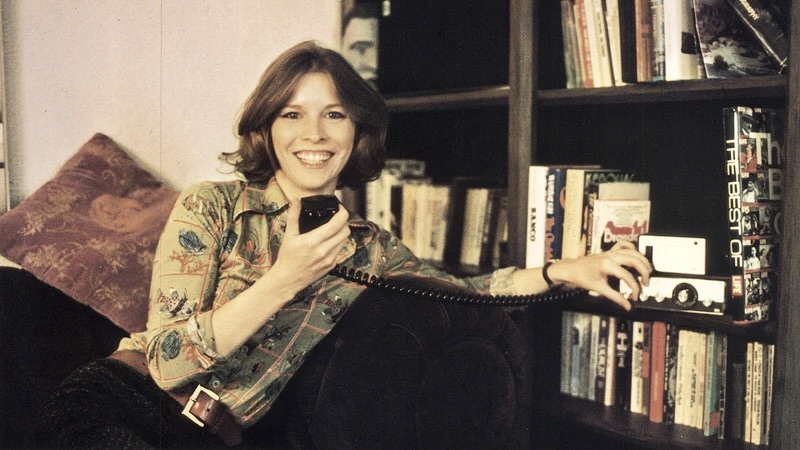
Candy Clark, who also achieved overnight success after appearing in American Graffiti, is probably the most ambiguous character in Citizens Band. Pam never seems to show much romantic interest in either Blaine or Dean. At the finale when she finally marries Blaine, you have to wonder if their marriage is a mistake. Pam seemed much more animated and turned on by her seductive CB identity as Electra. Still, Clark has an appealing screen presence although I prefer her work in other films from the period such as Fat City (1972) and The Man Who Fell to Earth (1976) opposite David Bowie.
In addition to the direction, screenplay and outstanding ensemble cast of Citizens Band, I feel the need to single out Pablo Ferra’s clever title sequence, which blends interior and exterior images of CB hardware with a Greek chorus of disembodied voices on the airwaves, and the fluid cinematography of Jordan Cronenweth (Blade Runner) which alternates between soft, velvety nighttime scenes with atmospheric glimpses of the western landscapes and ragtag lifestyles of the Union CB community.
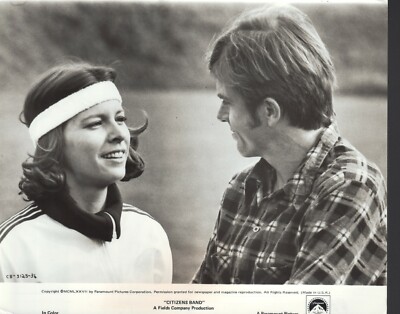
Unlike most of Demme’s work, Citizens Band is not currently available on any analog format. It was previously released on VHS but your only opinion for seeing it now is to stream it on Prime or some other digital platform. This seems like a movie that deserves a 4K restoration by the folks at The Criterion Collection or maybe the crew at Radiance Films.
Other links of interest:
https://www.dga.org/craft/dgaq/issues/1501-winter-2015/dga-interview-jonathan-demme
https://www.rogerebert.com/features/a-musical-soul-jonathan-demme-1944-2017
https://www.filmcomment.com/present-tense-citizens-band
https://www.greasykidstuffmagazine.com/candy-clark-interview
https://www.rogerebert.com/interviews/charles-napier-overnight-success-at-50
https://www.coffeeordie.com/article/home-alone-old-man-marley-veteran

