Cinema Interruptus

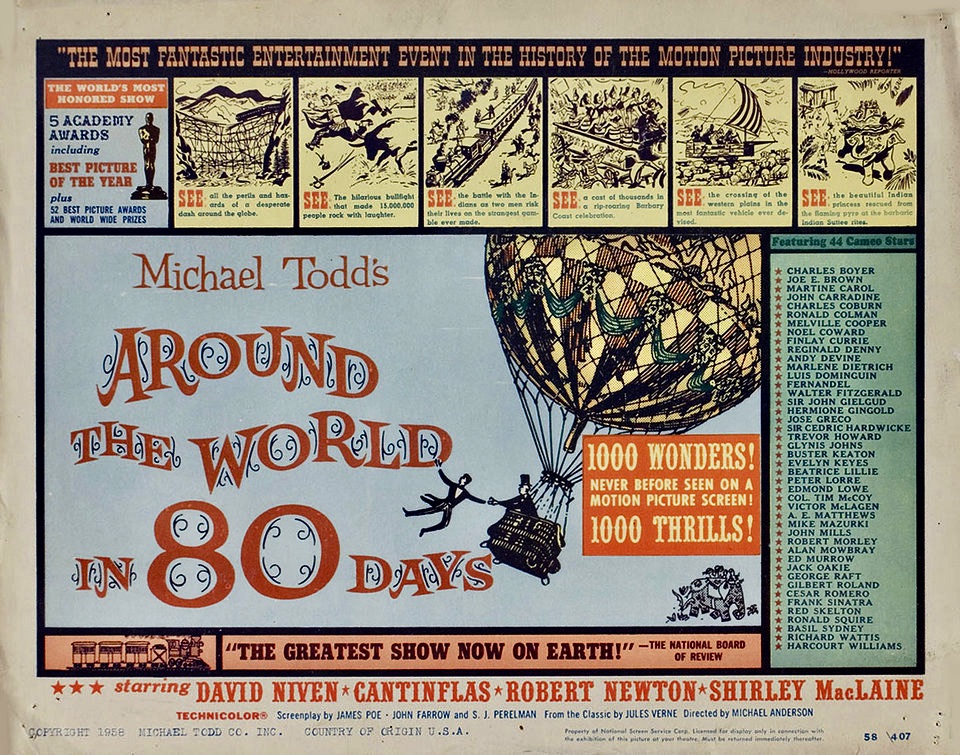
All of us have probably walked out on a movie at the theatre at some point in our lives but how often have you been forced to leave a film due to circumstances beyond your control? The few times this has happened to me are ingrained in my memory probably because it was such a rare occurrence…and because the interrupted scene and the movie itself never received the proper closure. In other words, a simple case of cinema interruptus (the Latin word for interrupted). The films in question are Around the World in 80 Days (1956), Cat on a Hot Tin Roof (1958), Don’t Give Up the Ship (1959) and Cat Ballou (1965).

Continue reading
Basketball Jocks and Pom Pom Girls

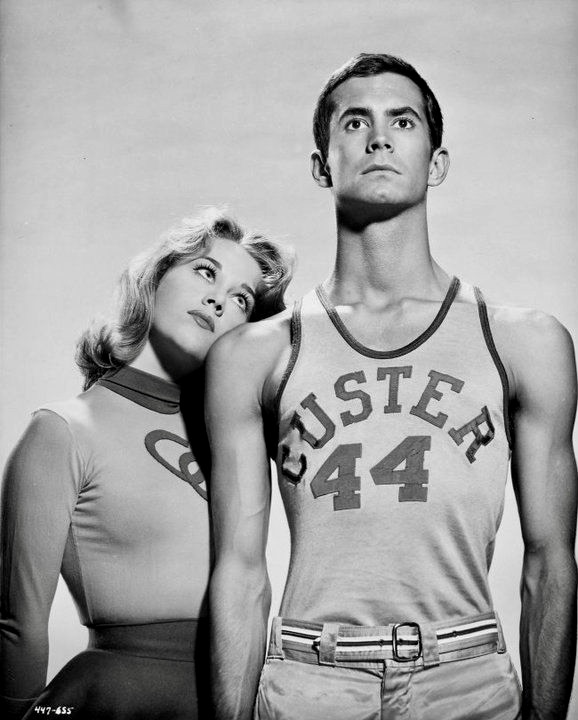
Jane Fonda (in her film debut) and Anthony Perkins appear in a publicity still for the 1960 romantic comedy TALL STORY, directed by Joshua Logan.

The film debut of a soon-to-be-major movie star is not always an event of any significance when it first occurs. Nor is it often a movie with any artistic merit that can stand the test of time and become an important topic for analysis among film scholars. Jane Fonda’s movie debut, Tall Story, will surely never make the AFI’s top 100 films list and it wasn’t a commercial or critical success upon its release in 1960. Yet the film is important in the career arc of Ms. Fonda. It’s also an enjoyable, often witty romantic comedy that plays much better today than when it first premiered.

Continue reading

Imaginary Lover

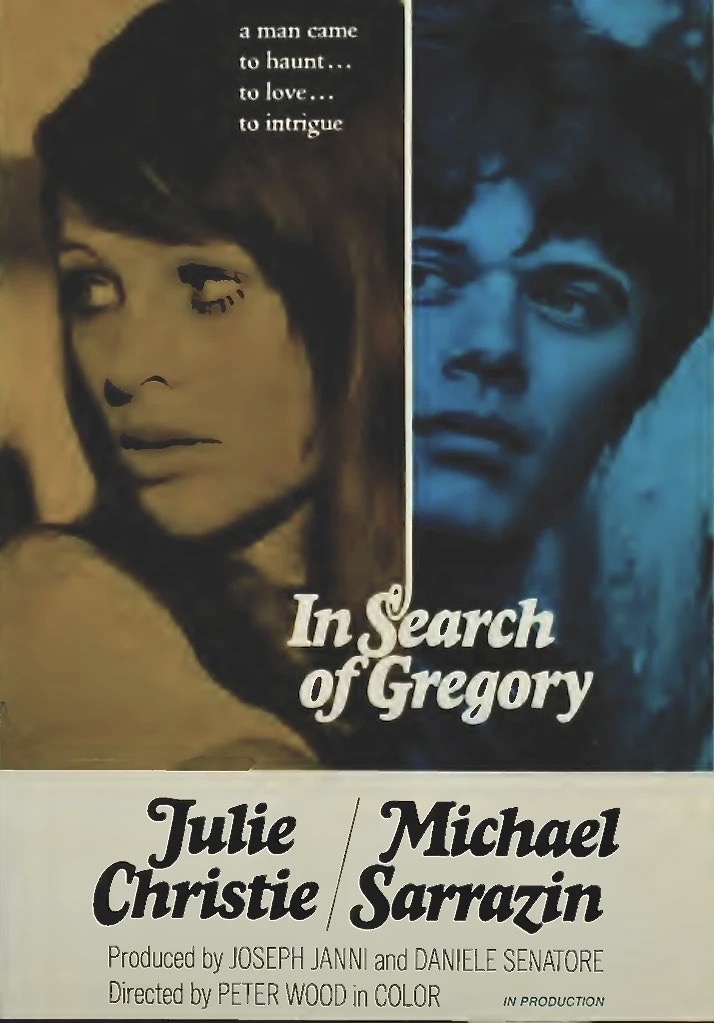
For better or worse, the 1960s was a time when commercial and experimental cinema occasionally collided, producing innovative, financially successful films such as Stanley Kubrick’s 2001: A Space Odyssey (1968) and Michelangelo Antonioni’s Blow-Up (1966), but more often high profile failures such as Tony Richardson’s The Sailor from Gibraltar (1967), Otto Preminger’s Skidoo (1968) and the unfortunate 1969 screen adaptation of Lawrence Durrell’s Justine. In Search of Gregory (1969), which was designed as a star vehicle for Julie Christie by producer Joseph Janni and followed her critically acclaimed performance in Petulia (1968), falls into the latter category. 

Continue reading

High School Was Never Like This!

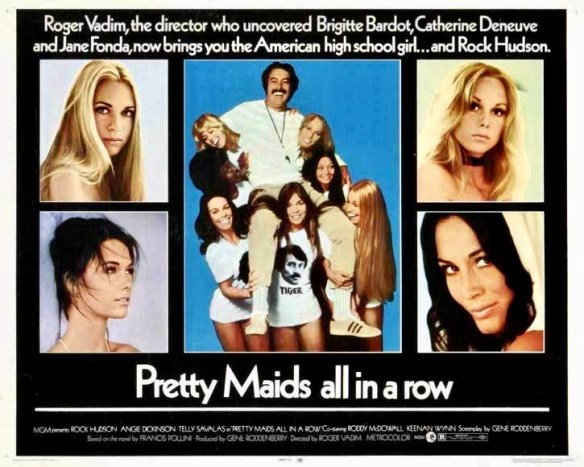
Among the many peculiar assemblages of cast and crew in Hollywood history, Pretty Maids All in a Row (1971) is in a class by itself. A black comedy set in a California high school where someone is murdering female students, the film marked the U.S. film debut of French director Roger Vadim (Barbarella, 1968) with Star Trek creator Gene Roddenberry producing and writing the screenplay. Mix in a number of seasoned Hollywood professionals (Rock Hudson, Angie Dickinson, Roddy McDowall, Keenan Wynn, William Campbell) with a hip, younger cast of aspiring actors and starlets. Top it off with a music score by Lalo Schifrin (Mission: Impossible, 1996) and a theme song co-written by Christian music mogul Mike Curb and sung by The Osmonds. And the result is a delicious guilty pleasure for some and a cringe-inducing embarrassment for others. There is no middle ground here unless you choose to view the film as a sociology experiment.   Continue reading

Two Cats and a Mouse

When a movie is released under various titles it usually means there are problems. It could be confusion over how to market it or a simple case of a movie that doesn’t fit clearly into any designated genre or maybe it’s a star-driven, major studio release that’s too quirky for the average moviegoer but yields enough curiosity value to inspire various promotional approaches to finding the right audience. All of these could apply to Joy House (1964), an international production based on a pulp fiction paperback by American author Day Keene and filmed on the Riviera near Nice. It stars English-speaking (Lola Albright, Jane Fonda, Sorrell Booke, George Gaynes of Tootsie fame) and French-speaking actors (Alain Delon, Andre Oumansky, Annette Poivre, Marc Mazza) and is also known as The Love Cage and Les Felins (the original French title). Joy House was not a popular success at the time (most critics were unkind in their coverage) but it is a favorite film of mine, flaws and all.   Continue reading

Remembering Hal Ashby

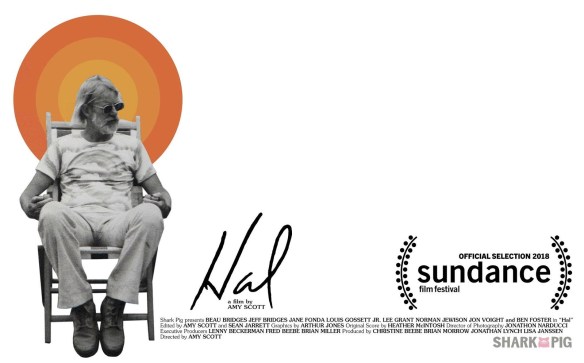
Mark Harris’s best-seller Pictures at a Revolution: Five Movies and the Birth of the New Hollywood pointed to 1967 as the year that the studio system crumbled and a new order emerged while Peter Biskind’s Easy Riders, Raging Bulls profiled the subsequent rise of the young turk directors in the seventies who changed cinematic conventions with their idiosyncratic films. Martin Scorsese, Steven Spielberg, Francis Ford Coppola, George Lucas, Peter Bogdanovich are usually singled out as the prime movers and shakers by film historians of that era while the once high profile Hal Ashby is often underrated and relegated to the sidelines. Hal, Amy Scott’s new documentary on the director, is a welcome homage that attempts to elevate and restore this influential figure to his rightful place in Hollywood history.  Continue reading

Norman Lloyd: Hollywood’s Long Distance Runner, Part 2

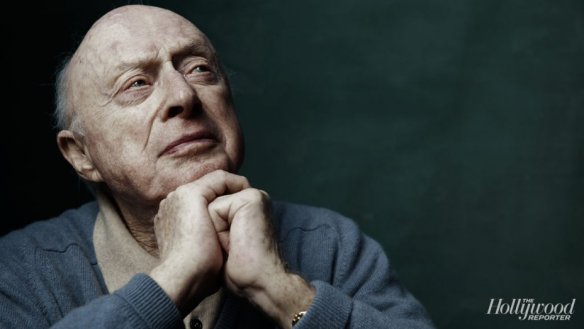
Actor/Director/Producer Norman Lloyd, born 1914.

*This is the second part of a revised and updated version of a Norman Lloyd interview which was first recorded in March 2010 just prior to the actor/director/producer’s appearance at the first Turner Classic Movies Classic Film Festival.

Here is the link to Part 1: https://cinemasojourns.com/2017/04/09/norman-lloyd-hollywoods-long-distance-runner/     Continue reading