Memories of the 2011 TCM Classic Film Festival

*This article originally appeared on Movie Morlocks, Turner Classic Movies’s official blog in May 2011 (The blog was discontinued years ago and is no longer available)

In the event-packed hurly burly of TCM’s second annual Film Festival in Los Angeles from April 28-May 1 of 2011, I didn’t have a chance to blog about all of the films or attending guests that I saw but here are a few that linger in the memory and deserve to be singled out –cinematographer/director Haskell Wexler, who participated in a Q&A with Leonard Maltin before a screening of Who’s Afraid of Virginia Woolf?(1966), Hayley Mills, who appeared after a screening of Whistle Down the Wind (1961) with interviewer/author Cari Beauchamp, a midnight screening of The Mummy (1932) introduced by Boris Karloff fan Ron Perlman, Buster Keaton’s The Cameraman (1928) accompanied by a live orchestra score by Vince Giordano and His Nighthawks, the MoMA restoration print showing of 1933’s Hoopla (Clara Bow’s final film) and the underrated Ernst Lubitsch Pre-Code delight Design for Living (1933).

Continue reading
Looking for Love in All the Wrong Places

Director John Cassavetes broke all the rules, inventing his own and then discarding them as he went along. He improvised and experimented with everything from the cinematography to the performances to the actual financing of the film. He even mortgaged his own home numerous times to subsidize his movies over the years and took on acting jobs purely for monetary reasons. His directorial debut Shadows (1958), with its jerky, hand-held camerawork, vivid location shooting on New York City streets and edgy subject matter involving an interracial romance, is one of the most influential films to emerge from the independent New York City cinema movement of the 1950s. Yet, it was just a warm-up for Cassavetes’s next film, Faces (1968), which was even more provocative and unconventional. 

Continue reading

Elmer Gantry’s Little Sister

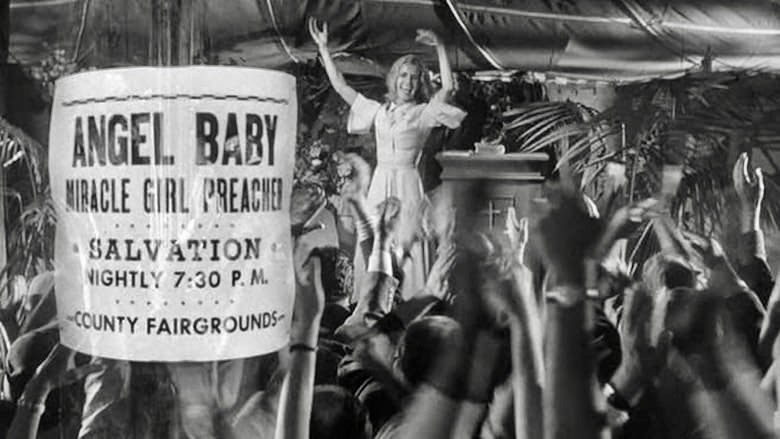
Salome Jens (center) plays a mute girl who regains her voice and becomes a faith healer in the 1961 drama, Angel Baby, directed by Paul Wendkos.

After the critical and box office success of Elmer Gantry in 1960, another film, much smaller in scale and budget, came along that mirrored the latter film both thematically and in some of the plot details. It might have been merely a coincidence that Angel Baby (1961) appeared shortly after the release of Elmer Gantry, but it certainly beats the Burt Lancaster Oscar winner when it comes to oddball casting and camp value.   

Continue reading

The Revolution WILL Be Televised

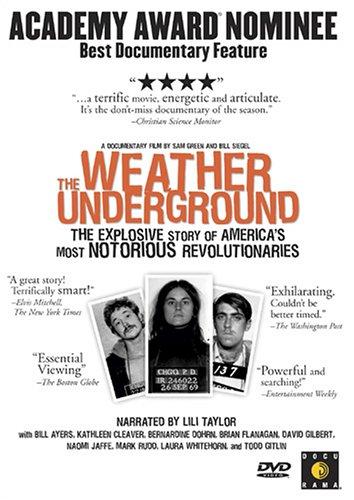
What would drive a peaceful, non-violent student protester to become a bomb maker in a subversive political organization? What ideology would cause an Ivy League college graduate to sever all contact with their family and friends and go into hiding for years, hunted by the FBI? What convinces someone that the U.S. government is their enemy and to fight them by any means necessary? These are some of the questions which are raised and answered by two fascinating documentaries on the same subject – Sam Green and Bill Siegel’s The Weather Underground (2002), which was nominated for an Oscar for Best Documentary Feature, and Emile de Antonio’s infamous Underground (1976).    Continue reading

Remembering Hal Ashby

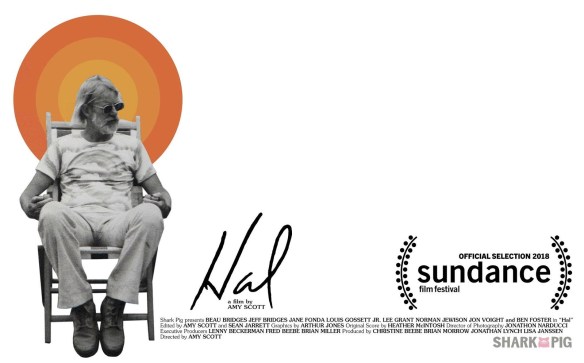
Mark Harris’s best-seller Pictures at a Revolution: Five Movies and the Birth of the New Hollywood pointed to 1967 as the year that the studio system crumbled and a new order emerged while Peter Biskind’s Easy Riders, Raging Bulls profiled the subsequent rise of the young turk directors in the seventies who changed cinematic conventions with their idiosyncratic films. Martin Scorsese, Steven Spielberg, Francis Ford Coppola, George Lucas, Peter Bogdanovich are usually singled out as the prime movers and shakers by film historians of that era while the once high profile Hal Ashby is often underrated and relegated to the sidelines. Hal, Amy Scott’s new documentary on the director, is a welcome homage that attempts to elevate and restore this influential figure to his rightful place in Hollywood history.  Continue reading

The Lost Films of Audio-Brandon

The Sleeping Car MurdersBack in the days before the VHS home video market exploded and Blockbuster became the obiquitous rental store, the 16mm film library was still a viable business in the non-theatrical college and educational markets. The decline would begin in the early eighties and by the end of the decade most 16mm distributors would be out of business. But during the peak years, this film format was affordable and easily accessible to all types of organizations (churches, schools, businesses and prisons) and also individuals who ran private film societies.   Continue reading