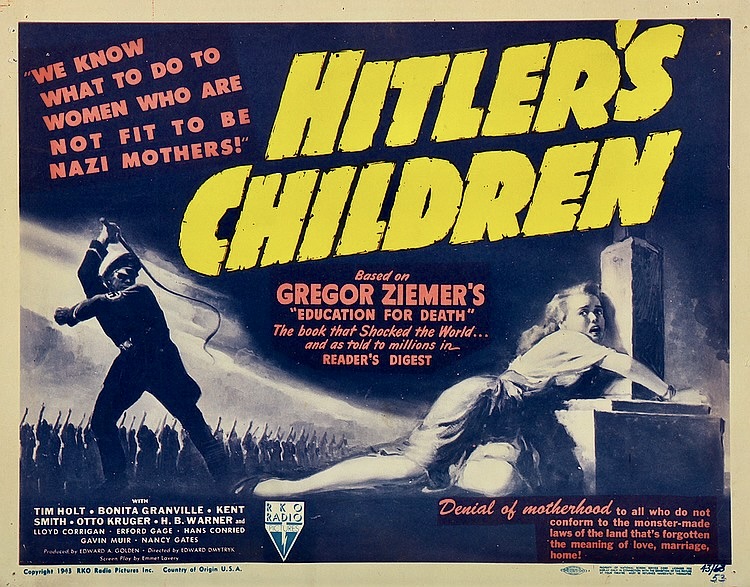
You’d expect a film with a title like Hitler’s Children (1943) to be an exploitation picture, not a prestige production and you wouldn’t be wrong in most respects. But this sensationalistic melodrama about a Nazi youth and his American girlfriend struck a resonant chord with audiences of its era, making it the highest grossing film of all time for RKO Studios, surpassing even the box office receipts of King Kong (1933) and Top Hat (1935).
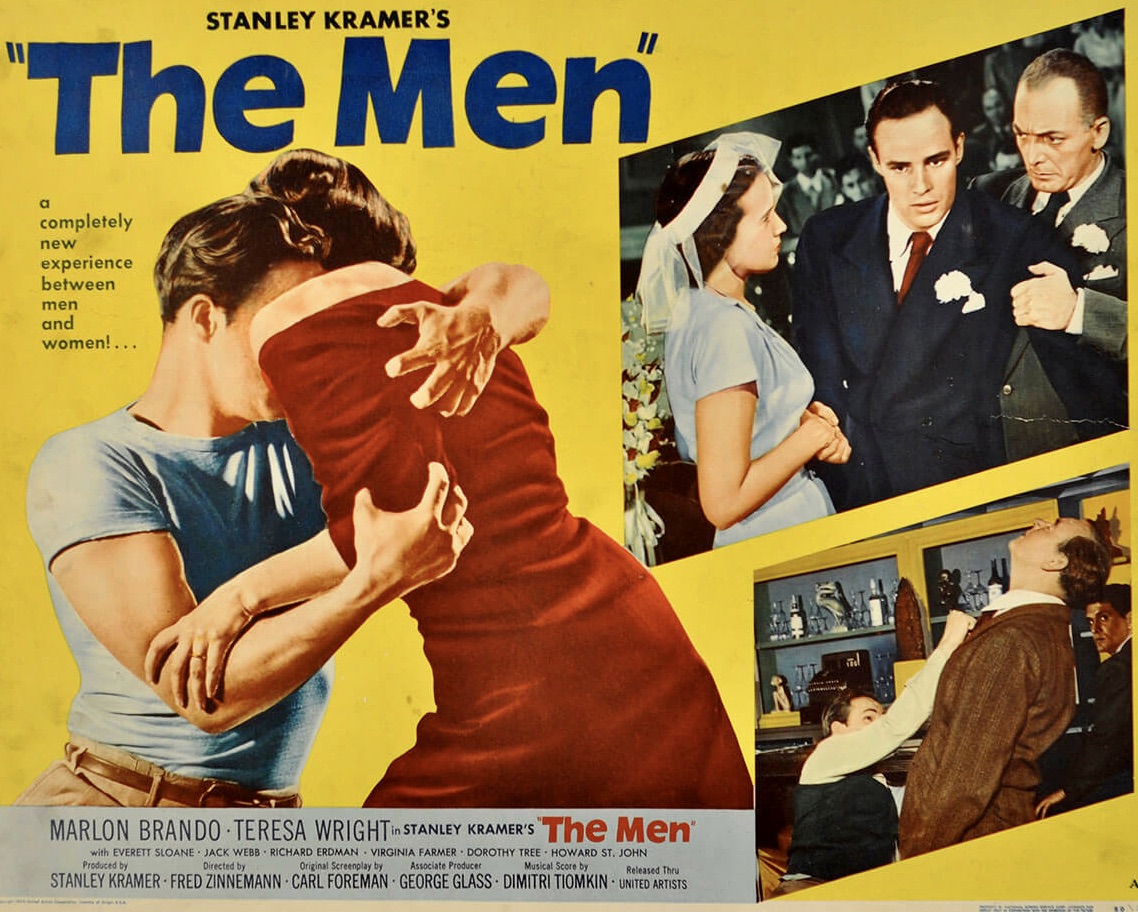
When director Fred Zinnemann left MGM Studios after his contract expired with Act of Violence in 1949, he embarked on a new career as an independent filmmaker. After trying to find a suitable movie project for almost a year, his search ended when two young filmmakers, Stanley Kramer and Carl Foreman, pitched him a story about paralyzed war veterans entitled The Men (1950). It was obvious that no major studio would tackle such an uncommercial subject but Zinnemann saw great possibilities in Carl Foreman’s screenplay and agreed to direct.
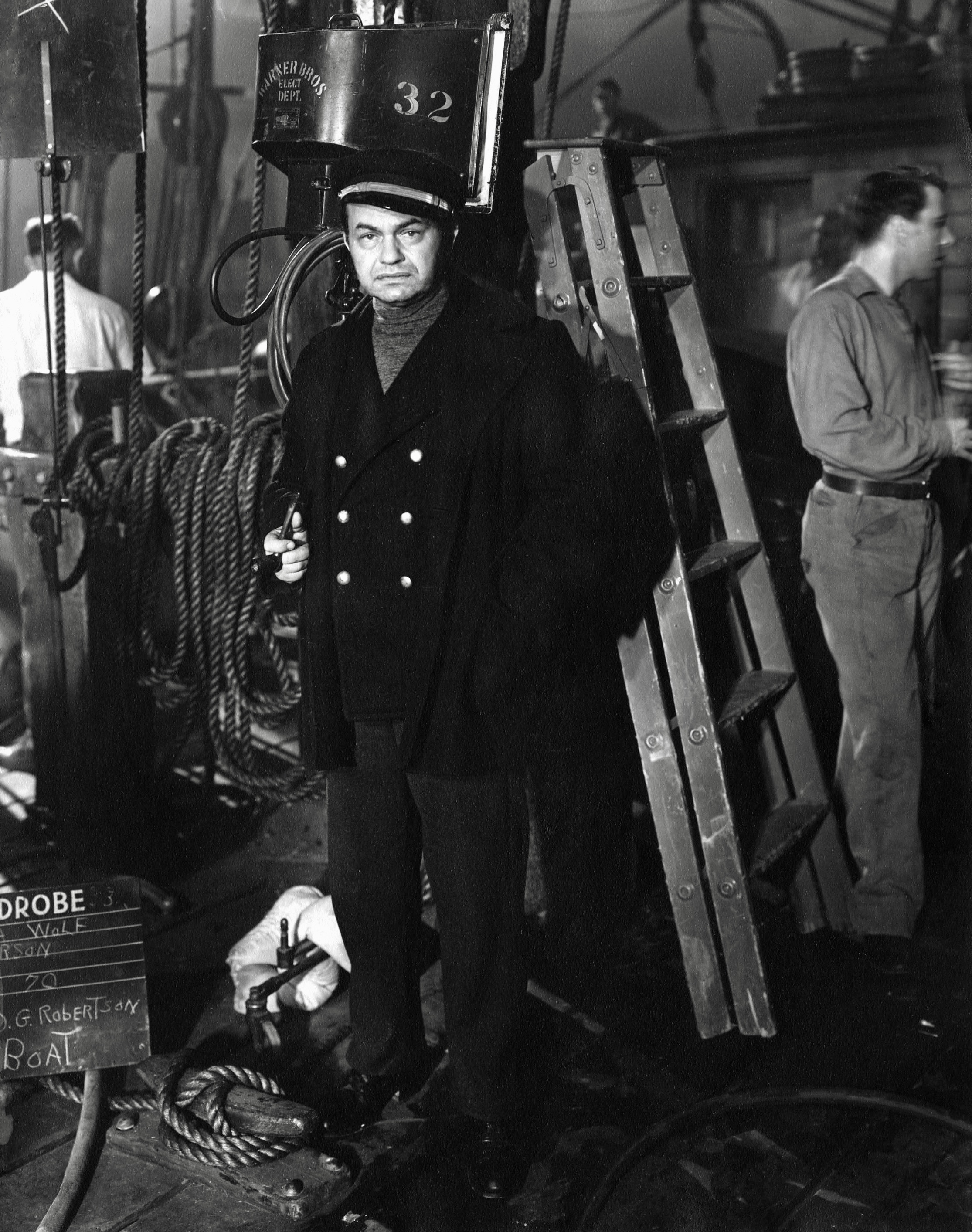
Edward G. Robinson on the set of THE SEA WOLF (1941), in which he plays the maniacal captain Wolf Larsen from the Jack London novel.
Among the many tales about ill-fated ocean voyages, obsessive and tyrannical sea captains are usually at the root of the trouble. Some of the more memorable ones include Captain Ahab in Moby Dick, Captain Bligh in Mutiny on the Bounty, and Captain Queeg in The Caine Mutiny. But none of these misguided authority figures can match the sadism and brutality of Wolf Larsen, the megalomaniac captain of Jack London’s novel, The Sea Wolf, who was famously portrayed by Edward G. Robinson in a 1941 Warner Bros. production directed by Michael Curtiz.
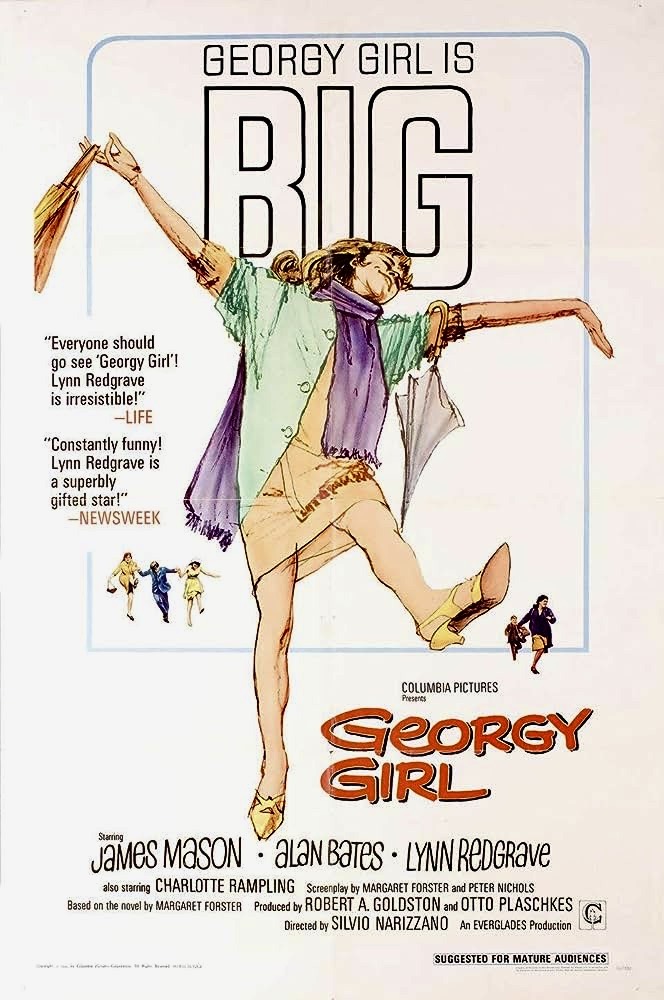
A frumpy woman in her early twenties dreams of being loved but despite her continual attempts to have a romance finds herself observing life from the sidelines, barely noticed by those around her. Reduced to a one sentence description, Georgy Girl (1966) sounds dreary and depressing but on-screen this tale of a desperately lonely woman unfolds as a madcap, often irreverent farce which at times is cruelly indifferent to the sad-sack characters it parades before us. This is a film where tone is everything and Georgy Girl, directed by Silvio Narizzano, is distinctively different in this respect, standing out from countless other cinematic tearjerkers about ugly ducklings and lonely spinsters. The film also captures London at the height of the Swingin’ Sixties when everything seemed like a put-on or a come-on.
When fans of classic films from Hollywood’s golden era exclaim “They don’t make ‘em like they used to,” they are usually referring to the kind of lavish, big-budget, audience-pleasing entertainments that were the specialty of Cecil B. DeMille during the silent and sound eras. Often derided by some critics as being corny and bombastic with an exploitable mix of sex, violence and quasi-religious elements, his most popular films were always in sync with what audiences wanted from a movie during his 45-year reign as a major Hollywood director/producer. Three of DeMille’s biblical epics, The Ten Commandments (1923), The King of Kings (1927), and Samson and Delilah (1949), along with Reap the Wild Wind (1942) are still considered some of the biggest box office hits in the history of Hollywood. The latter film, in particular, is an excellent example of his larger-than-life approach to storytelling mixing rival sea captains, a hurricane, and a giant red squid into a torrid romantic saga based on Thelma Strabel’s best selling novel.
One doesn’t usually expect a film about infidelity, divorce and murder to be a comedy but that’s one reason Divorzio all’italiana (English title: Divorce, Italian Style, 1961) directed by Pietro Germi, became an unexpected international hit. A caustic satire about the Italian male – or more specifically, Sicily’s male dominated culture – the film also poked fun at Italy’s hypocritical judicial system which can forgive crimes of passion but not legally recognize divorce as a solution for failed marriages. Another factor in the movie’s success was Marcello Mastroianni’s beautifully rendered portrayal of the preening, self-absorbed protagonist, a performance which not only won him an Oscar nomination for Best Actor (the first time in Academy Award history that the lead in a foreign language film received that honor) but still ranks as one of the actor’s key films, following closely on the heels of Fellini’s La Dolce Vita (1960) and Antonioni’s La Notte (1961).
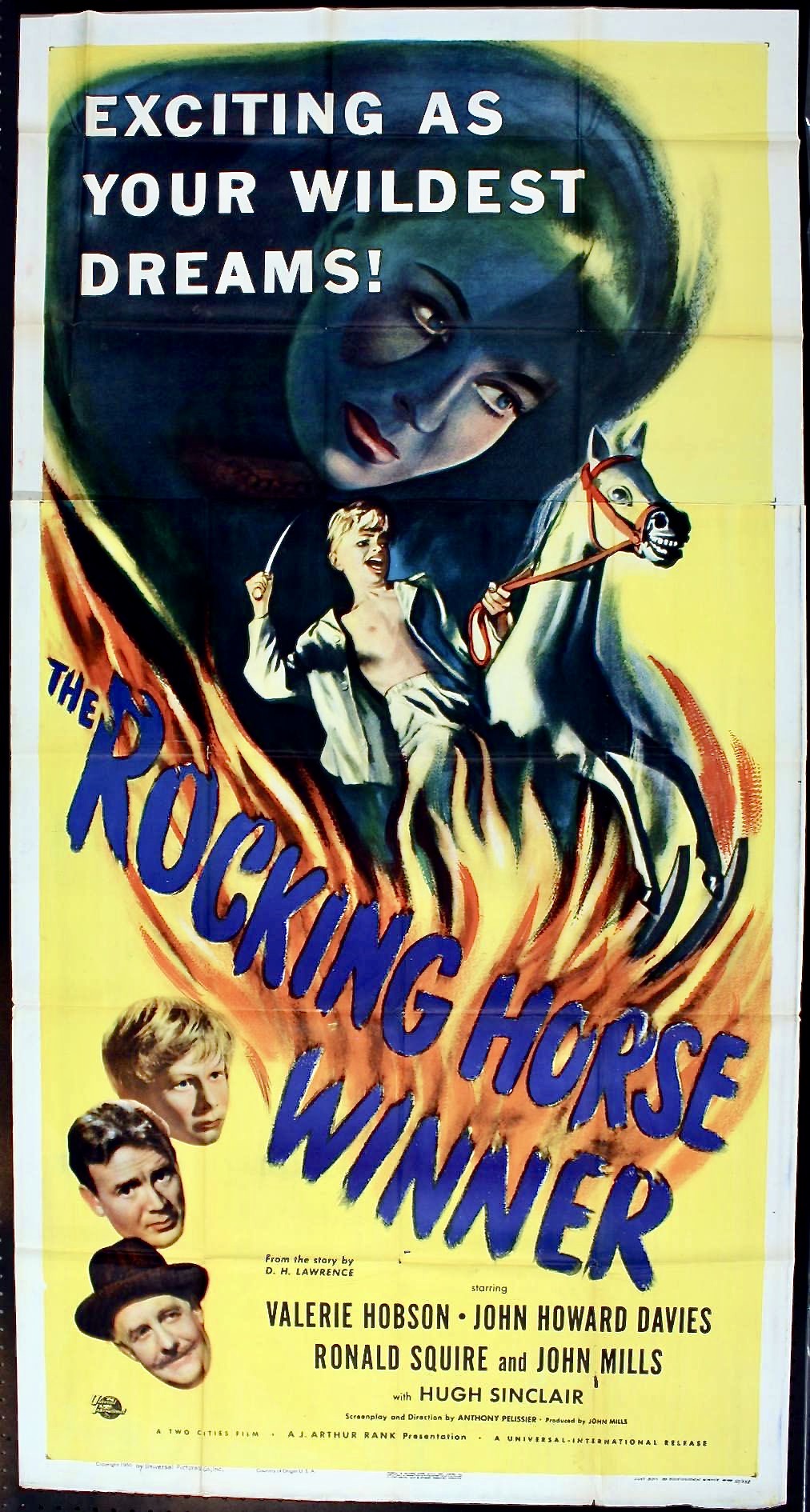
What are your favorite film adaptations of famous short stories? Among the titles in my top 20 list are Rear Window (1954), based on Cornell Woolrich’s “It Had to Be Murder,” All About Eve (1950), adapted from Mary Orr’s ”The Wisdom of Eve,” The Body Snatcher (1945), which was taken from Robert Louis Stevenson’s story of the same name, It Happened One Night (1934), based on Samuel Hopkins Adams’ “Night Bus,” and The Rocking Horse Winner (1949), which is one of D.H. Lawrence’s best known short stories. However, the latter film is a largely unsung minor masterpiece of the British cinema that is highlighted by impeccable performances and an eerie Gothic atmosphere with almost supernatural overtones.
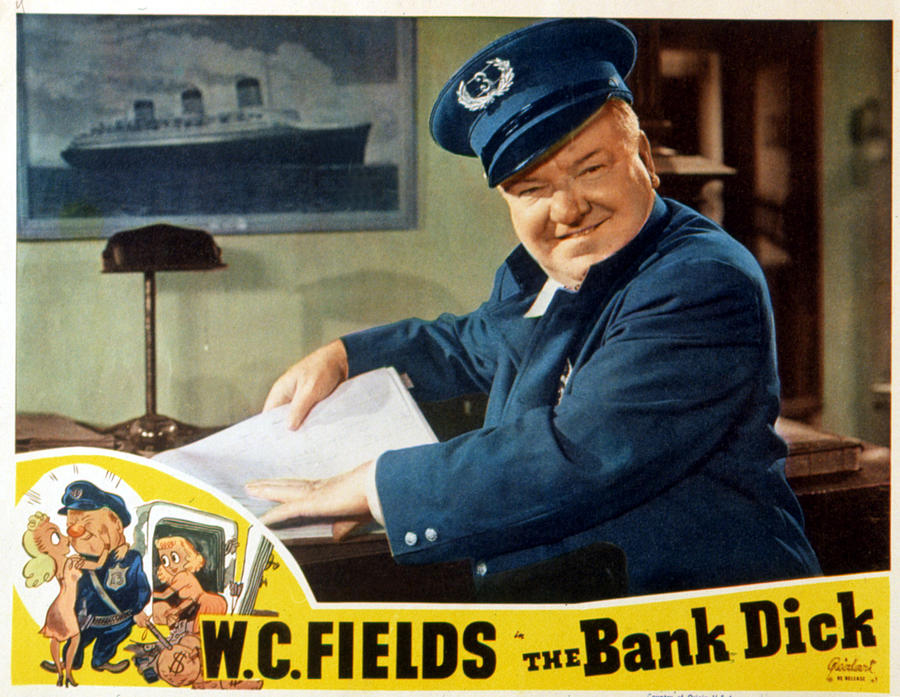
Among most Fields’ enthusiasts, The Bank Dick is considered one of his best films, right up there with It’s a Gift (1934). It’s also the only film in which Fields enjoyed full creative control and it would be his last. His final starring role in Never Give a Sucker an Even Break (1941) was an unhappy experience and turned into one long battle with the Universal top brass over scripting and censorship issues.
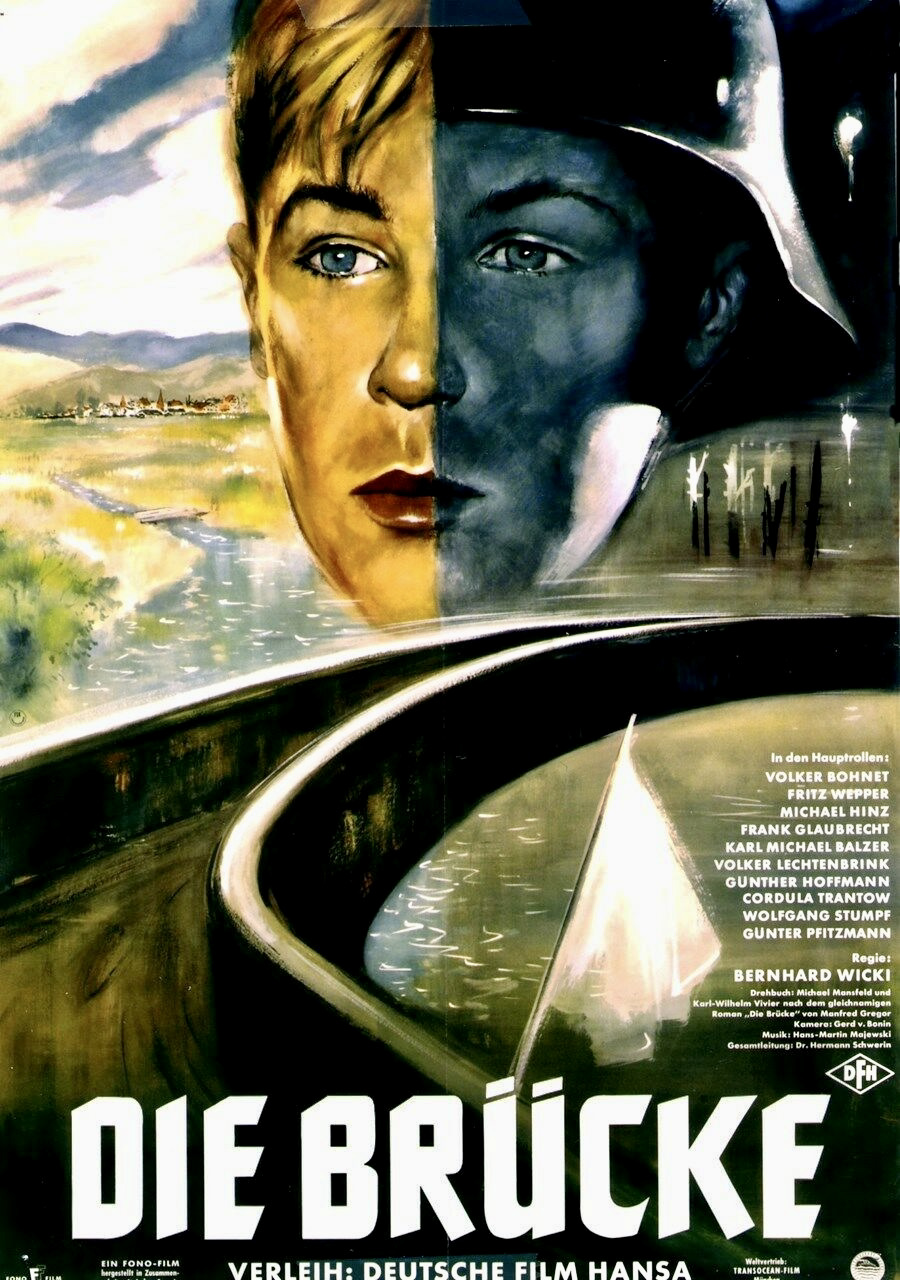
When film critics compile their favorite top ten lists of anti-war movies, you can usually expect to see titles like King Vidor’s The Big Parade (1925), Lewis Milestone’s All Quiet on the Western Front (1930), Stanley Kubrick’s Paths of Glory (1957), Kon Ichikawa’s Fires on the Plains (1959), Wolfgang Petersen’s Das Boot (1981) and Elem Klimov’s Come and See (1985) among the favored elite. It has only been in recent years that Bernhard Wicki’s The Bridge (German title: Die Brucke) has popped up on lists, thanks in part to The Criterion Collection, which remastered it on DVD and Blu-ray in June 2015. Almost forgotten since its original release in 1959, the film is just as powerful and moving as it was over sixty years ago.
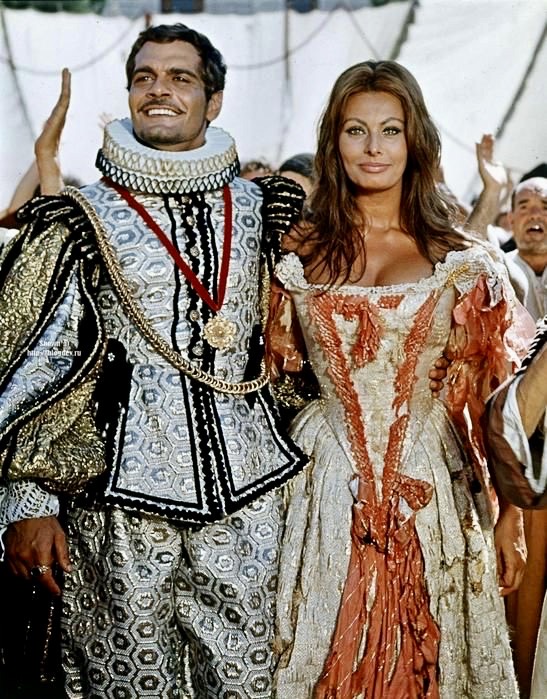
Will there be a happy ending for Prince Rodrigo (Omar Sharif) and Isabella Candeloro (Sophia Loren) in More Than a Miracle (1967), directed by Francesco Rosi.
Imagine, if you can, a rustic Neapolitan fairy tale directed by Francesco Rosi in the docudrama style of his post-neorealism films of the early sixties like The Moment of Truth (1965), shoot it in Technicolor and Techniscope, add a lush musical score by Piero Piccioni and you get More Than a Miracle (1967), a zesty Southern Italian fantasy-romance that was more appropriately titled Cinderella, Italian Style in Europe. Continue reading →



 Cinema Sojourns