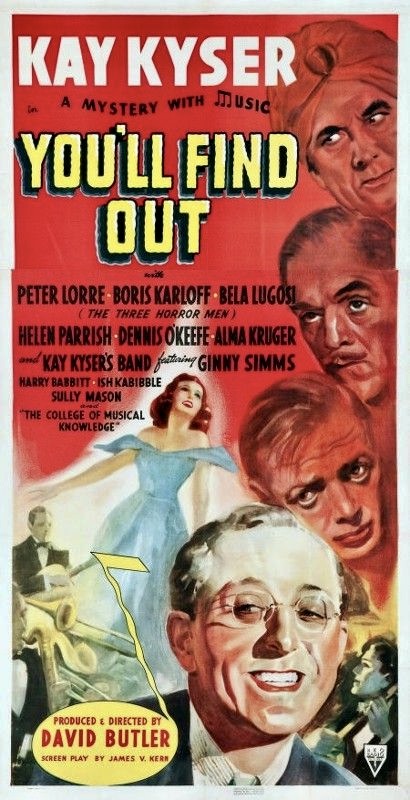
It’s hard to imagine what moviegoers today would make of Kay Kyser and his Kollege of Musical Knowledge, but during the late thirties and early forties the big band conductor was one of the most popular entertainers in America. Thanks to the medium of radio (which was at the height of its popularity during the WWII era), Kyser built up a huge fan base through his novelty act, a winning combination of music, humor and “kollege brainbuster questions” with a cash prize for the winner. Sporting wire-rim glasses, mortarboard and academic gown, Kyser created an eccentric bookworm persona for himself and surrounded himself with equally outlandish “colleagues,” one of the more famous being Ish Kabibble (the alter ego of musician M.A. Bogue). It was only a matter of time before Kyser took his act to Hollywood and, in 1939, RKO produced his first film, That’s Right, You’re Wrong. Its success led to a more ambitious second feature, You’ll Find Out (1940), which paired the bandleader with the triple threat team of Boris Karloff, Bela Lugosi and Peter Lorre.
Continue readingTag Archives: Boris Karloff
Memories of the 2011 TCM Classic Film Festival
*This article originally appeared on Movie Morlocks, Turner Classic Movies’s official blog in May 2011 (The blog was discontinued years ago and is no longer available)
In the event-packed hurly burly of TCM’s second annual Film Festival in Los Angeles from April 28-May 1 of 2011, I didn’t have a chance to blog about all of the films or attending guests that I saw but here are a few that linger in the memory and deserve to be singled out –cinematographer/director Haskell Wexler, who participated in a Q&A with Leonard Maltin before a screening of Who’s Afraid of Virginia Woolf?(1966), Hayley Mills, who appeared after a screening of Whistle Down the Wind (1961) with interviewer/author Cari Beauchamp, a midnight screening of The Mummy (1932) introduced by Boris Karloff fan Ron Perlman, Buster Keaton’s The Cameraman (1928) accompanied by a live orchestra score by Vince Giordano and His Nighthawks, the MoMA restoration print showing of 1933’s Hoopla (Clara Bow’s final film) and the underrated Ernst Lubitsch Pre-Code delight Design for Living (1933).
Continue readingVincent Price is Matthew Hopkins

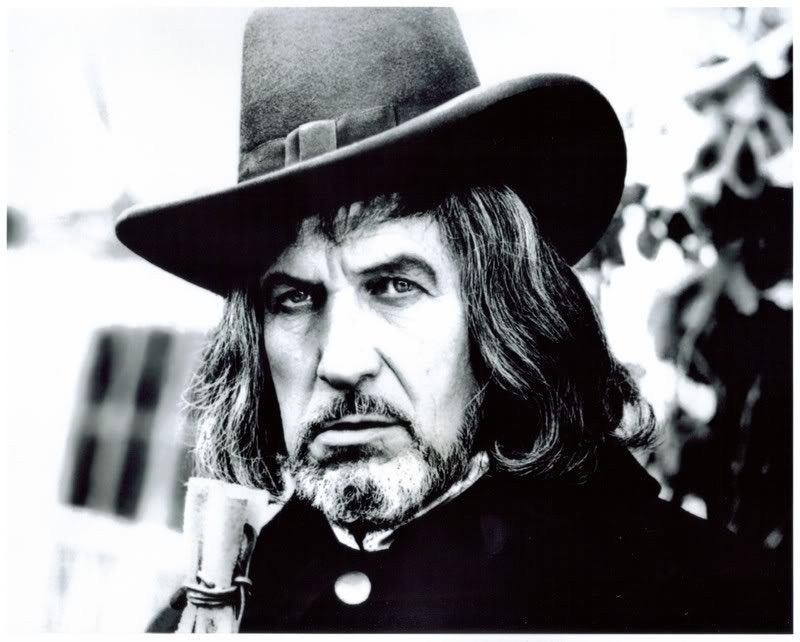
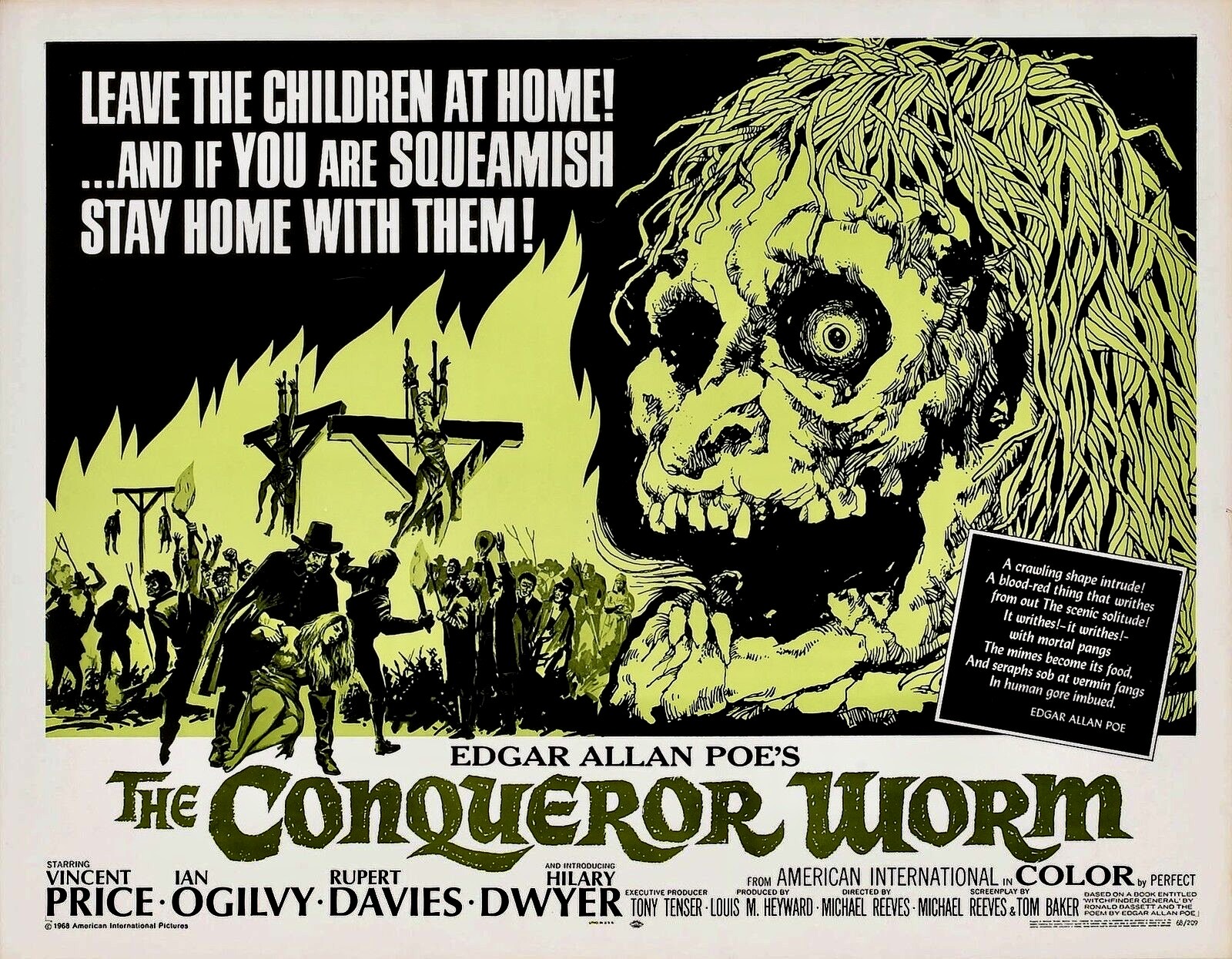
Vincent Price has always been associated with the horror genre even though he appeared in all kinds of other films during his career such as film noir (Laura), comedy (Champagne for Caesar), westerns (The Baron of Arizona), historical drama (The Private Lives of Elizabeth and Essex), science fiction (The Invisible Man Returns) and more. But his particular brand of villainy in horror films tend to be almost tongue-in-cheek with a macabre sense of humor and campy flourishes as in House on Haunted Hill (1959), The Tingler (1959), Diary of a Madman (1963) or Theater of Blood (1973), to name a few. His performance as infamous witch hunter Matthew Hopkins in The Conqueror Worm, however, was something else entirely – a genuinely chilling portrayal that was like nothing else he had ever done or would ever do again. Even today the intensity of his evil is the stuff of nightmares and he seems to be channeling the malevolent spirit of Hopkins in what is still a timely snapshot of political and religious persecution in the 17th century.
Continue readingLucille Ball, Douglas Sirk and a Serial Killer
That unlikely combination in the header is just part of the quirky appeal of Lured, a 1947 mystery released by United Artists which is also equal parts comedy and romance. It was a remake of the French film Pieges [1939] by Robert Siodmak and starred Erich von Stroheim, Marie Déa and Maurice Chevalier. Most biographers of Lucille Ball and director Douglas Sirk have routinely dismissed it as an insignificant film in their careers but I think part of the problem was that critics and audiences expected a genuine thriller and got something else entirely. It is an eccentric original and highly recommended for anyone who wants to see Lucille Ball in one of her most underrated and accomplished performances; she plays dance hall hostess hired by the police as an undercover female detective and “bait” for a London serial killer. Continue reading
Richard Stanley and H.P. Lovecraft
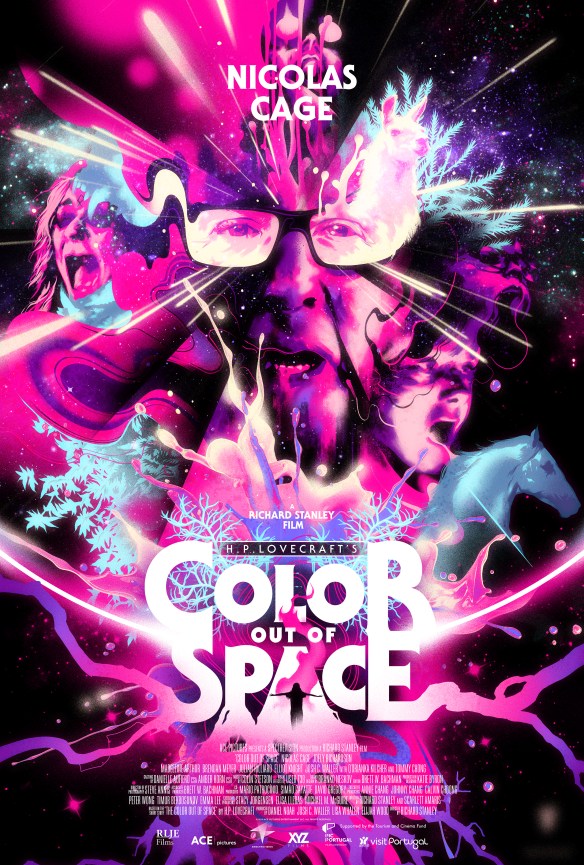
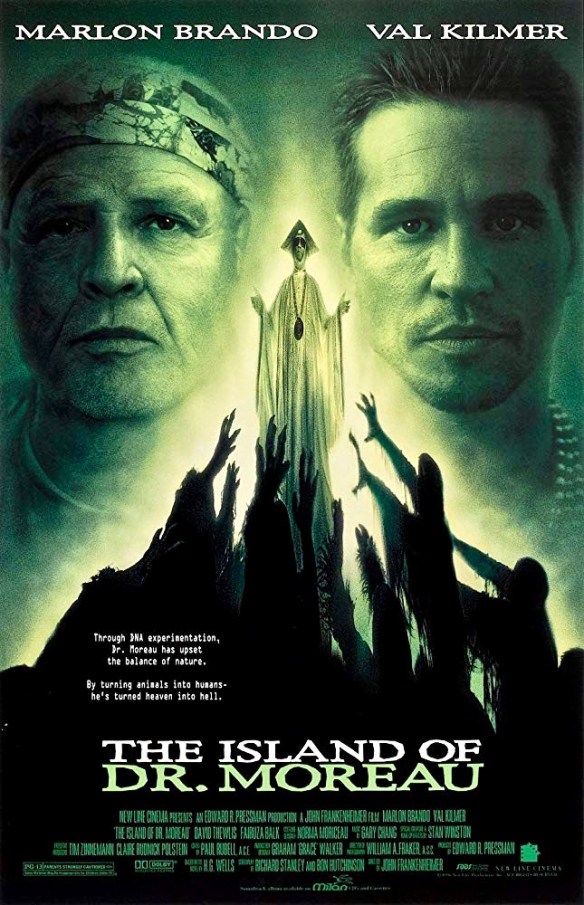
In 1990 South African filmmaker Richard Stanley made his feature film debut with Hardware, a post-apocalyptic tale about a killer cyborg on the rampage. Most critics who bothered to see it at the time dismissed it as a grungy rip-off of The Terminator and other genre favorites but it clearly had style to burn and sci-fi geeks embraced it despite the excessive violence (some of it was edited out in the original theatrical release). Next came Dust Devil (1992), an arty, mystical story of a demonic hitchhiker in pursuit of a runaway married woman in the African desert. It was distributed by Miramax and released in a re-edited version which added a narration and deleted 20 minutes. It was poorly distributed but Stanley’s dynamic visual aesthetic and offbeat narrative flourishes attracted the attention of Hollywood. Then New Line Cinema offered Stanley a dream project, a remake of H.G. Wells’ The Island of Dr. Moreau. 
It quickly became a nightmare project. A hurricane destroyed the sets just prior to shooting and Val Kilmer, coming off the mega-success of Batman Forever, undermined and intimidated Stanley and had him fired just days into production. His replacement was John Frankenheimer but even he couldn’t save the film from the damage inflicted by the self-destructive egos of Kilmer and Marlon Brando. The 1996 release was a cinematic train wreck and Stanley, depressed and dejected, appeared to abandon film making forever. Now, 23 years later, he returns from the wilderness with Color Out of Space, an effectively creepy and atmospheric sci-fi/horror thriller that might be one of the best film adaptations yet of H.P. Lovecraft’s famous short story. Continue reading
In Conversation with Peter Bogdanovich
The following conversation with Peter Bogdanovich was conducted in April 2010 just prior to the first official TCM Classic Film Festival in which the director co-hosted a screening with Vanity Fair writer David Kamp of Orson Welles’ The Magnificent Ambersons. Bogdanovich, of course, was a close friend of Welles’ and is the creator of that indispensible interview collection, This is Orson Welles. Among other topics discussed are such films as Targets, What’s Up, Doc?, Paper Moon, Saint Jack, unproduced Welles’ projects like Heart of Darkness and Welles’s obsession with fake noses. Continue reading
There’s No Business like Zombie Business……
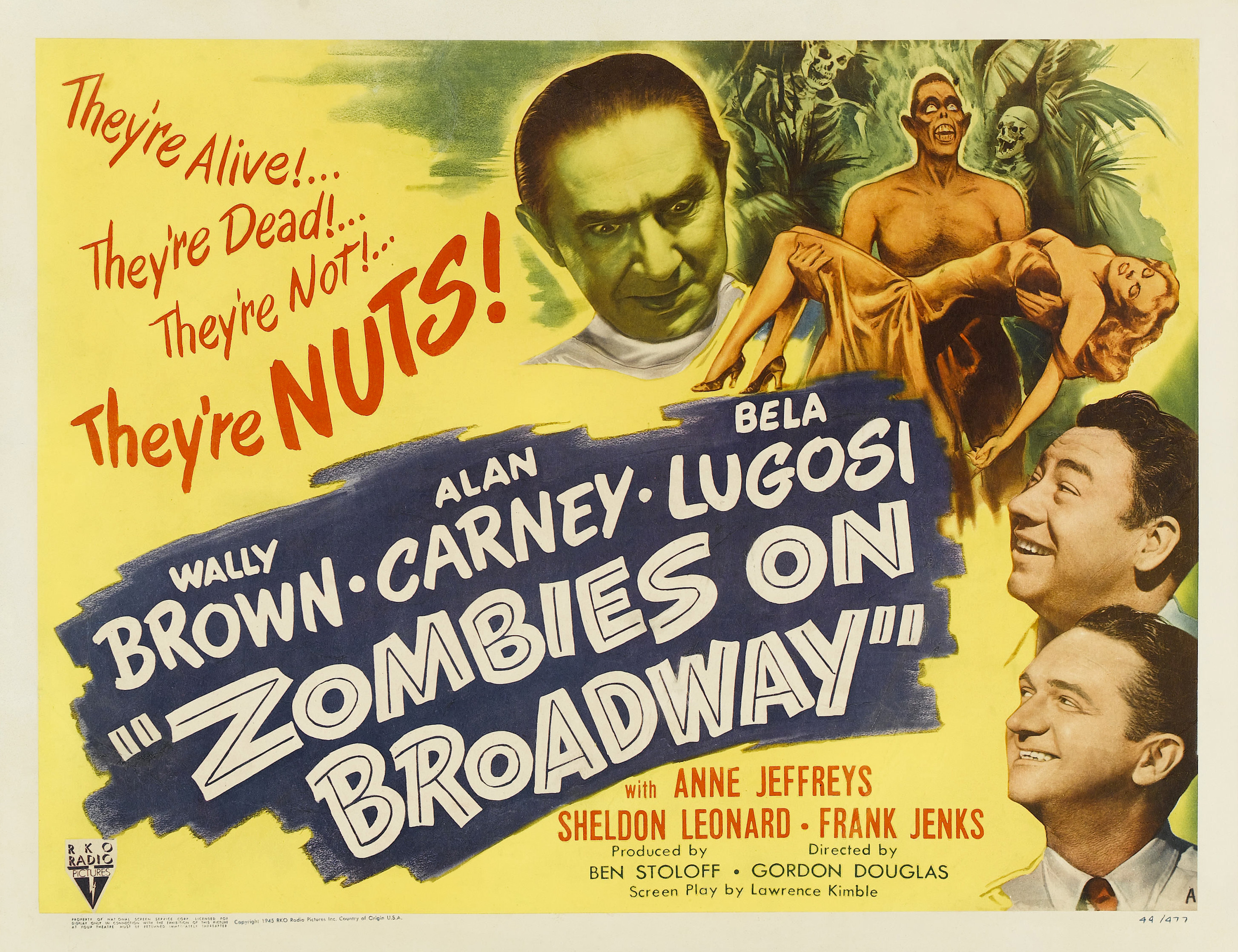
In 1941, the unexpected success of Buck Privates – a whopping $10 million dollar B-movie blockbuster – officially launched the comedy team of Abbott and Costello who became Universal Studios’ most profitable film franchise for more than a decade (The duo made their debut in One Night in the Tropics (1940) in supporting roles but the musical comedy with top billed Allan Jones and Nancy Kelly was not a boxoffice hit). Naturally, it inspired other studios to follow suit but it wasn’t as easy as it looked. Case in point – Wally Brown and Alan Carney (no relation to Art Carney), two former nightclub comedians recruited by RKO for a series of low-budget farces beginning with The Adventures of a Rookie (1943), a blatant attempt to ape the formula of Buck Privates. For critics who thought the humor of Abbott and Costello was déclassé, Zombies on Broadway (194) was a further step down but perfect for eight year old boys who enjoyed the simple concept of two nitwits with one (Brown) assuming superiority over his dim bulb pal (Carney). Continue reading
Scandal Sheet Smackdown
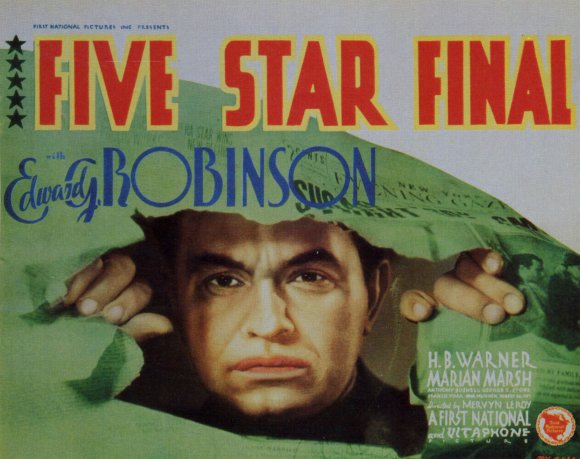
In the early thirties, most studios steered clear of social protest films but not Warner Bros. They embraced the genre with the same muckraking glee that characterized some of their subjects. Prison reform was addressed in one of their most famous films, I Am a Fugitive from a Chain Gang (1932), with equally controversial topics like the rise in urban crime and drug addiction among war veterans being presented in The Public Enemy (1931) and Heroes for Sale (1933), respectively. Five Star Final (1931), on the other hand, addressed a different type of social problem – tabloid journalism.
Continue reading