A Nouvelle Vague Musical?

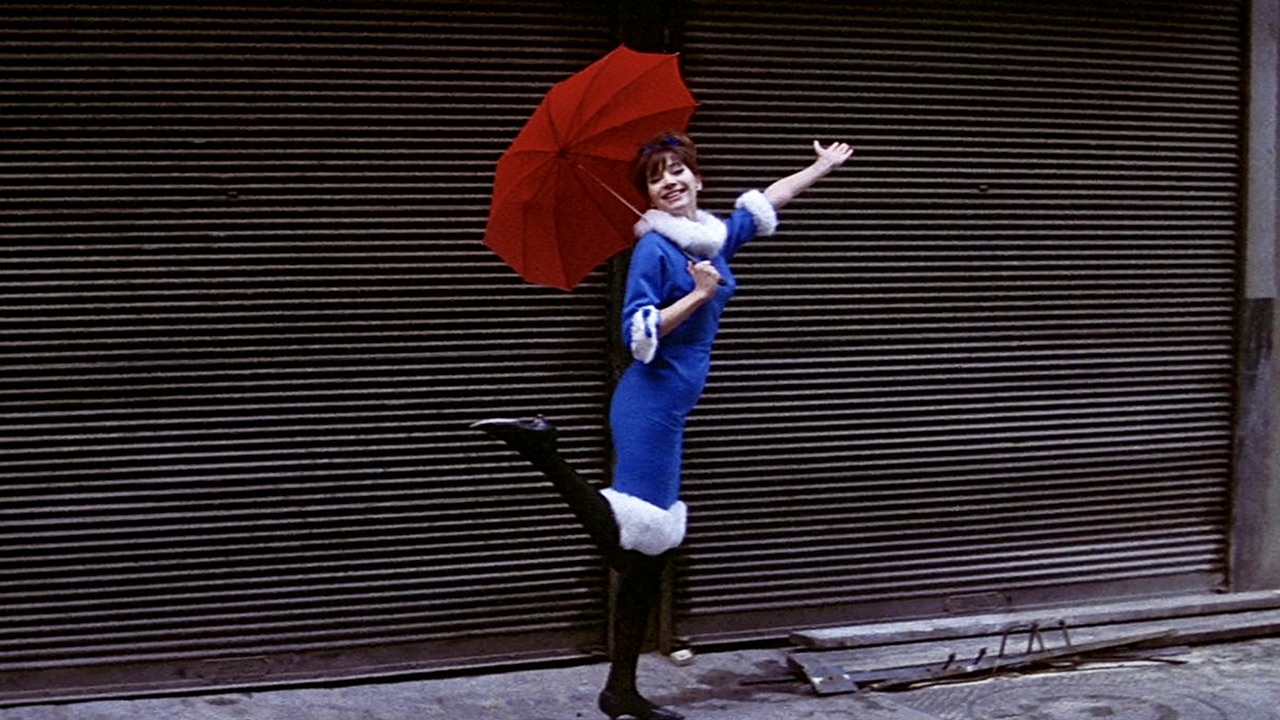
Angela (Anna Karina) imagines she is in a movie musical choreographed by Bob Fosse in A WOMAN IS A WOMAN (1961), directed by Jean-Luc Godard.

Of the more than 120 movies and short films in director Jean-Luc Godard’s oeuvre, there is really nothing like Un Femme est une Femme (English title: A Woman is a Woman, 1961). What other Godard creation could you describe as joyful, lighthearted and consistently playful? A homage to MGM musicals, romantic comedies a la Ernst Lubitsch and Hollywood productions shot in Cinemascope and Eastmancolor, A Woman is a Woman is essentially a valentine to Godard’s muse at the time, Anna Karina. It is also unlike any other musical ever made or even a Nouvelle Vague confection like Jacques Demy’s The Umbrellas of Cherbourg (1964).  Yet, for someone who has never seen a Godard film, it is an accessible entry point to his work and an example of why he was considered so innovative, daring and controversial for his time.

Continue reading

Gas, Food, Lodging…and Murder

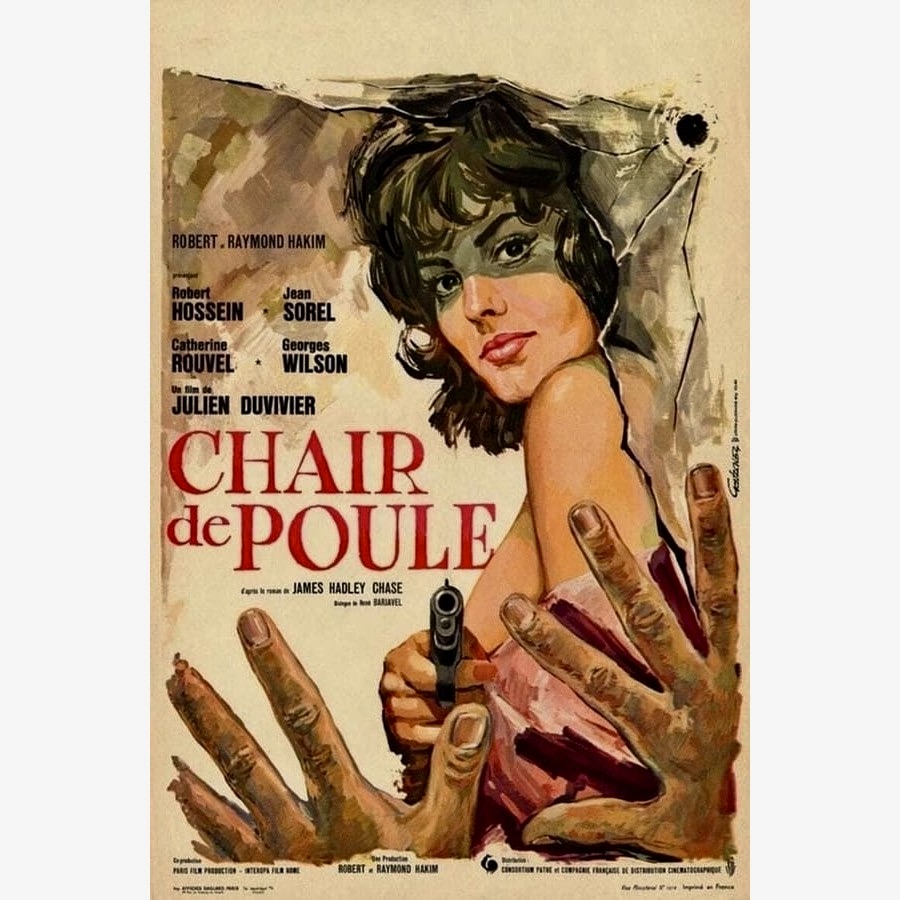
The French film poster for HIGHWAY PICK-UP (1963), a French crime drama directed by Julien Duvivier.

Daniel and Paul are professional locksmiths and good friends who work for the same company. When they mastermind the robbery of a client by breaking into a safe Daniel had previously repaired, the theft goes awry, with the client dying from a blow to the head. Paul escapes but Daniel is shot and injured by the police in the ensuing chase and sentenced to 20 years in prison. After a year in the stir, Daniel escapes by picking the jail cell lock (of course) and tries to elude the authorities in a desert-like region of Alpes-Maritimes in southeastern France. Under an assumed name, he manages to get hired on as an attendant at an isolated gas station run by Thomas and his sexy young wife Maria but Daniel soon realizes he has created a new prison for himself.

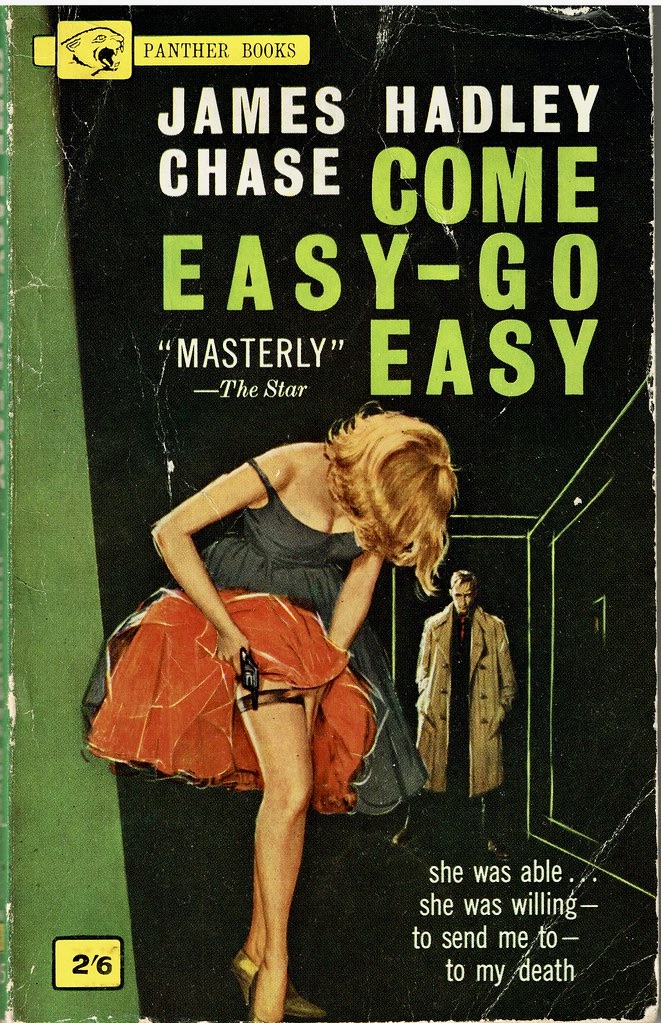
Based on the 1960 crime noir Easy Come, Easy Go by British author James Hadley Chase, Chair de Poule (English title: Highway Pick-Up, 1963) is the penultimate film of the legendary French director Julien Duvivier. If the basic premise sounds like it was inspired by The Postman Always Rings Twice, you wouldn’t be completely wrong. Chase (1906-1985), who used many pseudonyms during his career such as Raymond Marshall and Ambrose Grant, was actually motivated to become a writer after reading James M. Cain’s 1934 novel. Chase’s first novel, No Orchids for Miss Blandish (1939), was an overnight best seller and was adapted into a stage play and two film versions, one in 1948 and one in 1971, under the title The Grissom Gang, which was directed by Robert Aldrich.

Continue reading

Smells Like Teen Spirit

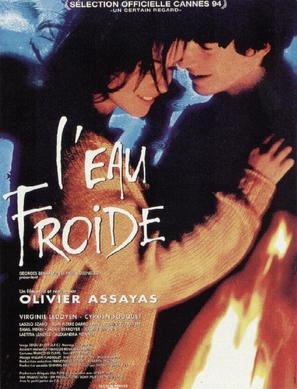
The French film poster for COLD WATER (1994)

Was high school the most emotionally turbulent rite of passage every teenager had to endure? For some, like French director Olivier Assayas, it was a period of time that helped transform him into the person he is today. Those years provided the raw material to create a deeply personal cinematic experience that was not just an artistic triumph in France but earned the director international attention and acclaim. L’eau Froide (English title: Cold Water, 1994) was Assayas’s fifth feature film but he credits it with being the movie that marks his first real breakthrough as a director. The story of Gilles (Cyprien Fouquet), a troubled student from an upper-class family, and his on-again, off-again infatuation with Christine (Virginie Ledoyen), a rebellious sixteen-year-old from a divorced working-class couple, is semi-autobiographical in nature with some incidents taken directly from the director’s life. Assayas would later state, “Cinema has the capacity for making you experience moments, emotion in your life and looking back on it I have the strange feeling that this movie belongs to the seventies.”

Continue reading

It Came from Brazil

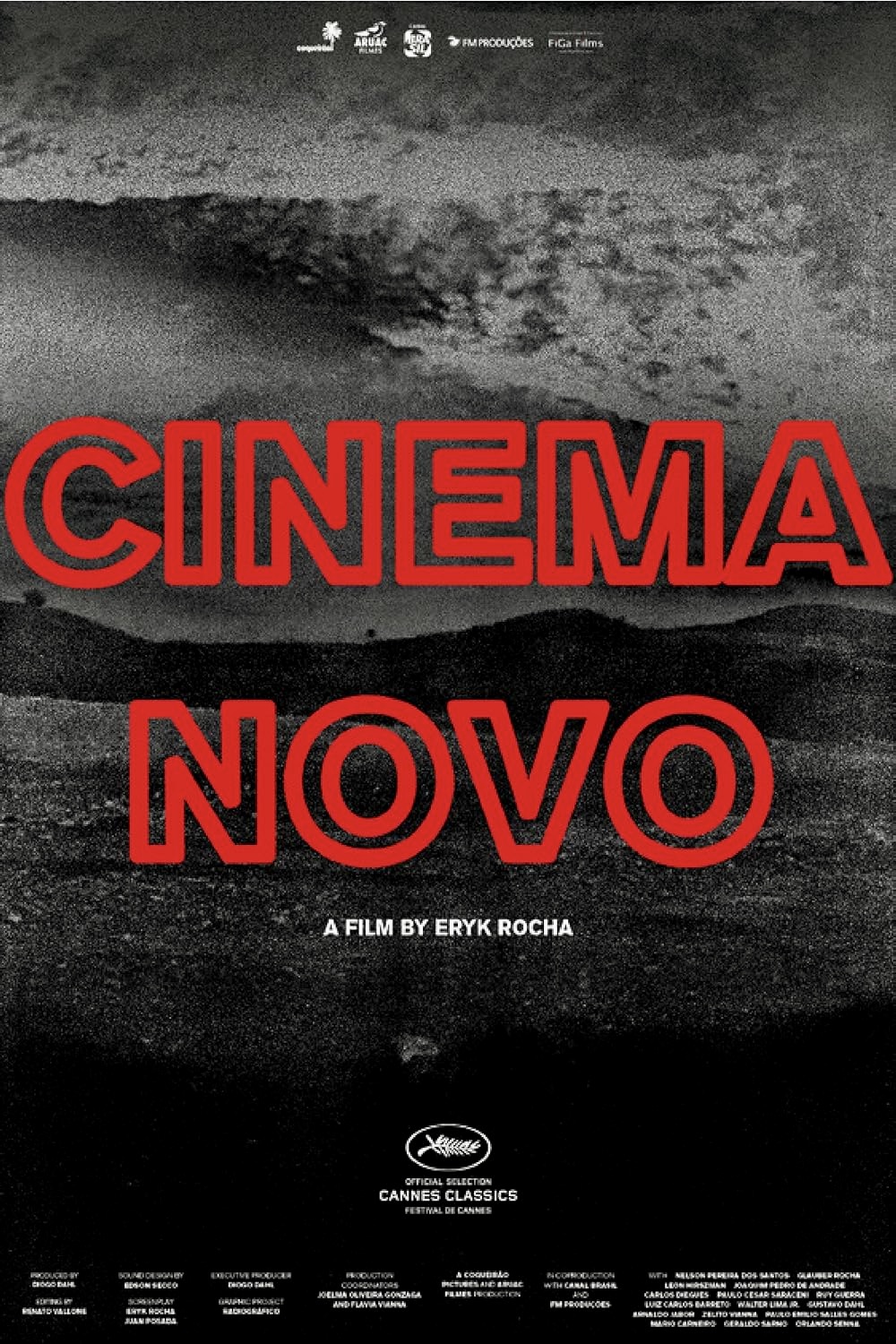
What are the circumstances that lead to the formation of a new film movement? For the pioneers of the neorealism movement in Italy, it was the need to address the problems of the country in the aftermath of WW2 when commercial films seemed irrelevant in comparison. In France during the late 1950s and early 1960s, it was the desire by the Nouvelle Vague filmmakers to break away from the aesthetics of studio made films in favor of new and more relevant subject matter and production methods. And, in Brazil during this same time period, it was also a generational response by young filmmakers to their country’s cinema, which became known as the Cinema Novo movement. Yet, it wasn’t just a revolt against the traditional commercial movies of Brazil but an effort to address, discuss and critique aspects of the country’s national identity on the world stage. Cinema Novo (2016), a documentary by Eryk Rocha (son of director Glauber Rocha), is a non-traditional approach to the genre which immerses the viewer in a visual and aural whirlwind that captures the power, passion and creativity of the movement. The Hollywood Reporter called it “a pure bombardment of the senses” and that’s a compliment.

Continue reading

A City or a Labyrinth?

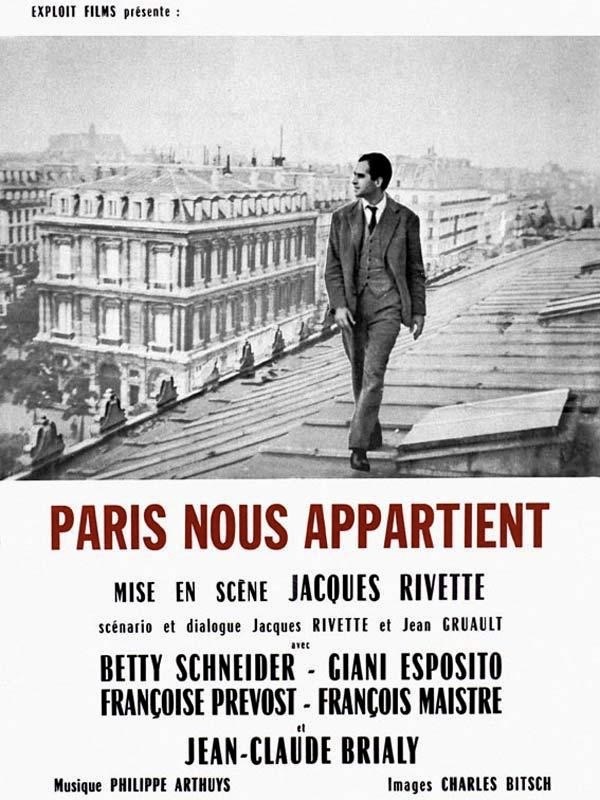
Whether by accident or design, French filmmaker Jacques Rivette is probably the least known member of the influential Nouvelle Vague movement of the late fifties though, like Jean-Luc Godard, Francois Truffaut, Eric Rohmer, and Claude Chabrol, he too was a former writer and film critic for Cashiers du Cinema. He even started production on his first feature length film, Paris Belongs to Us (French title: Paris Nous Appartient), in 1957, before Chabrol, Truffaut and Godard began work on what would become their universally acclaimed debuts of, respectively, Le Beau Serge (1958), The 400 Blows (1959) and Breathless (1960). Yet, despite the artistic and liberating impact the latter three films had on world cinema, Paris Belongs to Us might be the most ambitious, challenging and intellectually provocative film of the whole movement. It is also the darkest, waltzing toward an imagined or possibly real oblivion. The Homeland Security System would give it a code orange classification.       

Continue reading

Melvin Van Peebles in Paris

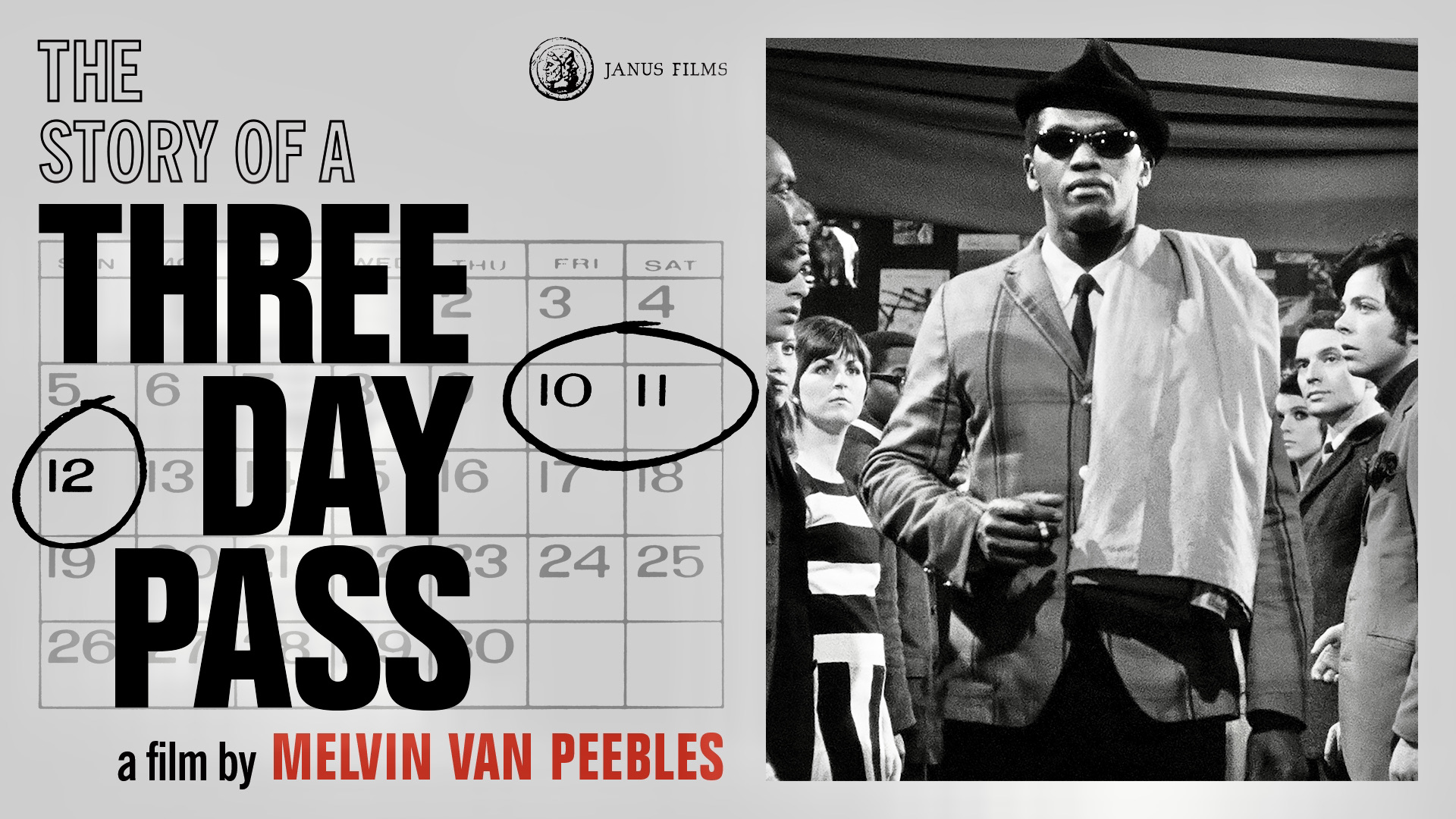
Is your dream to become a film director? Well, don’t expect Hollywood to give you a leg up. You need to forge your own path and think creatively like Melvin Van Peebles. When he tried to find employment in the Los Angeles-based film industry, a movie executive told him there were no jobs but there might be an opening for an elevator operator. Van Peebles’s solution was to figure it out on his own and taught himself the basics through making some film shorts. Eventually, he relocated to Paris and reinvented himself as a novelist, journalist and short story author. As a writer in France, he was eligible for a director’s card so he applied, got it and adapted his 1967 novel La Permission as his feature film debut under the title, The Story of a Three-Day Pass (1968). The story depicts a brief romance between a black U.S. soldier stationed in France and the French woman he meets in a Parisian nightclub. The premise might sound simple and straightforward but the execution is decidedly original, resembling a merger between Nouvelle Vague filmmaking techniques and Van Pebbles’ own idiosyncratic directorial choices.

Continue reading

Oedipus Rex in Drag

Next to William Shakespeare, Sophocles is probably the most enduring and internationally renowned dramatist in terms of his work still being adapted for the stage, television and cinema and I doubt you will find a more bizarre or outre version of his Greek tragedy Oedipus Rex than Funeral Parade of Roses. Directed by Japanese avant-garde filmmaker Toshio Matsumoto, this revelatory 1969 movie – it was his first feature film after several experimental shorts – is just as fresh and startling today as it was when it first appeared over fifty years ago.    Continue reading

Missing in Action: Birds in Peru Starring Jean Seberg

Jean Seberg in Birds in Peru (1968)

Jean Seberg in Birds in Peru (1968)

There is a popular misconception these days that almost any movie you want to see is available for streaming or viewing somewhere in cyberspace but that simply isn’t true. Thousands of films go missing, become inaccessible or go into distribution purgatory as the years pass and they become forgotten in time. Birds in Peru (aka Birds Come to Die in Peru) would probably be forgotten too if it hadn’t received such scathing reviews upon its original release in 1968.     Continue reading