The Scumbag Annihilator

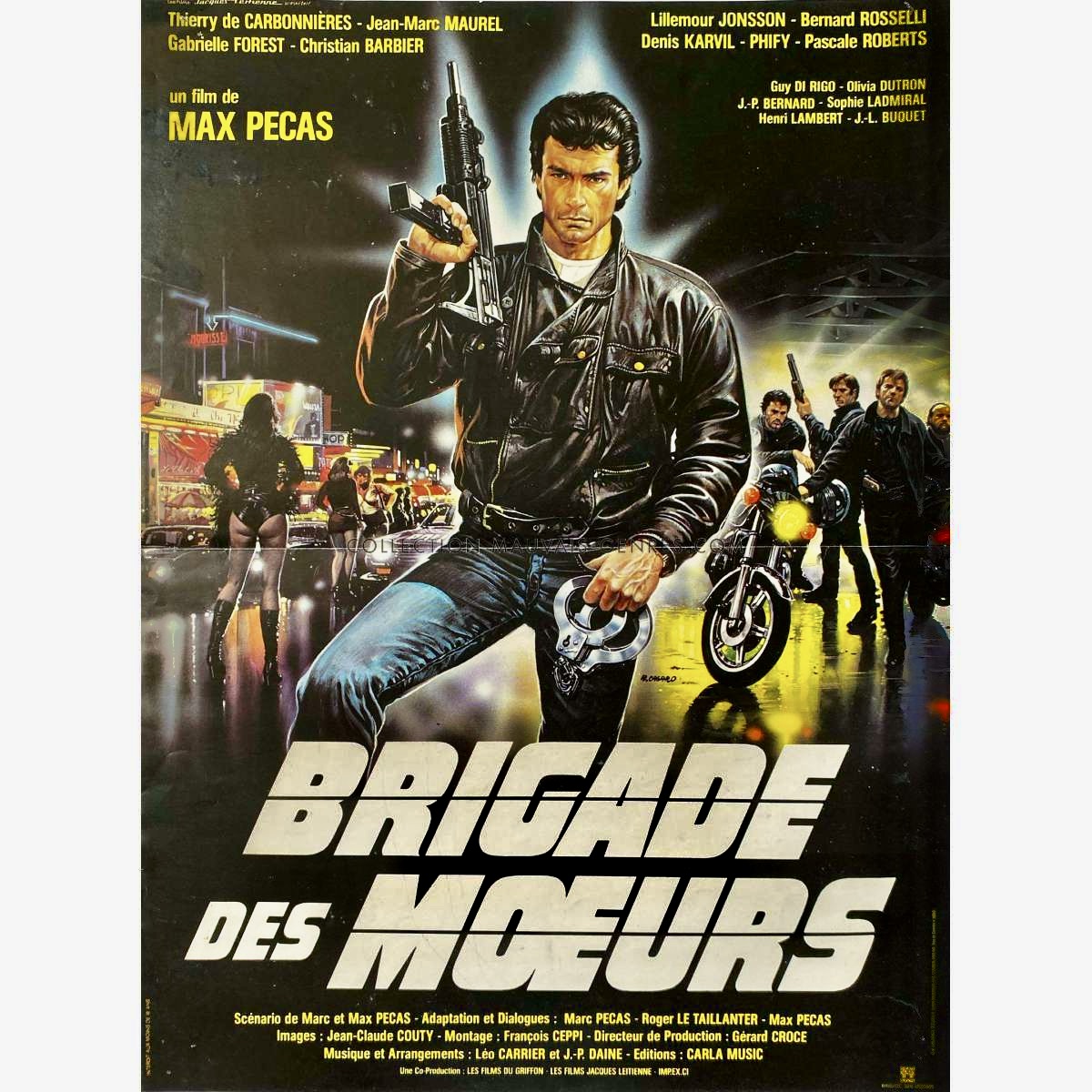
The French film poster for the 1985 exploitation cop thriller DEATH SQUAD, directed by Max Pecas.

You may not know the name Max Pecas, but along with Jose Benazeraf and Jean Rollin, he was one of the more famous French directors of softcore erotic/exploitation films of the 60s and 70s. Two of his earliest films helped launch the film career of German sexpot Elke Sommer. De Quoi tut e Meles Daniela! (English title: Daniella by Night, 1961) was an espionage melodrama highlighted by some brief nudity of the lead actress and Douce Violence (English title: Sweet Violence, 1962) depicted jaded teenagers going wild on the Riviera in a style imitative of the New Wave films of that era. Pecas later moved on to more explicit adult fare in films like The Sensuous Teenager aka I Am a Nymphomaniac! (1971) and I Am Frigid…Why? (1972) before turning out some genuine hardcore X-rated features such as Felicia (1975) and Sweet Taste of Honey (1976), which were also released in edited R-rated versions. Despite low budgets, his films often had a classy veneer with gorgeous actresses but critics routinely derided his work despite their popularity with grindhouse audiences. Then toward the end of his career, Pecas surprised everyone with a dynamic but violent crime thriller set in the seedy underworld of Paris – Brigade des Moeurs (English title: Brigade of Death aka Death Squad, 1985) – which was closer to the gritty style of an Abel Ferrara film like Ms. 45 (1981) or Fear City (1984).

Continue reading
Where the Wild Things Are

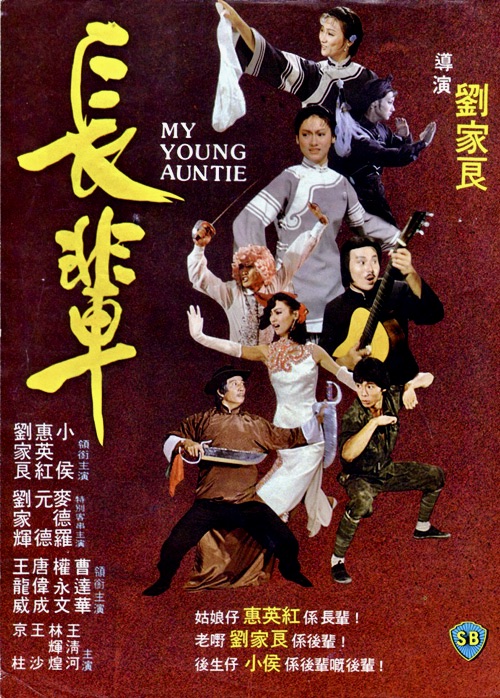
Remember the first wave of Hong Kong cinema to hit American movie screens in 1972? Bruce Lee was transformed into an international superstar after the release of The Big Boss and Fist of Fury and other martial arts masters like Jimmy Wang Yu and Lieh Lo developed cult followings for films such as One-Armed Boxer and Five Fingers of Death. Most of these movies were the product of a male-dominated film industry but, as early as the mid-sixties, female heroines begin to emerge in the genre as witnessed by Cheng Pei Pei in King Hu’s Come Drink with Me (1966). Others would follow like Angela Mao in Deadly China Doll (1973) and Kara Hui in My Young Auntie (1981).

The Hong Kong movie business became even more diversified in 1988 after a new censorship ordinance created a rating system: Category I (general viewing), Category II (parental guidance) and Category III (adults only over 18 years of age). That third category quickly became notorious for an anything-goes-approach to the depiction of sex and violence on-screen. A major turning point was 1991 when Michael Mak’s Sex and Zen, Robotrix starring Amy Yip, and Black Cat with Jade Leung in the title role were among the first to push these boundaries to extremes in Hong Kong cinema. Martial arts actioners got even more outrageous the following year with the release of Chik Loh Goh Yeung (English title: Naked Killer (1992), in which a pair of lesbian assassins terrorize the male scumbags of Hong Kong before squaring off against a rival duo of lesbian hired killers.

Continue reading

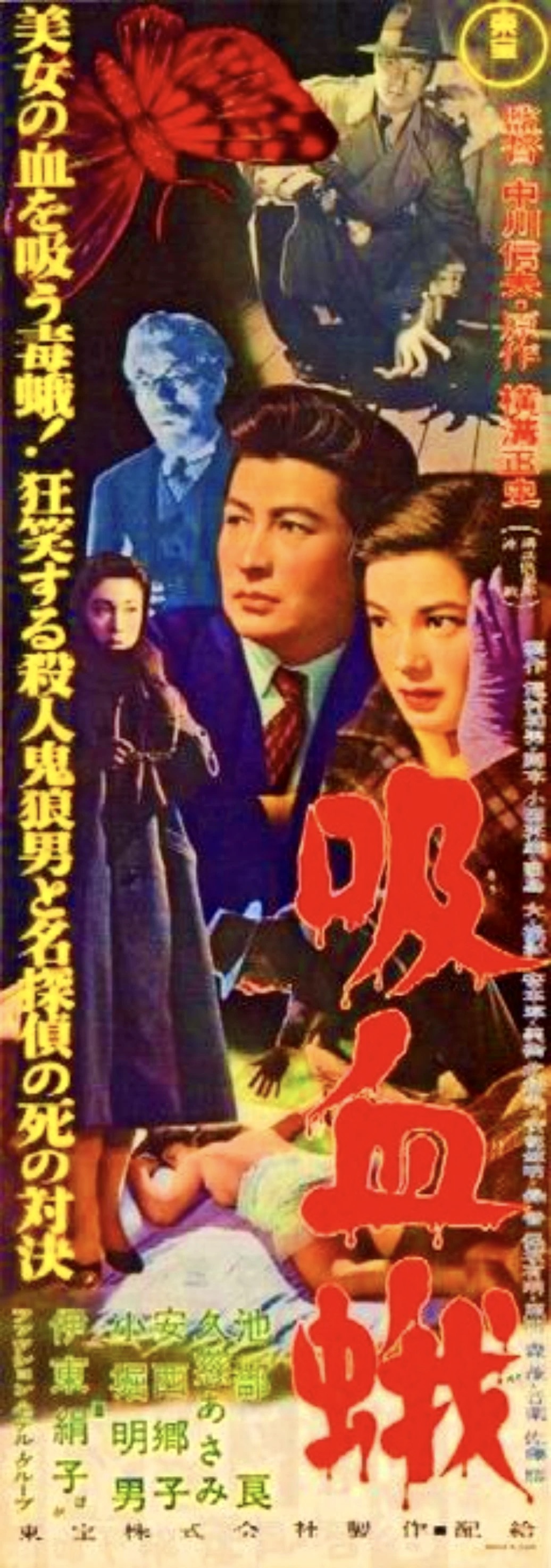
The Vampire Moth

The Japanese film poster for Kyuketsu-ga (English title: THE VAMPIRE MOTH, 1956).

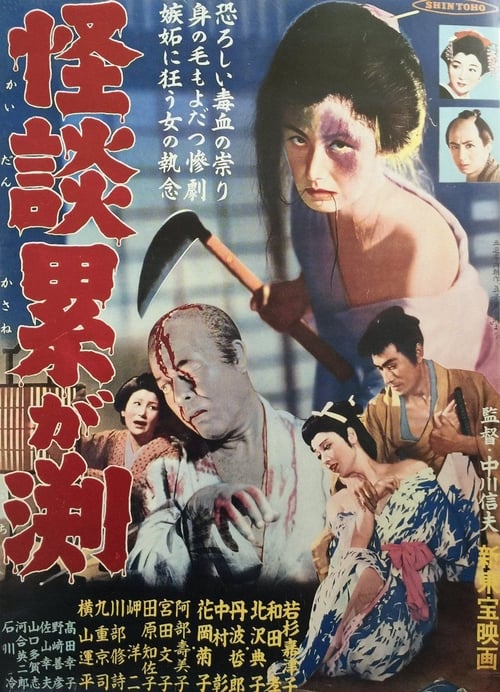
There are a number of classic Japanese horror/fantasy films from the fifties and sixties that genre fans in the U.S. have read about but never seen due to their unavailability on DVD or Blu-ray. In recent years a few of these have appeared in domestic release versions such as Nobuo Nakagawa’s 1960 allegorical masterpiece Jigoku (released by The Criterion Collection), in which a hit-and-run driver literally goes to hell, and the director’s 1968 supernatural tale Snake Woman’s Curse (released by Synapse Films). Many of the most famous examples of Japanese fantasy/horror from this period, however, still remain elusive for American viewers unless you own an all-region DVD/Blu-ray player and are willing to purchase import discs from Japan, often with no English subtitles. It is also true that many of these classic genre efforts were directed by Nakagawa who is famous for supernatural chillers as The Ghosts of Kasane Swamp (1957), Black Cat Mansion (1958), and The Ghost of Yotsuya (1959). But I have to admit that one of the director’s creepiest and least seen films is Kyuketsu-ga (English title: The Vampire Moth, 1956), which combines mystery thriller tropes with grotesque horror elements to achieve a delightfully macabre brew.

The Japanese poster for Kaidan Kasane-ga-fuchi (English title: THE GHOSTS OF KASANE SWAMP aka THE DEPTHS, 1957).
Continue reading

The Stiletto Club

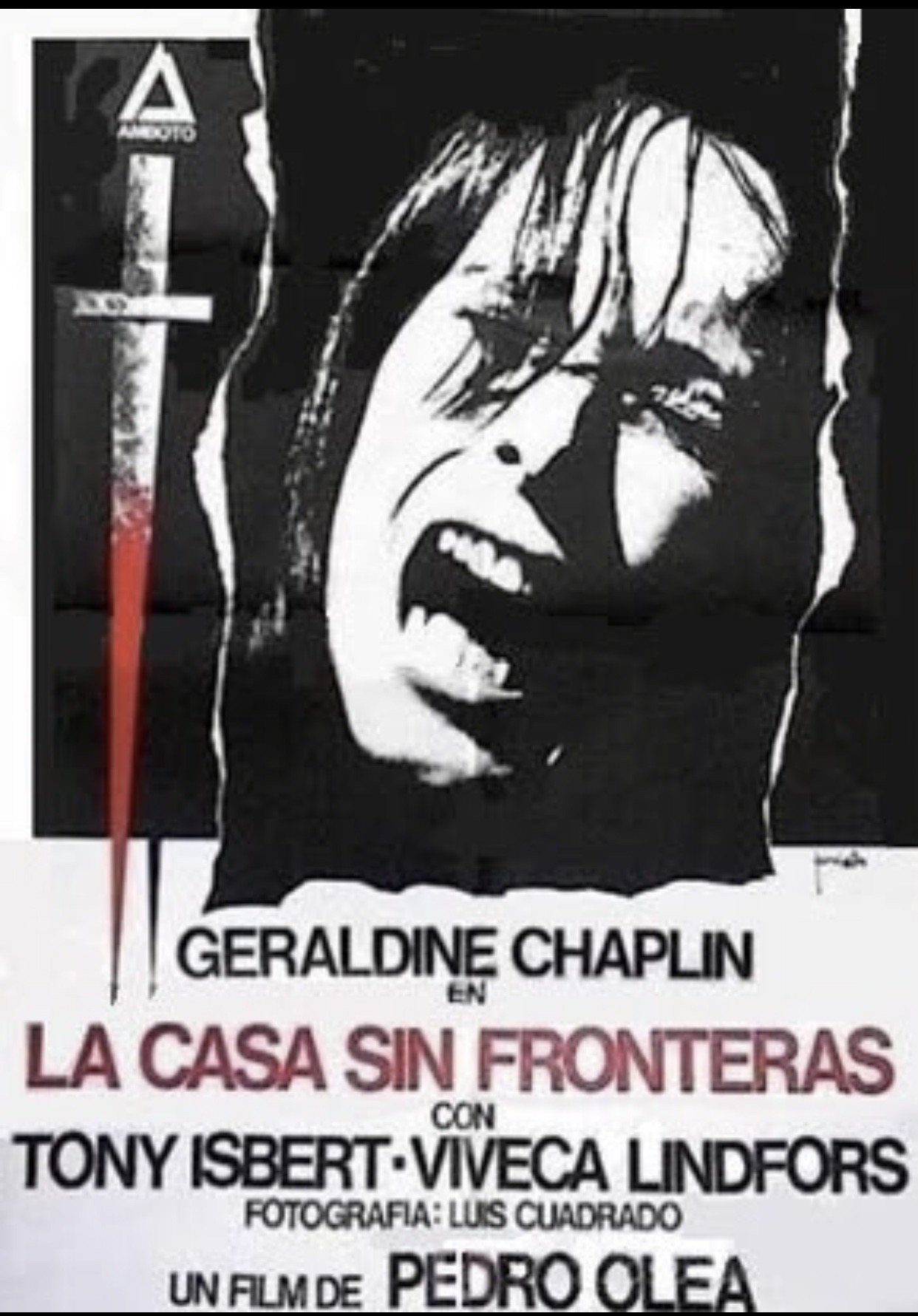
Conspiracy thrillers have been a popular subgenre in movies ever since the silent era with such memorable entries as The Ace of Hearts (1921) in which Lon Chaney stars as a member of a secret society that gets rid of people deemed unfit to live among them. Alfred Hitchcock’s The 39 Steps (1935) is an equally menacing early talkie classic and The Manchurian Candidate (1962), about a brainwashed ex-military hero being controlled by political subversives, is probably the best-known representative of all. However, it wasn’t until the 1970s that conspiracy thrillers reached an all-time high in popularity as witnessed by such iconic Hollywood releases as The Parallax View (1974), The Conversation (1974), Three Days of the Condor (1975), Capricorn One (1977) and The Boys from Brazil (1978). Other countries contributed their own variations on the genre like Spain, which released La Casa sin Fronteras (English title: The House Without Frontiers), a deeply unsettling effort from director Pedro Olea, which was made while General Franco was still in power and which prefigures the paranoid scenarios made popular by The Parallax View and others.

Continue reading

Strangers on a Gondola

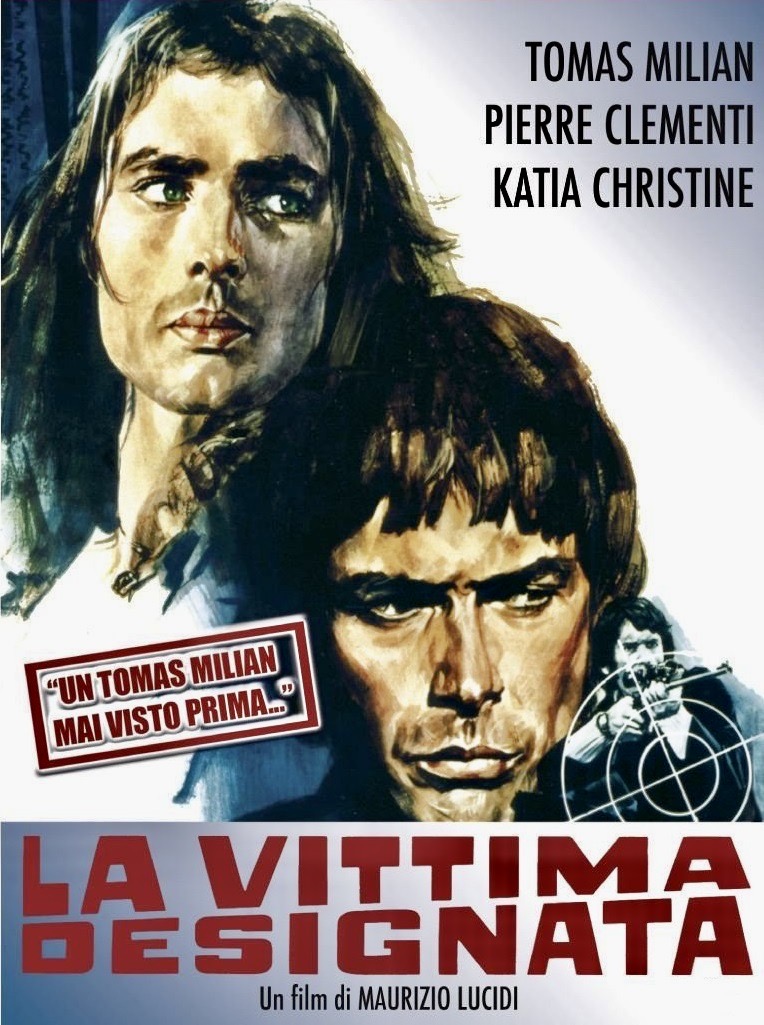
The Italian film poster for THE DESIGNATED VICTIM (1971).

The first Patricia Highsmith novel to be adapted to film was the author’s first book, published in 1950, Strangers on a Train, which Alfred Hitchcock made into a movie the next year. Yet, with the exception of U.S. television which adapted some of Highsmith’s stories for the small screen (The Talented Mr. Ripley for Studio One in Hollywood in 1956, The Perfect Alibi for Jane Wyman Presents The Fireside Theatre in 1957, Annabel for The Alfred Hitchcock Hour in 1962), no American film director would attempt another Highsmith screen adaptation for many years. European filmmakers, however, have returned again and again to her perversely fascinating thrillers which are marked by their disturbing psychological detail and macabre humor. Among these are René Clément’s visually stunning Purple Noon (1960), an adaptation of The Talented Mr. Ripley, Claude Autant-Lara’s Enough Rope (1963), based on the novel The Blunderer, Wim Wenders’ hallucinatory noir The American Friend (1977), adapted from Ripley’s Game, This Sweet Sickness (1977) by French director Claude Miller, and most famously Anthony Minghella’s The Talented Mr. Ripley (1999). Yet, one of the least known – and uncredited – adaptations is La Vittima Designata (English title: The Designated Victim, 1971), which is a very loose, revisionist version of Strangers on a Train with colorful Italian location shooting in Venice, Milan and Lake Como.  

Continue reading

Art Direction by Antonio Gaudi

La Sagrada Familia, the iconic masterpiece by Catalan architect Antoni Gaudi in Barcelona, is still a work in progress after more than a century.

Anyone who has seen a few movies filmed in Barcelona, Spain, has undoubtedly caught a glimpse or maybe even a close-up of one of the architectural wonders created by Antoni (aka Antonio) Gaudi or one of his contemporaries such as Lluis Domenech I Montaner or Josep Puig I Cadafalch in the “Modernisme” movement of 1888-1911. This brief period resulted in awe-inspiring buildings and structures with designs based on organic forms or taken directly from nature – beehives, mushrooms, stalactites – that broke away from conventional design and accented curves and rich ornamentation (broken pieces of colorful ceramic tile worked into wall mosaics). This unique architectural style is an art director’s dream and a natural for the screen, which is why it has been the co-star in countless movies filmed in Barcelona such as Susan Seidelman’s Gaudi Afternoon (2001) and L’Auberge espagnole (2002), in which Gaudi’s still-in-progress La Sagrada Familia (it was started in 1883) is prominently featured.

Continue reading

…And You Thought Donald Pleasence Was Creepy?

Angela Pleasence stars in the 1974 psychodrama SYMPTOMS, directed by Jose Ramon Larraz.

Angela Pleasence, like her father, has a face made for the cinema though not in the realm of conventional leading ladies. Even as a young actress appearing in bit parts in movies like Here We Go Around the Mulberry Bush (1968) and The Love Ban (1973), she was never a winsome ingénue or the lovable girl next store. Her uniquely peculiar beauty – especially those hungry eyes that bore holes right through you – must have somehow hindered her movie career because her film roles have been few and far between. She is mostly remembered for her television work, particularly her role as Catherine Howard in the 1970 TV mini-series The Six Wives of Henry VIII, but she should have had the film career her father had on the basis of Symptoms (1974) alone.  

Continue reading

Turkish Delights

The Turkish film poster for THE DEATHLESS DEVIL (1972).

Adventurous film lovers can always rely on Mondo Macabro to expose them to something weird and wonderful like the nutty Indonesian fantasy adventure The Warrior (1981) starring Barry Prima or the diabolically creepy Queens of Evil (1970), an Italian supernatural thriller. Occasionally MM also releases some killer double features such as the twin pairing of the vampire tale Bandh Darwaza (1990) and Purana Mandir (1984) featuring a baby-eating fiend; both of which are featured in Volume 1 of their Bollywood Horror Collection. Still, my favorite double bill from the maverick DVD/Blu-ray outfit is a double dose of Turkish pop cinema that pairs Tarkan vs. the Vikings (1971, aka Tarkan Viking kani), with The Deathless Devil (1973, aka Yilmayan seytan).

Continue reading

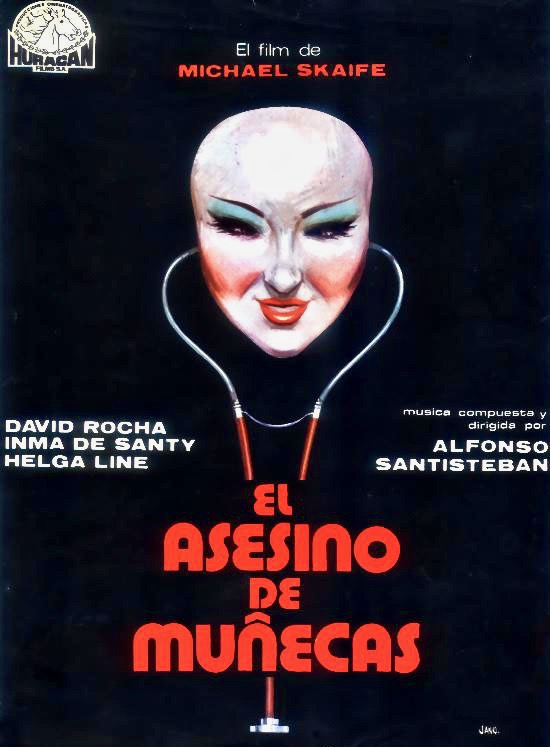
Freaking Out in Franco Era Spain

Not all film preservationists are focused on saving and restoring lost classics of silent and early cinema like Abel Gance’s Napoleon (1927) or overlooked noir indies from Hollywood’s golden era such as Richard Fleischer’s Trapped (1949). Mondo Macabro, which has been around since 2003 or so, is dedicated to introducing movie lovers to fringe cinema from around the world – obscure genre films that run the gamut from horror to sexploitation to art house oddities from countries as far flung as Japan, Latvia and South Africa. Among some of their offbeat releases are Lady Terminator (1989), a cheesy Indonesian rip-off of James Cameron’s The Terminator, The Living Corpse (1967), a vampire thriller from Pakistan, and Strip Tease (1963), a melancholy French drama starring Nico (of The Velvet Underground) with music by Serge Gainsbourg and Alain Goraguer. The company’s most recent release on Blu-Ray, The Killer of Dolls (El asesino de manecas, 1975), is easily one of their most peculiar and transgressive acquisitions to date.  Continue reading