John Drew Barrymore Double Feature

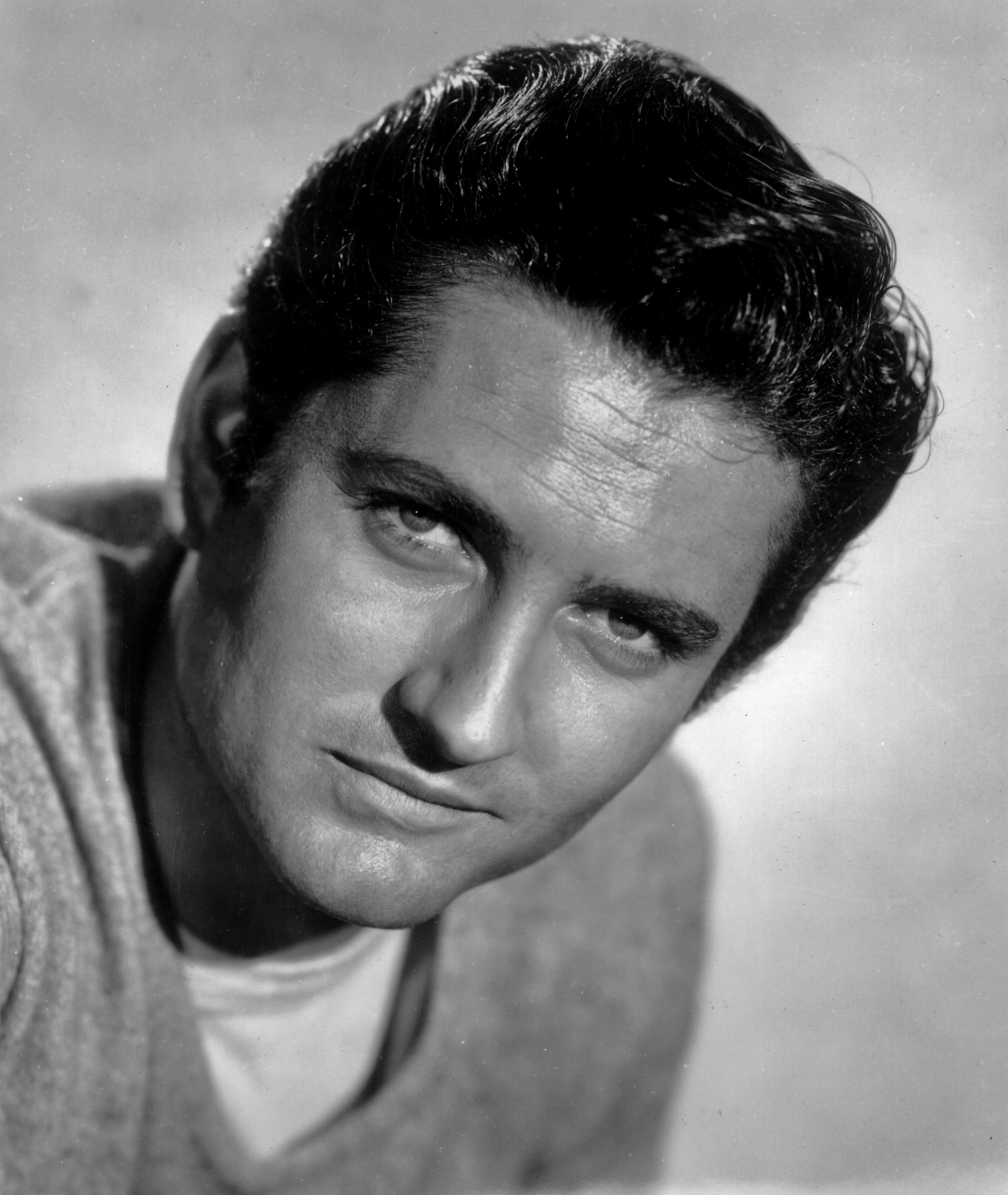
Actor John Drew Barrymore aka John Barrymore Jr.

What film or theater buff is not familiar with the House of Barrymore, the acting dynasty known as the “Royal Family of the American Stage”? Led by Lionel Barrymore (1878-1954), the oldest of three acting siblings, including sister Ethel (1979-1959) and younger brother John (1882-1942), the trio dominated the Broadway stage during the early 1900s as well as the film industry of the silent and early sound era. Today, Drew Barrymore, the granddaughter of John Barrymore, is arguably as famous as he was during his era but the actress’s father, John Barrymore Jr., and his stepsister Diana Barrymore, are practically forgotten. Both were promising actors at the start of their career but personal problems and drug and alcohol addictions ended up derailing any opportunities in the profession.
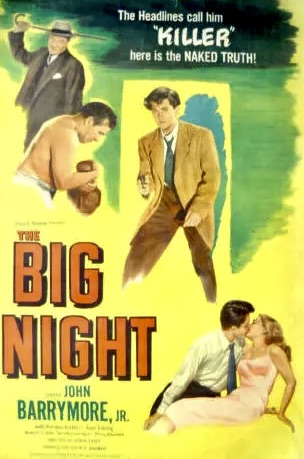
Diana was better known as a stage actress and only ended up making a handful of minor films before her early death at age 38 in 1960 but John Barrymore Jr. had a much longer film career and had the looks and potential talent to be a major star. He made his film debut in the 1950 western The Sundowners and attracted considerable attention in the starring role of his fourth movie, The Big Night (1951), directed by Joseph Losey. As an angry teenager seeking to avenge an assault on his father, John Jr. gives a moody, Method acting-style performance which prefigured the rise of rebellious screen icons like Marlon Brando and James Dean. His acting garnered some good reviews but it wasn’t a breakout success or help to advance his career. And he soon became unemployable in Hollywood due to unprofessional behavior on film sets and high profile press coverage of his abusive behavior toward his first wife, Cara Williams (an Oscar nominee for Best Supporting Actress in The Defiant Ones, 1958). Looking for new acting opportunities, he moved to Italy in the early sixties where he made thirteen movies over a five-year period, mostly low-budget genre films that included historical dramas (The Night They Killed Rasputin (1960), peplums (The Trojan Horse, 1961) and melodramas (A Game of Crime, 1964). I am highlighting two of his better efforts, Ti Aspettero all’inferno aka I’ll See You in Hell (1960) and Delitto allo Specchio aka Death on the Fourposter (1964) in this post.

Continue reading
Strangers on a Gondola

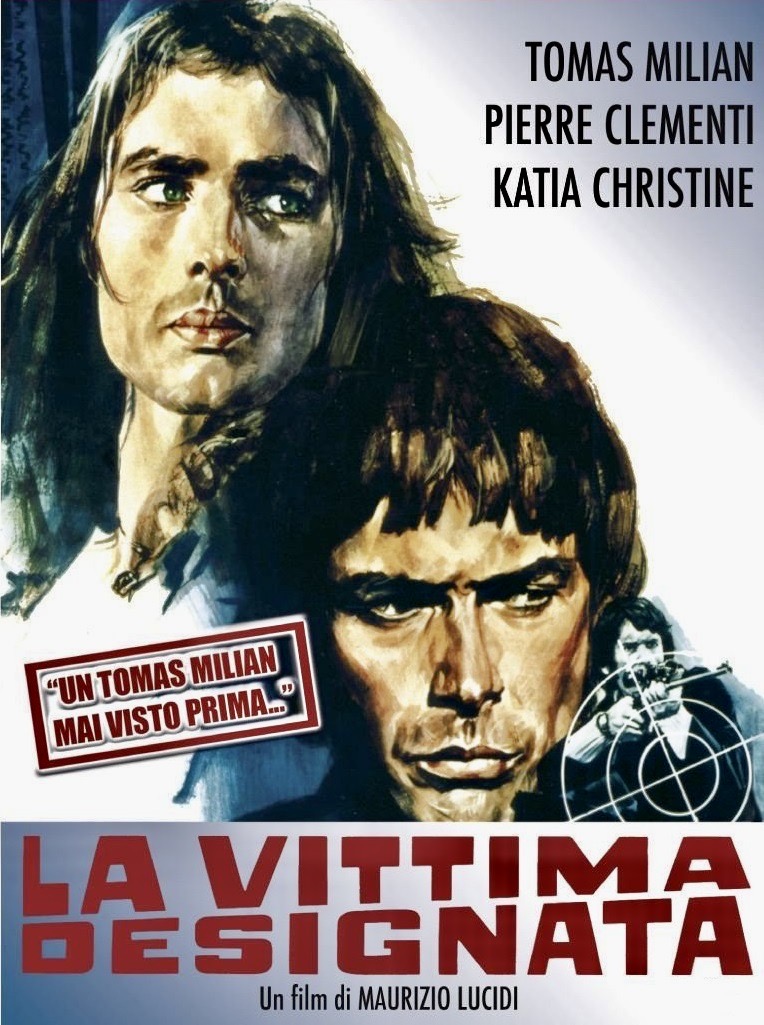
The Italian film poster for THE DESIGNATED VICTIM (1971).

The first Patricia Highsmith novel to be adapted to film was the author’s first book, published in 1950, Strangers on a Train, which Alfred Hitchcock made into a movie the next year. Yet, with the exception of U.S. television which adapted some of Highsmith’s stories for the small screen (The Talented Mr. Ripley for Studio One in Hollywood in 1956, The Perfect Alibi for Jane Wyman Presents The Fireside Theatre in 1957, Annabel for The Alfred Hitchcock Hour in 1962), no American film director would attempt another Highsmith screen adaptation for many years. European filmmakers, however, have returned again and again to her perversely fascinating thrillers which are marked by their disturbing psychological detail and macabre humor. Among these are René Clément’s visually stunning Purple Noon (1960), an adaptation of The Talented Mr. Ripley, Claude Autant-Lara’s Enough Rope (1963), based on the novel The Blunderer, Wim Wenders’ hallucinatory noir The American Friend (1977), adapted from Ripley’s Game, This Sweet Sickness (1977) by French director Claude Miller, and most famously Anthony Minghella’s The Talented Mr. Ripley (1999). Yet, one of the least known – and uncredited – adaptations is La Vittima Designata (English title: The Designated Victim, 1971), which is a very loose, revisionist version of Strangers on a Train with colorful Italian location shooting in Venice, Milan and Lake Como.  

Continue reading

Hell is Other People

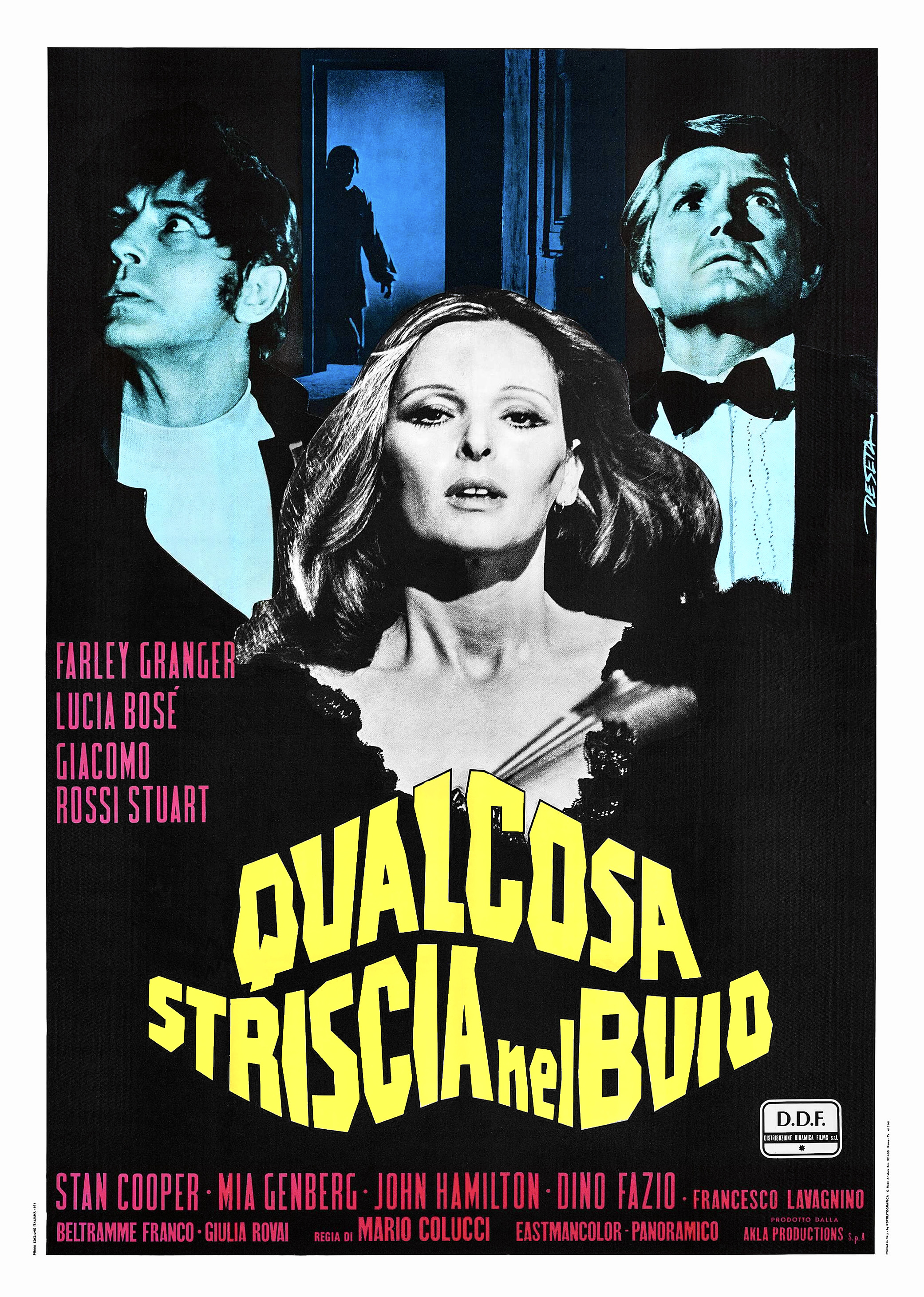
A random group of strangers being forced to share close quarters during an impending disaster or emergency situation is a familiar trope in genre films. The situation becomes even more dire when most of the stranded individuals prove to be loathsome or extremely annoying. This is essentially the set-up for Something Creeping in the Dark (Italian title: Qualcosa Striscia nel Buio, 1971), a quintessential old dark house thriller which starts as a suspenseful melodrama and quickly descends into the realm of the occult.  

Continue reading

Superdrago to the Rescue

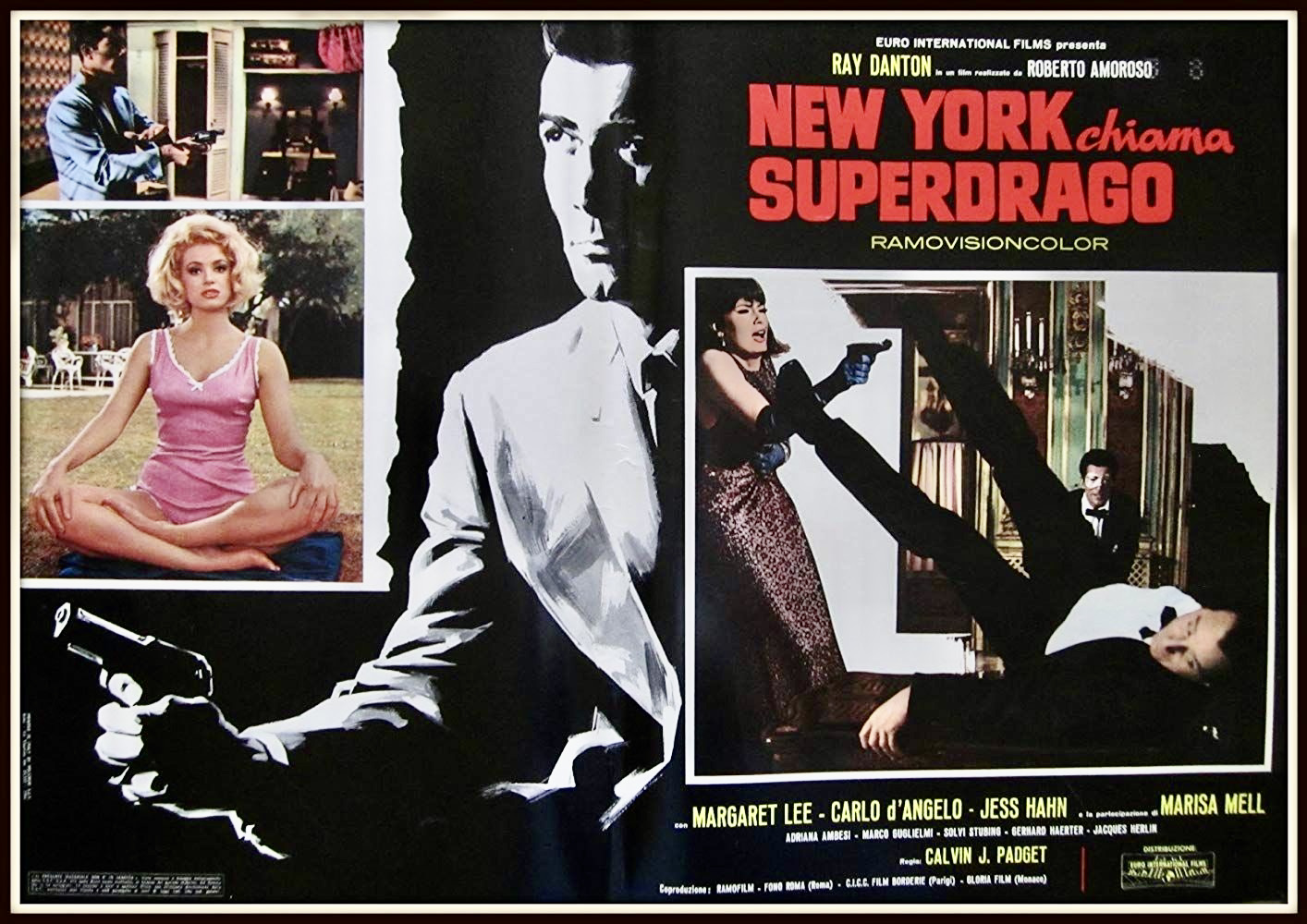
One of countless Eurospy actioners released in the wake of the James Bond film craze in the sixties, Secret Agent Super Dragon (aka New York chiama Superdrago, 1966) has been mercilessly ridiculed on MST3K but served straight up, it’s often funnier in its own poker-faced way and has some oddball flourishes to set it apart from its fellow spy wannabes. I know it denotes a certain immaturity in the writer to even do a post on this, yet I am compelled…I must!

Continue reading

Voyeur Villa

Sometimes a film poster doesn’t offer enough information to let you know what kind of movie to expect. Take, for example, Eyes Behind the Wall (Italian title: L’occhio dietro la parete, 1977). The Italian poster suggests it might be an erotic drama with its image of an older man touching the exposed thigh of a younger woman. The background paraphernalia and laboratory setting could also indicate a sci-fi or horror premise. The American poster for the film displays a demented face, an oversize bloody knife and a topless female victim in the style of a trashy giallo. The simple truth is that Eyes Behind the Wall is hard to classify and doesn’t easily fit into any specific genre although you could file it under Eurotrash. While the film is problematic in many regards, it still manages to be consistently intriguing and unpredictable.

Continue reading