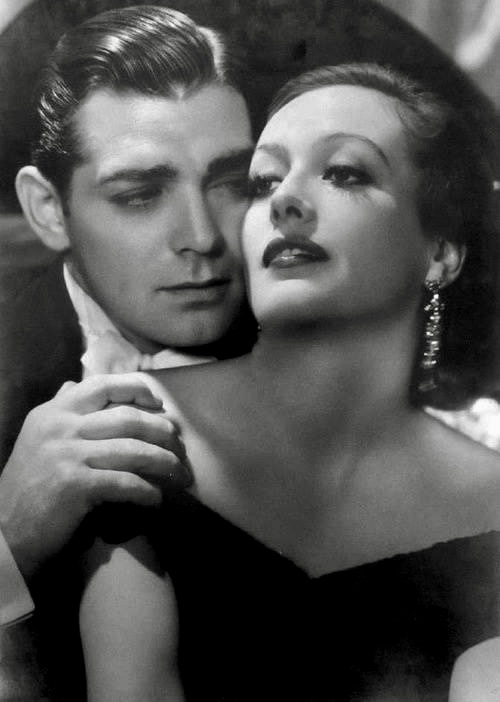
A publicity photo of Clark Gable and Joan Crawford in the 1931 melodrama POSSESSED.
It was just the sort of rags-to-riches tale audiences craved during the Depression era. A working class woman with a shady past finds romance with a high society lawyer running for political office. There’s one major obstacle to their happiness though – he’s married. But Possessed (1931) is less about the road to a bright future for these star-crossed lovers than the on-screen sexual chemistry between the two stars – Joan Crawford and Clark Gable. It was their third film together but it was the first time the duo truly clicked with audiences as a screen couple.
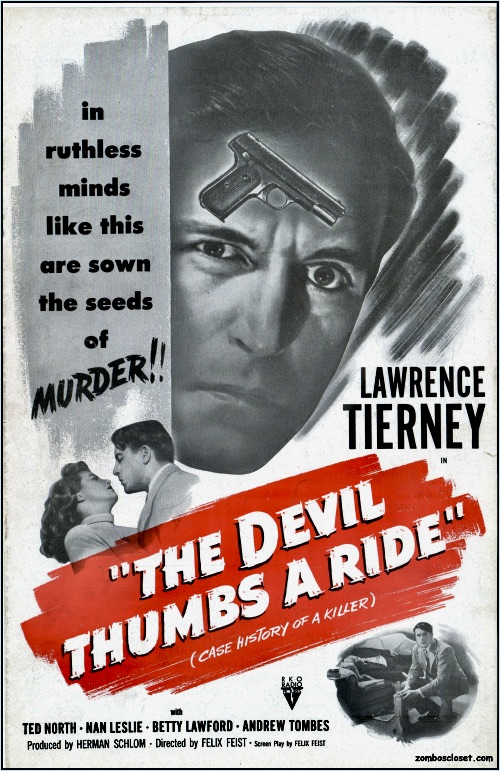
Is there anybody meaner than Lawrence Tierney on the screen? Sure, James Cagney was a bad-ass, shoving a grapefruit into Mae Clarke’s face in The Public Enemy or knocking Virginia Mayo off a chair in White Heat. And Bogart could be equally cold-blooded in films like The Petrified Forest and The Treasure of the Sierra Madre. But Tierney is like a rabid dog in comparison, sparing no one, not even himself, from violent death, and The Devil Thumbs a Ride (1947) is a perfect example of his menacing screen persona.
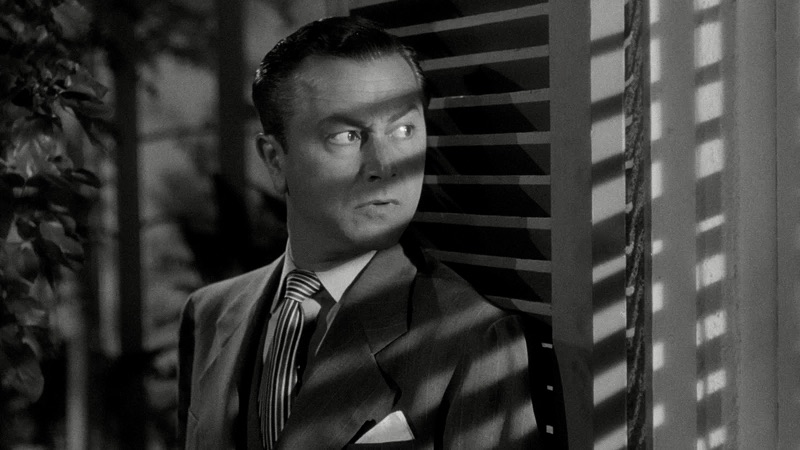
Robert Young plays an embezzler and a womanizer whose luck runs out in THEY WON’T BELIEVE ME (1947), an underrated film noir.
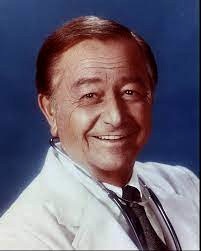
When most baby boomers think of actor Robert Young, they probably recall his popular TV medical series Marcus Welby, M.D. (1969-1976) where he was the epitome of the kind, compassionate doctor or they remember Jim Anderson, the perfect dad in the all-American family sitcom Father Knows Best (1954-1960). He was also typecast as “Mr. Nice Guy” in most of his Hollywood films, playing cheerful romantic leads or the leading man’s best friend or some other debonair, noble or well-intentioned character who rarely made a strong impression compared to more assertive male leads like Clark Gable, Gary Cooper or Spencer Tracy. But there were several occasions when Young discarded his good guy image by playing shadowy characters, outright villains, or damaged human beings. Among these atypical casting choices, Young is most memorable in Alfred Hitchcock’s Secret Agent (1936) as an undercover spy, a budding fascist in The Mortal Storm (1940), a shellshocked and physically maimed war veteran in The Enchanted Cottage (1945), a complete cad and accused murderer in the underrated film noir They Won’t Believe Me (1947), directed by Irving Pichel, and an architect who is suspected of being a dangerous criminal in The Second Woman (1950).
Robert Young as the star of the popular TV series, MARCUS WELBY, M.D. (1969-1976).
The cover of the souvenir program to the 1926 MGM film TELL IT TO THE MARINES.
Most classic movie fans know that silent film star Lon Chaney was often associated with Tod Browning, who directed him in ten movies starting with The Wicked Darling (1919) and ending with Where East is East (1929). Among their most famous collaborations are the silent version of The Unholy Three (1925), The Unknown (1927) and London After Midnight (1927), which is now considered a lost film. Yet, two of Chaney’s most legendary roles were helmed by different directors. The Hunchback of Notre Dame (1923) was directed by Wallace Worsley and The Phantom of the Opera (1925) is credited to Rupert Julian; both films helped establish Chaney’s reputation for playing monstruous and tortured characters. What tends to be overlooked in his filmography is the fact that Chaney wasn’t always typecast as some kind of grotesque individual and Tell It to the Marines (1926), one of his biggest box-office hits for M-G-M, presents him as a gruff but patriotic Marine sergeant in a stirring romantic drama by director George W. Hill.
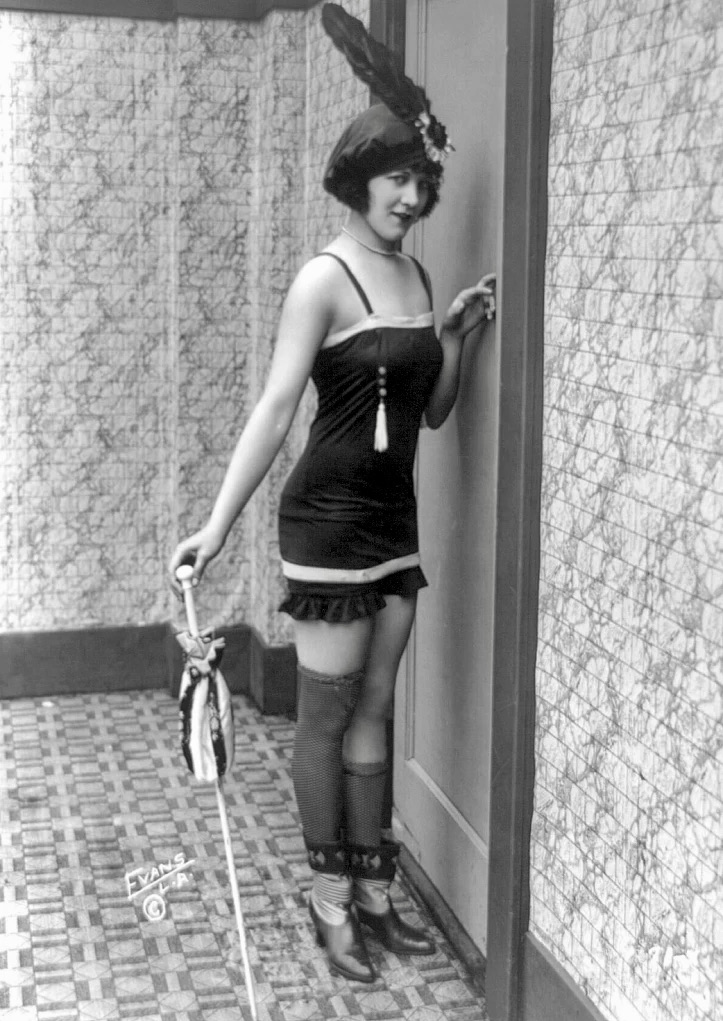
Actress Marie Prevost from her early screen career as a Mack Sennett bathing beauty.
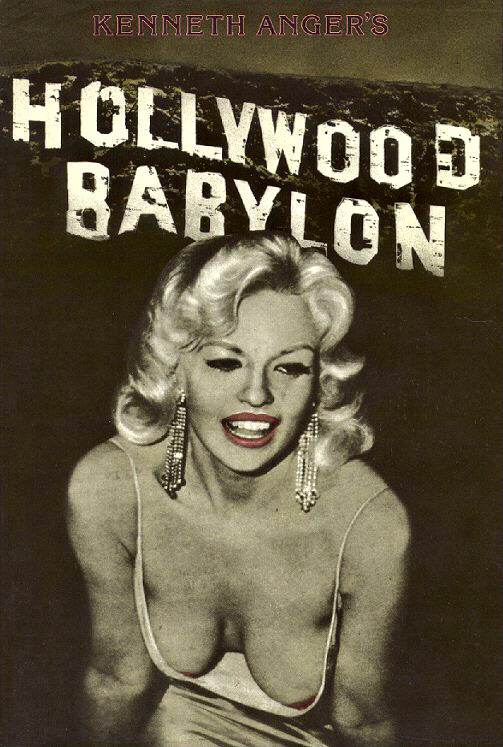
I can remember the first time I ever heard of Marie Prevost. It was while I was reading Kenneth Anger’s Hollywood Babylon back in 1975. For a book loaded with salacious and unsubstantiated stories about many famous stars, the tiny entry on this actress was particularly unkind and disturbing. There was a coroner photograph of Prevost (supposedly) lying on her stomach in bed with what looked like abrasions on her skin with the photo caption “Doggie’s Dinner.”
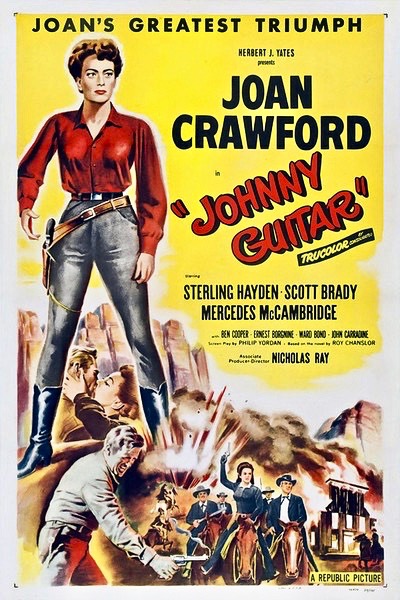
In the fifties, the Western genre experienced a revitalization that saw new approaches to the form – everything from a film noir interpretation like The Furies (1950) to a psychological thriller like High Noon (1952) to a promotional gimmick like the 3-D Western, Hondo (1953). However, it’s safe to say that Johnny Guitar (1954), Nicholas Ray’s bold experiment with color, role reversal, stylized sets, and operatic emotions is a one of a kind masterpiece that will never be repeated. Continue reading →
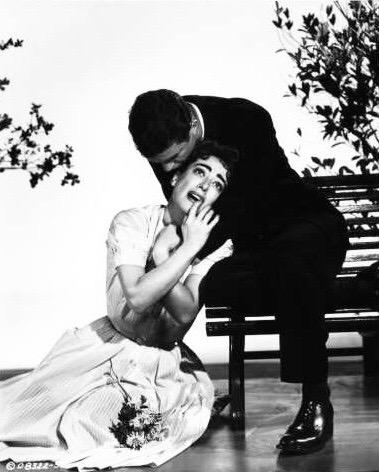
Joan Crawford and Cliff Robertson have a traumatic love affair in Autumn Leaves (1956).
In 1956 directed Robert Aldrich surprised everyone by trying his hand at a “woman’s picture,” a melodramatic soap opera that on the surface appeared to be a complete departure from his previous work which included two westerns (Apache, Vera Cruz), a film noir (Kiss Me Deadly) and a drama (The Big Knife), whose emotional volatility equals the physical violence in the three preceding films. Continue reading →


 Cinema Sojourns