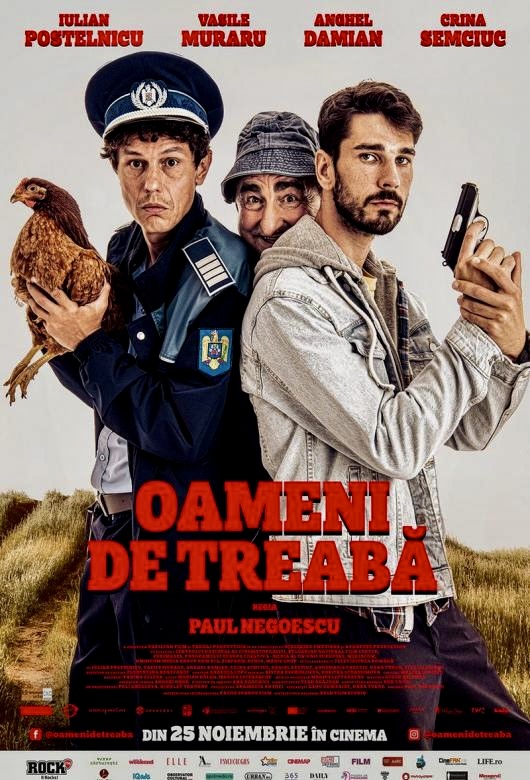
IIie has had his fill of city life and decides to start over again with a clean slate in a small rural town in Moldavia, Romania. As the head cop in the village of Babuleni (a fictional place), he looks forward to a quieter, more laidback lifestyle and the possibility of buying a small patch of land with a fruit orchard. Past failures – a divorce and dismissal from a job under humiliating circumstances – have taught Ilie to keep a low profile and mind his own business. As he ex-wife Mona reminds him, “You fu*ked up your career once playing knight,” and Ilie has no interest in stirring things up in his new locale, despite indications that the town officials may be corrupt. Yet, despite his lazy demeanor and questionable job skills, Ilie soon finds himself dragged into a murder mystery where he is forced to take sides. What begins as an amusing character study of a hapless public figure slowly transitions into a macabre comedy with an unexpected twist ending in Oameni de Treaba (English title: Men of Deeds, 2022), directed by Romanian filmmaker Paul Negoescu.
Continue readingTag Archives: Quentin Tarantino
Aussie Awesomeness
Many countries are well known for their film industry but Australia was not one of them until the early 1970s due to the efforts of prime ministers John Gorton (1968-1972) and Gough Whitlam (1972-1975) who instituted various forms of government support for filmmaking and the arts. Thanks to their encouragement, a number of talented directors emerged from Australia and went on to enjoy international careers with such diverse work as Picnic at Hanging Rock (Dir: Peter Weir, 1975), The Chant of Jimmie Blacksmith (Dir: Fred Schepisi, 1976), My Brilliant Career (Dir: Gillian Armstrong 1979) and Breaker Morant (Bruce Beresford, 1980). This creative movement, known as the Australian New Wave, was often focused on the country’s past and often resulted in critically acclaimed art house fare but not really box office hits in its own country. What is interesting is that the seventies also saw the rise of many Aussie filmmakers who specialized in genre fare and it was their work that generated large revenue streams at home and around the world, especially in the U.S.
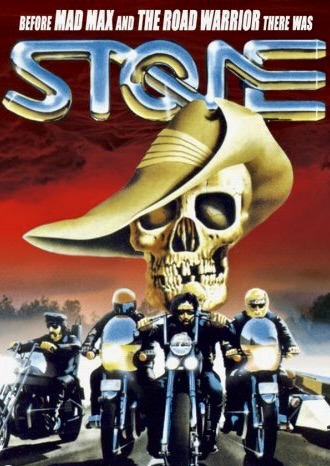
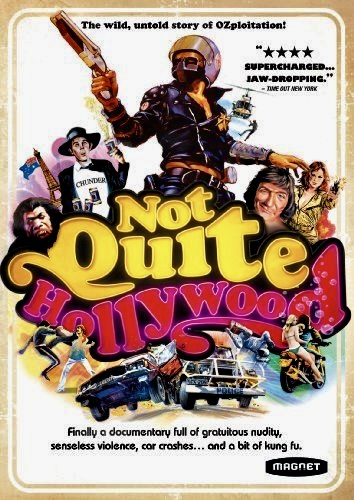
The most successful of these commercial films tended to be sex comedies, horror/fantasy or action/adventure thrillers and were much more representative of contemporary Australian culture than award-winning historical chronicles like Philip Noyes’s Newsfront (1978). It was also the over-the-top quality and extreme nature of these B-movies that earned the moniker of Ozploitation and resulted in such classic cult hits as Time Burstall’s Alvin Purple (1973), Sandy Harbutt’s Stone (1974), Richard Franklin’s Patrick (1978), and George Miller’s Mad Max (1979). If you want a crash course in this raucous period in the Aussie film industry which lasted until the late 1980s, Not Quite Hollywood: The Wild, Untold Story of Ozploitation, written and directed by Mark Hartley, is just the ticket to whet your appetite.
Continue readingDon’t Stop for Strangers!
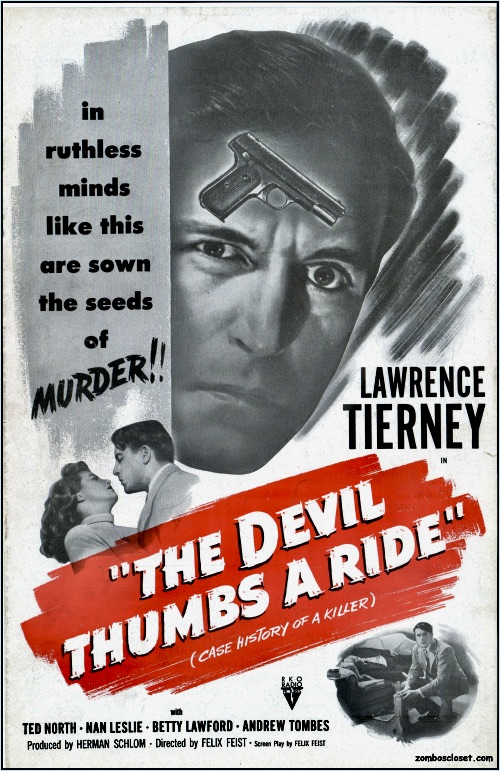
Is there anybody meaner than Lawrence Tierney on the screen? Sure, James Cagney was a bad-ass, shoving a grapefruit into Mae Clarke’s face in The Public Enemy or knocking Virginia Mayo off a chair in White Heat. And Bogart could be equally cold-blooded in films like The Petrified Forest and The Treasure of the Sierra Madre. But Tierney is like a rabid dog in comparison, sparing no one, not even himself, from violent death, and The Devil Thumbs a Ride (1947) is a perfect example of his menacing screen persona.
Continue readingMaster of Hung Gar
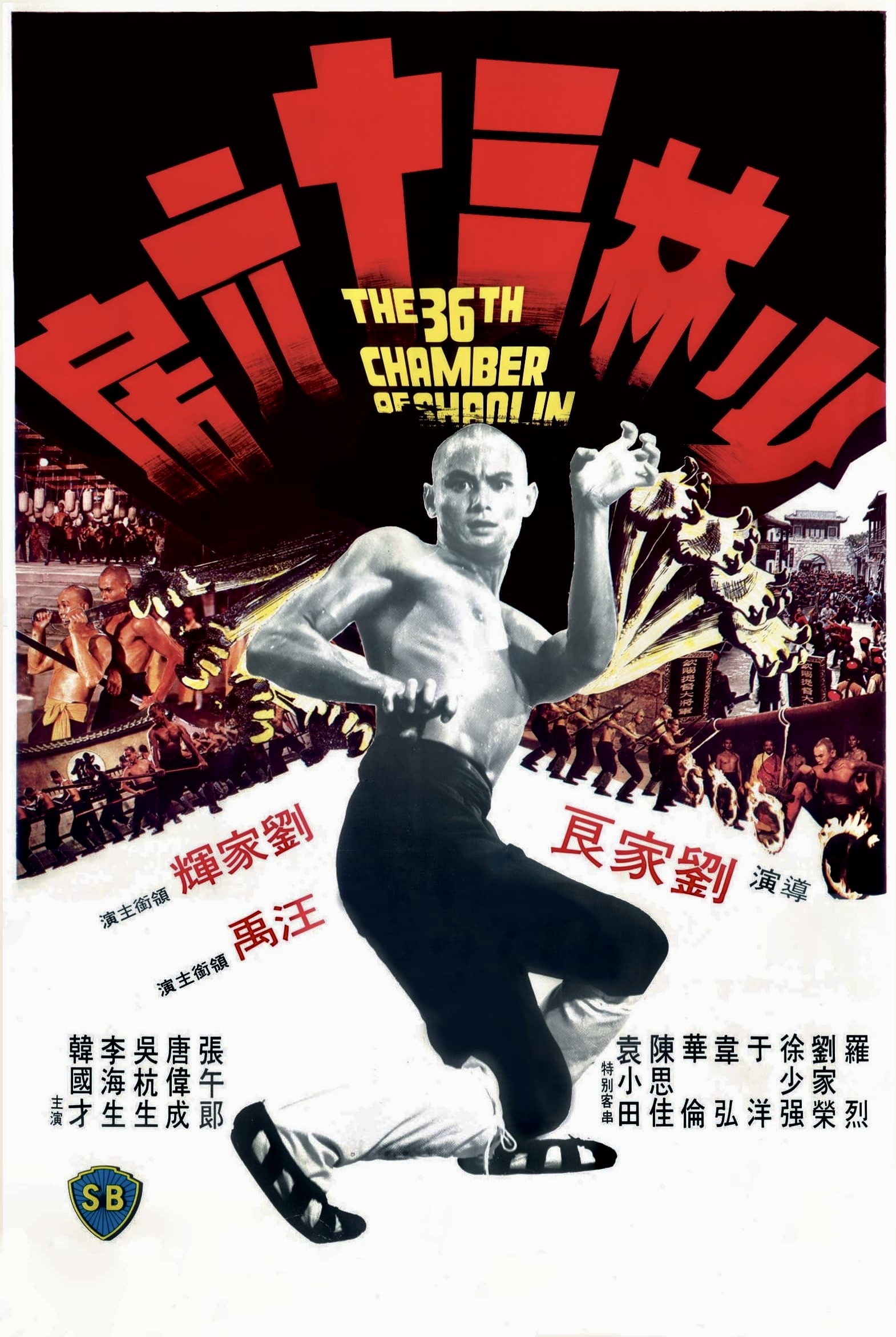
Did you know that there are more than 180 styles of martial arts practiced around the world and that includes karate, judo and other similar forms? Many experts trained in Chinese martial arts generally agree that one of the oldest forms of this practice and the most difficult to master is the Hung Gar style which can be traced back to the 17th century. That is also the time period featured in Shao Lin sans hi liu fang (English title: The 36th Chamber of Shaolin aka Master Killer aka Shaolin Master Killer, 1978). The film, directed by former actor Chia-Liang Liu (aka Lau Kar-Leung), is considered one of the cornerstones of Hong Kong martial arts cinema and it showcases the fluid movements and balletic grace of the Hung Gar style as practiced by its star, Chia-Hui Liu aka Gordon Liu.
Continue readingCity Unplugged
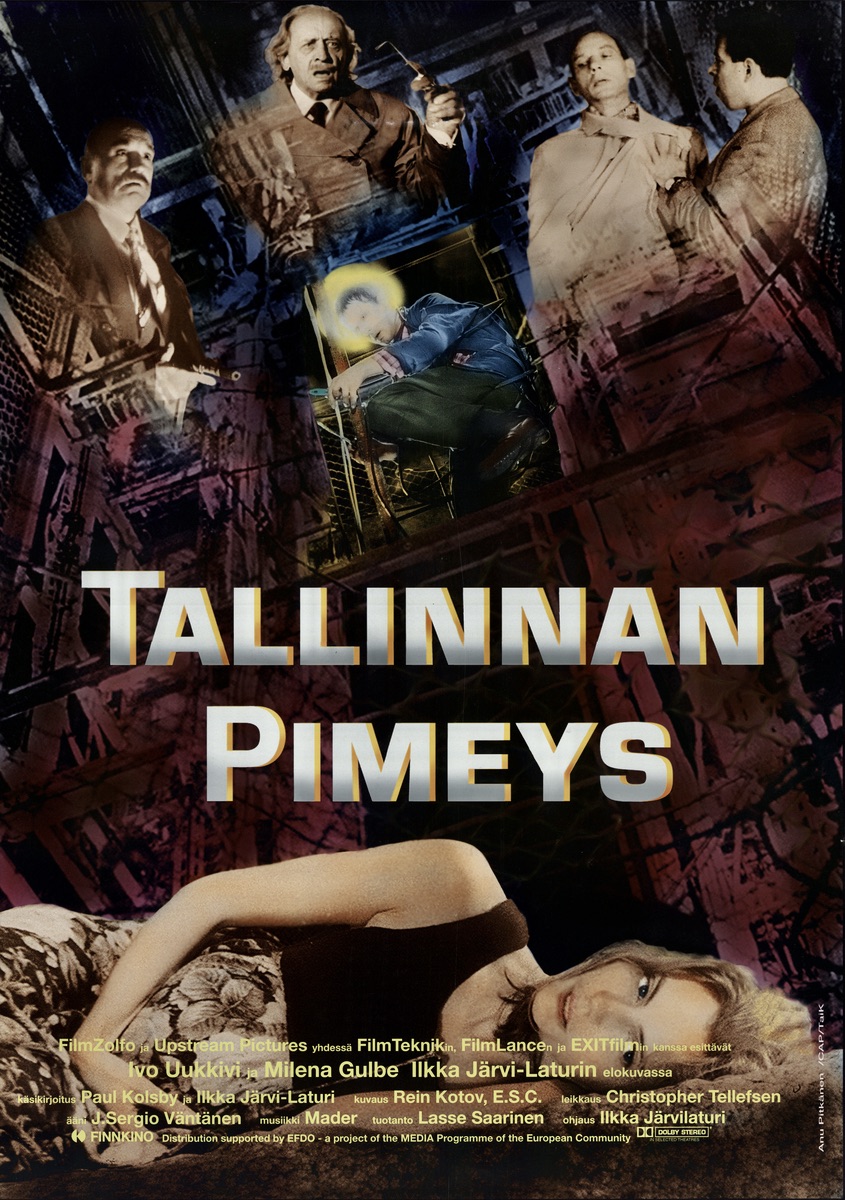
Movies about an ingenious heist or an elaborately staged robbery always come with set expectations from genre enthusiasts. Can they meet or surpass the gold bar standard set by earlier classics such as John Huston’s The Asphalt Jungle (1950), Jules Dassin’s Rififi (1955), or Stanley Kubrick’s The Killing (1956) for example? Tallinn Pimeduses (English title: City Unplugged, aka Darkness in Tallinn 1993), directed by Estonian filmmaker IIkka Jarvi-Laturi, might not ever attain the iconic status of those efforts but that doesn’t mean it isn’t a worthy addition to the genre. If anything, it is quirky and original enough to earn a cult following and probably would have if it had ever been distributed and marketed by a major Hollywood studio.
Continue readingAll in the Family
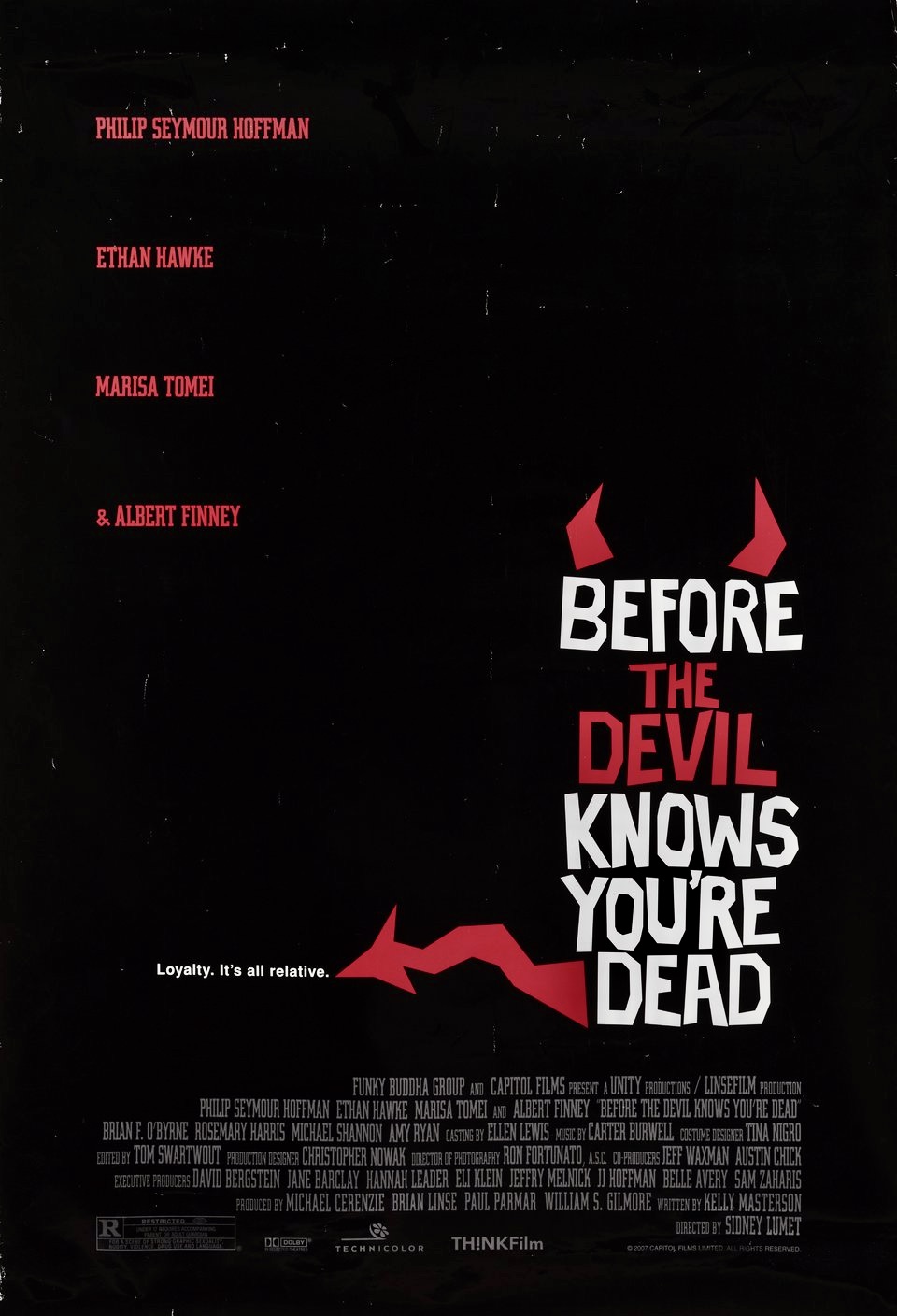
If you had gone to a movie theater showing Before the Devil Knows You’re Dead in 2007 without knowing anything about it or who directed it, you’d probably think it was the work of a dynamic new director who had talent to burn, someone possibly in his or her late twenties or early thirties. Of course, we know it’s the work of the 83-year-old Lumet but the film is just as fresh, surprising and alive to the harrowing and painful emotions of its tough familial breakdown as Lumet’s best work and that means on a par with 12 Angry Men (1957), Serpico (1973), Dog Day Afternoon (1975) and Network (1976).
Continue readingBuilding the Ultimate Superhero

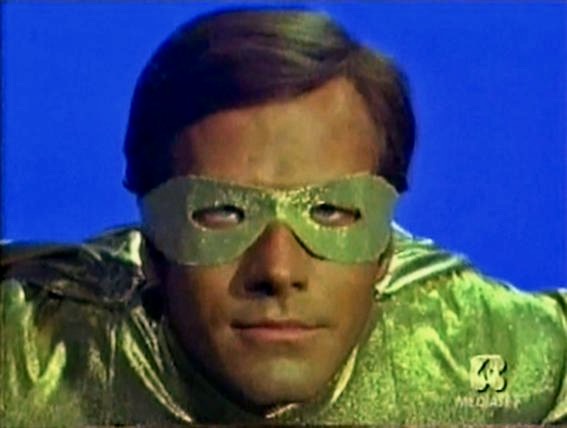
Richard Harrison is not a name most moviegoers in the U.S. are probably familiar with but film buffs around the world know him as one of the American actors who relocated to Italy in the early sixties and enjoyed a long and prolific career there in B-movie fare and low-budget genre films. In a career of more than 100 feature films, there may not be a bona fide classic among them but there are several cult gems and entertaining oddities to enjoy and one of my favorites is La Donna, il Sesso e il Superuomo (English title: Fantabulous Inc., 1968), directed by Sergio Spina. Although it is usually classified as a Eurospy flick released in the wake of the James Bond craze, it is actually a fantasy/adventure/satire that sends up the whole concept of the superhero in comic books and films. It also works as a subversive cautionary tale about the dangers of fascism delivered in the form of a comic cartoon.
Continue readingBeauty and the Sea Devil

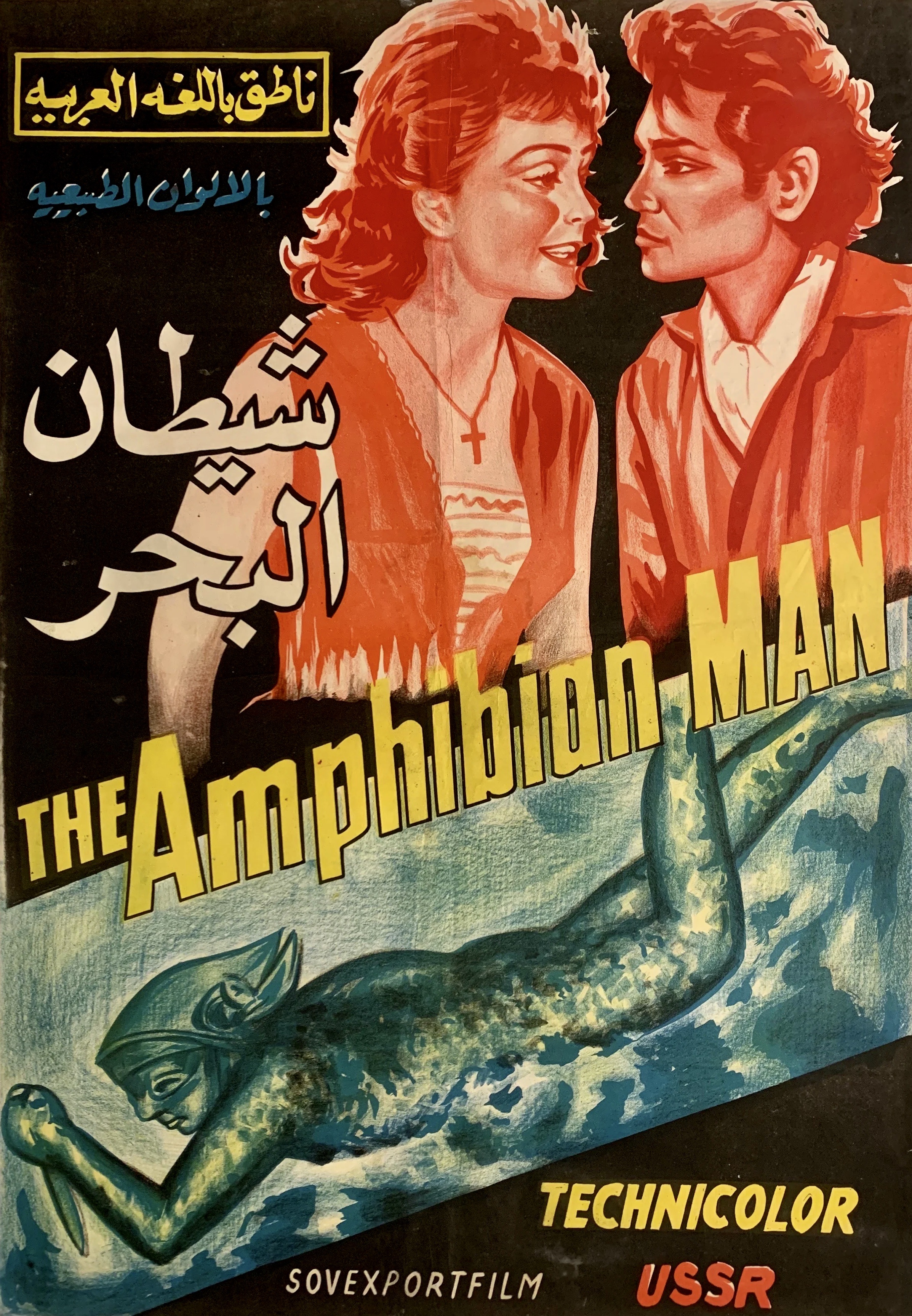
Science fiction and fantasy films have always been a popular staple of Russian cinema but, during the first half of the 20th century, very few of these genre films found theatrical distribution in the U.S. Among the handful that did make to American screens are Yakow Protazanov’s Aelita, the Queen of Mars (1924), Vasily Zhuravlyou’s Cosmic Journey (1936), Planeta Bur aka Planet of Storms (1962), which producer/director Roger Corman raided twice, using footage from it for Voyage to the Prehistoric Planet (1965) and Voyage to the Planet of Prehistoric Women (1968), and Ilya Muromets (1956), an epic fairy tale adventure from director Aleksandr Ptushko that was released in an edited, English-dubbed version entitled The Sword and the Dragon. Some Russian fantasy titles later popped up on American television and second-run houses in poor quality English language dubs like Sampo aka The Day the Earth Froze (1959) but my all-time favorite from this period is Chelovek-Ambibiya (English title: Amphibian Man, 1961), co-directed by Vladimir Chebotaryov and Gennadiy Kazqanskiy.
Continue readingDon’t Mess with a Vietnam Vet
Among the slew of Hollywood movies that followed in the final days of the Vietnam War and used that as the subject, Rolling Thunder (1977) is a fascinating aberration. On the one hand, it flirts with serious issues and societal problems addressed in such post-Vietnam dramas as Coming Home (1978) and Born on the Fourth of July (1989) but it is also a violent revenge film that exploits a Vietnam veteran as an avenging angel.
Continue reading